Seasonal allergies affect millions worldwide, causing sneezing, itchy eyes, and congestion that can derail your day. While antihistamines offer relief, many people seek natural alternatives to manage symptoms without side effects. Enter baobab — the African superfruit packed with vitamin C, quercetin, and prebiotic fiber that may help calm your immune response and reduce histamine levels naturally.
In this article, we explore the science behind baobab allergies relief, how baobab acts as a natural antihistamine, and which UNROOTED products can support you through hay fever season. Whether you're a long-time allergy sufferer or just curious about superfood solutions, read on to learn how baobab might become your new seasonal ally.
How Baobab Supports Immune Balance During Allergy Season
Allergies occur when your immune system overreacts to harmless substances like pollen, releasing histamine and triggering inflammation. Baobab fruit powder is exceptionally rich in vitamin C — a powerful antioxidant that can help reduce histamine levels and shorten the duration of allergic reactions. Studies show that vitamin C acts as a natural antihistamine by breaking down histamine more quickly in the bloodstream.
Additionally, baobab contains quercetin, a flavonoid known for stabilizing mast cells and preventing histamine release. Combined with its high fiber content, which supports a healthy gut microbiome, baobab helps regulate immune function from the inside out. A balanced gut is key to reducing overall inflammation and allergic responses.
- Tip: Start taking baobab daily at least two weeks before allergy season begins for best results.
Baobab’s Anti-Inflammatory Properties and Respiratory Relief
Inflammation is at the core of hay fever symptoms — swollen nasal passages, watery eyes, and scratchy throat. Baobab is loaded with polyphenols and antioxidants that combat oxidative stress and reduce systemic inflammation. Its natural anti-inflammatory compounds may help soothe irritated mucous membranes and ease breathing.
The prebiotic fiber in baobab also feeds beneficial gut bacteria, which produce short-chain fatty acids that modulate immune responses. This gut-immune axis is increasingly recognized as a key player in allergy management. By incorporating baobab into your daily routine, you may experience fewer flare-ups and milder symptoms overall.
- Practical tip: Mix baobab powder into warm water or herbal tea for a soothing, anti-inflammatory drink.
Top UNROOTED Baobab Products for Seasonal Allergy Support
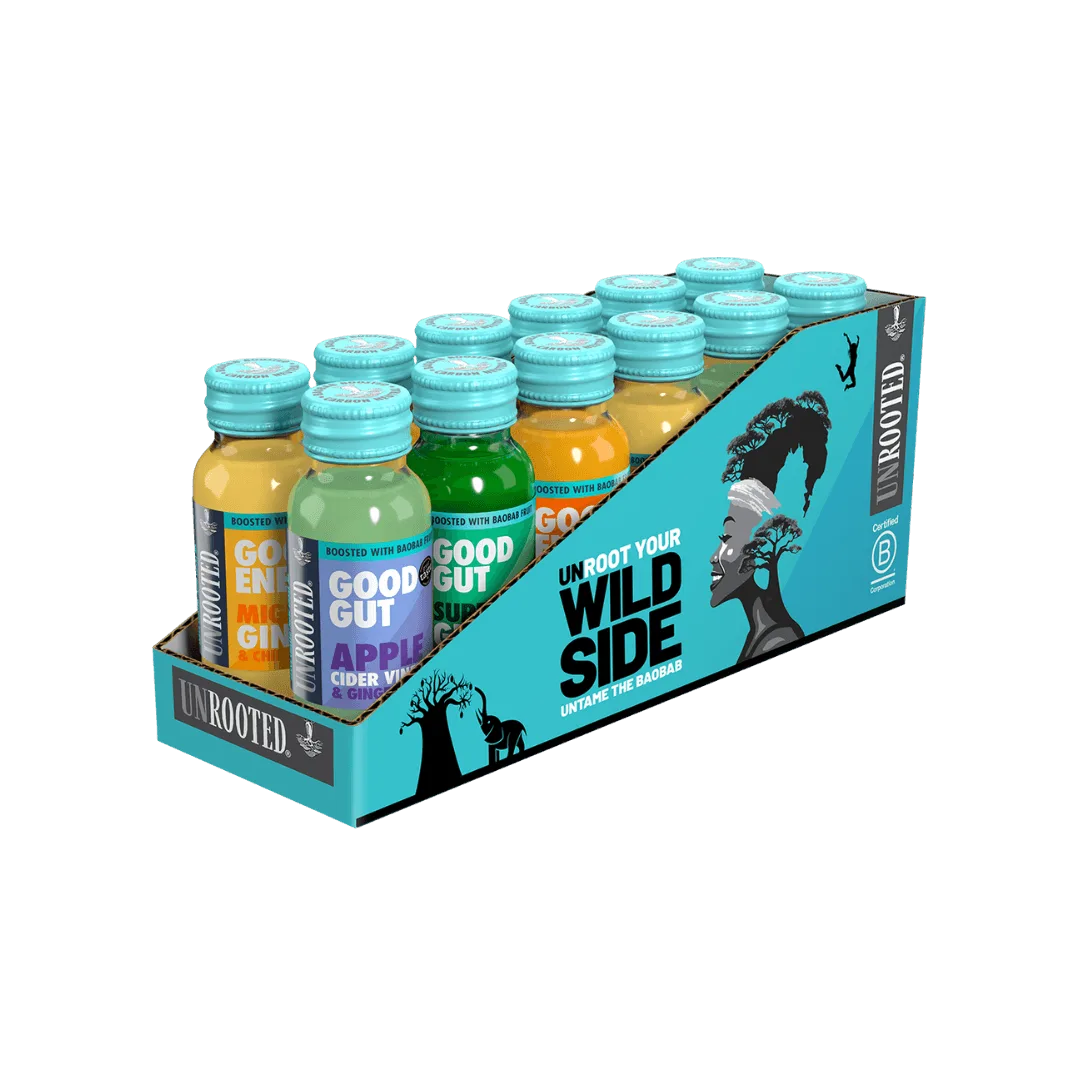
UNROOTED offers a range of baobab-based products that make it easy to incorporate this superfruit into your allergy-fighting regimen. For a zesty, immune-boosting option, try Mighty Ginger, Chilli & Baobab — the ginger and chili add extra anti-inflammatory and decongestant benefits, perfect for clearing sinuses naturally.
If you prefer a milder flavor with turmeric's potent anti-inflammatory properties, Punchy Turmeric, Ginger & Baobab is an excellent choice. Turmeric's curcumin works synergistically with baobab to reduce histamine and calm allergic reactions. For a convenient on-the-go option, Good Fibre Baobab Fruit Powder Sachets allow you to add a precise dose to water, smoothies, or yogurt anytime.
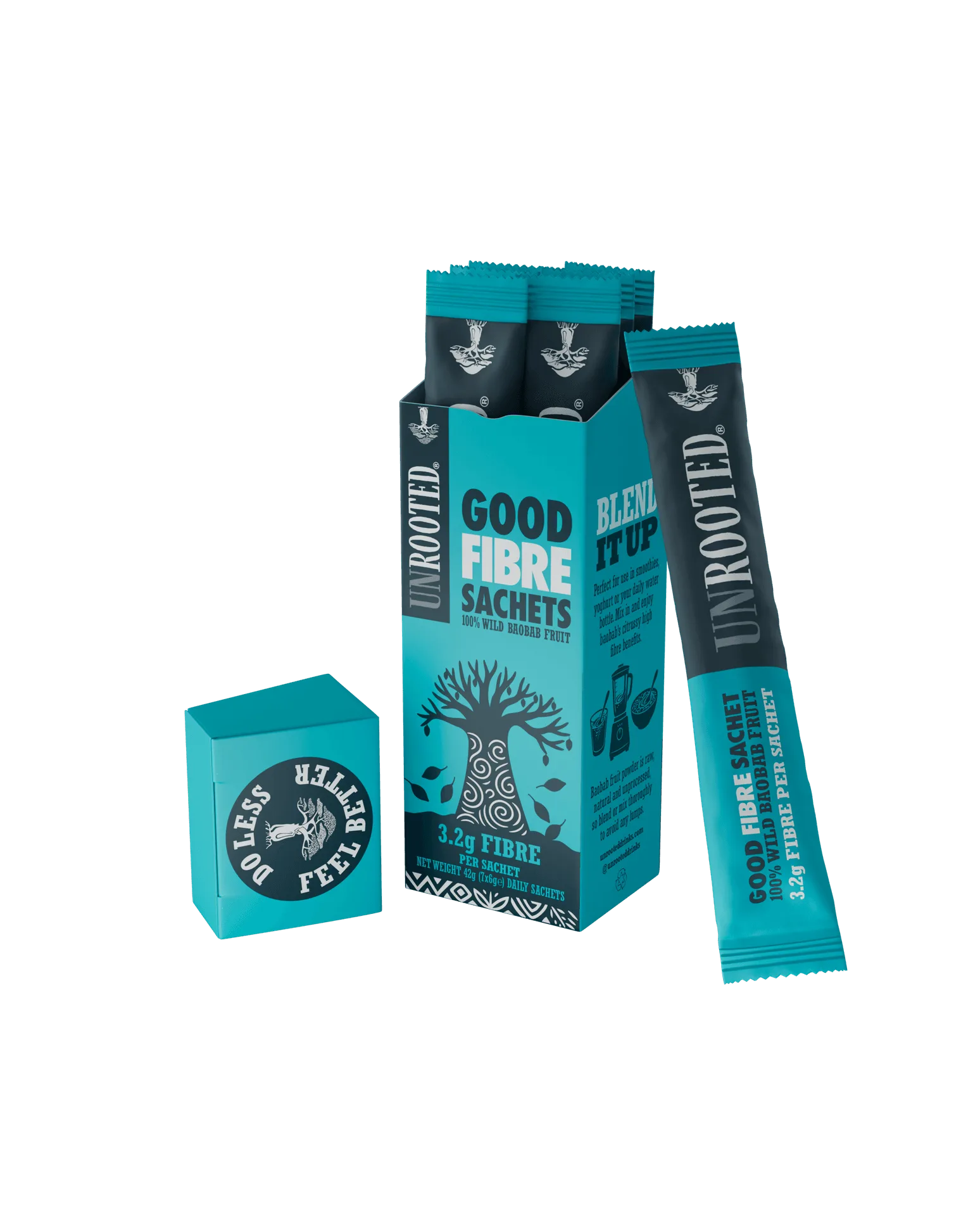
Good Fibre Baobab Fruit Powder Sachets
- Pro tip: Rotate between flavors to keep your allergy routine enjoyable and effective.
How to Use Baobab for Maximum Allergy Relief
Consistency is key when using baobab for allergies. Aim for 1-2 servings per day, starting at least a few weeks before pollen counts rise. You can mix baobab powder into water, juice, or smoothies, or take pre-made shots for convenience. The recommended daily dose is about 10-15 grams of baobab powder, which provides a substantial amount of vitamin C and fiber.
For acute symptoms, combine baobab with other natural antihistamines like local honey, nettle tea, or quercetin-rich foods. Staying hydrated and supporting your gut with prebiotics will amplify the benefits. Always consult your healthcare provider before starting any new supplement, especially if you take medications for allergies.
- Tip: Store baobab powder in a cool, dry place to preserve its potency and flavor.
The Science Behind Baobab as a Natural Antihistamine
Research on baobab’s specific antihistamine effects is still emerging, but its nutrient profile strongly supports allergy relief. A 2019 study found that baobab fruit pulp extract inhibited histamine release in immune cells, likely due to its high polyphenol content. Another study highlighted that vitamin C supplementation reduced histamine levels by up to 38% in allergic individuals.
Quercetin, present in baobab, is a well-studied flavonoid that blocks histamine release and reduces inflammation. Together with fiber’s gut-health benefits, baobab offers a multi-pronged approach to managing allergies naturally. While not a replacement for medication, it can be a valuable complementary tool.
- Did you know? Baobab contains more vitamin C than oranges and more antioxidants than acai berries.
Seasonal allergies don’t have to mean suffering through spring and fall. By adding baobab to your daily wellness routine, you can harness its natural antihistamine, anti-inflammatory, and gut-supporting properties to tame hay fever symptoms. UNROOTED’s range of baobab products — from spicy ginger blends to pure powder sachets — makes it easy and delicious to get your daily dose. Explore our collection and find your perfect allergy companion today.