When it comes to prebiotic fiber, two natural sources often steal the spotlight: chicory root and baobab. Chicory root has long been a go-to for boosting gut health, but baobab—the African superfruit—is rapidly gaining attention for its impressive fiber content and additional nutritional benefits. If you’re trying to choose between these two prebiotic powerhouses, understanding their differences can help you make an informed decision.
Both baobab and chicory root are rich in soluble fiber, which feeds beneficial gut bacteria. However, baobab offers a broader spectrum of vitamins, minerals, and antioxidants that chicory root lacks. In this comparison, we’ll break down how each source supports digestion, energy levels, and overall wellness, so you can decide which one fits your lifestyle best.
What Is Prebiotic Fiber and Why Does It Matter?
Prebiotic fiber is a type of indigestible plant fiber that acts as food for the good bacteria in your gut. When these bacteria ferment prebiotics, they produce short-chain fatty acids that support gut lining health, reduce inflammation, and improve nutrient absorption. A diet rich in prebiotics can also help regulate bowel movements and boost immune function.
Both baobab and chicory root are excellent sources of prebiotic fiber, but they differ in their fiber composition and additional nutrients. Chicory root is particularly high in inulin, a type of fructan that ferments quickly in the gut. Baobab, on the other hand, contains both soluble and insoluble fiber, plus pectin, which ferments more slowly and may cause less gas for sensitive individuals.
- Prebiotics feed beneficial gut bacteria, promoting a healthy microbiome.
- Short-chain fatty acids from fermentation support gut lining and reduce inflammation.
- Choosing a prebiotic source that suits your digestive tolerance is key.
Nutritional Profile: Baobab vs. Chicory Root
Chicory root is primarily valued for its high inulin content, which can make up 40–60% of its dry weight. It also contains some antioxidants and minerals like calcium and magnesium, but its nutritional profile is relatively narrow. Inulin is a great prebiotic, but it can cause bloating or gas in people with sensitive guts, especially when consumed in large amounts.
Baobab fruit powder, in contrast, delivers a wider range of nutrients. It provides about 50% fiber by weight—both soluble and insoluble—along with high levels of vitamin C, potassium, magnesium, and calcium. Baobab also contains polyphenols and antioxidants that support immune health and reduce oxidative stress. This makes baobab not just a prebiotic, but a whole-food nutrient booster.
- Chicory root is 40–60% inulin, a fast-fermenting prebiotic.
- Baobab offers 50% fiber plus vitamin C, potassium, and antioxidants.
- Baobab's slower fermentation may cause less digestive discomfort.
Digestive Tolerance and Gut Health Benefits
For many people, chicory root’s high inulin content can lead to bloating, gas, or cramping, especially if they aren’t used to high-fiber diets. This is because inulin ferments rapidly in the colon. Baobab’s fiber blend, which includes pectin, ferments more gradually, often making it a gentler option for those with sensitive stomachs.
Both sources effectively increase beneficial bacteria like Bifidobacteria and Lactobacillus. However, baobab’s additional vitamin C and antioxidants can help soothe gut inflammation and support mucosal health. If you’re looking for a prebiotic that also boosts immunity and provides steady energy, baobab may have the edge.
- Chicory root may cause bloating in sensitive individuals due to rapid fermentation.
- Baobab’s pectin-rich fiber ferments slowly, reducing gas and discomfort.
- Baobab’s vitamin C and antioxidants support gut lining and immune function.
Energy and Overall Wellness: Beyond Prebiotics
Chicory root is sometimes used as a caffeine-free coffee substitute, but it doesn’t provide direct energy. Its prebiotic benefits can indirectly support energy by improving nutrient absorption, but it lacks the vitamins needed for cellular energy production.
Baobab, on the other hand, is rich in vitamin C, B vitamins, and minerals like potassium and magnesium, which are essential for energy metabolism and electrolyte balance. Many people report feeling more alert and energized after consuming baobab, without the jitters of caffeine. Products like the Punchy Turmeric, Ginger & Baobab shot combine baobab with anti-inflammatory spices for a natural energy lift. If you prefer a simple fiber boost, Good Fibre Baobab Fruit Powder Sachets are an easy way to add prebiotic fiber to water or smoothies.
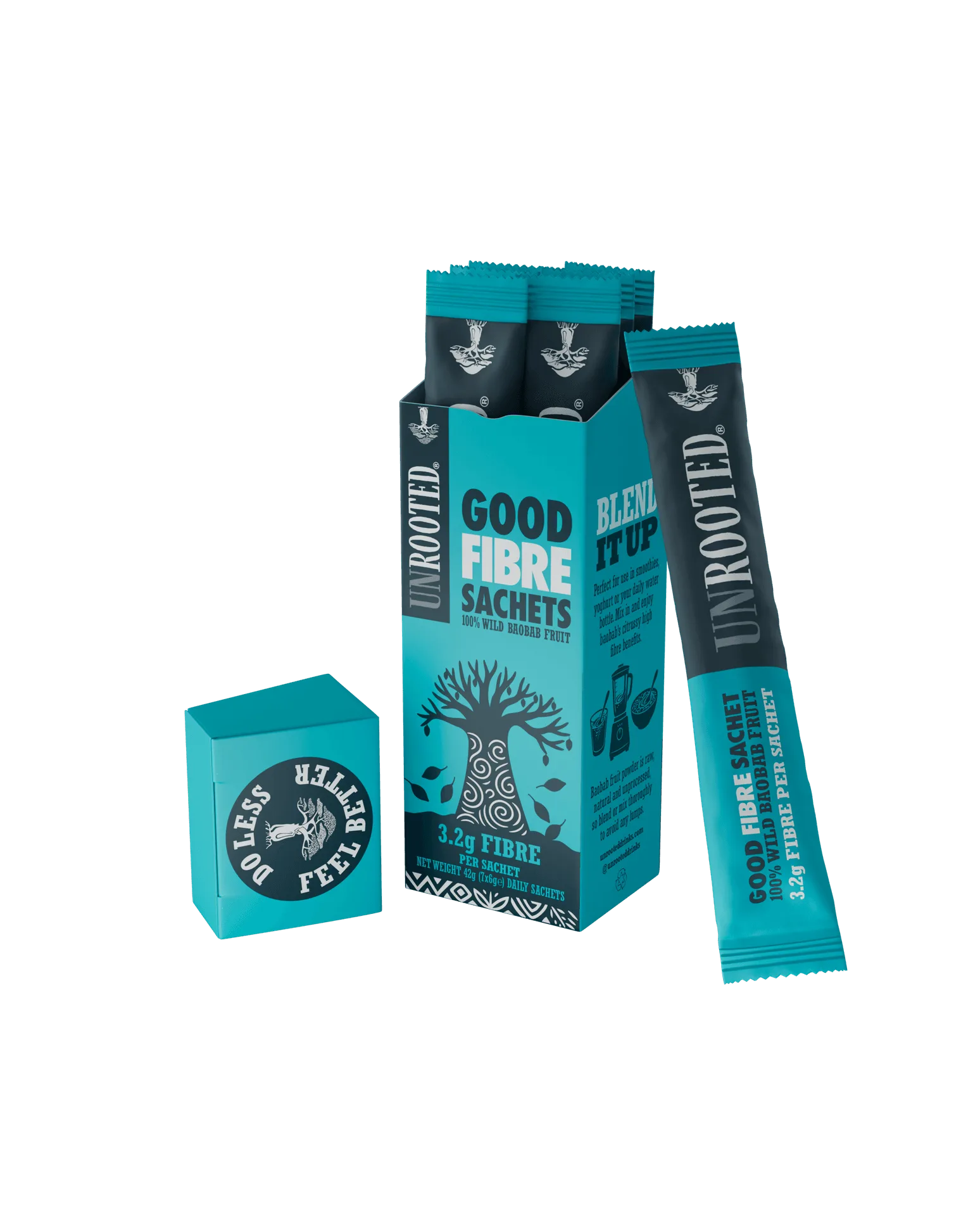
Good Fibre Baobab Fruit Powder Sachets
- Chicory root supports energy indirectly through gut health.
- Baobab provides vitamin C, B vitamins, and minerals for direct energy support.
- Baobab shots like Punchy Turmeric, Ginger & Baobab offer a convenient energy boost.
How to Choose Between Baobab and Chicory Root
Your choice depends on your digestive tolerance, nutritional needs, and lifestyle. If you have a robust gut and want a concentrated inulin source, chicory root can be effective. However, if you’re prone to bloating or want a broader nutrient profile, baobab is likely a better fit.
Baobab is also more versatile—it can be added to water, smoothies, or yogurt without altering taste significantly. Chicory root is often used in supplements or as a coffee substitute. For those seeking a gentle, nutrient-dense prebiotic that also supports energy and immunity, baobab stands out as a superior whole-food option.
- Choose chicory root if you tolerate inulin well and want a targeted prebiotic.
- Choose baobab if you want a gentle fiber source with added vitamins and antioxidants.
- Baobab’s mild flavor makes it easy to incorporate into daily drinks and meals.
Whether you’re new to prebiotics or looking to switch things up, baobab offers a unique combination of gut-supporting fiber and whole-food nutrition that chicory root can’t match. If you’re ready to experience the benefits for yourself, try adding baobab to your daily routine with a convenient option like Good Fibre Baobab Fruit Powder Sachets—a simple way to nourish your gut and boost your energy naturally.