Superfoods have taken the wellness world by storm, each promising unique benefits for your health. From spirulina to chia seeds, acai to turmeric, the options can feel overwhelming. But when it comes to gut health—the foundation of overall well-being—not all superfoods are created equal. One ingredient that has quietly risen to the top is baobab, the fruit of the iconic African tree. In this article, we’ll pit baobab against other popular superfoods to see which one truly deserves the crown for gut health support.
We’ll break down fiber content, prebiotic properties, vitamin and mineral profiles, and how each superfood fits into a daily routine. By the end, you’ll have a clear answer to the question: baobab vs. superfoods—which one is best for your digestion and energy? Let’s dive in.
Why Gut Health Matters and What Superfoods Can Do
Your gut is home to trillions of bacteria that influence everything from digestion and immunity to mood and energy levels. A healthy gut microbiome relies on a steady supply of prebiotic fiber—the food that beneficial bacteria thrive on. Superfoods can provide concentrated doses of fiber, antioxidants, and polyphenols that support this ecosystem. However, not all superfoods offer the same gut-friendly profile. Some are high in protein or omega-3s but low in fiber, while others are packed with vitamins but lack prebiotic compounds. Understanding these differences helps you choose the best superfood for digestion.
Baobab stands out because it contains both soluble and insoluble fiber, along with a unique blend of polyphenols that act as prebiotics. In contrast, superfoods like spirulina are nutrient-dense but low in fiber, while chia seeds offer fiber but in a different ratio. Let’s compare them head-to-head.
- Tip: Look for superfoods that provide at least 3 grams of fiber per serving to support daily digestion.
Baobab vs. Spirulina: Fiber vs. Protein
Spirulina is a blue-green algae celebrated for its high protein content and rich array of B vitamins, iron, and antioxidants. It’s a fantastic supplement for energy and immune support, but when it comes to gut health, spirulina falls short. It contains very little dietary fiber—less than 1 gram per tablespoon. This means it doesn’t directly feed your gut bacteria or promote regular bowel movements. Baobab, on the other hand, delivers about 5 grams of fiber per tablespoon, with a perfect balance of soluble and insoluble types. This makes baobab a superior choice for digestive regularity and prebiotic support.
Additionally, baobab is packed with vitamin C (more than oranges by weight) and calcium, which support the gut lining and overall immunity. If your goal is to improve gut health while also getting a gentle energy boost, baobab wins this round. For a convenient way to add baobab to your daily routine, try a shot like Mighty Ginger, Chilli & Baobab—it combines the gut-loving fiber of baobab with warming spices that aid digestion.
Baobab vs. Chia Seeds: Prebiotic Power
Chia seeds are famous for their omega-3 fatty acids and impressive fiber content—about 10 grams per two tablespoons. However, most of that fiber is insoluble, which adds bulk to stool but doesn’t necessarily feed beneficial bacteria. Chia seeds also form a gel when soaked, which can be soothing for some but may cause bloating in sensitive individuals. Baobab’s fiber is unique because it contains a high proportion of pectin, a soluble fiber that acts as a potent prebiotic. Studies suggest that baobab fiber can increase the production of short-chain fatty acids (SCFAs) like butyrate, which nourish colon cells and reduce inflammation.
Another advantage of baobab is its natural tart flavor, which blends seamlessly into smoothies, yogurt, or water without needing to soak or grind. For those who want a no-fuss gut health boost, baobab is more versatile. You can even find it in a convenient powder form like Good Fibre Baobab Fruit Powder Sachets, perfect for adding to your morning drink or meal.
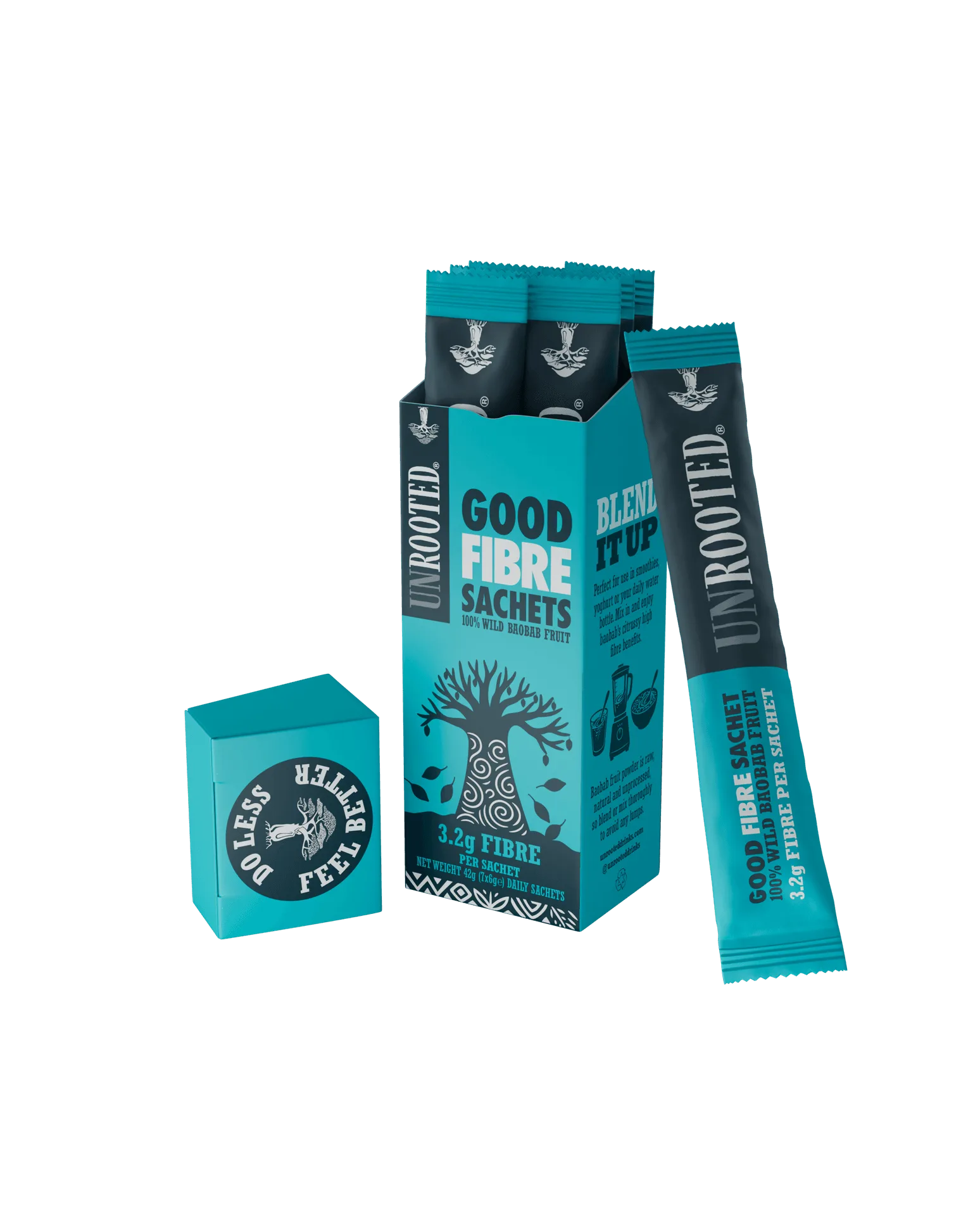
Good Fibre Baobab Fruit Powder Sachets
- Tip: For maximum prebiotic benefit, pair baobab with a source of live probiotics like yogurt or kefir.
Baobab vs. Acai: Antioxidants and Gut Support
Acai berries are often hailed as a superfood due to their sky-high antioxidant levels, particularly anthocyanins that fight oxidative stress. While antioxidants are crucial for reducing gut inflammation, acai is relatively low in fiber—around 2 grams per serving. It also tends to be processed into purees or powders that may contain added sugars, which can negatively impact gut bacteria. Baobab, in contrast, provides a triple threat: high fiber, abundant vitamin C, and polyphenols that act as both antioxidants and prebiotics. This combination helps reduce inflammation while actively feeding good bacteria.
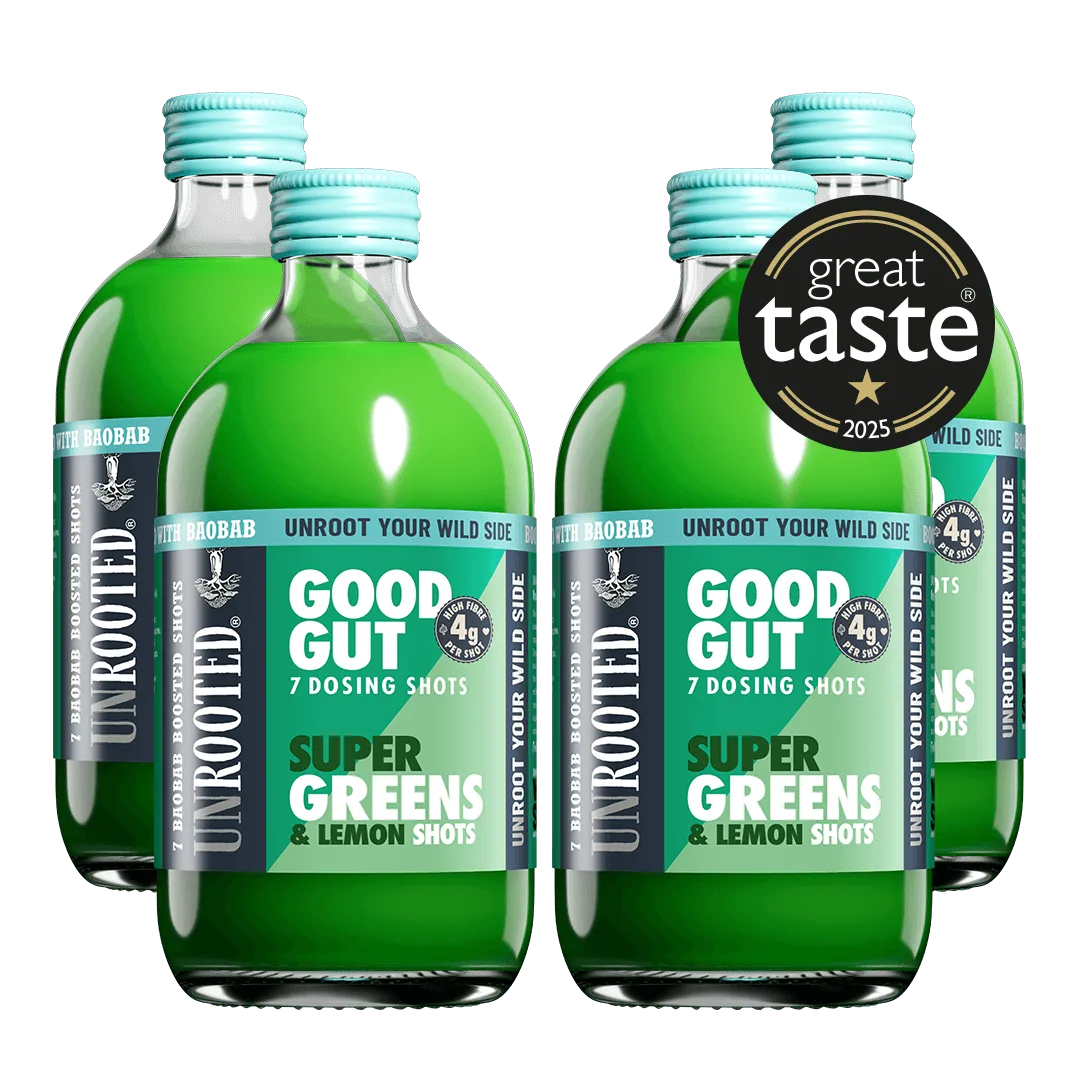
Moreover, baobab has a lower sugar content than many fruit-based superfoods, making it a gut-friendly option for those managing blood sugar or candida overgrowth. Its tangy flavor pairs well with greens, as seen in blends like Super Greens, Lemon & Baobab, which combines baobab with nutrient-dense greens for a comprehensive gut and energy boost.
Baobab vs. Turmeric: Inflammation and Digestion
Turmeric, with its active compound curcumin, is a powerhouse for reducing inflammation throughout the body, including the gut. It’s especially helpful for conditions like IBS or inflammatory bowel disease. However, turmeric alone does not provide significant fiber or prebiotic benefits. It works best when combined with black pepper (for absorption) and a healthy fat. Baobab, on the other hand, directly supports gut health through its fiber and prebiotic action, while also offering anti-inflammatory effects via its high vitamin C and polyphenol content.
The two can actually work synergistically. Many gut health enthusiasts combine baobab with turmeric for a comprehensive approach. Products like Punchy Turmeric, Ginger & Baobab bring these benefits together in one convenient shot, offering both the anti-inflammatory power of turmeric and the gut-nourishing fiber of baobab.
- Tip: For best absorption, consume turmeric with a pinch of black pepper and a source of fat like coconut milk.
The Verdict: Why Baobab Leads for Gut Health
After comparing baobab with spirulina, chia, acai, and turmeric, the evidence is clear: baobab is the most well-rounded superfood for gut health. Its unique combination of high soluble fiber, prebiotic pectin, vitamin C, and polyphenols makes it a superior choice for feeding beneficial bacteria, promoting regularity, and reducing inflammation. While other superfoods excel in specific areas—spirulina for protein, chia for omega-3s, acai for antioxidants, turmeric for inflammation—none offer the same comprehensive gut support as baobab.
Additionally, baobab is incredibly easy to incorporate into your daily life. Whether you prefer a powder, a shot, or a blend with other functional ingredients, there’s a baobab product to fit your routine. For those new to baobab, starting with a variety pack can help you discover your favorite flavor while reaping the full gut health benefits.
If you’re serious about improving your gut health naturally, baobab is the superfood that delivers on all fronts. Its prebiotic fiber, antioxidants, and essential nutrients work together to support digestion, boost energy, and strengthen your immune system. Explore the range of baobab products available at UNROOTED, including the versatile Variety pack of daily shots, to find your perfect match and start feeling the difference today.

Variety pack of daily shots