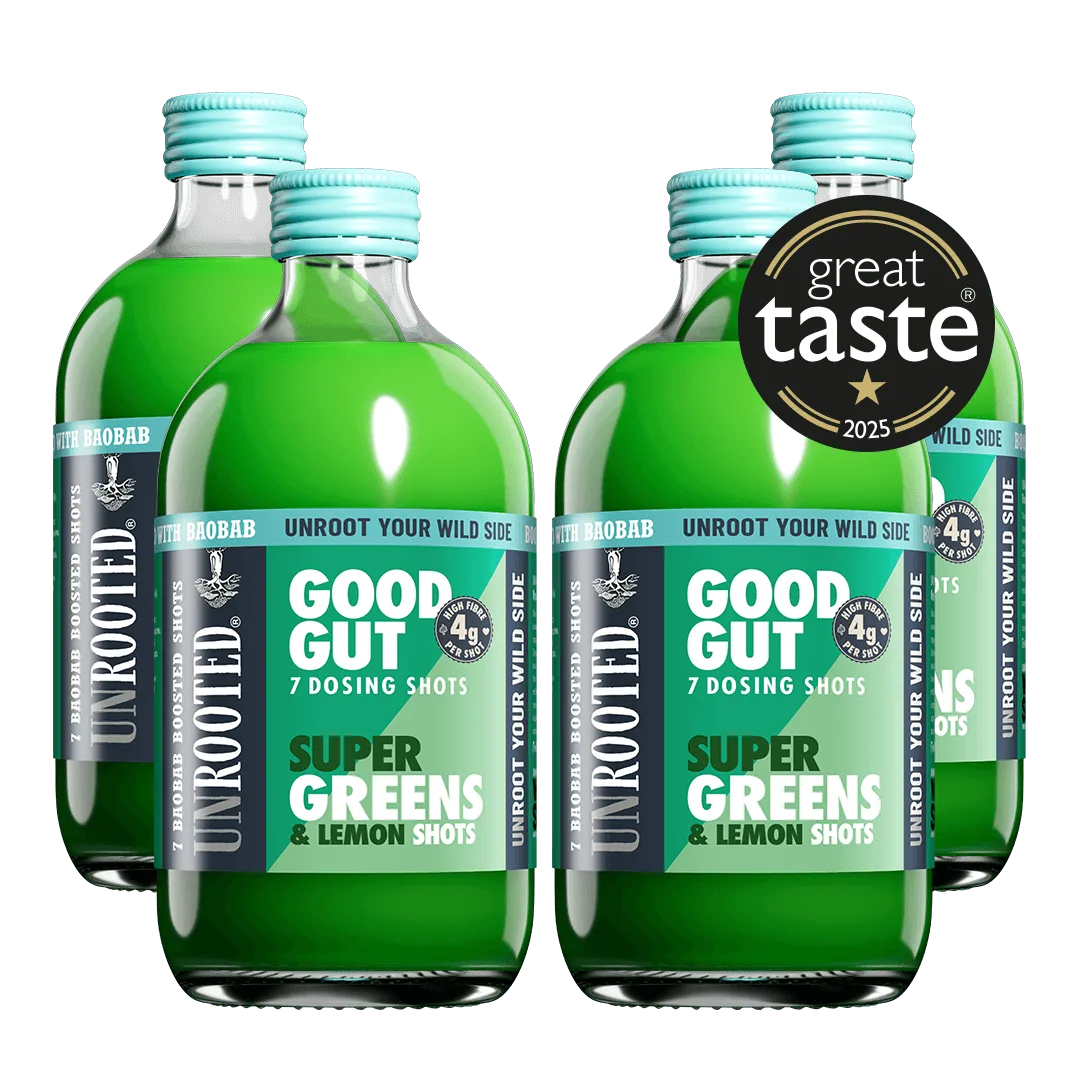
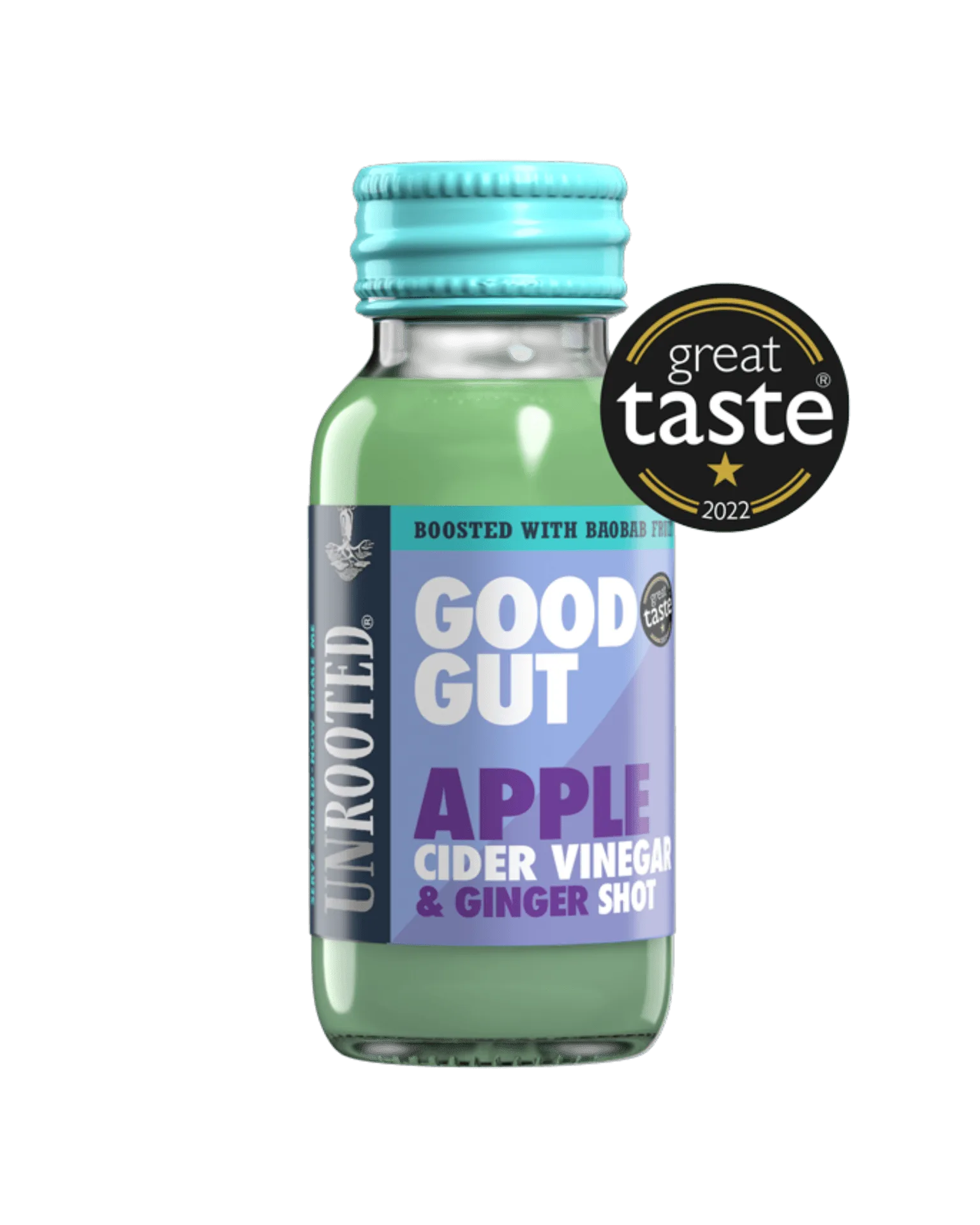
When it comes to improving gut health, two terms dominate the conversation: probiotics and prebiotics. Probiotics are live beneficial bacteria found in fermented foods and supplements, while prebiotics are non-digestible fibers that feed those bacteria. The question many health-conscious consumers are asking is: baobab vs probiotics — which is better for gut health?
The answer isn't as simple as choosing one over the other. Both play essential roles, but baobab fruit powder offers a unique advantage as a natural prebiotic that supports the entire digestive ecosystem. In this article, we'll compare baobab and probiotics head-to-head, examining how each works, their benefits, and why baobab might be the superior choice for long-term gut health and everyday energy.
How Probiotics Work: The Good Bacteria Boost
Probiotics are live microorganisms that, when consumed in adequate amounts, confer a health benefit on the host. They are commonly found in yogurt, kefir, sauerkraut, and probiotic supplements. The idea is to replenish or maintain the population of beneficial bacteria in your gut microbiome, which can be disrupted by poor diet, stress, antibiotics, or illness.
While probiotics can be effective for specific conditions like antibiotic-associated diarrhea or irritable bowel syndrome, they have limitations. Not all probiotic strains survive stomach acid, and they often need to be taken consistently to maintain their effects. Additionally, probiotics don't address the root cause of an imbalanced microbiome — they simply add more bacteria without necessarily improving the environment for those bacteria to thrive.
- Probiotics introduce live bacteria but may not colonize long-term.
- Strain specificity matters — not all probiotics work for every gut issue.
- Probiotics require refrigeration and careful handling to remain viable.
Baobab as a Prebiotic: Feeding Your Gut's Ecosystem
Baobab fruit powder is a rich source of soluble and insoluble fiber, including pectin, which acts as a prebiotic. Prebiotics are food for the beneficial bacteria already living in your gut. By consuming baobab, you provide the fuel that helps your native microbiome flourish, leading to more sustainable and natural improvements in digestion, regularity, and immune function.
Unlike probiotics, baobab doesn't introduce foreign bacteria — it supports what's already there. This makes it a gentler and more holistic approach for most people. The high fiber content also helps with bloating, constipation, and overall gut motility. Plus, baobab is shelf-stable, easy to incorporate into your daily routine, and packed with vitamin C and antioxidants for added immune support.
- Baobab prebiotic fiber feeds existing gut bacteria for long-term balance.
- No need for refrigeration — baobab powder is shelf-stable and travel-friendly.
- Supports both gut health and immune function with natural vitamin C.
Baobab vs Probiotics: Key Differences at a Glance
To help you decide which option suits your needs, here's a quick comparison of baobab and probiotics based on mechanism, benefits, and convenience. Understanding these differences is crucial when choosing a gut health supplement that fits your lifestyle.
While probiotics can be helpful for acute imbalances or after antibiotics, baobab offers a more fundamental, everyday solution for maintaining a healthy gut. It's also more versatile — you can mix baobab powder into water, smoothies, or even use it in recipes, whereas probiotics often require specific storage and timing.
- Baobab: Prebiotic fiber, shelf-stable, supports native microbiome, gentle on stomach.
- Probiotics: Live bacteria, often need refrigeration, may cause initial bloating, strain-dependent.
- Baobab provides additional nutrients (vitamin C, antioxidants) beyond gut health.
Why Baobab May Be the Better Long-Term Choice
For most people, supporting the gut microbiome with prebiotic fiber is more sustainable than relying on external probiotics. Baobab's soluble fiber helps create a favorable environment for beneficial bacteria to grow and thrive naturally. Over time, this can lead to improved digestion, reduced bloating, and more consistent energy levels without the need for daily probiotic supplements.
Products like Good Fibre Baobab Fruit Powder Sachets make it easy to get your daily prebiotic dose. Each sachet provides a concentrated source of baobab fiber that you can mix into water or your favorite beverage. For those who want a flavorful boost, options like Mighty Ginger, Chilli & Baobab combine the gut-friendly benefits of baobab with metabolism-supporting spices, offering a delicious way to support digestive health.
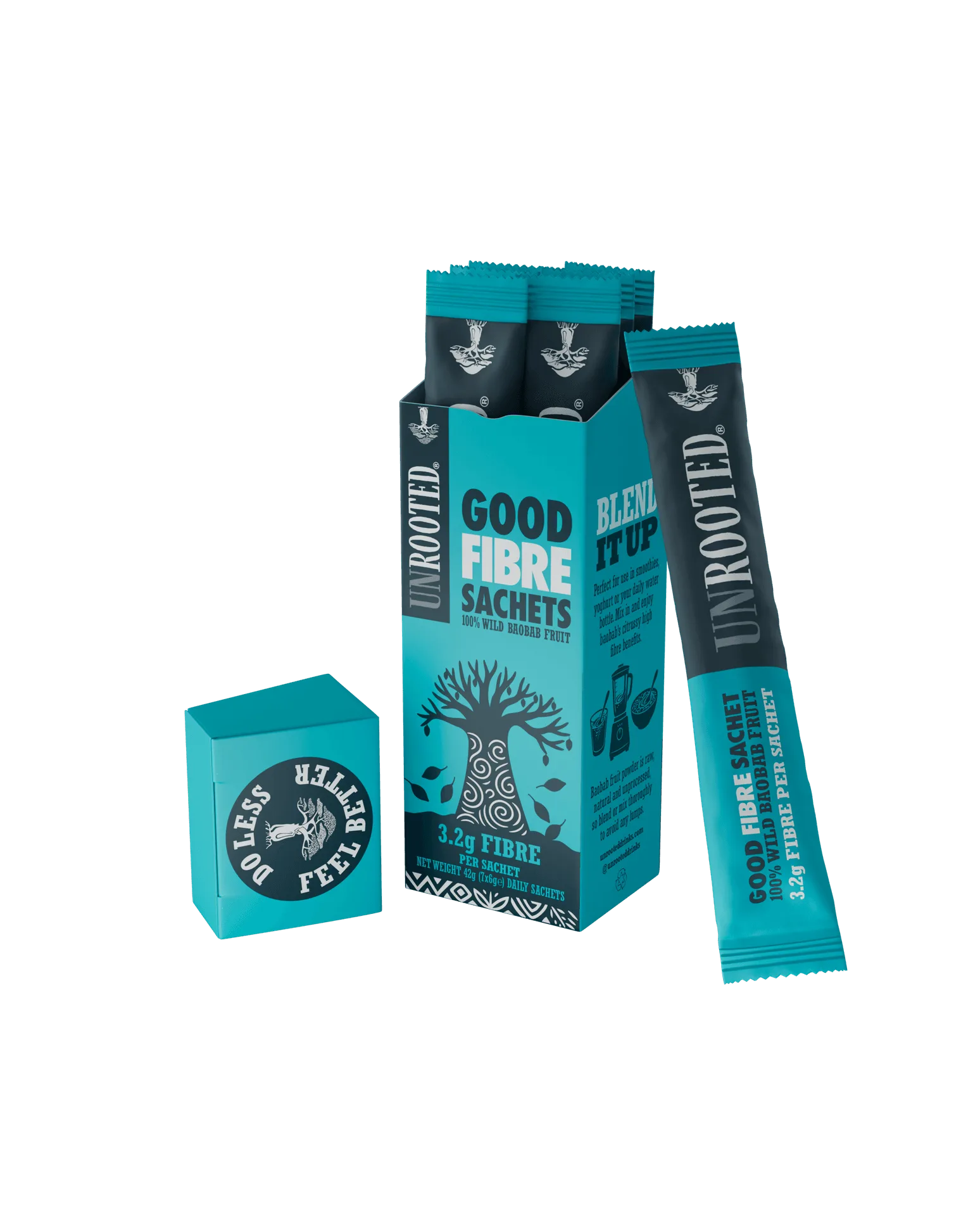
Good Fibre Baobab Fruit Powder Sachets
- Prebiotic fiber from baobab promotes a diverse and resilient microbiome.
- Baobab is a whole food ingredient with no artificial additives.
- Daily baobab consumption can improve regularity and reduce digestive discomfort.
Can You Take Baobab and Probiotics Together?
Absolutely. In fact, combining prebiotics and probiotics — known as synbiotics — can enhance the survival and activity of probiotic bacteria. If you choose to take probiotics, adding baobab to your diet can help those beneficial bacteria establish themselves more effectively. The prebiotic fiber acts as a delivery system and food source, making probiotics more potent.
For example, you could start your day with a probiotic supplement or fermented food, then enjoy a baobab shot later to feed the good bacteria. This synergistic approach may offer the best of both worlds, especially for those recovering from gut imbalances or looking to optimize their microbiome.
- Baobab can enhance the effectiveness of probiotics by providing food for them.
- A synbiotic approach (prebiotic + probiotic) may yield better results than either alone.
- Start with a small dose of baobab to see how your gut responds before combining.
How to Incorporate Baobab into Your Gut Health Routine
Adding baobab to your daily regimen is simple. You can stir a sachet of Good Fibre Baobab Fruit Powder into water, juice, or a smoothie. For a spicy twist, try Mighty Ginger, Chilli & Baobab — it's a warming, flavorful way to support digestion and metabolism. Start with one serving per day and gradually increase as your body adjusts to the extra fiber.
Consistency is key. Unlike probiotics that may require cycling or specific strains, baobab can be taken daily without worry. Over time, you'll likely notice improvements in bowel regularity, less bloating after meals, and a steady source of natural energy — all from a single, simple ingredient.
- Mix baobab powder into water, smoothies, or yogurt for a quick prebiotic boost.
- Try flavored options like ginger or turmeric for added variety and benefits.
- Drink plenty of water alongside baobab to help fiber work effectively.
While probiotics have their place in gut health, baobab offers a more foundational, sustainable approach by nourishing your existing microbiome with prebiotic fiber. It's gentle, versatile, and packed with additional nutrients that support overall wellness. If you're looking to improve your digestion and energy naturally, consider starting with a daily baobab shot. Explore our Good Fibre Baobab Fruit Powder Sachets to take the first step toward a happier gut.