When it comes to organizing tactical gear, the humble strap is an unsung hero. For years, traditional Velcro straps have been the go-to for bundling cables, securing gear, and attaching accessories. But a new contender has entered the arena: the BAP strap. Short for 'Belt Attachment Platform,' the BAP strap from Vertx is designed to be more versatile, durable, and adaptable than your average Velcro strap. In this comparison, we'll break down the differences and help you decide which is the better investment for your everyday carry (EDC) setup.
Whether you're a law enforcement officer, a weekend range enthusiast, or someone who just likes to stay organized, the choice between BAP straps and traditional Velcro straps can impact how efficiently you carry your gear. We'll look at material quality, attachment methods, load-bearing capacity, and overall versatility to see which strap truly earns its place in your kit.
What Are BAP Straps?
BAP straps are a modern take on the classic hook-and-loop fastener. The name stands for 'Belt Attachment Platform,' and they're designed to offer a more secure and flexible way to attach gear to your belt, pack, or other MOLLE-compatible surfaces. Unlike a standard Velcro strap that simply wraps around an object, BAP straps feature a unique design that allows them to be used in multiple configurations, making them a favorite among tactical users.
The key innovation is the use of a robust hook-and-loop material that is both strong and adjustable. This means you can use a BAP strap to secure a holster, attach a magazine pouch, or even manage cables, all with the same piece of gear. The versatility is unmatched, and it's this adaptability that sets BAP straps apart from traditional Velcro.
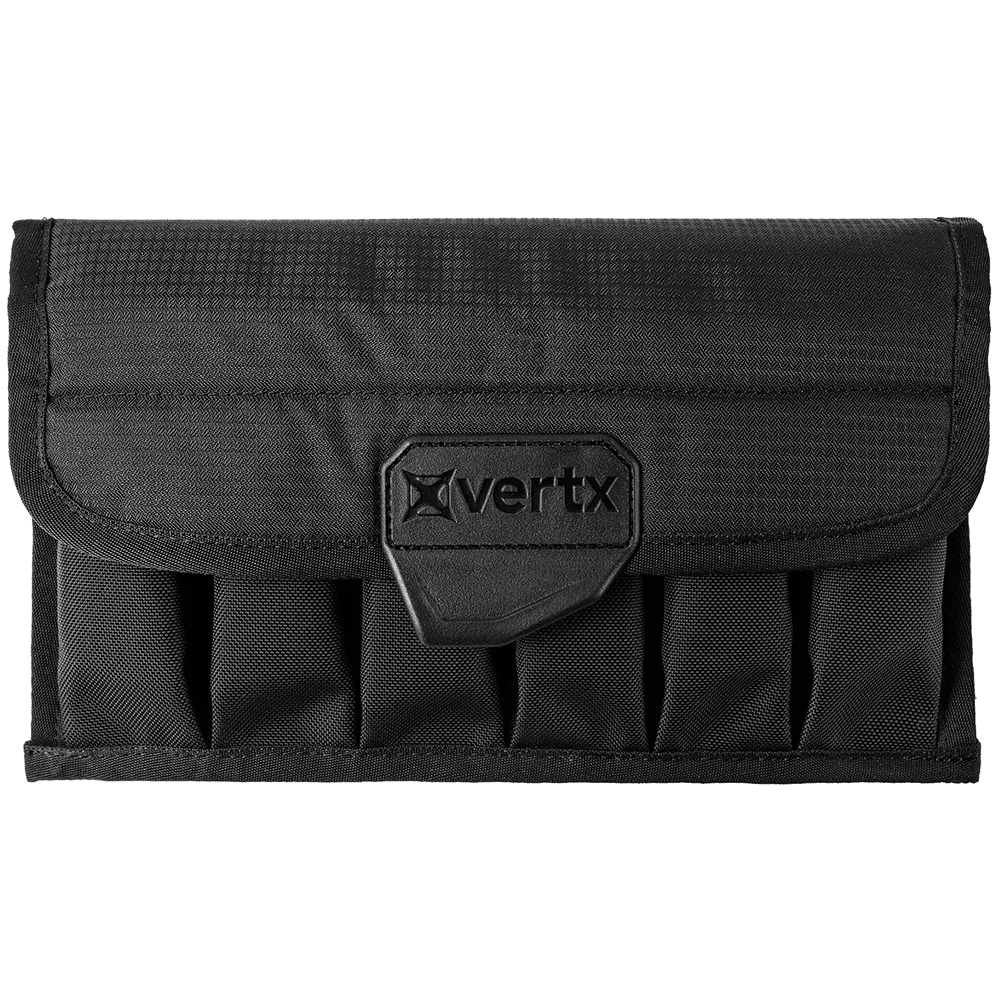
magazine pouch
- Designed for multiple attachment configurations
- High-strength hook-and-loop material
- Ideal for EDC, range, and tactical use
Material and Durability: BAP Straps vs. Velcro
When it comes to durability, not all straps are created equal. Traditional Velcro straps are often made from lightweight nylon and can wear out over time, especially if they're exposed to dirt, moisture, or heavy use. The hook-and-loop pile can lose its grip, and the strap itself may fray or tear under stress.
BAP straps, on the other hand, are constructed with high-quality materials that are built to last. They feature a reinforced weave and a stronger hook-and-loop interface that maintains its grip even after repeated use. This makes them a more reliable choice for demanding environments, whether you're at the range or out in the field. If you're looking for a strap that can handle serious weight and abuse, the BAP strap is the clear winner.
- BAP straps use reinforced materials for longer life
- Traditional Velcro may lose grip over time
- BAP straps are resistant to fraying and wear
Versatility in Everyday Carry
Versatility is where BAP straps truly shine. While traditional Velcro straps are essentially one-trick ponies—wrapping around objects—BAP straps can be used in a variety of ways. You can attach them to a belt loop, weave them through MOLLE webbing, or use them to secure a flashlight to a pack. The possibilities are endless, making them an essential tool for anyone who likes to customize their EDC.
For instance, you can use a BAP strap to secure a Sig Sauer 365/365XL RT Hand Modular Holster to a backpack strap for quick access. Or, you can use it to attach a Modular Laptop Sleeve to a bag for easy transport. The BAP strap's design allows for these creative solutions, whereas a traditional Velcro strap would struggle to provide the same level of security and adjustability.
- BAP straps can be used for holster retention, gear attachment, and cable management
- Traditional Velcro is limited to simple wrapping
- BAP straps allow for quick adjustments on the fly
Load-Bearing and Security
When you're carrying valuable gear, the last thing you want is for a strap to fail. Traditional Velcro straps can be prone to slipping, especially if the hook-and-loop material is worn or if the strap is subjected to lateral movement. This can be a safety hazard, particularly when securing a firearm or other heavy equipment.
BAP straps are designed with load-bearing in mind. The hook-and-loop interface is larger and more robust, providing a stronger hold that resists shifting and sliding. This makes them ideal for securing items like a holster or a tourniquet, where reliability is paramount. In a side-by-side test, BAP straps consistently outperformed traditional Velcro in terms of holding power and stability.
- BAP straps offer superior grip for heavy items
- Traditional Velcro may slip under lateral stress
- BAP straps are safer for securing firearms and medical gear
Practical Applications: Where Each Strap Excels
Both types of straps have their place in a tactical setup. Traditional Velcro straps are still useful for simple tasks like bundling cables or securing a rolled-up jacket to a pack. They're also more affordable and widely available, making them a good budget option for basic needs.
However, for more complex applications—like attaching a Firebase PCC Bandolier to a plate carrier or securing a Siege 35L Tactical Backpack to a rolling luggage handle—BAP straps are the superior choice. Their adjustability and strength make them perfect for dynamic situations where gear needs to be within arm's reach.
- Use traditional Velcro for simple bundling and temporary fixes
- Use BAP straps for permanent or high-stress attachments
- BAP straps are compatible with MOLLE and belt systems
In the battle of BAP straps vs. traditional Velcro, the BAP strap emerges as the more versatile and durable option. While traditional Velcro has its place for basic tasks, the BAP strap's superior materials, load-bearing capacity, and adaptability make it a worthwhile investment for anyone serious about their EDC. If you're looking to upgrade your gear organization, consider adding a BAP strap to your setup—you won't be disappointed.