When it comes to personal care, the choice between bar soap and liquid soap might seem trivial. But for anyone trying to reduce their environmental footprint, this everyday decision carries more weight than you'd think. From packaging waste to water consumption, the soap you pick can have a significant impact on the planet.
In this comparison, we'll break down the key differences between bar soap and liquid soap, focusing on their environmental footprints. We'll look at packaging, ingredients, water use, and even how they fit into a zero waste lifestyle. By the end, you'll have a clear idea of which option is more eco-friendly and how to make the switch if you haven't already.
Packaging: Plastic vs. Minimal
One of the most obvious differences between bar soap and liquid soap is the packaging. Liquid soap typically comes in plastic bottles, which are often not recycled due to contamination or lack of facilities. Even when recycled, plastic degrades in quality and can only be downcycled a few times before ending up in a landfill. In contrast, bar soap is usually wrapped in paper or cardboard, which is easily recyclable and compostable in many cases.
Moreover, bar soap is more concentrated than liquid soap, meaning it takes less packaging per use. A single bar of soap can last as long as two or three bottles of liquid soap, reducing the overall waste generated. For those looking to go plastic-free, bar soap is a clear winner. You can even find bar soaps that come in zero packaging or in reusable containers, such as the https://packagefreeypn.com/products/package-free-sustainable-package-free-x-jiggy-puzzles-306388Package Free Sustainable Package Free x Jiggy Puzzles, which encourages a playful approach to sustainability.
- Liquid soap: plastic bottle waste, often not recycled.
- Bar soap: minimal paper or cardboard packaging, easily recyclable.
- Bar soap lasts longer, reducing packaging per use.
Water Use and Carbon Footprint
Liquid soap contains up to 80% water, which means you're paying to ship water across the country. This adds to its carbon footprint because transporting heavy liquids requires more fuel than transporting lightweight bars. Bar soap, on the other hand, is water-free and compact, making it more efficient to transport and store.
Additionally, using liquid soap often leads to more water waste at the sink or shower. People tend to pump more liquid soap than needed, whereas bar soap naturally dispenses the right amount. Over time, this can save gallons of water. Plus, bar soap doesn't require the energy-intensive manufacturing process that liquid soap does, since it doesn't need to be bottled and pumped.
If you're looking to reduce your water and carbon footprint, bar soap is the more sustainable choice. You can even find bar soaps that are made with sustainable ingredients, like the Axiology Vegan Sustainable Lip to Lid Balmies - Set of 3, which are not only eco-friendly but also multi-purpose, further reducing your bathroom waste.
- Liquid soap is mostly water, increasing shipping weight and emissions.
- Bar soap is lightweight, reducing transport carbon footprint.
- Bar soap encourages less water waste during use.
Ingredients and Skin Health
When it comes to ingredients, both bar and liquid soaps can vary widely. However, liquid soaps often contain more preservatives and synthetic chemicals to maintain their liquid form and extend shelf life. Bar soaps, especially traditional ones, can be made with simpler, natural ingredients like olive oil, shea butter, and essential oils.
For those with sensitive skin, bar soap can be a gentler option, as it retains more of its natural glycerin, which is a humectant that draws moisture to the skin. In contrast, many liquid soaps remove glycerin and replace it with synthetic moisturizers that can sometimes cause irritation.
Choosing a high-quality bar soap with natural ingredients can be better for both your skin and the environment. Look for soaps that are palm-oil-free or use sustainably sourced palm oil, as palm oil production is a major driver of deforestation. By opting for eco-friendly soaps, you're supporting sustainable farming practices and reducing your exposure to harsh chemicals.
- Liquid soaps often contain more preservatives and synthetic additives.
- Bar soaps retain natural glycerin, which is better for skin.
- Choose bar soaps with sustainable ingredients to support eco-friendly practices.
Zero Waste Soap Options
If you're committed to a zero waste lifestyle, bar soap is the way to go. Many zero waste stores offer bar soaps that are completely package-free or wrapped in compostable paper. You can also find soap bars that come in reusable tins, which are perfect for travel and storage.
Beyond soap, you can extend your zero waste routine to other personal care products. For example, instead of using liquid shampoo, consider shampoo bars. Instead of disposable razors, use a safety razor. And for your daily coffee fix, opt for a reusable cup like the Package Free Plastic Free Coffee Cup, which helps reduce single-use plastic waste.
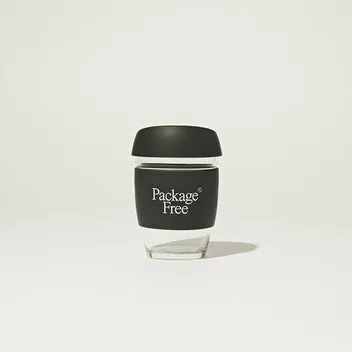
Package Free Plastic Free Coffee Cup
Making the switch to bar soap is a simple yet impactful change. It reduces plastic waste, saves water, and often supports small businesses that prioritize sustainability. Plus, you can find a variety of scents and formulations that cater to your preferences, making the transition enjoyable.
- Look for package-free or compostable-wrapped bar soaps.
- Consider other zero waste swaps like shampoo bars and reusable cups.
- Bar soap is a small change with a big environmental impact.
In the battle of bar soap vs liquid soap, bar soap is the clear winner for the environment. It uses less packaging, less water, and fewer resources to produce and transport. Plus, it's often better for your skin. Making the switch to bar soap is a simple step you can take today to reduce your plastic waste and live more sustainably. So next time you're shopping for soap, reach for a bar—your skin and the planet will thank you.