Quick Answer
For court play, basketball glasses with a sturdy acetate frame and ventilated design offer better impact protection, while sports sunglasses with polycarbonate lenses and adjustable nose pads suit cycling and outdoor training.
Why Frame Width and Lens Height Matter
Frame width and lens height affect how well glasses stay put during fast movements. A wider frame (145 mm) provides more coverage and stability for broader faces, while a narrower frame (138 mm) suits those with a smaller head. Lens height (32 mm) is consistent across these models, offering a moderate vertical field of view—adequate for both court and road, but not a full wraparound shield.
Ventilation and Lens Protection
Both basketball glasses and cycling sunglasses benefit from ventilated frames, which reduce fogging during intense activity. Polycarbonate lenses are impact-resistant and offer 100% UV protection, making them suitable for outdoor play and riding. However, basketball glasses prioritize impact resistance for the court, while cycling sunglasses emphasize aerodynamic fit and wind protection.
Trade-offs to Consider
- Impact Protection vs. Aerodynamics: Basketball glasses are built for impact resistance with polycarbonate lenses and a sturdy frame, while sports sunglasses often prioritize aerodynamic shapes and wind protection for cycling. Choose basketball glasses for court play; choose sports sunglasses for fast riding.
- Frame Width and Fit: A wider frame (145 mm) offers more coverage and stability for broader faces, while a narrower frame (138 mm) suits smaller heads. Measure your face or try both to see which feels secure. Frame width is a key fit factor—don't skip the measurement.
- Ventilation vs. Full Coverage: Ventilated frames reduce fogging but may let in more wind or dust. For cycling, you might prefer a more enclosed design; for basketball, ventilation is a priority. Consider your primary sport's environment when choosing ventilation level.
Product Facts
-
Andrew Rectangle Acetate Basketball Glasses: This basketball glasses model features a polycarbonate lens with 100% UV protection and a ventilated frame, with a lens width of 54 mm and frame width of 138 mm. The narrower frame offers a snug fit for smaller faces, and the ventilated design reduces fogging during intense court play.
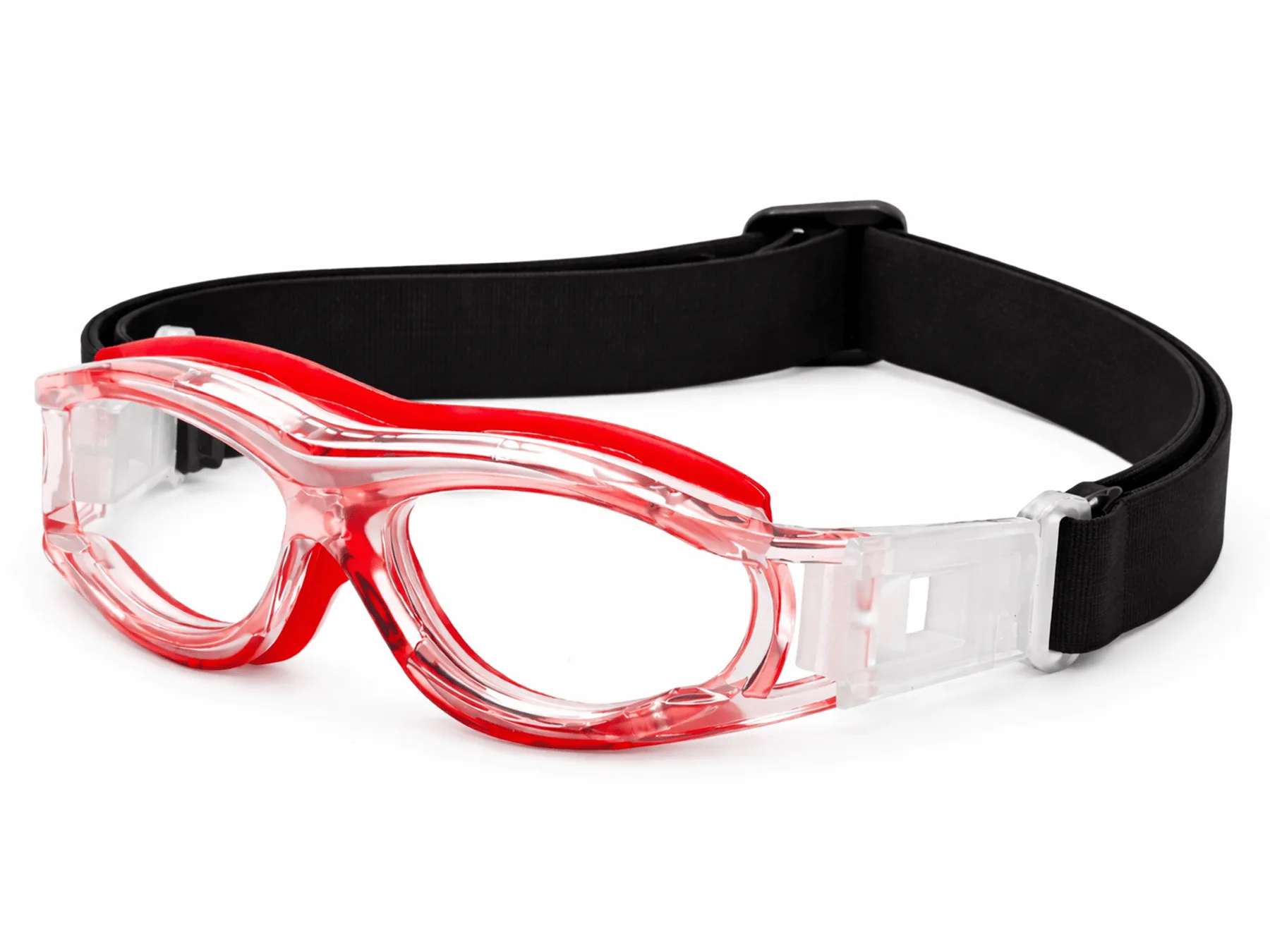
Andrew Rectangle Acetate Basketball Glasses
-
Nolan Rectangle Acetate Basketball Glasses: This basketball glasses model also has polycarbonate lenses and a ventilated frame, but with a wider frame width of 145 mm and a longer temple length of 350 mm. The wider frame provides more coverage and stability for broader faces, making it a better option for those who need extra grip during high-impact sports.
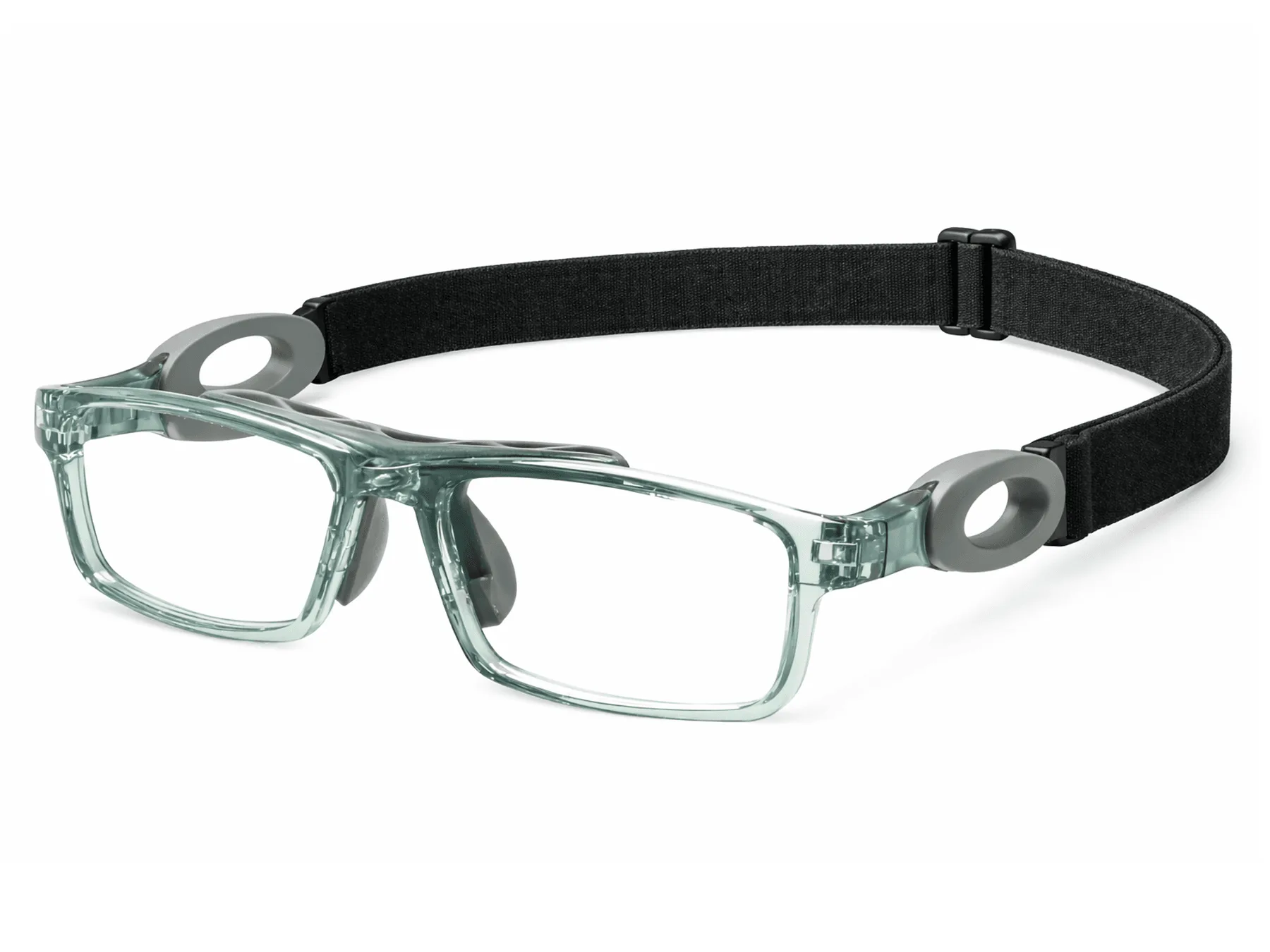
Nolan Rectangle Acetate Basketball Glasses
Which Should You Choose?
Best For
- Basketball players who need impact-resistant eyewear with a secure fit for court play.
- Cyclists who want a lightweight, ventilated frame with 100% UV protection for sunny rides.
Not For
- Riders who need a full wraparound shield for maximum wind and dust protection.
- Players who require prescription lenses—these models are not available with prescription options.