Quick answer
For most families, a bassinet is the simpler choice for the first few months because it keeps a newborn sleep space small, portable, and close to your bed. Choose a playard with bassinet instead if you want one product that can handle naps, travel, and supervised play as your baby grows. If you are short on floor space or plan to room-share long-term, a bassinet is usually the better first purchase.
What a bassinet does well for a newborn sleep space
A bassinet is designed for one job: giving a newborn a compact, close sleep space. That narrow focus is its strength. It takes up less floor space than a full playard, so it fits beside most adult beds without blocking a walking path. Because it is small, you can keep it within arm's reach for night feedings and still have room for a nightstand or a diaper caddy.
The trade-off is time. Most babies outgrow a bassinet by the time they can roll over, push up, or sit, which often happens well before the first birthday. If you buy a bassinet, plan for a second sleep product later. Some bassinets include a portable bassinet feature or a removable top, which can extend usefulness, but the core limitation stays the same: it is a short-term sleep space, not a long-term bed.
When a playard with bassinet is the better buy
A playard with bassinet gives you two products in one: an elevated sleep level for a newborn and a lower, enclosed play space for an older baby. That combination is useful if you want to avoid buying a separate bassinet and a separate play yard. It is also the more practical choice if you travel, visit grandparents, or need a safe spot to set your baby down while you cook or shower.
The catch is footprint and setup. A playard is larger and heavier than a bassinet, so it may not fit in a small bedroom or a narrow apartment. Many playards also require assembly and disassembly for travel, which adds time and effort. If you rarely leave home and your bedroom is tight, a bassinet is the easier daily solution. If you want one product that adapts to more rooms and more stages, the playard with bassinet is the stronger value.
Bassinet vs. crib for newborn sleep space
A crib is the long-term sleep space, but it can feel oversized for a newborn in the first weeks. Many parents use a bassinet in their room and keep a crib in the nursery for later. That two-stage approach follows common safe-sleep guidance to room-share without bed-sharing, and it keeps night feedings simple.
If you want to skip the bassinet stage entirely, a convertible crib or a playard with bassinet can serve from the start. Just check the weight and height limits on the bassinet insert, because those limits often arrive sooner than parents expect. When your baby reaches them, move to the crib or the lower playard level.
Portable bassinet benefits and travel realities
Portable bassinet benefits show up most when you move between rooms or sleep away from home. A lightweight bassinet with a carry handle or a folding frame can go from bedroom to living room to a grandparent's house without a full setup. That convenience matters in the first months, when a baby naps several times a day.
A playard can also travel, but it usually takes more steps and more trunk space. If your trips are frequent and short, a portable bassinet is easier. If your trips are longer and you need a sleep space plus a play space, a playard with bassinet earns its space. Neither option replaces a firm, flat sleep surface with a tight-fitting sheet, so check that the mattress or insert you use is the one made for that product.
Decision rules for choosing a bassinet or playard
- Rule 1: Choose a bassinet if your bedroom is tight: Measure the space beside your bed before you buy. A bassinet needs less floor space than a playard, so it fits narrow rooms and keeps a clear path to the door. Best for room-sharing in a small space.
- Rule 2: Choose a playard with bassinet if you want one product for sleep and play: A playard with bassinet gives you an elevated newborn sleep level and a lower play space. That means fewer products to store and one setup to learn. Best for travel, grandparents' houses, and multi-use rooms.
- Rule 3: Plan for the next stage before you buy: Bassinets are outgrown when a baby rolls, pushes up, or sits. If you want to avoid a second purchase soon, look for a playard with bassinet or go straight to a crib. Check weight and height limits on the insert, not just the product name.
- Rule 4: Match the product to your travel habits: If you travel often and light, a portable bassinet is easier to move. If you need a sleep space plus a contained play area away from home, a playard with bassinet does more per trip. Frequent short trips favor a portable bassinet; longer stays favor a playard.
Product facts that affect your decision
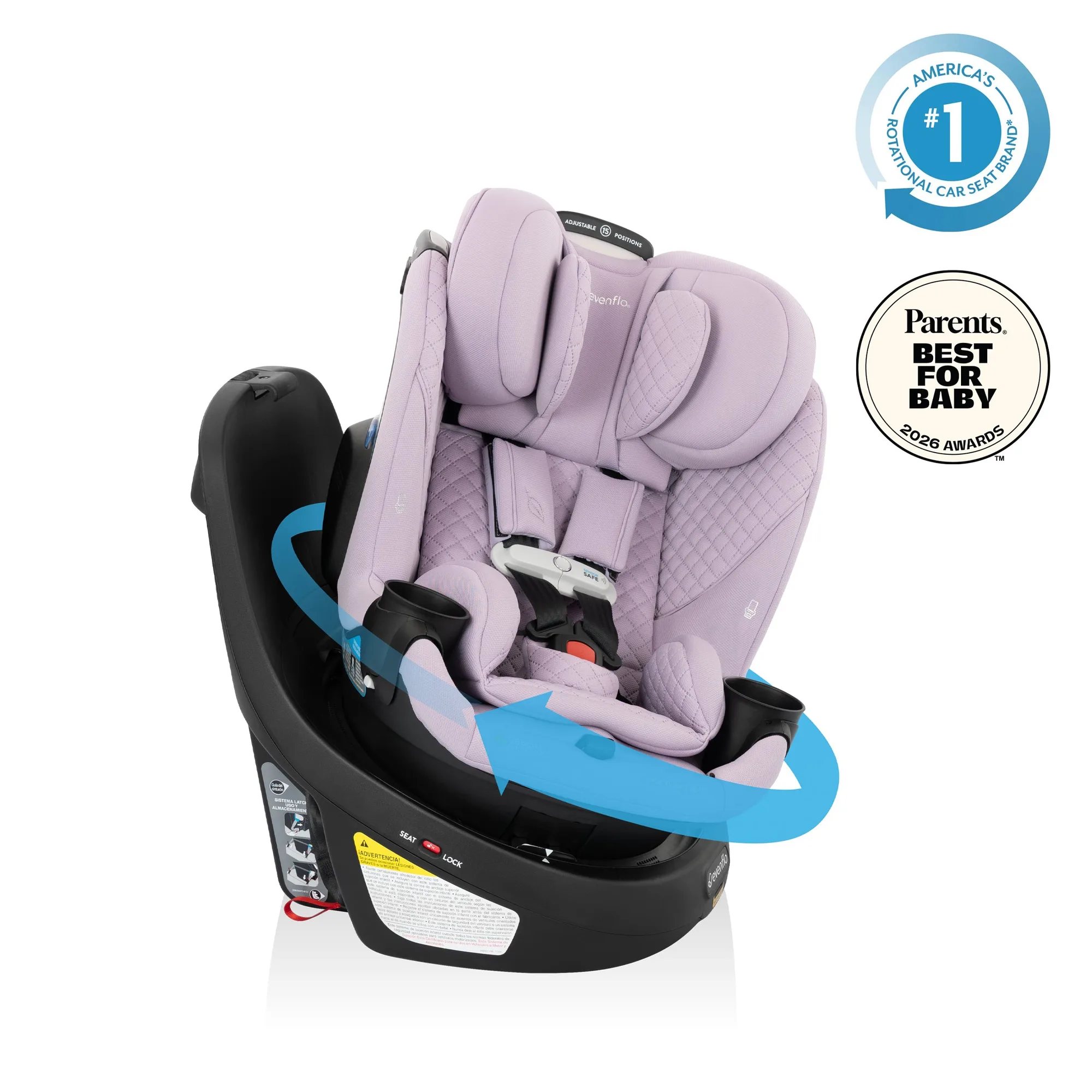
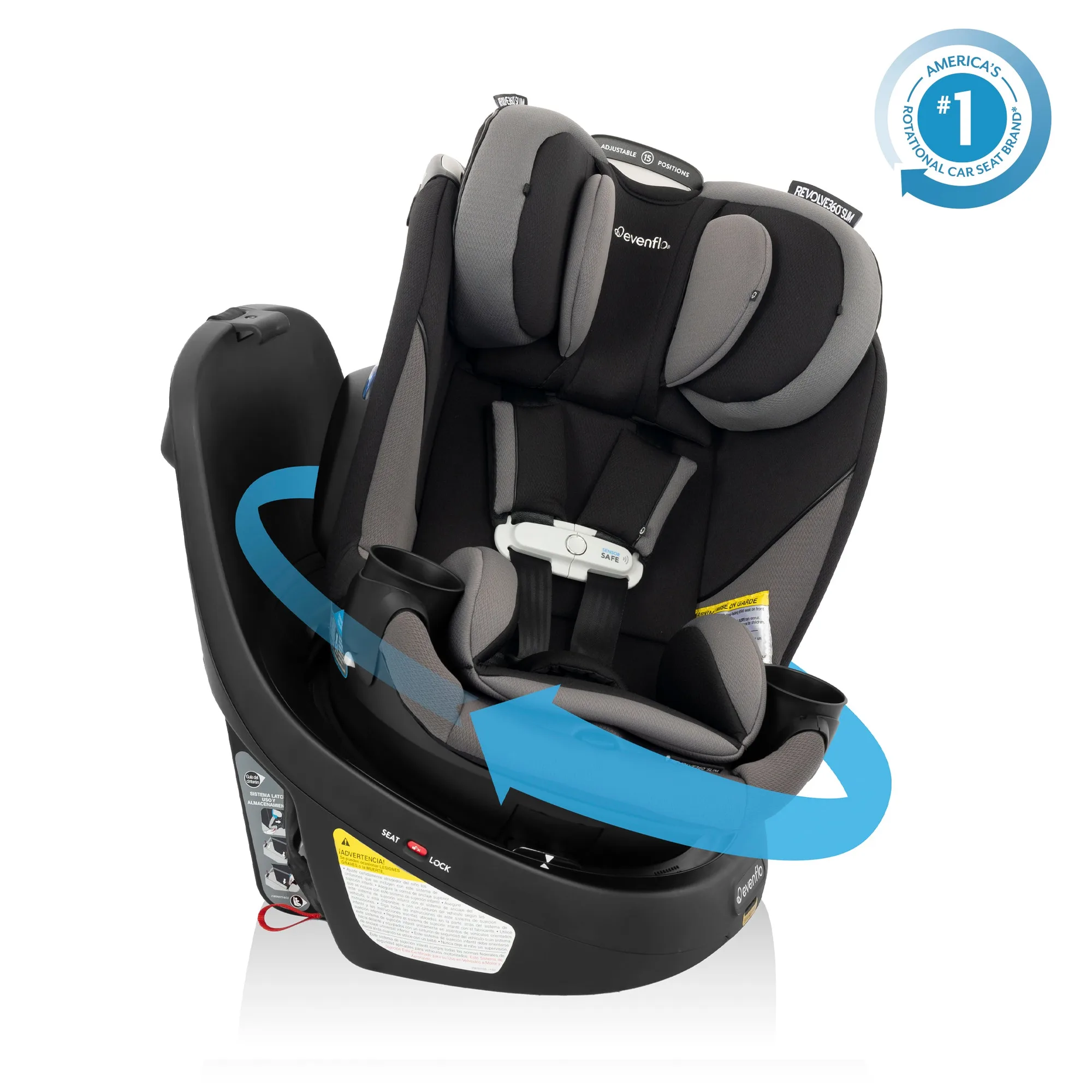
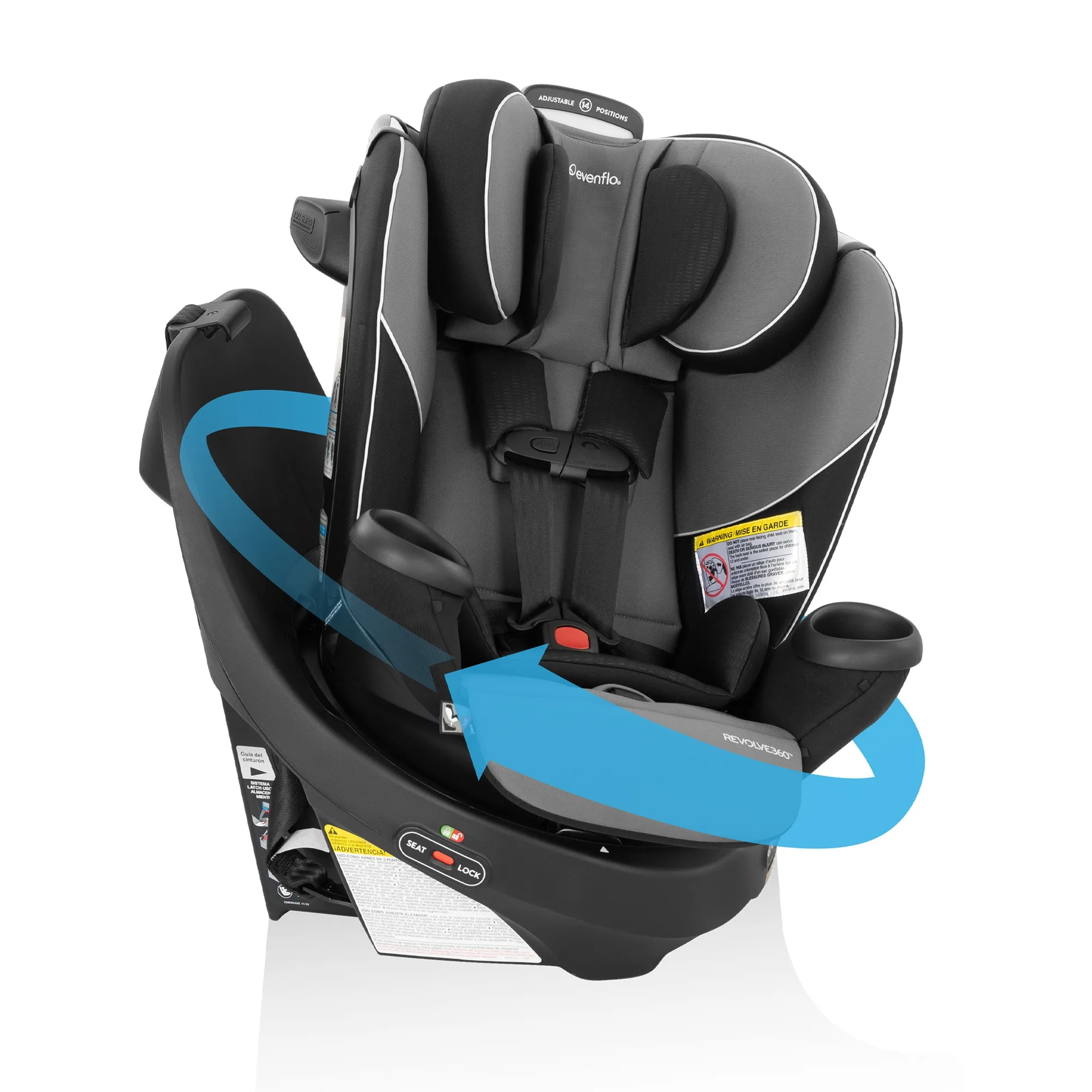
- All4Stages Slim 4-in-1 Convertible Car Seat: The All4Stages Slim 4-in-1 Convertible Car Seat is designed to be used from birth to booster and allows you to transfer it between family cars or rentals. If you plan to move a car seat between vehicles often, this reduces the need for a second seat and keeps the newborn stage covered.
- Pivot Xplore Stroller Wagon Toddler Second Stroller Seat Support: The Pivot Xplore Stroller Wagon Toddler Second Stroller Seat Support adds a secure second seat for a child up to 55 lb and keeps that child closer to you at an elevated level. If you already use a Pivot Xplore wagon, this accessory adds seating flexibility without replacing the wagon.
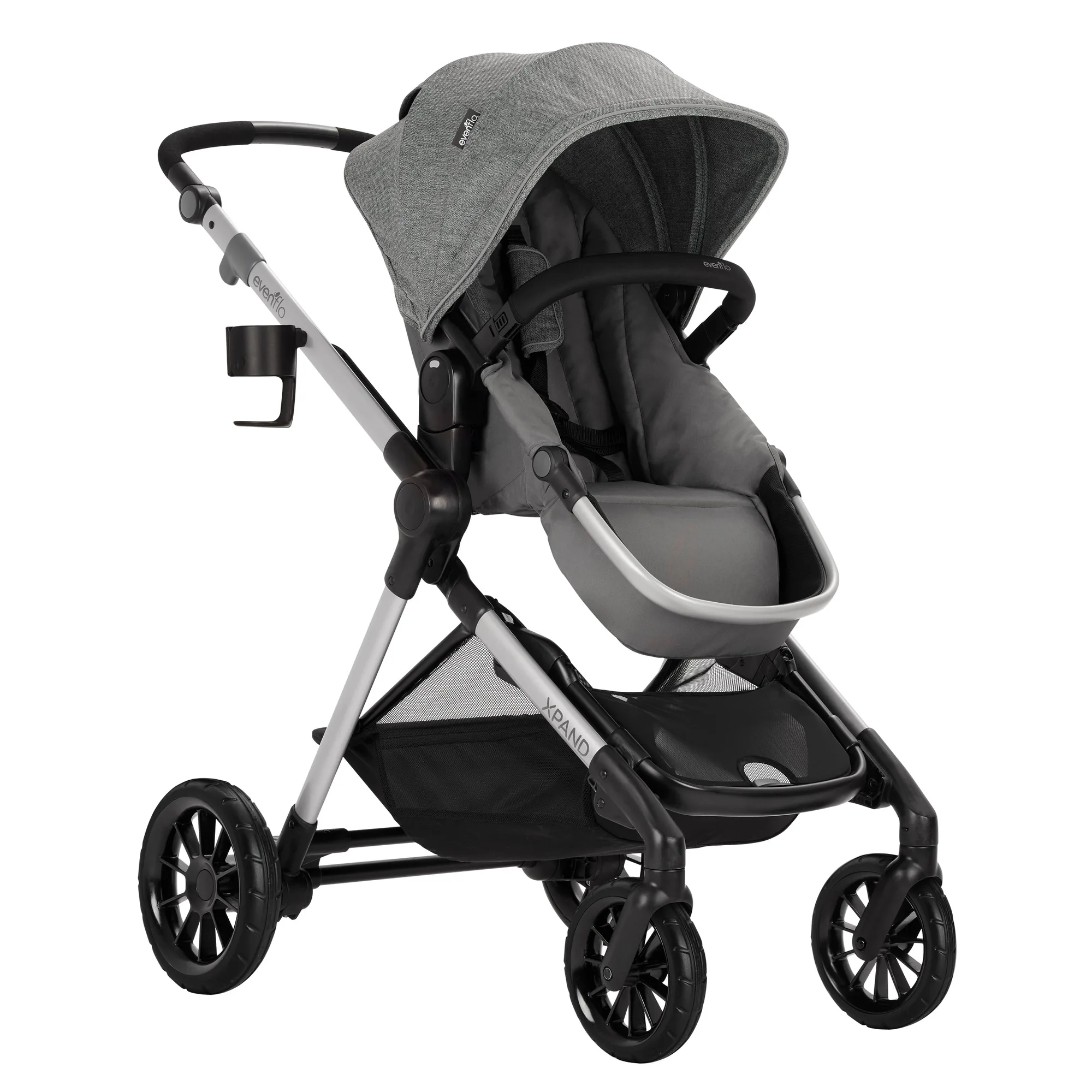
- Transformer Stroller to Wagon: The Transformer Stroller to Wagon transitions from stroller to wagon with no additional parts required and offers 6 modes of use. If you want one push product that can change as your family grows, this replaces the need for separate stroller and wagon purchases.
Which option fits your family
Best for
- Parents with a small bedroom who want a newborn sleep space within arm's reach
- Families who plan to room-share for the first few months and buy a crib later
- Caregivers who want a lightweight, portable bassinet for naps and overnight visits
Not for
- Parents who want one product to last from newborn through toddler play
- Families who need a larger enclosed play space in addition to sleep
- Shoppers who prefer to skip the bassinet stage and go straight to a crib