Quick Answer
For the first months, choose a bassinet if your priority is keeping your newborn within arm's reach for night feedings and you have a fixed sleep spot. Choose a playard with a bassinet insert if you need one portable piece of gear that can travel, move between rooms, and later become a contained play space. Many families end up using both at different stages, but if you must pick one for day one, match it to how much you move around.
What Each Option Actually Does in the First Months
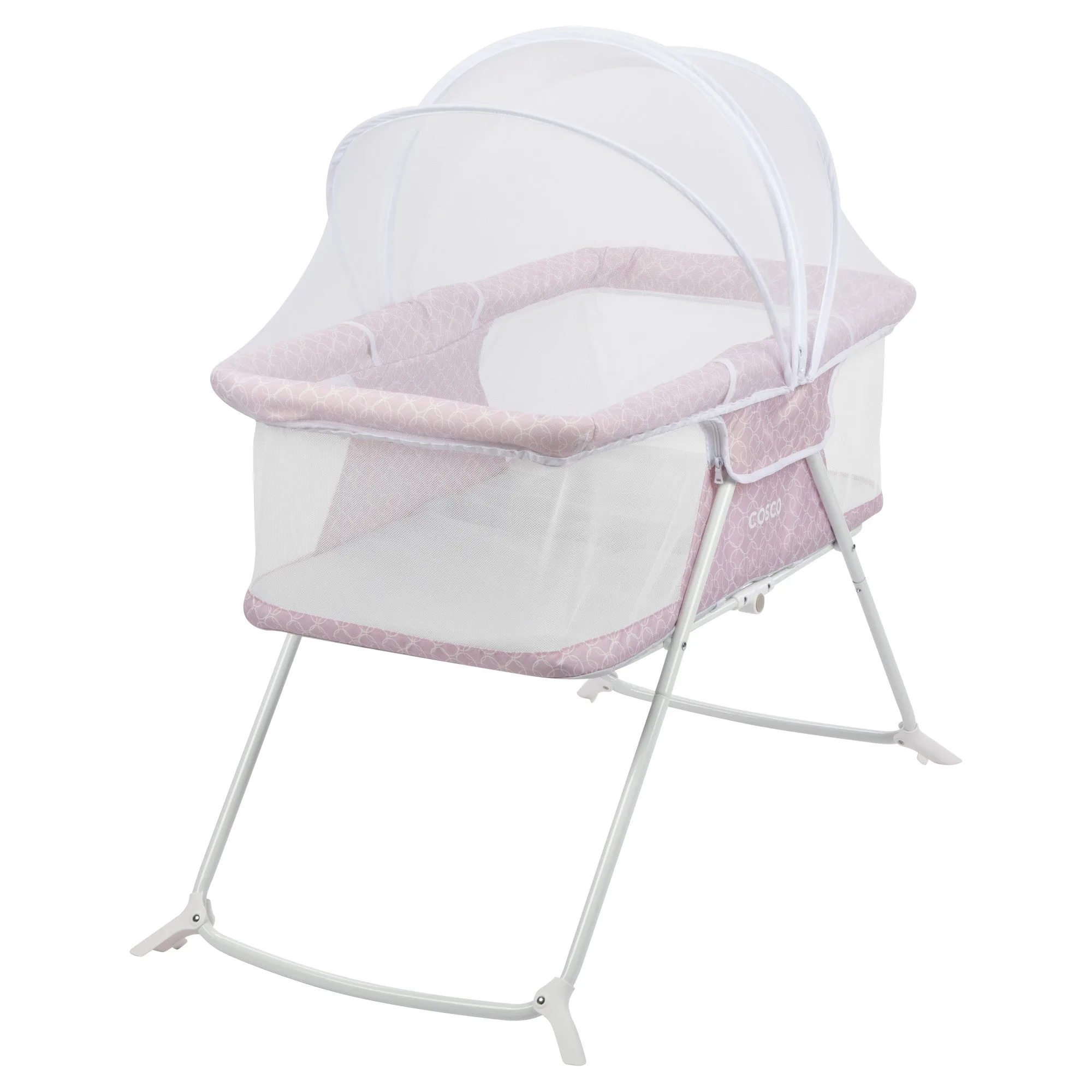
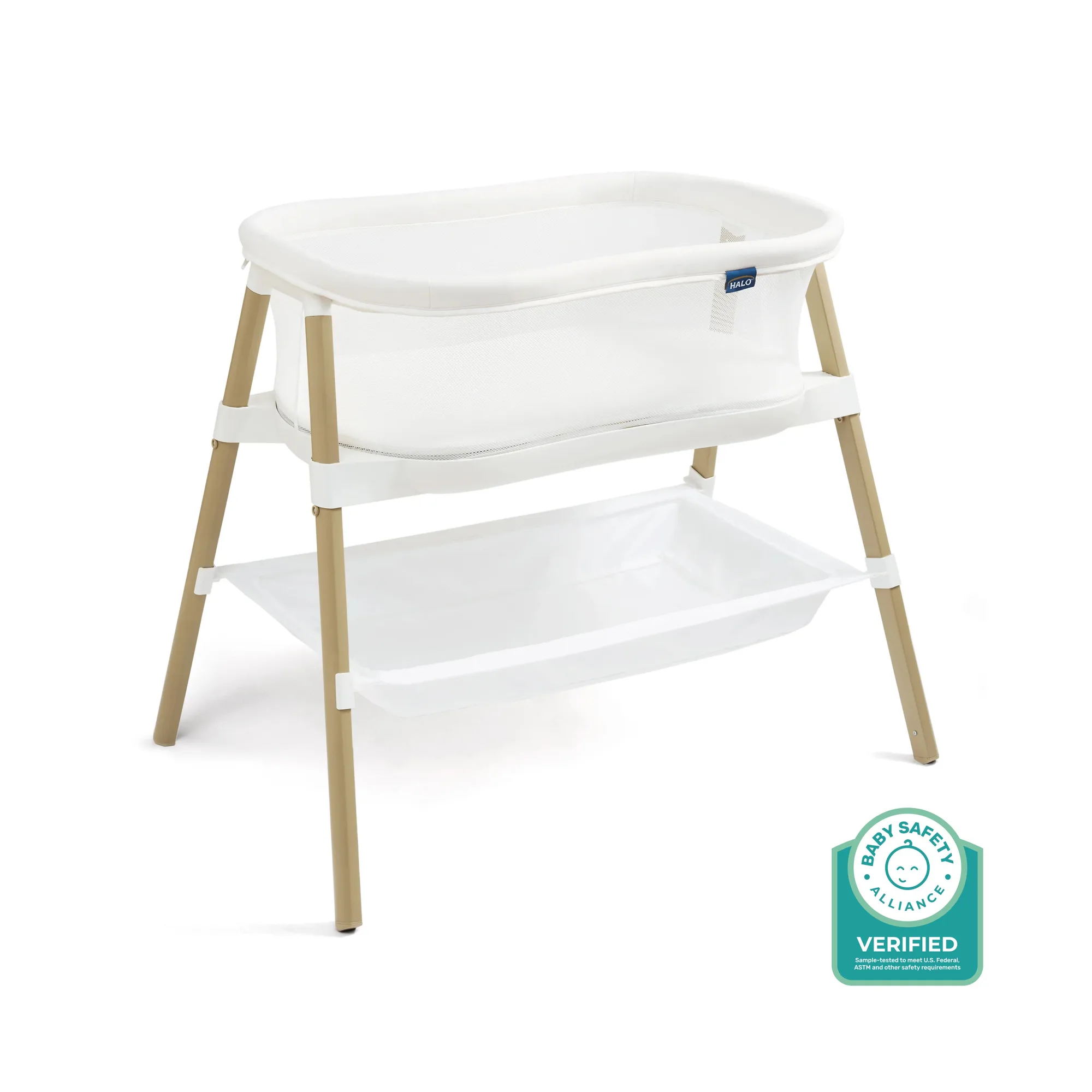
A bassinet is a small, dedicated sleep space designed for newborns. Its main advantage is proximity: you can place it beside your bed so you can reach your baby for night feeds without fully waking. Because it is small, it also fits into tight bedrooms where a full crib would crowd the room.
A playard is a larger, multi-purpose enclosure. Many playards include a bassinet insert, which raises the sleep surface so you can lay a newborn down without bending as far and keep them contained in a familiar space. Once your baby outgrows the insert, the playard remains useful as a safe play yard or travel bed. The trade-off is size and setup: a playard takes up more floor space and usually requires assembly each time you move it.
How to Compare Without Overbuying
Start with your nighttime routine. If you plan to room-share for the first six months, a bassinet that sits flush with your bed height reduces middle-of-the-night friction. If you split nights between rooms or travel often, a playard with a bassinet insert means you can replicate the same sleep setup wherever you are.
Next, measure your space. A bassinet footprint is typically smaller, so it can slide into a gap beside the bed or a corner. A playard needs a clear rectangle of floor space and enough room to open and close it. If your bedroom is tight, you may prefer a bassinet for nights and a playard for the living room during the day.
Finally, think about longevity. A bassinet is outgrown when your baby starts to roll or push up, often around three to four months. A playard can stay in service for years as a playpen or travel sleep space. That longer lifespan is a real value, but only if you have somewhere to store it when it is not in use.
Safety and Setup Basics That Apply to Both
Whether you choose a bassinet or a playard, the safe-sleep rules are the same: place your baby on their back on a firm, flat surface with no loose bedding, pillows, or toys. Always use the manufacturer's original mattress or insert and follow the weight and age limits for any bassinet insert. Never add a second mattress or soft padding to make a surface more comfortable.
For playards, check that the bassinet insert is fully locked into place before each use and that the frame is stable. For bassinets, keep the sleep area clear and make sure any rocking or soothing features are locked or turned off when your baby is unattended. If you are unsure whether a specific product is suitable for overnight sleep, check the product manual rather than guessing.
Trade-Offs at a Glance
- Proximity vs. portability: A bassinet keeps your newborn within arm's reach for night feedings, which can mean less disruption for both of you. A playard with a bassinet insert is easier to move from room to room or take on trips, but it takes longer to set up and takes up more floor space. If you room-share every night, prioritize a bassinet. If you need one sleep space that travels, prioritize a playard.
- Short-term sleep vs. long-term use: A bassinet is typically used only until your baby shows signs of rolling or reaching the weight limit, often within the first few months. A playard can later serve as a playpen or travel bed, so it earns its space over a longer period. A bassinet is a focused purchase; a playard is a multi-stage one. Decide which kind of value matters more to you.
- Footprint vs. features: Bassinets are small and often include soothing features like rocking or vibration, but they do not convert into anything else. Playards are larger and may include a bassinet insert, changing station, or storage, but those extras add bulk and setup steps. Measure your room before buying. If space is tight, a bassinet plus a separate playard for daytime may work better than one large unit.
Product Facts
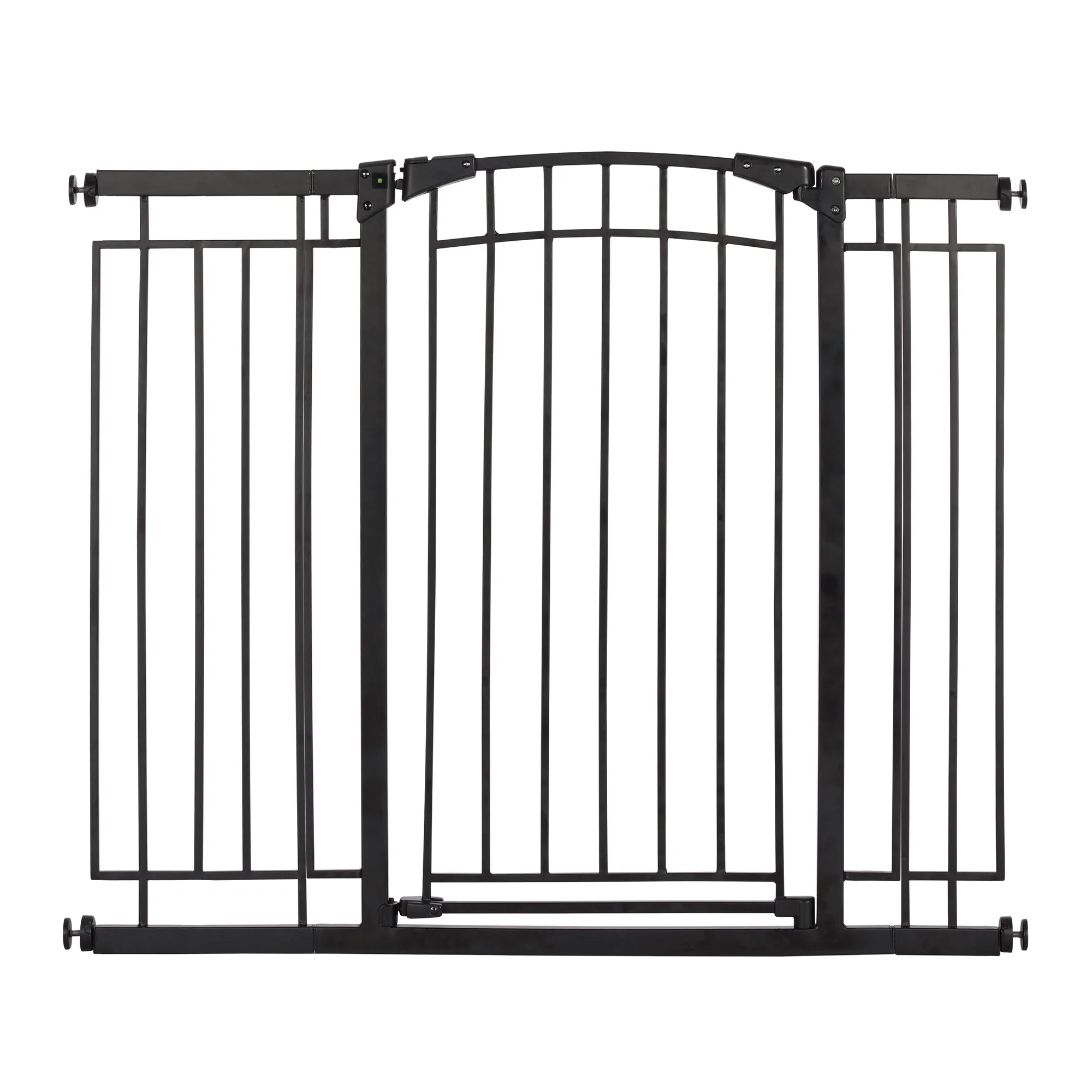
- Multi-Use Décor Tall Walk-Thru Baby Gate Support: The Evenflo Multi-Use Décor Tall Walk-Thru Baby Gate can be pressure-mounted or hardware-mounted and is designed for multiple locations, including the top of stairs. Once your baby becomes mobile, a gate like this helps you contain the playard or bassinet zone without blocking your whole home. The hardware-mount option is the one to use at the top of stairs.
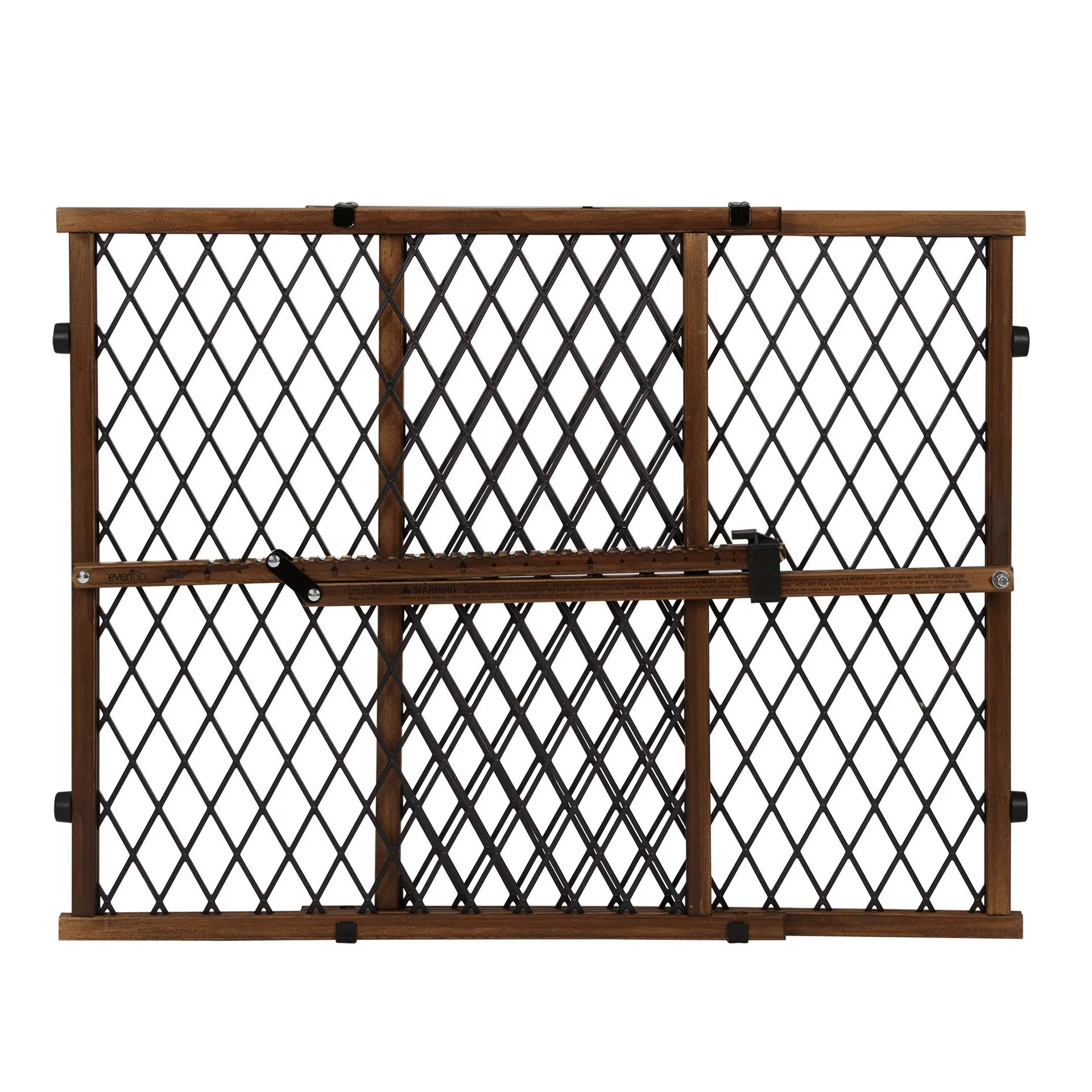
- Position & Lock Adjustable Wood Baby Gate: The Evenflo Position & Lock Adjustable Wood Baby Gate is a lightweight, pressure-mounted gate that fits openings 26 in. to 42 in. wide and stands 23 in. tall. This is a practical, low-cost way to block a doorway to the room where you keep the bassinet or playard. Because it is pressure-mounted and short, treat it as a room divider, not a stair gate.
Which Should You Choose?
Best for
- Parents who plan to room-share and want the baby within arm's reach at night
- Small bedrooms where a full crib or playard would not fit comfortably
- Families who want a dedicated, simple sleep space for the first few months
Not for
- Parents who need one piece of gear that travels easily and doubles as a play space
- Families who want a sleep product that will last beyond the first few months
- Caregivers who prefer a larger, more enclosed area for daytime supervision