You step out of the shower, ready to start your day, only to see a small puddle of water lingering around your feet. You wait a few seconds, but the water barely moves. Your bathtub drain is clogged again—and it seems to happen every time you wash your hair. If this sounds familiar, you’re not alone. Bathtub drain clogs after showers are one of the most common plumbing frustrations homeowners face, and they’re almost always caused by the same culprit: hair.
The good news is that you don’t need harsh chemicals or an expensive plumber to fix the problem. In this guide, we’ll break down exactly why your bathtub drain keeps clogging after you shower, and—more importantly—show you how to prevent and fix it using simple, effective tools like a bathtub hair catcher and a drain snake. By the end, you’ll have a clear drain and a lot less stress.
Why Does My Bathtub Drain Clog After Every Shower?
The main reason bathtub drains clog after showers is hair. When you wash your hair, loose strands naturally fall out and get swept down the drain. Over time, these strands tangle together and mix with soap scum, body oils, and mineral deposits from hard water. This sticky, fibrous mass builds up inside the pipe, gradually narrowing the passage until water can barely flow through.
Even if you have short hair or use a drain cover, microscopic hair fragments and skin cells still make their way into the drain. Without a proper barrier, these particles accumulate day after day. The result is a slow drain that eventually stops completely—often right after your shower. Other contributors include thick shampoo residue, hard water scale, and small debris like cotton fibers from washcloths.
- Hair is the number one cause of bathtub clogs—it tangles and traps other debris.
- Soap scum and body oils bind hair together, creating a dense plug.
- Hard water minerals can accelerate buildup, making clogs harder to remove.
The Easiest Fix: Use a Bathtub Hair Catcher
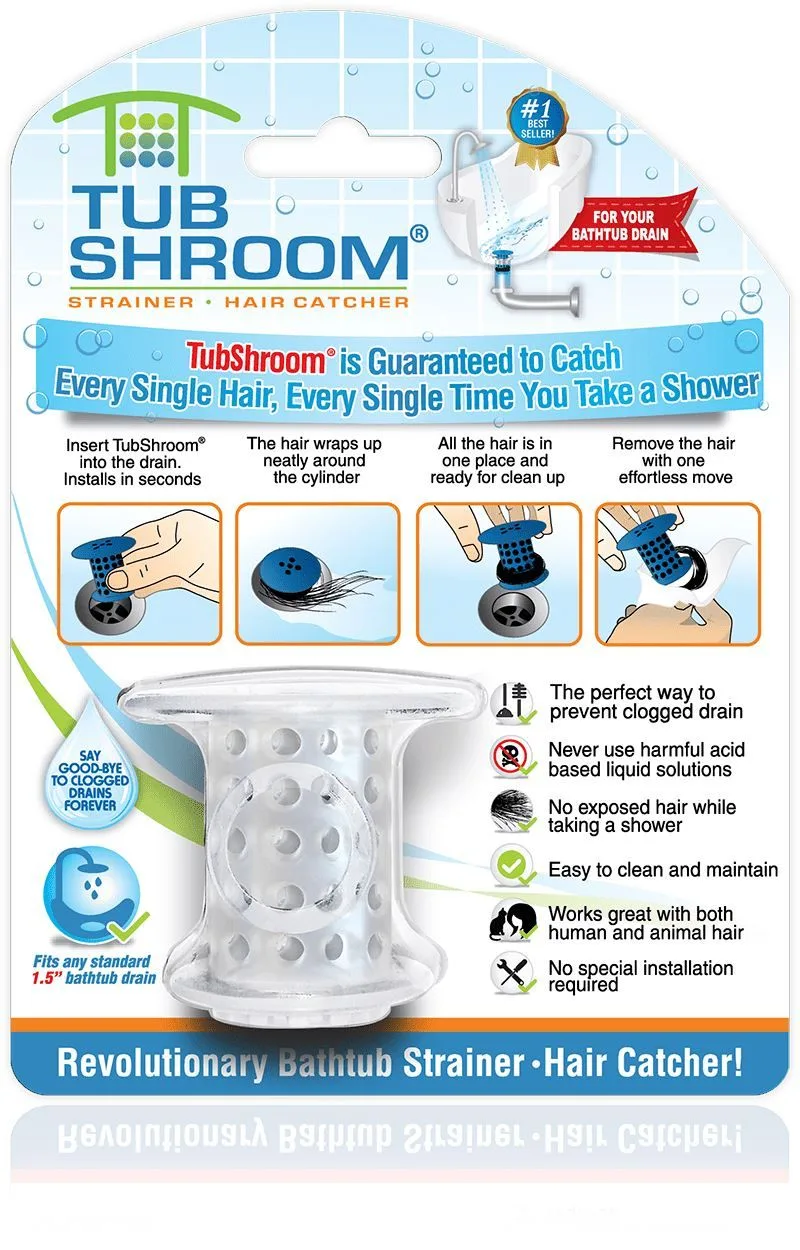
The simplest and most effective way to prevent bathtub drain clogs after showers is to install a high-quality bathtub hair catcher. These devices sit directly over or inside your drain opening and catch hair before it ever enters the pipe. Unlike cheap plastic strainers that pop out or let hair slip through, a well-designed hair catcher traps every strand and is easy to clean.
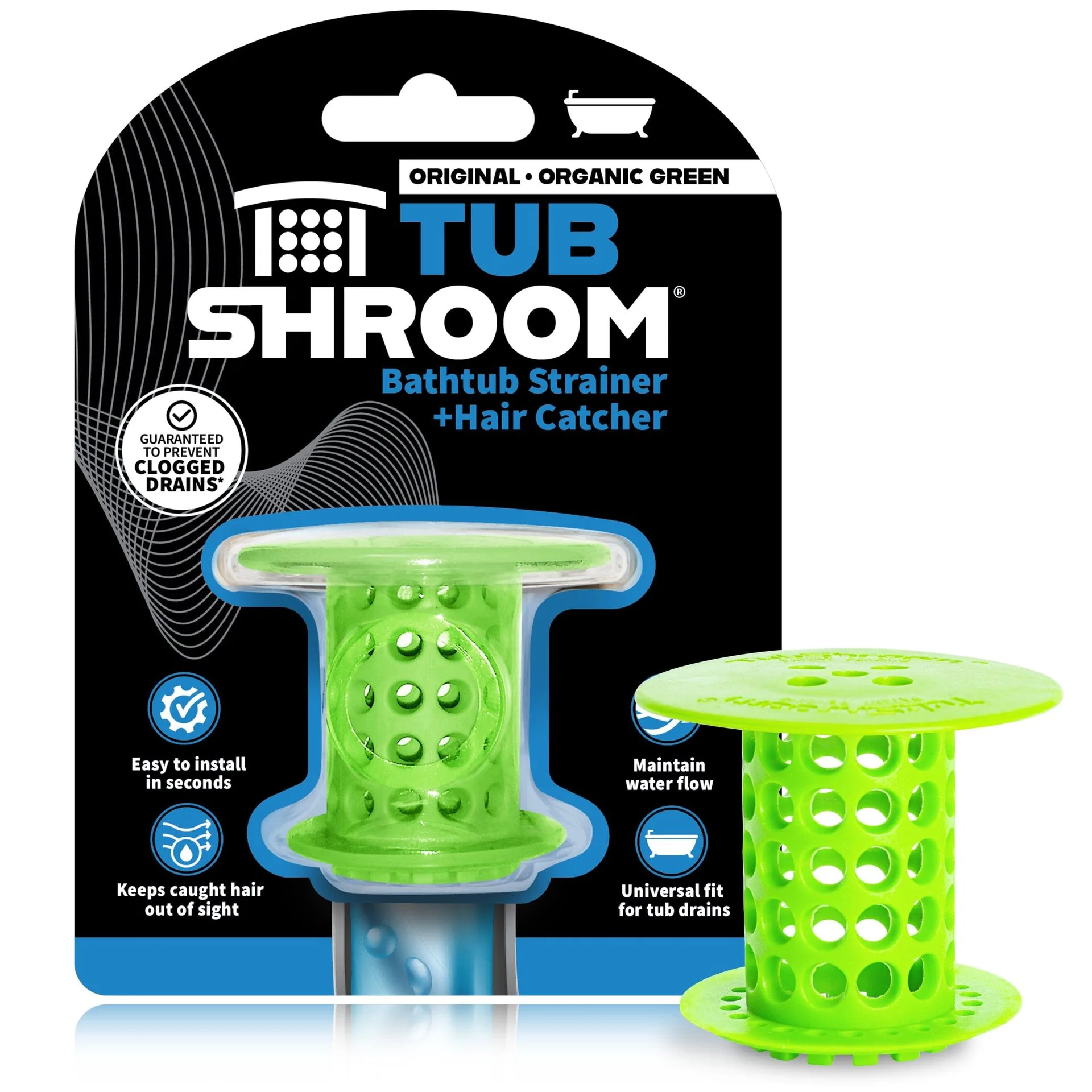
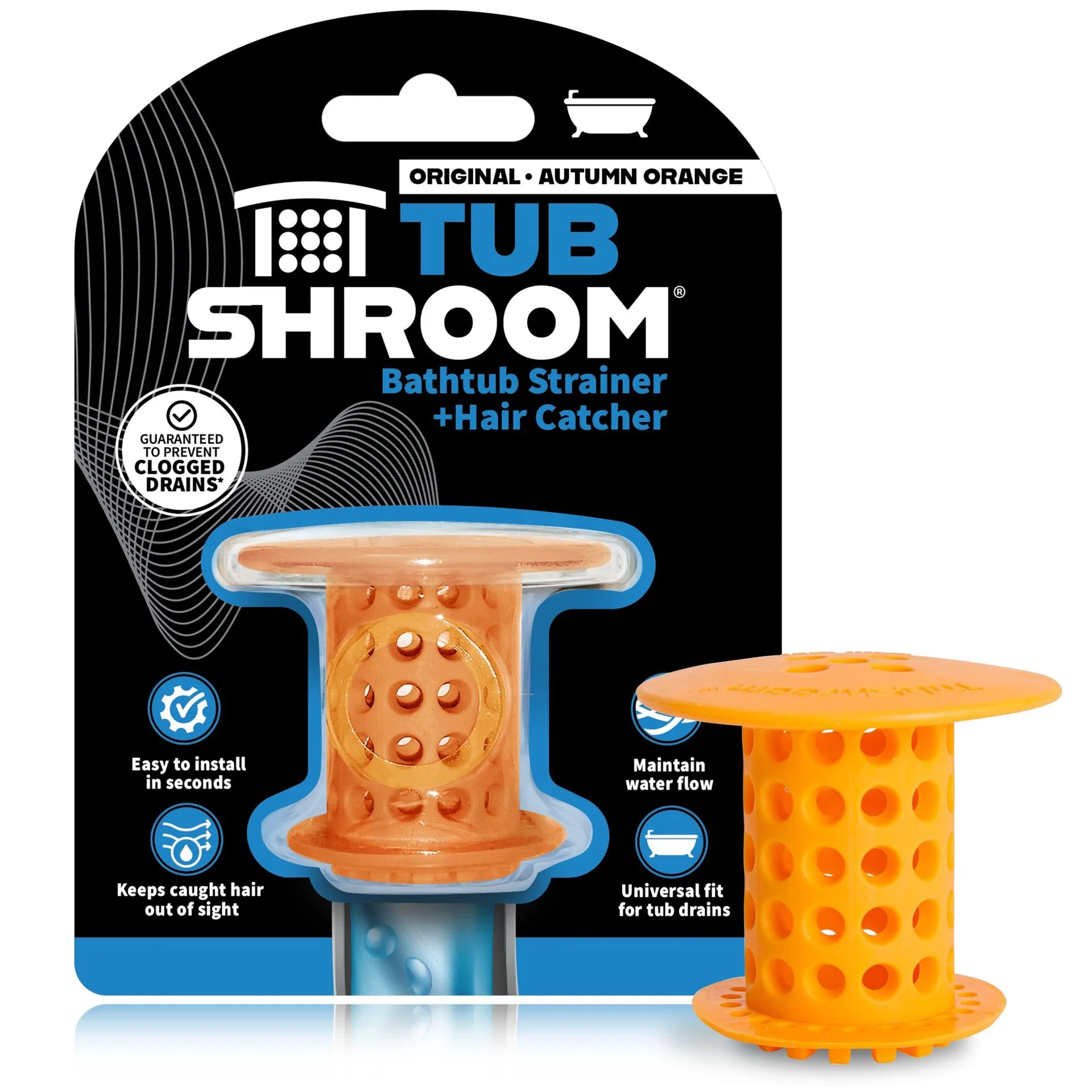
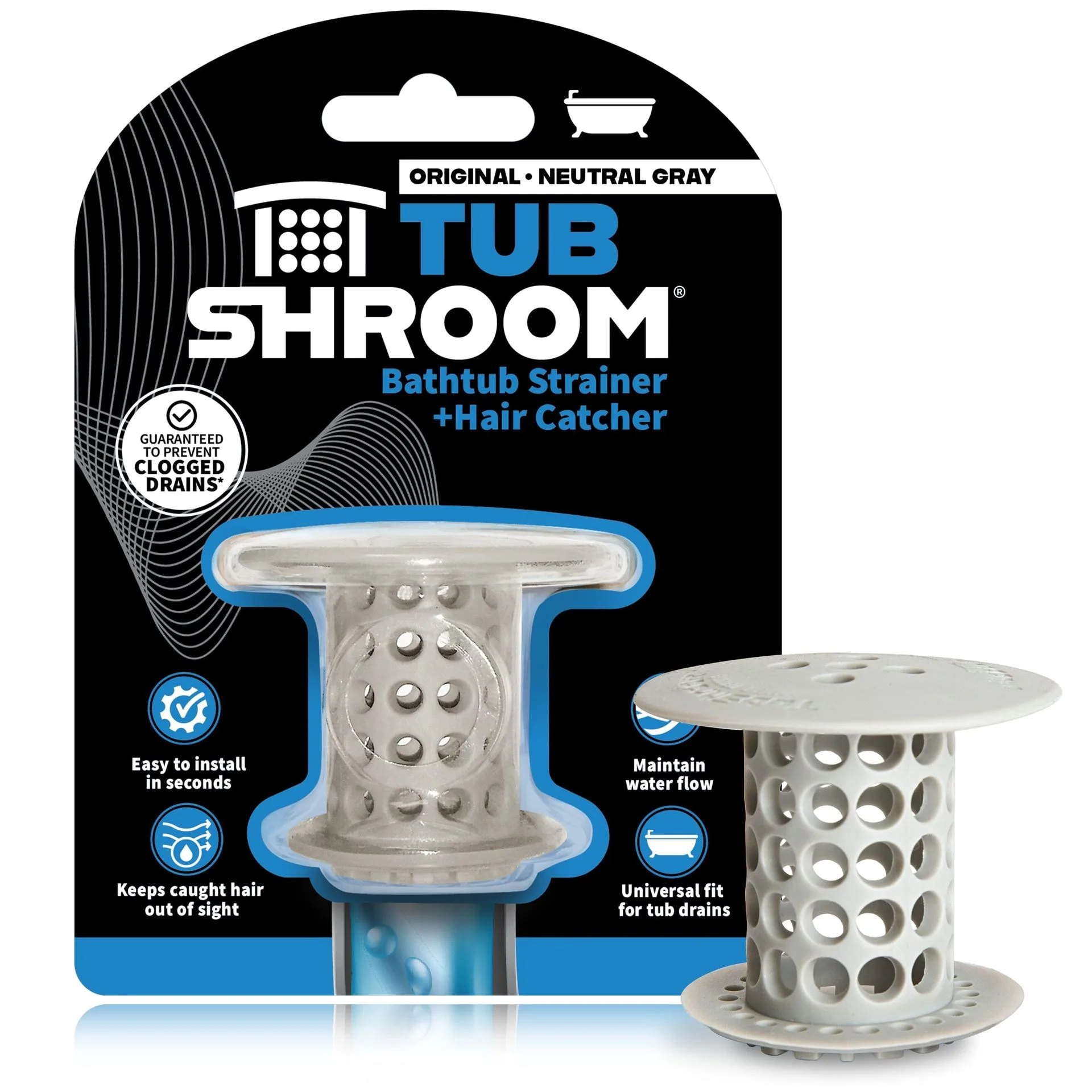
One of the best options on the market is the TubShroom Clear. This silicone hair catcher fits snugly inside standard bathtub drains, capturing hair without restricting water flow. Its flexible, mushroom-shaped design expands to seal the drain, so no hair can sneak past. After your shower, simply lift it out, wipe off the hair, and toss it back in. It’s reusable, dishwasher-safe, and works with most tub drains.
- Look for a hair catcher that fits your drain size—most standard drains are 1.5 to 2 inches in diameter.
- Silicone models like the TubShroom are gentle on pipes and easy to clean.
- Clean your hair catcher after every shower to keep it effective and odor-free.
What to Do If Your Bathtub Drain Is Already Clogged
If your drain is already slow or completely blocked, don’t reach for chemical drain cleaners. They can damage your pipes and harm the environment. Instead, try a mechanical solution like a drain snake. A drain snake is a flexible tool that reaches deep into the pipe to break up and pull out hair clogs without harsh chemicals.
For stubborn clogs, the DrainShroom Snake is a handy tool. It’s a 36-inch flexible auger that can be used manually or attached to a power drill for extra torque. The stainless steel cable is strong enough to cut through tough hair and soap scum buildup, yet flexible enough to navigate pipe bends. Simply insert it into the drain, twist or drill, and pull out the clog. It’s reusable and works on bathroom sinks and bathtubs alike.

DrainShroom Snake
- Never use chemical drain cleaners—they can corrode pipes and harm septic systems.
- A drain snake is the safest, most effective way to remove hair clogs.
- For deep clogs, consider using a power drill attachment for extra force.
How to Prevent Bathtub Drain Clogs Long-Term
Prevention is always better than cure. Once your drain is clear, take these simple steps to keep it that way. First, always use a bathtub hair catcher—make it a non-negotiable part of your shower routine. Second, clean the hair catcher after every use to prevent buildup. Third, once a month, flush your drain with hot water to dissolve any soap residue.
If you have long hair or a household with multiple people who shower, consider upgrading to a stainless steel option like the SinkShroom Ultra. While designed for bathroom sinks, its durable construction and fine mesh make it excellent for catching hair in tub drains as well. It comes with adapters to fit different drain sizes and is built to last for years. Pair it with a monthly drain snake treatment, and you’ll rarely deal with a clog again.
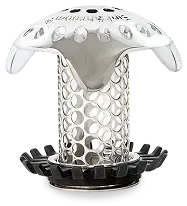
SinkShroom Ultra
- Flush drains weekly with boiling water (if pipes are metal) or hot tap water (for PVC).
- Trim hair regularly to reduce the amount that sheds in the shower.
- Use a drain snake every 1–2 months as a preventive measure.
When to Call a Plumber
Most bathtub drain clogs can be resolved with a hair catcher and a drain snake, but sometimes the problem is deeper. If you’ve tried these methods and your drain is still slow, or if you notice gurgling sounds, foul odors, or water backing up in other fixtures, you may have a main sewer line issue. In that case, it’s best to call a licensed plumber.
Signs that a clog is beyond DIY repair include standing water that doesn’t drain for hours, multiple drains clogging at once, or water backing up into the shower when you flush the toilet. These indicate a blockage in the main line, which requires professional equipment like a hydro-jet or camera inspection. But for the vast majority of everyday hair clogs, a simple hair catcher and snake will do the trick.
- Gurgling drains or bad smells often indicate a deeper blockage.
- If multiple fixtures are affected, the main sewer line may be clogged.
- Always try DIY methods first—they solve 90% of hair clogs.
Bathtub drain clogs after showers are frustrating, but they’re almost always preventable. By using a reliable bathtub hair catcher like the TubShroom Clear and keeping a drain snake like the DrainShroom Snake on hand, you can stop clogs before they start and fix them quickly when they happen. No more standing water, no more harsh chemicals—just clean, free-flowing drains. Take control of your plumbing today and enjoy a stress-free shower every time.