Quick answer
The Batik Ice Dyeing Class is a hands-on retreat workshop where you use ice and dye to create one-of-a-kind batik fabrics. Come ready to play with color; the class covers the process, and you leave with fabric you dyed yourself.
Why this class suits quilters who want a new retreat skill
Most retreat classes focus on piecing or quilting techniques. Ice dyeing adds a different kind of making: you set up the dye and ice, then let physics and time create the pattern. That makes it a good fit if you want a low-pressure, high-color session between sewing blocks.
It is also a practical way to build a small stash of fabric that is unmistakably yours. Because the results are unpredictable, plan to use the fabric in projects where variation is a feature, not a flaw.
What the class does not cover
The catalog describes the class as an exploration of using ice and dye to create color combinations, taught by Brody. It does not list specific dye colors, fabric yardage, or take-home supplies. Treat those as open questions and confirm details with the retreat organizer before you pack.
If you need a guaranteed color palette for a planned quilt, this is not the class for that. Ice dyeing is best approached as experimentation.
Common questions about the Batik Ice Dyeing Class
Do I need to bring my own fabric or dye?
The catalog does not specify what supplies are included. Ask the retreat organizer whether fabric and dye are provided or whether you should bring pre-washed cotton yardage. If you bring your own, choose light-colored fabric so the dye colors show clearly. Confirm supplies before packing; do not assume fabric is included.
How messy is ice dyeing, and what should I wear?
Ice dyeing involves melting ice and liquid dye, so expect splashes. Wear old clothes or an apron, and keep your good retreat clothes away from the dye station. The class description does not list protective gear, so bring your own apron if you are concerned. Dress for splashes and bring an apron if you want extra protection.
Will my fabric be dry enough to take home?
Dyeing fabric with ice leaves it wet, and the class listing does not state drying arrangements. Plan for damp fabric: bring a plastic bag or bin for transport, and ask whether the retreat has drying space. At home, let the fabric dry completely before washing. Pack a waterproof bag for wet fabric; drying time is not specified in the class listing.
What can I make with hand dyed fabric after the retreat?
Use your dyed pieces as focal fabric in small projects: zipper pouches, quilt backs, or appliqué accents. Because ice dyeing creates irregular patterns, cut carefully and let the fabric guide the design rather than forcing a precise motif. Start with small projects so you can test how the colors behave before cutting into a large quilt.
Is this class beginner-friendly?
The catalog presents the class as an exploration of the ice dyeing process, not an advanced dyeing course. If you have never dyed fabric, you can still participate; just arrive ready to experiment rather than aiming for a specific result. No prior dyeing experience is implied; come with an experimental mindset.
Class at a glance
-
Batik Ice Dyeing Class: Hands-on Ice Dyeing Batiks class taught by Brody, priced at USD 30.60 (catalog comparison price USD 45.00). A lower class fee leaves more room in your retreat budget for fabric and supplies, and a hands-on format means you will be actively dyeing rather than only watching.
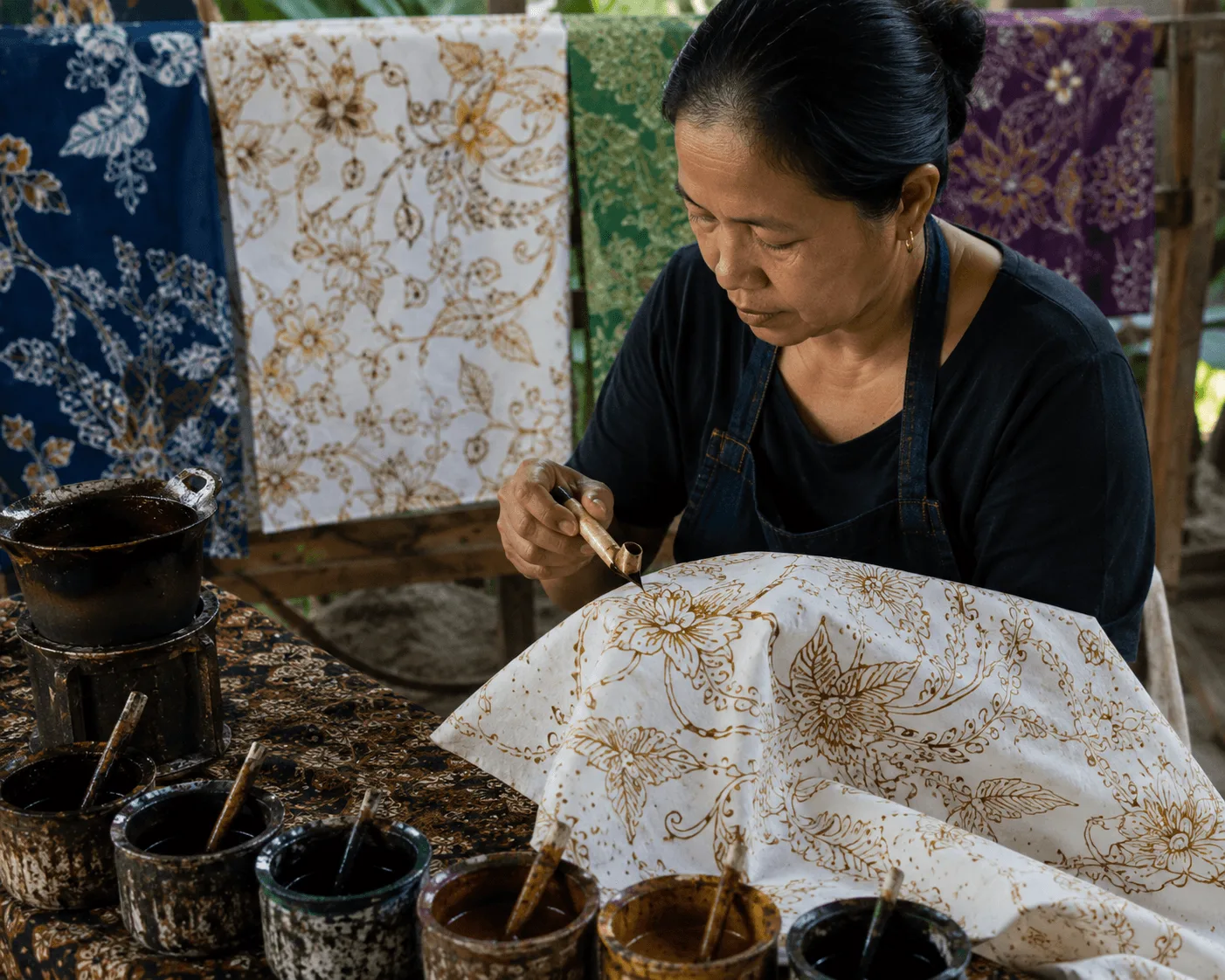
Batik Ice Dyeing Class