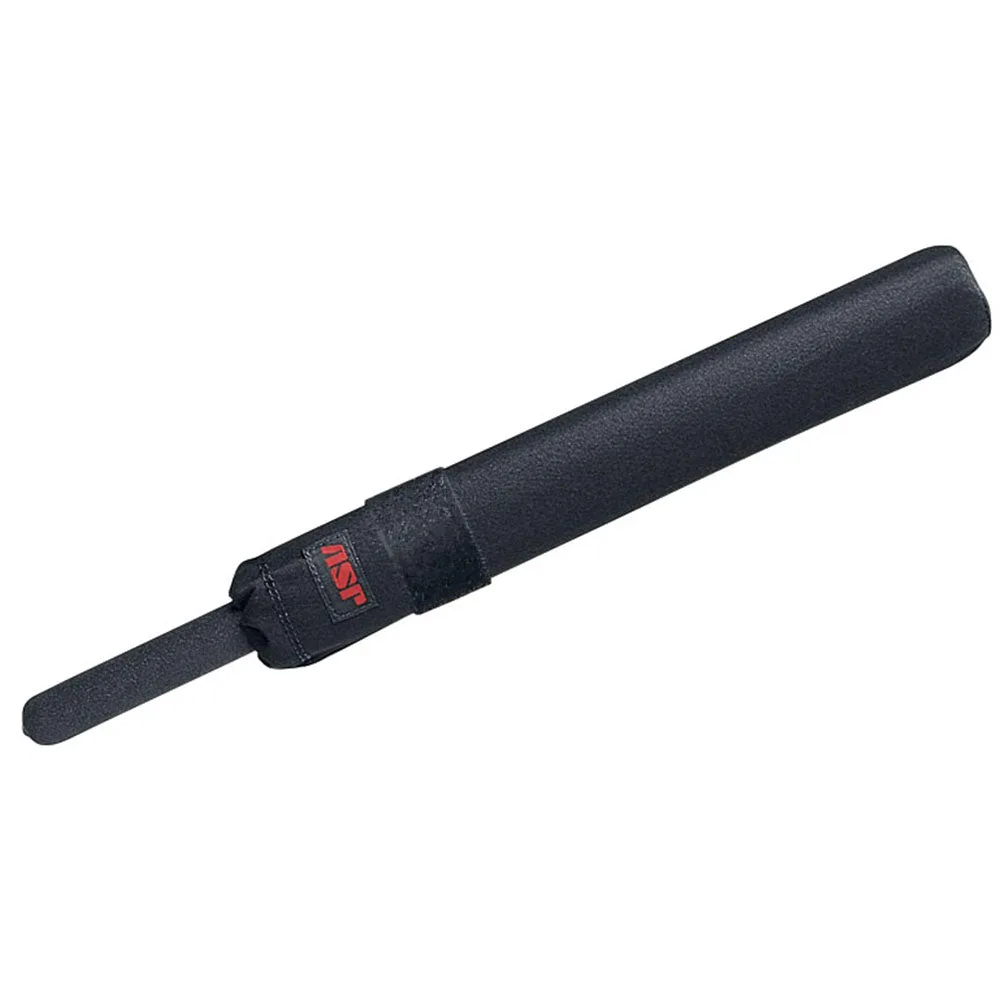
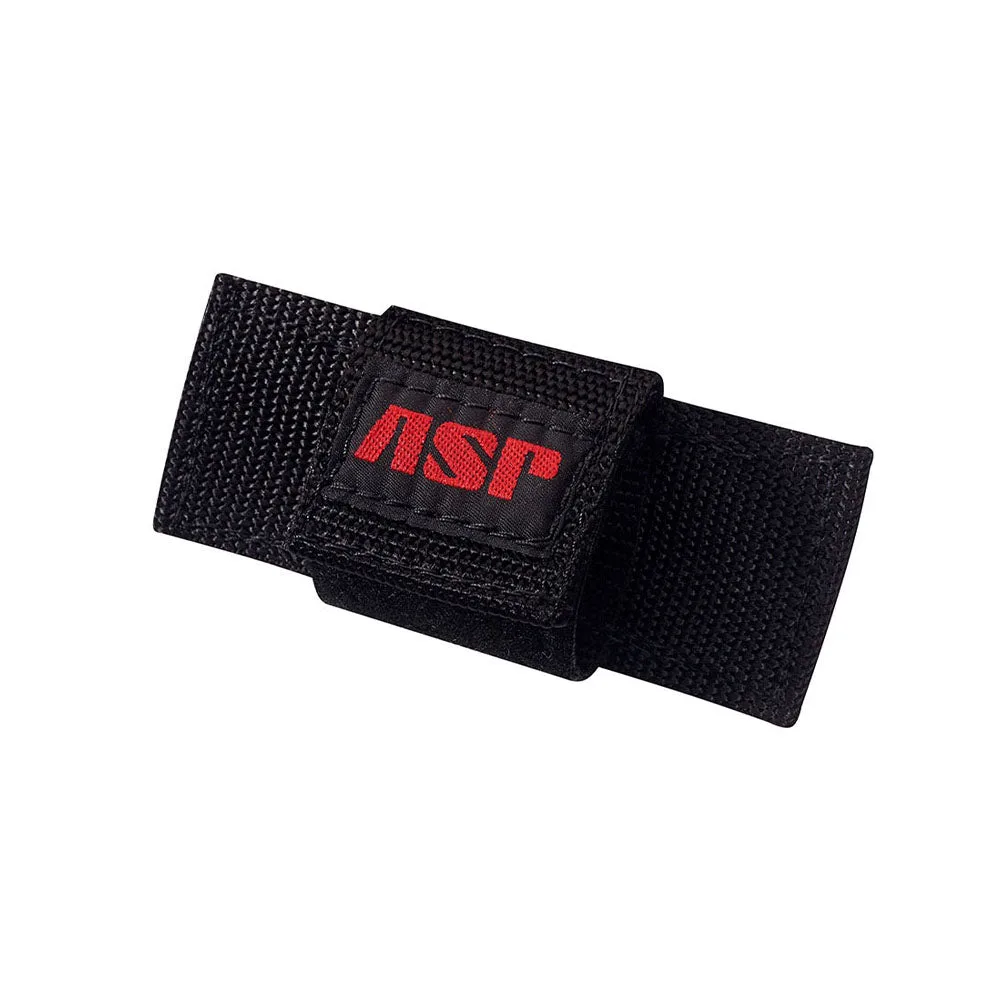
In law enforcement and security, your baton is a critical tool for personal defense and control. But a baton is only useful if it's within reach when you need it. Losing your baton during a struggle or having it snatched from your belt can turn a routine encounter into a dangerous situation. That's why mastering baton retention is essential for every officer and security professional.
Baton retention isn't just about having a secure holster; it's a combination of proper carry techniques, consistent draw practice, and choosing the right gear for your specific needs. In this guide, we'll explore proven methods to keep your baton secure, from selecting the right retention holster to practicing drills that build muscle memory. Whether you're a seasoned officer or new to carrying a baton, these techniques will help you maintain control and readiness.
Why Baton Retention Matters
A baton that is not properly secured can be dislodged during physical altercations, running, or even when exiting a vehicle. If your baton falls to the ground, you not only lose access to a vital defense tool, but you also give an assailant the opportunity to pick it up and use it against you. This is a worst-case scenario that every officer must actively prevent.
Moreover, a baton that is too easy to draw can also be too easy for someone else to grab. The goal is to find a balance between quick access for yourself and resistance to unauthorized draws. This requires a retention system that works with your body mechanics and your duty equipment.
- Retention prevents your baton from being used against you.
- A secure baton stays accessible during physical activity.
- Proper retention reduces the risk of losing your baton in a struggle.
Choosing the Right Retention Holster
The foundation of baton retention is the holster or carrier you choose. Not all carriers are created equal. Some are simple friction-fit sleeves, while others feature active retention mechanisms like straps or locking systems. For duty use, you need a carrier that offers a high level of security without hindering your draw.
Consider the https://aspersusa.com/products/training-baton-carrier-386350Training Baton Carrier, which is designed to hold training batons securely during practice. While it's ideal for training, its design principles also apply to duty carriers. Look for carriers that have adjustable retention, allowing you to fine-tune the level of security based on your environment and personal preference.
- Friction-fit carriers are simple but may not offer enough security for high-risk situations.
- Active retention carriers with straps or locks provide greater security but require more practice to draw quickly.
- Always test your carrier with your specific baton model to ensure a snug fit.
Proper Baton Carry Techniques
Where you carry your baton on your belt can significantly impact retention. The most common positions are the strong side, cross draw, and small of the back. Each has its pros and cons. The strong side (on your dominant hip) is the most natural for a fast draw, but it's also the easiest for someone to grab from the front. Cross draw (on your non-dominant side) makes it more difficult for an attacker to reach, but it requires a cross-body motion that can be slower. The small of the back offers concealment but is awkward to draw from and can cause discomfort when sitting.
Whichever position you choose, ensure that the baton is angled correctly. A slight forward tilt can make the draw more natural and reduce the chance of the baton catching on clothing or gear. Additionally, keep the baton close to your body to minimize the risk of it being snagged on doorframes or other obstacles.
- Strong side carry is fastest but more vulnerable to grabs.
- Cross draw offers better retention but requires practice to master.
- Avoid small-of-back carry for daily duty due to access issues.
Mastering the Draw: Speed Meets Security
A well-executed draw is both fast and secure. The key is to use a technique that minimizes the time your baton is exposed. Start with your hand on the baton, thumb on the release (if any), and your elbow tucked. As you draw, keep the baton close to your body and use a smooth, upward motion. Once the baton is out, immediately bring it into a ready position.
Practice this draw repeatedly until it becomes second nature. You can use an inert trainer like the NEW Defender LE Inert Trainer, Stream to safely practice your draw and retention drills. This trainer mimics the weight and feel of a real baton, allowing you to perfect your technique without the risk of injury or damage.
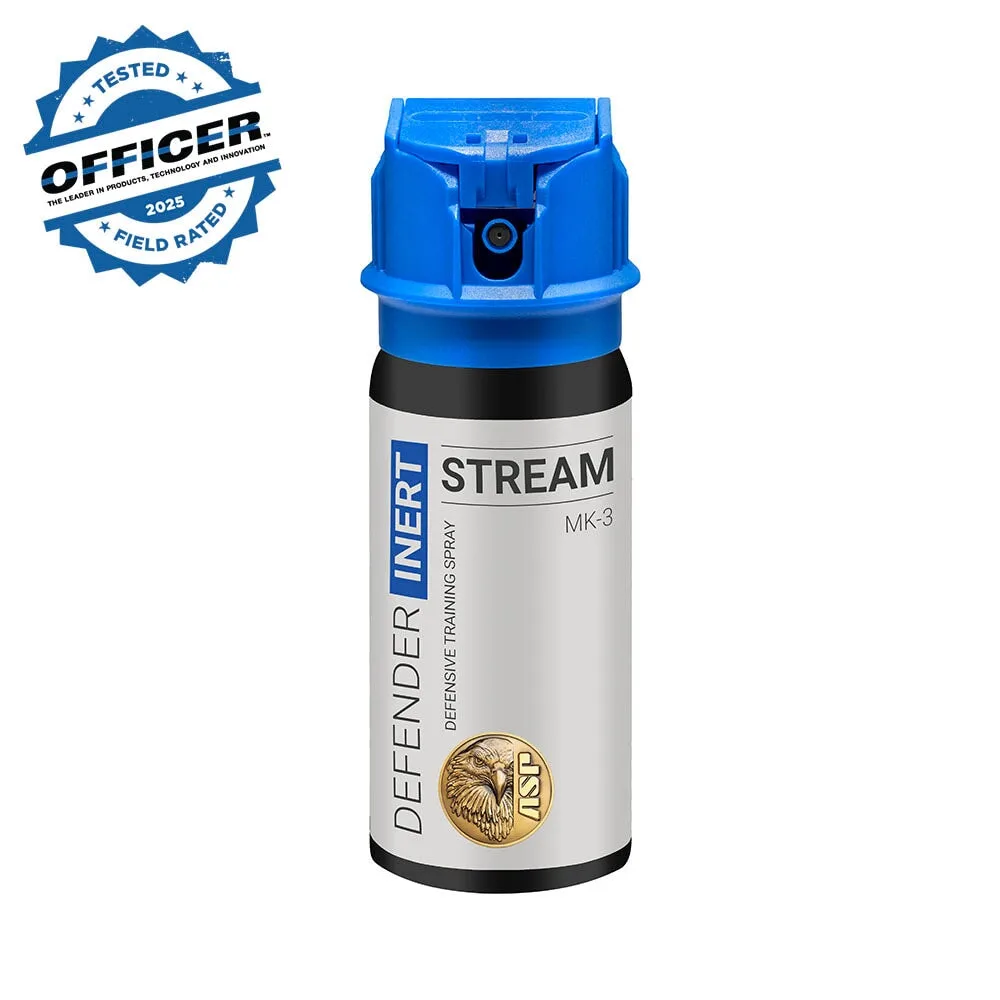
NEW Defender LE Inert Trainer, Stream
- Practice your draw from various positions: standing, seated, and moving.
- Use an inert trainer for safe and realistic practice.
- Incorporate retention drills where a partner tries to grab your baton during the draw.
Retention Drills to Prevent Baton Loss
To truly keep your baton secure, you must train for the worst-case scenario: someone trying to take it from you. Retention drills simulate this and build the muscle memory needed to react effectively. One common drill is the 'grab and strip' where a partner grabs your baton while it's still in the carrier, and you practice moving your body to shield it and maintain control.
Another effective drill is to practice drawing while moving. This simulates the chaos of a real encounter and helps you maintain your grip on the baton even when you're off balance. You can also practice drawing from a seated position, which is often when batons are most vulnerable to being dropped or snatched.
- Practice the 'grab and strip' drill with a partner.
- Draw while walking, running, and changing direction.
- Simulate drawing from a vehicle seat to prepare for traffic stops.
Maintaining Your Gear for Optimal Retention
Even the best retention holster will fail if it's worn out or improperly maintained. Regularly inspect your carrier for signs of wear, such as cracks, loose stitching, or stretched material. Ensure that any retention mechanisms are clean and function smoothly. A carrier that is too loose will not provide adequate security, while one that is too tight can impede your draw.
Also, consider the condition of your baton itself. A baton with a loose or damaged tip may not seat properly in the carrier, increasing the risk of it falling out. Keep your baton clean and check for any defects. If you use a baton with a removable tip, ensure it's securely tightened.
- Inspect your carrier monthly for signs of wear.
- Clean and lubricate any locking mechanisms.
- Check your baton for damage that could affect retention.
Baton retention is a critical skill that every officer and security professional must master. By choosing the right retention holster, practicing proper carry techniques, and regularly training with retention drills, you can ensure your baton stays secure when you need it most. Remember, a baton is only effective if it's in your hand, not on the ground or in an attacker's grasp. Invest time in your training and gear, and you'll be prepared for any situation.