Quick Answer
For most backcountry hunters, lithium batteries are the best choice for critical devices like headlamps and GPS because they handle cold weather and hold power longer. Alkaline batteries are fine for low-drain gear and backup use, while rechargeable batteries save money and reduce waste for frequent scouting trips. There is no single winner—match the chemistry to the device and the conditions.
Battery choice can make or break a hunt when your headlamp dims at dusk or your GPS dies miles from the truck. Alkaline, lithium, and rechargeable batteries each behave differently in cold, drain at different rates, and cost different amounts over a season. Understanding those trade-offs helps you pack smarter and avoid surprises.
This comparison breaks down how each chemistry performs in outdoor electronics, from headlamps to rangefinders, and explains when to choose one over the others. We will also cover how battery type affects gear storage and organization, and how to decide based on your hunting style.
Alkaline Batteries: Reliable and Cheap, With Limits
Alkaline batteries are the familiar, low-cost option you find at any gas station. They work well in low-drain devices like wall clocks or backup flashlights, and they are easy to replace on the road. However, alkaline performance drops sharply in cold weather, and they are prone to leaking if left in a device for months. For a headlamp you rely on during a late-season hunt, alkaline is a weak link.
Alkaline batteries also have a shorter shelf life than lithium, and their voltage curve means your device dims gradually rather than staying bright until the end. For occasional use around camp or as a just-in-case backup, they are fine. But for anything mission-critical, plan on lithium or rechargeable instead.
- Best for low-drain devices and emergency backups.
- Avoid leaving alkalines in gear for long storage—leaks can ruin electronics.
Lithium Batteries: Cold-Weather Performance and Long Shelf Life
Lithium batteries (often labeled lithium-iron disulfide for AA/AAA sizes) excel in cold weather and high-drain devices. They hold voltage better than alkaline when temperatures drop, so your headlamp stays brighter longer on a freezing morning. They also have a much longer shelf life—up to 10–15 years—making them ideal for gear you store between seasons.
The trade-off is cost and disposal. Lithium batteries cost more per cell and should not be recharged. They also are not available in every size, though common sizes like AA and AAA are widely stocked. For a backcountry hunter who needs dependable power in the cold, the higher upfront price is often worth it.
- Choose lithium for headlamps, GPS, and rangefinders used in freezing temps.
- Store lithium batteries in a cool, dry place to maximize shelf life.
Rechargeable Batteries: Save Money and Reduce Waste
Rechargeable batteries, typically nickel-metal hydride (NiMH) or lithium-ion, can be used hundreds of times. NiMH AA/AAA cells work well in devices that accept them, and they offer a lower cost per cycle than disposables. Lithium-ion packs are common in headlamps and other gear with built-in batteries. For frequent scouting trips or practice sessions, rechargeables quickly pay for themselves.
The trade-offs are upfront cost, weight, and cold-weather performance. NiMH batteries self-discharge over time and lose capacity in freezing temperatures, though newer low-self-discharge versions hold up better. Lithium-ion packs can be sensitive to extreme cold and may need to be kept warm inside a jacket. You also need a power source to recharge, which can be a limitation on extended trips.
- Use rechargeables for high-use devices and regular scouting.
- Keep spare rechargeables in a warm pocket on cold hunts.
Matching Battery Chemistry to Your Gear
Your choice should start with the device. A headlamp used for early-morning hikes and late-night field dressing needs reliable cold-weather performance—lithium or a quality rechargeable is best. A GPS or rangefinder that stays in a chest pocket may be fine with lithium. Low-drain items like a camp lantern or backup flashlight can run on alkaline without issue.
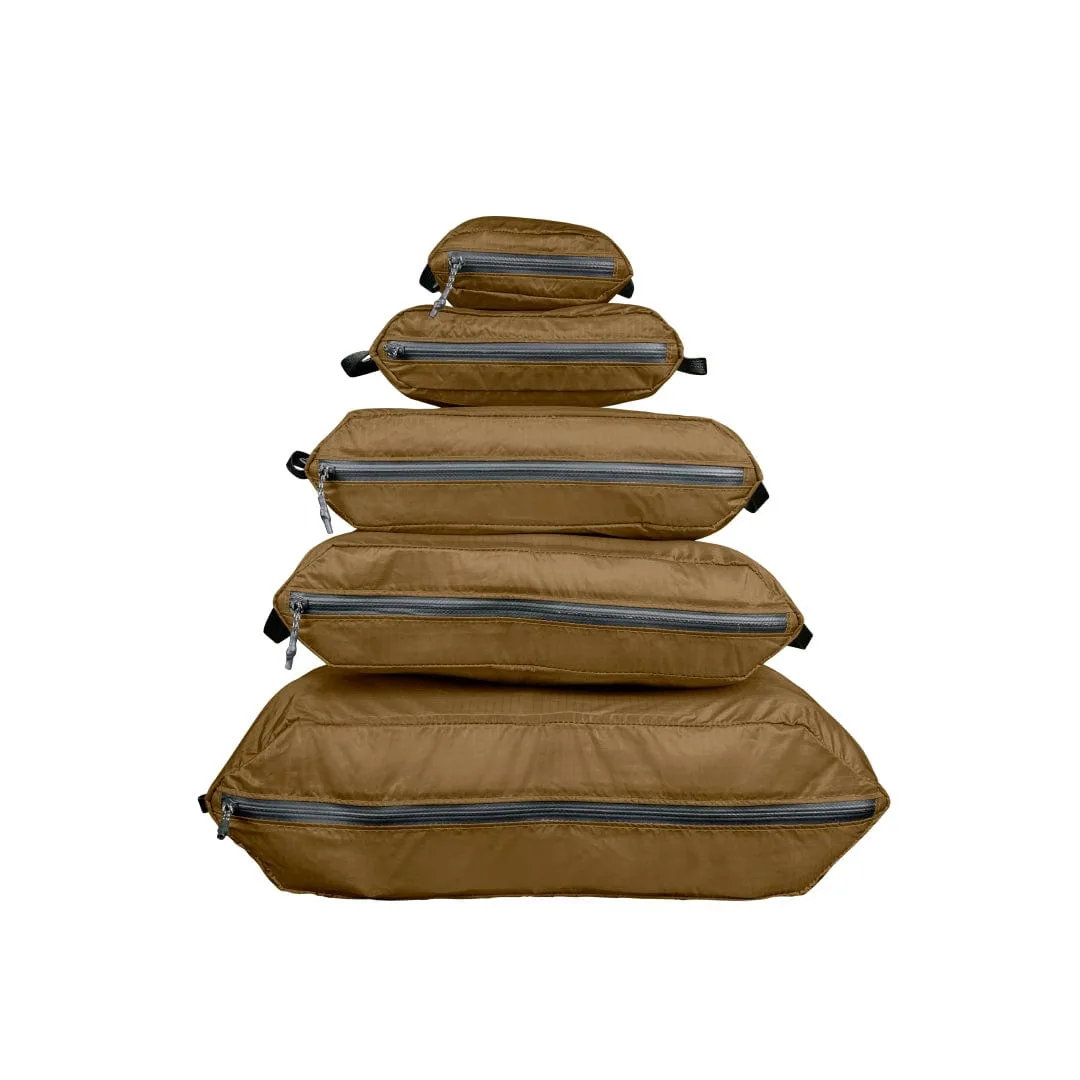
Consider your hunting style too. If you fly in or pack deep, weight and space matter—lithium batteries are lighter than alkaline and take up less room for the same capacity. If you hunt from a basecamp with access to power, rechargeables can save money over a long season. For gear organization, a small pouch like the PEAX Kit Sack keeps batteries separated by type and prevents them from rolling loose in your pack.
Kit Sack
- Label or separate batteries by chemistry to avoid mixing them.
- Carry a small battery case or pouch to prevent short circuits.
Cold Weather and Battery Performance
Cold temperatures slow the chemical reactions inside all batteries, reducing voltage and capacity. Alkaline suffers the most, often losing half its usable capacity near freezing. Lithium handles cold better, which is why it is the go-to for winter hunts. Rechargeable NiMH also struggles in the cold, but you can mitigate this by keeping batteries in an inside pocket until you need them.
If you are hunting in sub-freezing conditions, plan to carry spare lithium batteries for critical devices. For rechargeable headlamps, consider a model with a separate battery pack you can keep warm under your jacket. And always test your gear before a hunt—nothing is worse than a dead battery at first light.
- Keep spare batteries in an inside pocket, not an exterior pack pocket.
- Warm a cold battery in your hand or pocket before use to restore some voltage.
Trade-Offs at a Glance
- Alkaline: Cheap and widely available, but poor cold-weather performance, shorter shelf life, and leak risk. Use for low-drain devices and backups only.
- Lithium: Excellent cold-weather performance and long shelf life, but higher cost and not rechargeable. Best for critical devices in freezing conditions.
- Rechargeable: Lower cost per use and less waste, but higher upfront cost, self-discharge, and cold sensitivity. Ideal for frequent scouting and high-drain gear when you have access to power.
PEAX Gear That Helps Organize Batteries and Electronics
- KIT SACK: The PEAX Kit Sack keeps essential gear organized, protected, and easy to find, helping hunters maintain an efficient pack system in the backcountry. Use it to separate batteries by type and keep them from rolling loose in your pack, so you can grab the right cell in the dark.
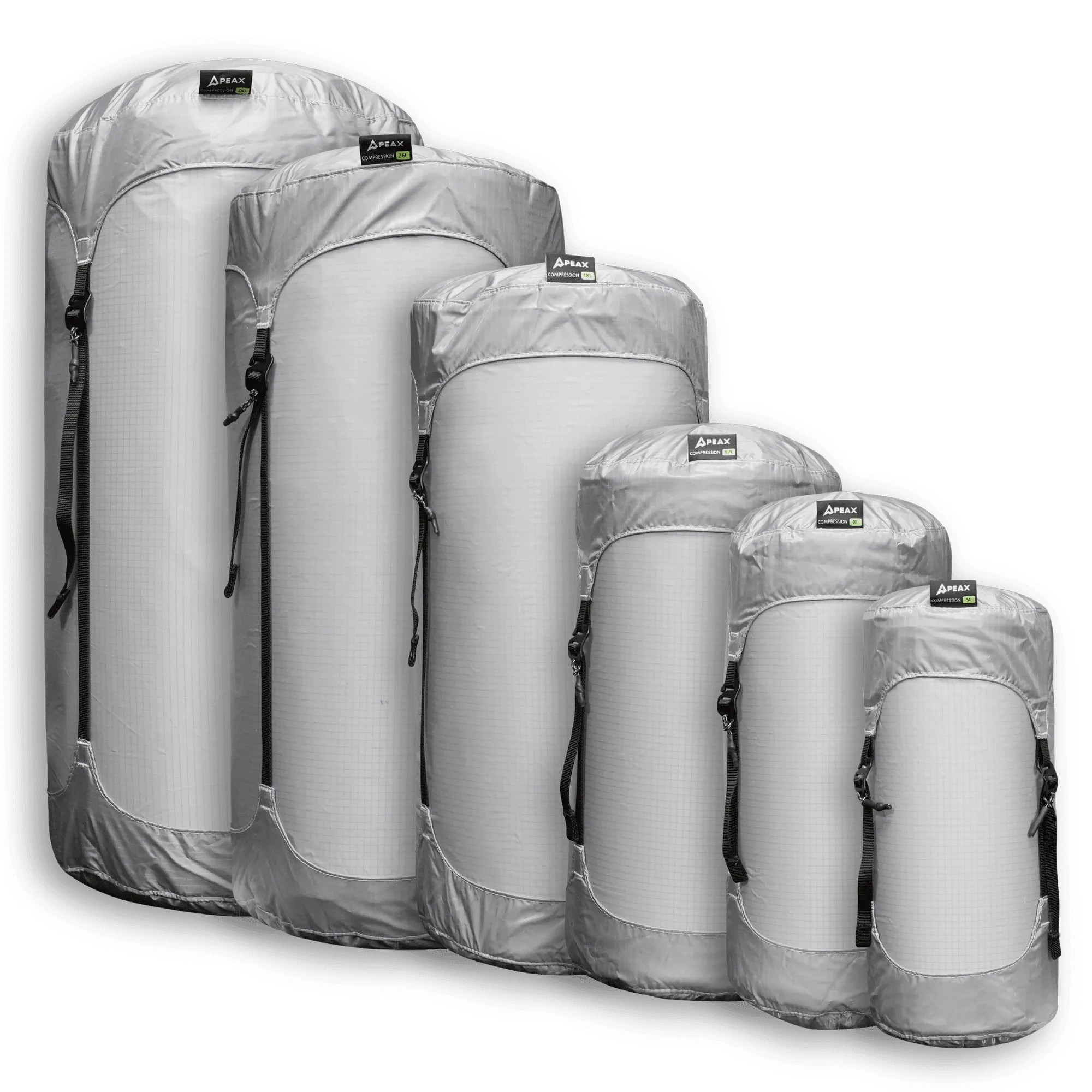
- COMPRESSION SACK: The PEAX Compression Sack reduces the volume of sleeping bags, insulated clothing, and other compressible gear to help hunters maximize pack capacity without sacrificing essential equipment. Compressing bulky layers frees up room for battery cases and electronics, keeping your pack organized on extended hunts.
Which Battery Type Is Right for You?
Best for
- Hunters who face freezing temperatures and need reliable power for headlamps and GPS.
- Frequent scouting trips where rechargeable batteries save money and reduce waste.
- Backpack hunters who want to minimize weight and space with lithium batteries.
Not for
- Hunters who only use low-drain devices and want the cheapest option—alkaline is fine.
- Extended trips without access to power—rechargeables may leave you stranded.
- Anyone who needs a single battery type for every device—mixing chemistries is often smarter.
There is no universal best battery, but matching chemistry to your gear and conditions keeps your electronics running when it counts. Carry lithium for critical cold-weather devices, use rechargeables for high-use gear, and keep alkalines for backups. With a little planning and a way to organize spares, you can head into the backcountry confident your power will hold.