Quick answer
Choose batting by matching loft and fiber to how the quilt will be used: low loft for wall hangings, miniatures, and detailed quilting; higher loft for cozy bed quilts; and fiber type for warmth, drape, and washing needs. When in doubt, low-loft cotton or a cotton-blend is the safest all-purpose choice for beginners.
Batting is the layer that decides how a quilt feels, drapes, and holds up over years of use, yet it is often the last thing quilters think about. Loft, fiber, and warmth are the three levers you can adjust, and each one changes how your finished quilt behaves.
This guide walks through a simple order of decisions so you can stop guessing at the store or online. You will learn what loft actually measures, how fiber types differ, and how to test a batting choice before committing it to a full quilt.
Start with how the quilt will be used
Before you look at any batting label, decide what the quilt is for. A wall hanging or mini quilt needs to hang flat, so low loft is usually the right call. A bed quilt meant for winter warmth can handle more loft and a warmer fiber. A baby quilt that will be washed constantly needs a batting that survives repeated laundering without shifting or bearding.
Write down three things: the quilt size, the expected washing frequency, and whether the quilt will be quilted densely or lightly. Dense quilting compresses batting, so a higher loft can still finish flat if your quilting is tight. Light quilting leaves more of the batting's natural puff visible.
- Common mistake: choosing batting by price alone and then discovering it is too stiff for the quilt's intended drape.
- Checkpoint: if you cannot describe how the quilt will be used in one sentence, you are not ready to pick batting.
Understand loft and what it changes
Loft is the thickness or puffiness of the batting, and it directly affects drape, warmth, and how much quilting shows. Low loft sits flat and lets quilting texture dominate, which is why it is popular for wall hangings, miniatures, and modern quilts with lots of negative space. High loft traps more air, feels puffier, and reads as a traditional cozy quilt.
Loft also interacts with your machine. A very high-loft batting can be harder to fit under the needle and may require more careful basting. If you are quilting on a domestic machine, a medium loft is often the most forgiving starting point.
- Common mistake: assuming high loft always means warmer; fiber type matters just as much as thickness.
- Checkpoint: lay a scrap of batting under your quilt top and see how it changes the look before you commit.
Compare batting fiber types
Cotton batting is breathable, drapes well, and gives a flatter, more antique look. It can shrink slightly, which some quilters like for a crinkled finish. Wool batting is warmer for its weight, resists creasing, and drapes beautifully, but it usually costs more and needs gentler washing. Polyester batting is lofty, inexpensive, and holds its shape, though it can feel less breathable.
Blends aim to combine the best of two fibers, such as cotton for drape and polyester for loft. There is no universally best fiber; the right one depends on whether you prioritize warmth, drape, washability, or cost. If you are unsure, a cotton or cotton-blend batting is the most versatile starting point.
- Common mistake: mixing fiber types in one quilt without checking that they shrink and wash at the same rate.
- Checkpoint: read the manufacturer's care instructions before you baste, not after.
Match warmth to the season and the sleeper
Warmth comes from trapped air, so loft and fiber work together. A low-loft cotton batting makes a light summer quilt, while a higher-loft wool or wool-blend batting is a better fit for a winter bed quilt. If the quilt is decorative, warmth matters less than how it hangs and how well it shows your quilting.
Think about who will use the quilt. A child or pet may need a batting that tolerates frequent washing, while an adult who sleeps hot may prefer a breathable cotton over a lofty polyester. When you cannot test in person, choose the middle option and adjust with the quilt's backing and binding.
- Common mistake: assuming a thicker batting is always warmer for a hot sleeper; breathability matters too.
- Checkpoint: if the quilt will be used year-round, lean toward a medium-loft cotton or blend.
Test and baste before you quilt
Once you have a candidate batting, make a small test sandwich with your actual quilt top and backing. Quilt a few inches of the pattern you plan to use and check for bearding, shifting, and how the loft reads after quilting. This five-minute test prevents a full-size disappointment.
Baste according to the batting's recommendations, whether that is spray, pins, or thread. If the batting is very lofty, add more basting than usual to control shifting. After quilting, wash the test sample the way the finished quilt will be washed to confirm the batting holds up.
- Common mistake: skipping the test sandwich and discovering the batting is too stiff or too thin after the whole quilt is quilted.
- Checkpoint: if the test sample beards or shifts, change batting before you quilt the real thing.
Your step-by-step batting selection process
- Define the quilt's job: Write down the quilt size, how often it will be washed, and whether it is decorative or for daily use. Checkpoint: if you cannot state the quilt's purpose in one sentence, pause before buying batting.
- Pick a loft range: Choose low loft for wall hangings and detailed quilting, medium for all-purpose quilts, and high loft for a puffy, traditional look. Checkpoint: lay a batting scrap under your quilt top to preview the finished look.
- Choose a fiber: Select cotton for breathable drape, wool for warmth and resilience, polyester for loft and value, or a blend to balance two priorities. Checkpoint: confirm the fiber's washing and shrinking behavior matches your plan.
- Match warmth to the user: Use lower loft and breathable fibers for hot sleepers or summer quilts, and higher loft or wool for cold-weather bed quilts. Checkpoint: if the quilt will be used year-round, a medium-loft cotton or blend is the safer bet.
- Make a test sandwich: Quilt a small sample with your actual top, batting, and backing, then wash it the way the finished quilt will be washed. Checkpoint: if the sample beards, shifts, or feels wrong, switch batting before quilting the full quilt.
Products that pair well with batting choices
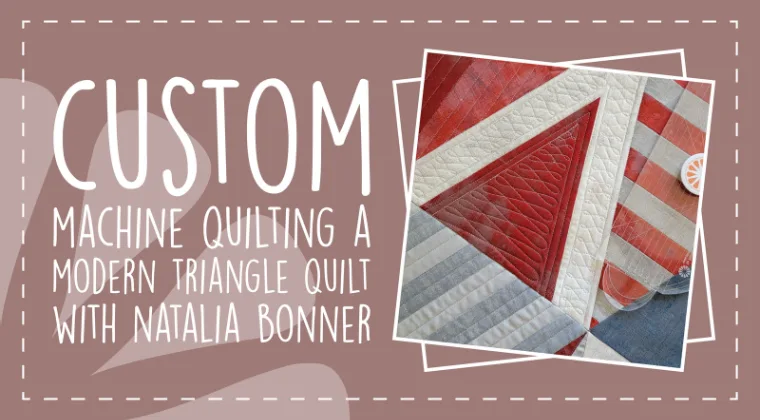
- Machine Quilting a Modern Triangle Quilt with Natalia Bonner: This 33-minute PNQ Academy video shows Natalia's process of custom machine quilting a modern triangle quilt from start to finish, including filling negative space and creating blocks where there are no blocks. If you choose a low-loft batting to let quilting texture show, this video demonstrates how to plan that texture across a geometric quilt.
- Custom Machine Quilting a Round & Round Quilt with Natalia Bonner: In this 34-minute video, Natalia custom machine quilts a Round & Round quilt using hand-guided and ruler quilting, with one layer of Quilter's Dream Wool batting. A real example of pairing a wool batting with a specific quilt, useful when you want to see how a warmer fiber behaves under quilting.
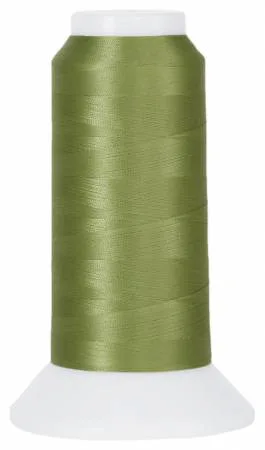
- MicroQuilter #7025 Sage Cone: MicroQuilter is a 100 wt. 2-ply extra-fine polyester thread designed for invisible machine applique and detail quilting, wound with 3,000 yards per cone. On a low-loft batting where quilting lines are the star, a fine thread keeps the focus on texture rather than thread thickness.
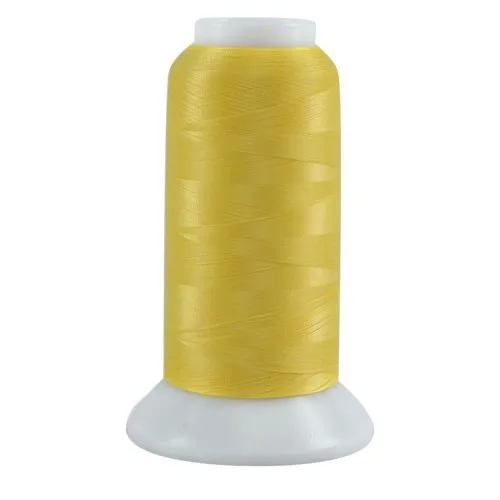
- The Bottom Line #601 Yellow: The Bottom Line is a 60 wt. 2-ply lint-free polyester thread for quilting, embroidery, sewing, binding, and bobbin use, with 3,000 yards per cone. A lint-free bobbin thread helps keep the batting area clean and reduces buildup when you are quilting through thicker batting.
Batting is not a one-size-fits-all purchase, but the decision gets simple once you match loft and fiber to how the quilt will be used. Start with a test sandwich, trust your hands, and adjust from there.