Quick answer
Creatine is the stronger pick if your main goal is strength, power, or adding lean mass, because it supports repeated high-intensity efforts. BCAAs suit a different job: a zero-sugar, low-calorie intra-workout drink that can fit vegan diets and long or fasted sessions. You can take both together, and most people do not need to choose. If you only buy one, match it to your goal, not to hype.
What each supplement actually does
Creatine and BCAAs are often shelved together, but they work through different mechanisms. Creatine supports the ATP energy system your muscles use during short, intense efforts, so it is most useful for lifting, sprinting, and repeated power output. BCAAs (leucine, isoleucine, and valine) are essential amino acids that can be consumed around training, and they are popular as a flavoured intra-workout drink when you want something other than plain water.
The practical difference shows up in your shopping list. If you are chasing strength numbers, creatine is the priority. If you want a refreshing, zero-sugar drink to sip during a session, or you train fasted and prefer a low-calorie option, a BCAA powder can fit that slot. Neither replaces protein, calories, or sleep.
How to stack BCAA and creatine together
You can use both in the same day without conflict. A simple routine: take creatine with a meal or your pre-workout drink, then sip BCAAs during training. If you prefer fewer steps, mix your BCAA powder with water and take creatine separately, since creatine is tasteless and dissolves easily in most drinks.
Timing matters less than consistency. Creatine works by saturating your muscles over time, so daily intake matters more than the exact minute you take it. BCAAs are typically consumed around training, but the best schedule is the one you will repeat. If you already use a protein powder, check whether it already covers your amino acid needs before adding a separate BCAA.
Which supplement to take first if you are new
If you are new to supplements and want the biggest return for one purchase, start with creatine. It has the clearest link to strength and power output, and it is easy to take daily. Add BCAAs later if you want a flavoured intra-workout drink, train fasted, or follow a vegan diet and want a zero-sugar amino option.
If you already have creatine covered and your issue is hydration or drink variety during long sessions, BCAAs make more sense as an addition. Do not expect BCAAs to replace creatine for strength, and do not expect creatine to taste like a tropical drink. They solve different problems.
Reading labels without getting fooled
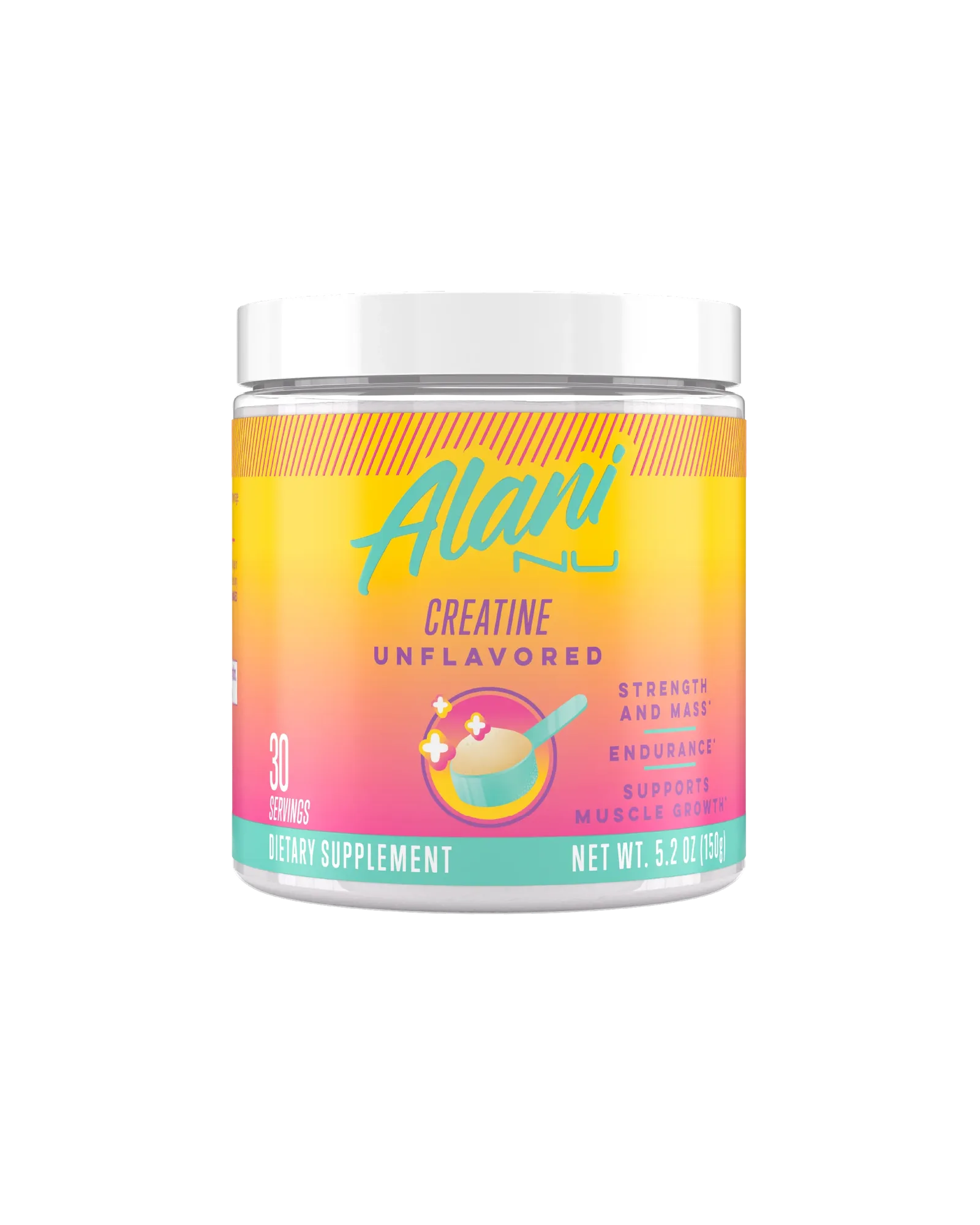
For BCAAs, check the ratio and total grams per serving. A 2:1:1 ratio is common, and some formulas add extras such as B-vitamins, magnesium, glutamine, or coconut water powder. Those additions can be useful, but they are not the same as a full electrolyte or recovery product. For creatine, look for a single ingredient, creatine monohydrate, and ignore blends that hide the dose.
If a label does not state the amount of creatine or BCAA per serving, treat that as a gap. You cannot compare products fairly without knowing how much you actually get. The same applies to sugar and calories if you are watching intake: a zero-sugar BCAA is not automatically a zero-calorie product, so read the nutrition panel.
Trade-offs: BCAA vs creatine
- Goal fit: Creatine is the stronger choice for strength, power, and lean mass. BCAAs are better suited to a zero-sugar intra-workout drink or fasted training. Pick creatine for performance; pick BCAAs for drinkability and low-calorie hydration.
- Stacking: You can take both together. Take creatine daily, and sip BCAAs during training if you want the flavour and hydration. No need to choose if you have the budget and a clear routine.
- Label check: Creatine should list creatine monohydrate with a clear dose. BCAA formulas vary in ratio, added ingredients, and sugar content. If the dose is missing, skip it.
Product facts that affect the choice
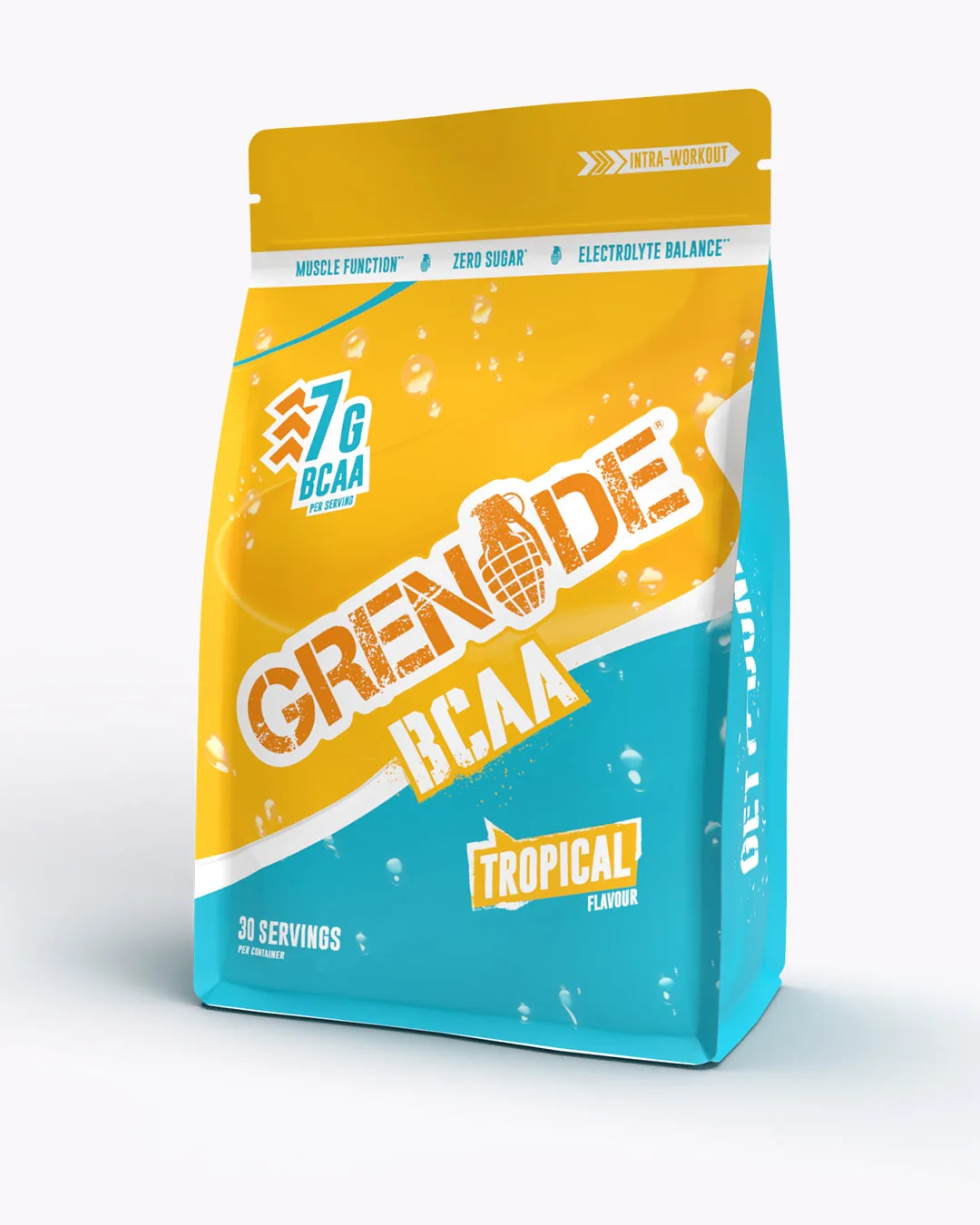
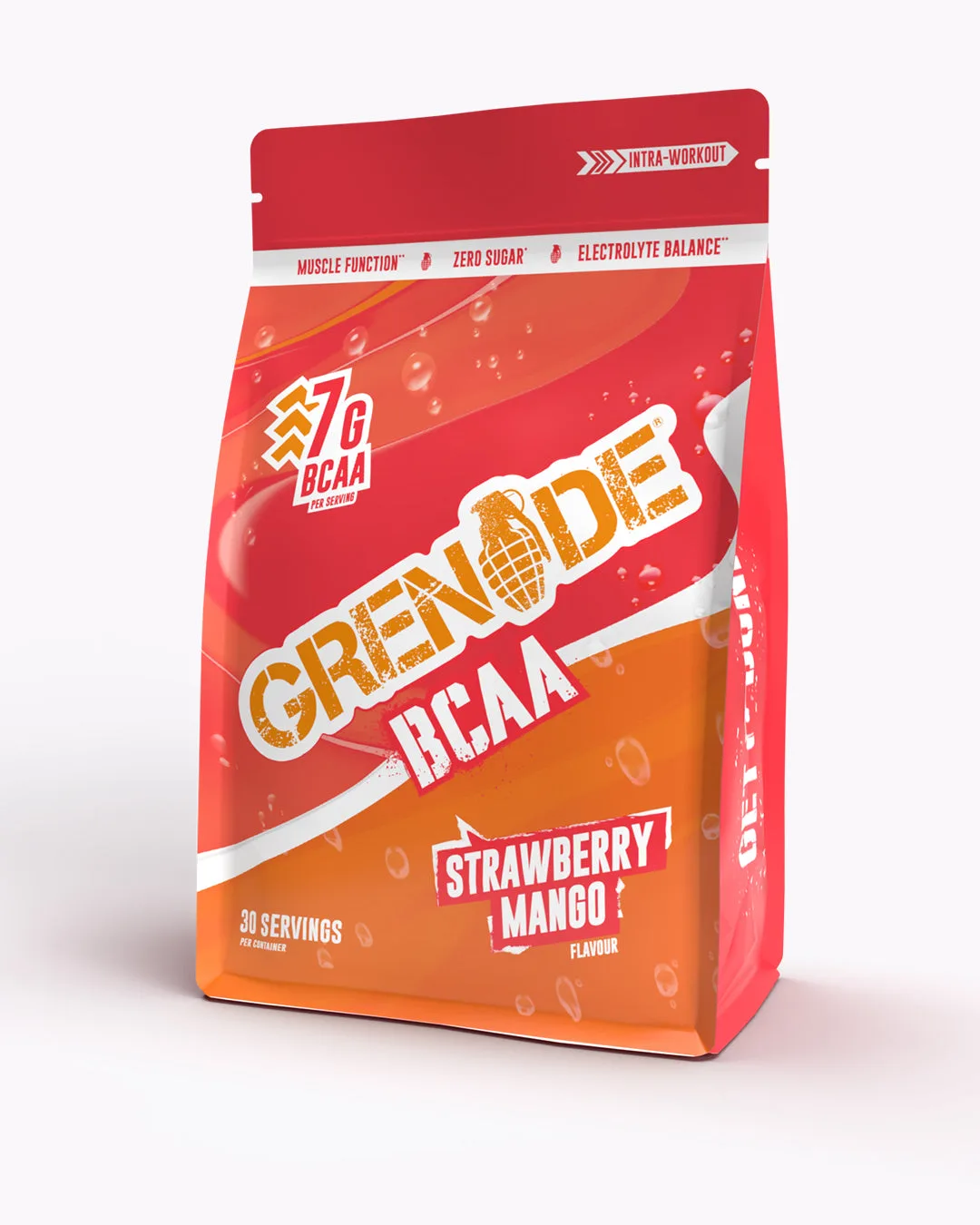
- Tropical BCAA - 390g (30 Servings): Tropical BCAA - 390g (30 Servings) delivers 7g BCAA in a 2:1:1 ratio, with added B-Vitamins, Magnesium, Glutamine and Coconut Water Powder. It is zero sugar, suitable for vegans, and Informed Sports tested. A zero-sugar, vegan-friendly intra-workout option with a 2:1:1 ratio and 30 servings. The added magnesium and coconut water powder make it a more complete drink than plain BCAAs, though it is not a creatine replacement.
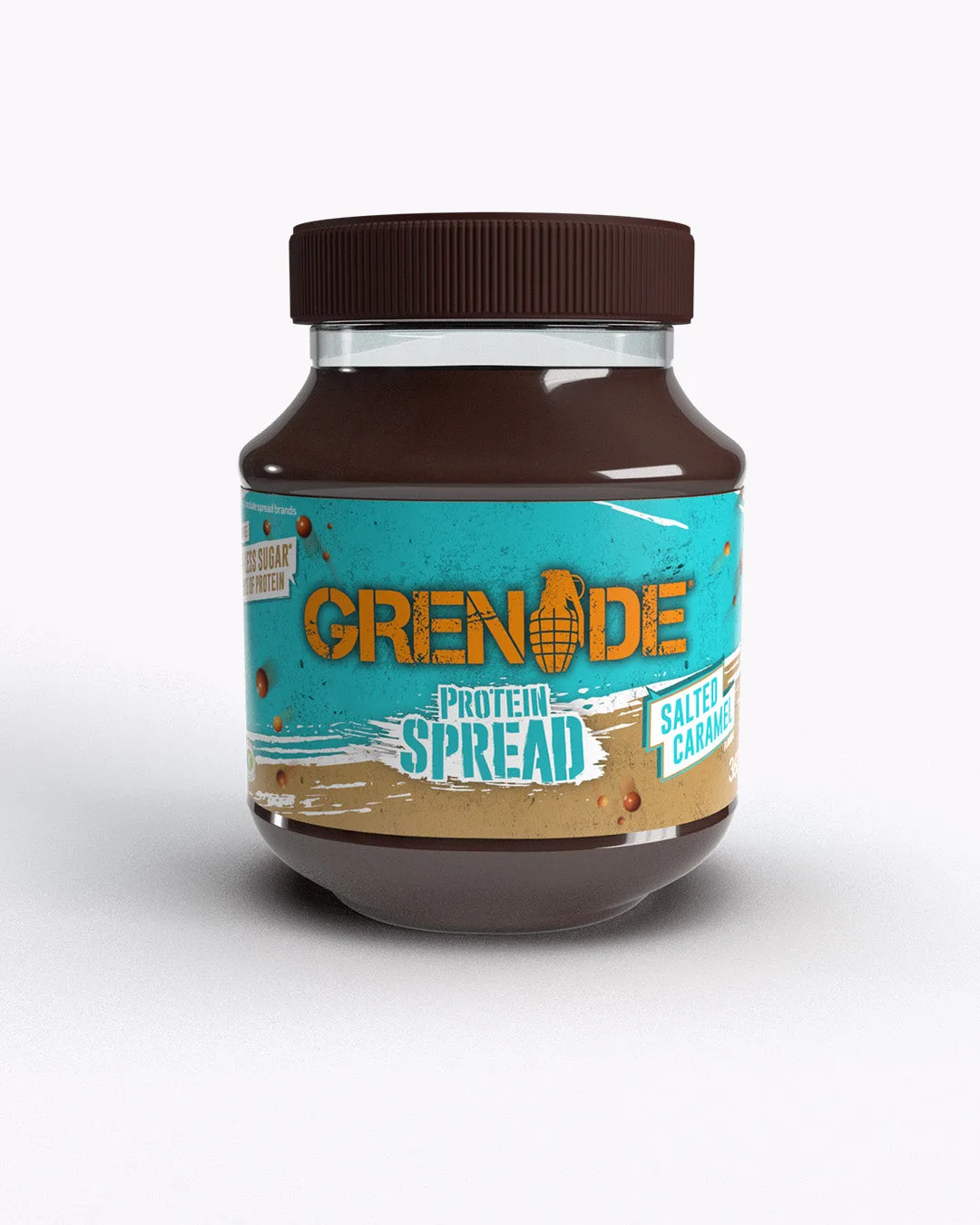
- Chocolate Salted Caramel Protein Spread: Chocolate Salted Caramel Protein Spread is high in protein and low in sugar, with 86% less sugar than leading brands, and includes milk chocolate, sea-salted caramel, and crunchy cocoa nibs. Useful if you want to add protein and flavour to breakfast or dessert without leaning on sugary spreads. It supports overall protein intake, which matters more than BCAA timing for most lifters.
Which one fits your training?
Best for
- Lifters focused on strength, power, or lean mass who want one effective daily supplement.
- Athletes doing repeated sprints or high-intensity intervals who need support for short, hard efforts.
- Anyone who wants a simple, tasteless powder that mixes into any drink.
Not for
- People who want a flavoured, zero-sugar drink to sip during training; a BCAA powder fits that better.
- Vegans looking for a zero-sugar intra-workout option; check the BCAA label instead.
- Anyone expecting creatine to replace protein, calories, or sleep.