If you’ve ever browsed the supplement aisle or scrolled through fitness forums, you’ve likely come across two acronyms: BCAA and EAA. Both are amino acid supplements designed to support muscle recovery, reduce soreness, and enhance performance. But what exactly sets them apart, and which one should you add to your stack?
In this guide, we’ll compare BCAA vs EAA in detail, covering their unique roles, benefits, and ideal use cases. Whether you’re a seasoned athlete or just starting your fitness journey, understanding these supplements will help you make an informed choice for your workout routine.
What Are BCAAs and EAAs?
Amino acids are the building blocks of protein, essential for muscle repair, growth, and overall health. There are 20 standard amino acids, nine of which are considered essential (EAAs) because your body cannot produce them on its own. BCAAs, or branched-chain amino acids, are a subset of three EAAs: leucine, isoleucine, and valine. They are unique because they are metabolised directly in muscle tissue rather than the liver, making them particularly effective for energy and recovery during exercise.
EAAs include all nine essential amino acids—histidine, isoleucine, leucine, lysine, methionine, phenylalanine, threonine, tryptophan, and valine. This complete profile means EAAs provide the full spectrum of amino acids your muscles need. While BCAAs are often praised for their rapid absorption and targeted effects, EAAs offer a more comprehensive approach to muscle protein synthesis and overall recovery.
- Tip: If you're training fasted or on a low-protein diet, EAAs may be more beneficial due to their complete amino acid profile.
Key Differences Between BCAA and EAA Supplements
The main difference lies in their composition. BCAAs contain only three amino acids, while EAAs contain all nine. This means EAAs can stimulate muscle protein synthesis more effectively because they provide the entire set of building blocks your body requires. Studies have shown that EAAs, particularly when leucine is present, trigger a stronger anabolic response compared to BCAAs alone.
Another distinction is cost and convenience. BCAA supplements are often more affordable and come in a variety of flavours, making them a popular choice for intra-workout hydration. EAAs tend to be pricier but offer a more complete solution. For example, a product like the Tropical BCAA - 390g (30 Servings) delivers a refreshing tropical taste with the three key branched-chain amino acids, perfect for sipping during exercise. On the other hand, EAA blends are ideal for those who want a full amino acid profile without relying on whole food sources.
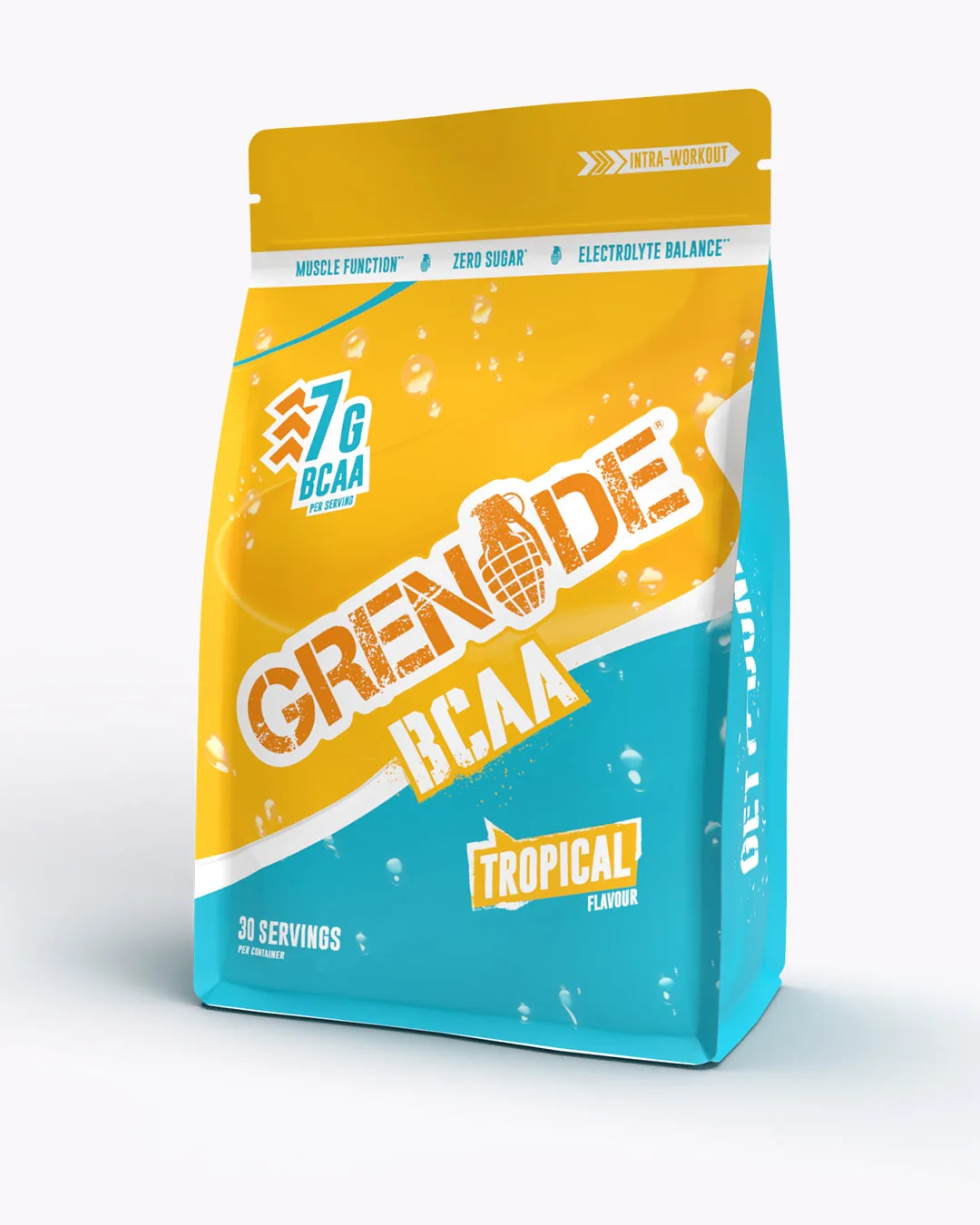
Tropical BCAA - 390g (30 Servings)
- BCAAs: Best for quick energy and reducing muscle soreness during workouts.
- EAAs: Superior for muscle protein synthesis and overall recovery, especially post-exercise.
When to Use BCAA vs EAA
The timing of your supplement intake can influence its effectiveness. BCAAs are often taken during workouts to combat fatigue and prevent muscle breakdown, particularly in fasted training sessions. They can also be used as a pre-workout to boost energy levels. Many athletes find that a BCAA drink helps them push through long cardio sessions or high-volume weight training.
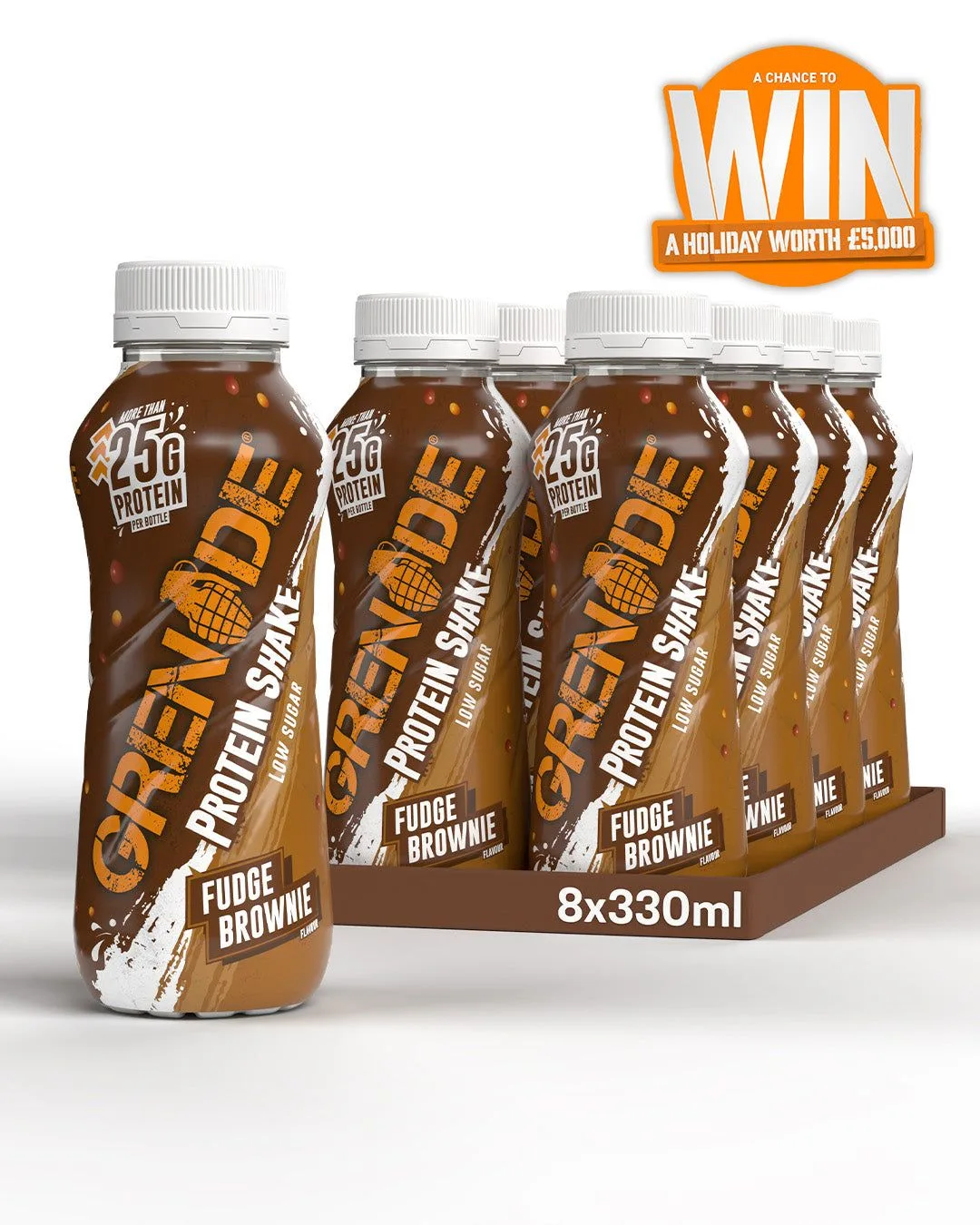
EAAs, however, are more versatile. They can be consumed before, during, or after exercise, but they shine in the post-workout window when your muscles are primed for repair. For those who train multiple times a day or follow a calorie-restricted diet, EAAs help bridge the gap between meals. If you prefer a convenient option, ready-to-drink shakes like the Fudge Brownie Protein Shake (8 Pack) 330ml or the Strawberries and Cream Protein Shake (8 Pack) 330ml provide a complete protein source, though they are not strictly amino acid supplements.
- Use BCAAs intra-workout for sustained energy and reduced soreness.
- Use EAAs post-workout or between meals for optimal muscle repair.
Which One Should You Choose?
Your choice ultimately depends on your goals, diet, and workout intensity. If you’re already consuming adequate protein from whole foods, BCAAs can be a cost-effective way to support your training. They are particularly useful for endurance athletes or those who train in a fasted state. For example, adding a scoop of Tropical BCAA to your water bottle is a simple way to stay hydrated and energised during a run or HIIT session.
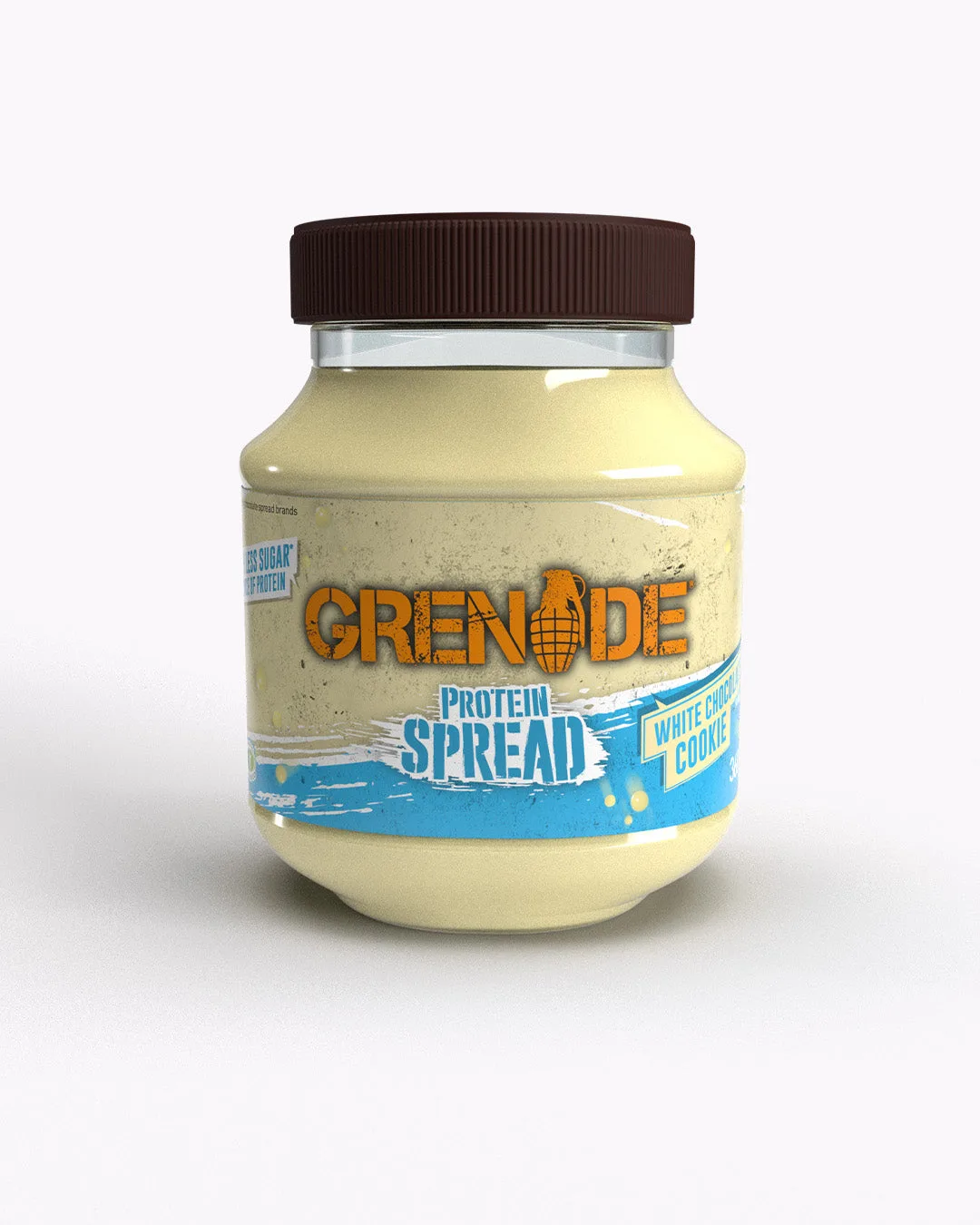
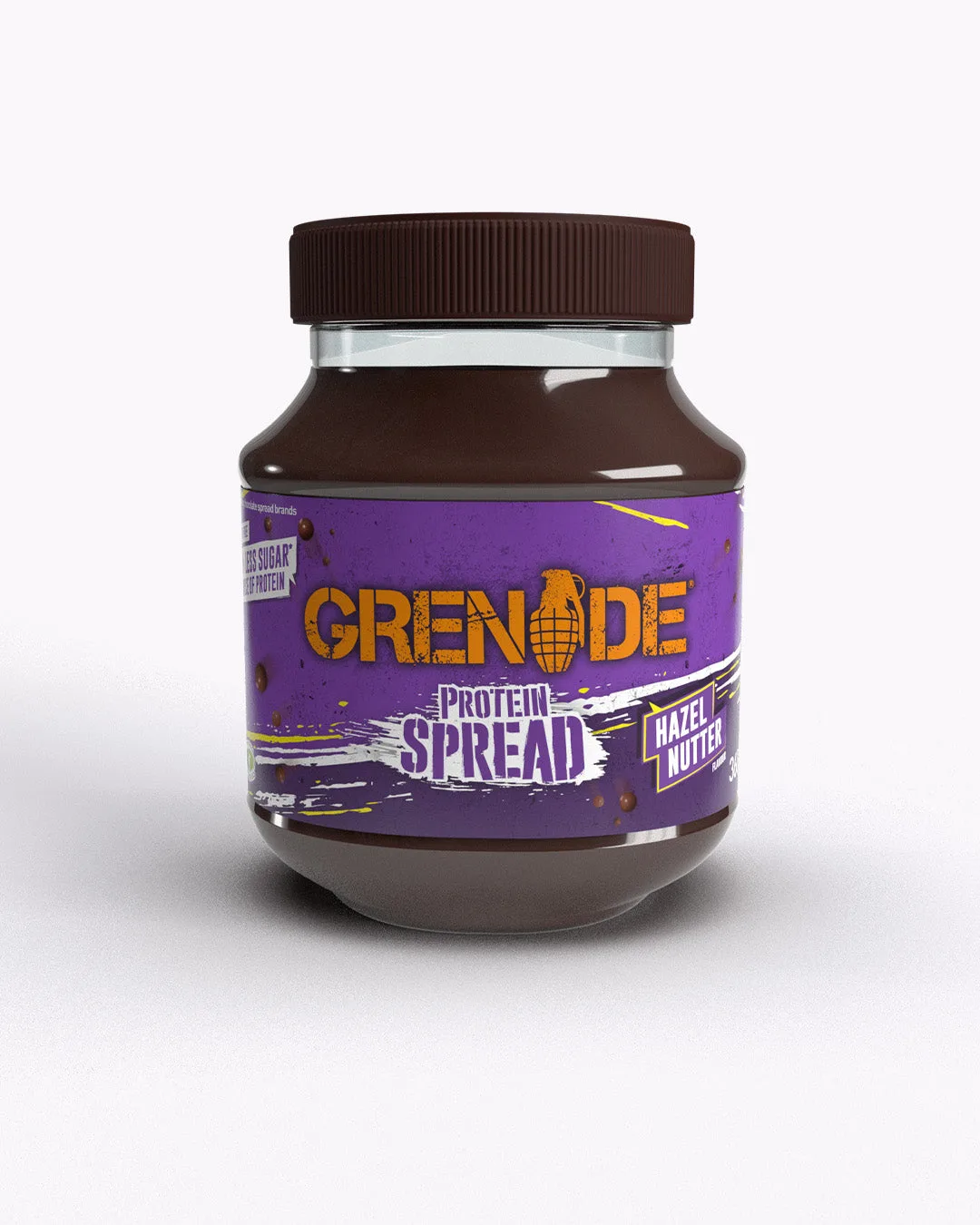
If your diet is lower in protein or you’re looking for maximum muscle growth, EAAs are the better investment. They ensure your body has all the essential amino acids needed for recovery. For a tasty treat that also supports your protein intake, consider a spread like White Chocolate Cookie Protein Spread or Hazel Nutter Protein Spread, which pair well with whole foods. Ultimately, both supplements have their place, and many athletes rotate between them based on their training phase.
- Budget-friendly: BCAAs are generally cheaper per serving.
- Comprehensive: EAAs provide a complete amino acid profile for better results.
Deciding between BCAA and EAA supplements comes down to your individual needs. For targeted intra-workout support, BCAAs are a solid choice. For comprehensive recovery and muscle building, EAAs offer a more complete solution. Whichever you choose, consistency is key. Explore our range of high-quality amino acid supplements to find the perfect fit for your routine.