Quick answer
Pack one bag your child can carry, not three you have to. Start with a collapsible bucket that holds the small toys, add one soft comfort item for the ride home, and keep a board book for the shady hour when the sun is too strong. Everything else—towels, snacks, water—fits around those anchors.
The three-anchor rule for a kids beach bag
Most beach bags fail because they are packed like a picnic: flat, stacked, and impossible to dig through once sand gets in. Pack around three anchors instead. Anchor one is a container that doubles as a toy—something that holds the small pieces and still works when it is half full of sand. Anchor two is one soft item that gives your child something to hold when the day gets long. Anchor three is a quiet activity for the hottest part of the afternoon.
Once those three are in, add consumables last: sunscreen, water, a snack that does not melt, and a towel per person. If it does not fit around the anchors, it does not come.
Why collapsible beats rigid for beach toys for toddlers
A rigid plastic bucket takes up the same space empty as full, and it traps wet sand at the bottom. A collapsible bucket flattens for the trip there and the trip home, which matters if you are carrying the bag yourself. Look for a mesh bottom if you can find one—sand drains out instead of turning into a slurry that coats every other item in the bag.
If your child is still in the throw-everything phase, choose a bucket with a mesh pocket for small pieces so the shovel and molds do not disappear into the sand. Fewer loose parts means fewer tears at cleanup time.
Sun, shade, and the items parents forget
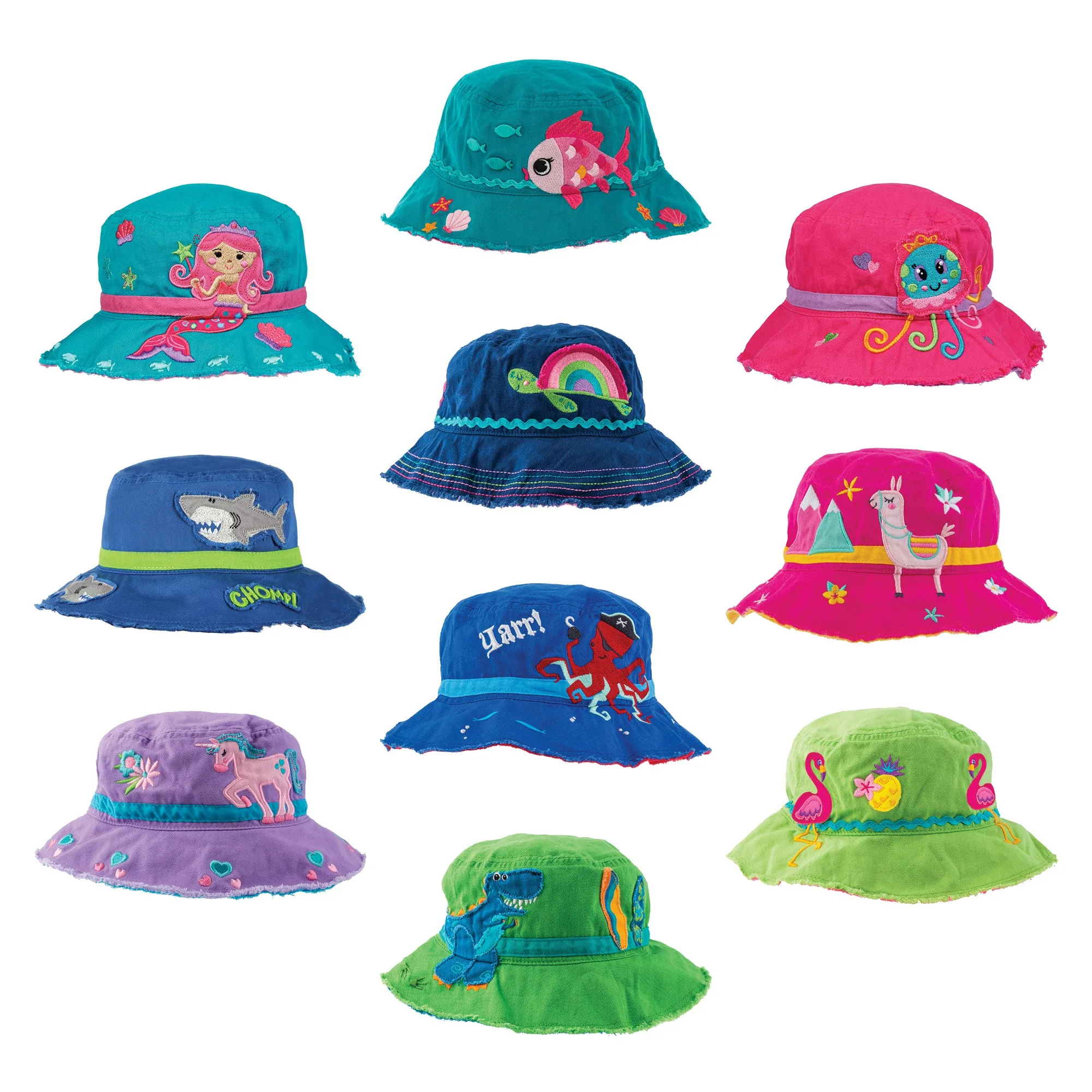
A hat and a rash guard do more for a beach day than any toy. Bring a light long-sleeve layer even when it is hot, because wind on wet skin cools kids down faster than adults expect. A small shade tent or a large umbrella is worth the carry if you plan to stay past lunch.
For the ride home, keep a dry bag or a plastic sack for wet suits and towels. If you have room, a spare set of clothes in the car prevents a sandy car seat. These are the items parents most often leave behind, and they are the ones that decide whether the drive home is calm.
How to pack so your child can actually carry it
Give your child a bag with two handles or a crossbody strap, and keep the weight under about ten percent of their body weight. A bag that is too heavy gets dropped in the sand, and then you are carrying two bags. Pack the heaviest items closest to their back, and put the soft comfort item on top so it is the first thing they find.
If you are bringing a stroller, hang the bag on the handle instead of stuffing it underneath—you will use it more often if it is visible. If you are walking, a backpack-style bag keeps hands free for holding hands.
Decision rules: what to bring and what to leave
- If your child is under 3: Skip small loose parts and bring one large container plus one soft item. A collapsible bucket with a mesh pocket keeps the few pieces together, and a plush doll handles the meltdown window. Fewer pieces, bigger pieces.
- If you are flying or taking public transit: Choose gear that flattens. A collapsible bucket packs flat in a suitcase, and a board book is lighter than a bag of plastic toys. Leave rigid buckets and sand molds at home. Pack flat, not full.
- If you are driving and staying all day: Bring the shade, the spare clothes, and the dry bag. You have room, and these are the items that prevent the worst part of the day—the sandy, tired ride home. Comfort and cleanup beat extra toys.
- If your child insists on carrying the bag: Weigh it before you leave. Under ten percent of their body weight is the practical limit. If it is heavier, move the water bottle and towel to your own bag. A bag they can carry is a bag you do not carry.
Products that fit this checklist
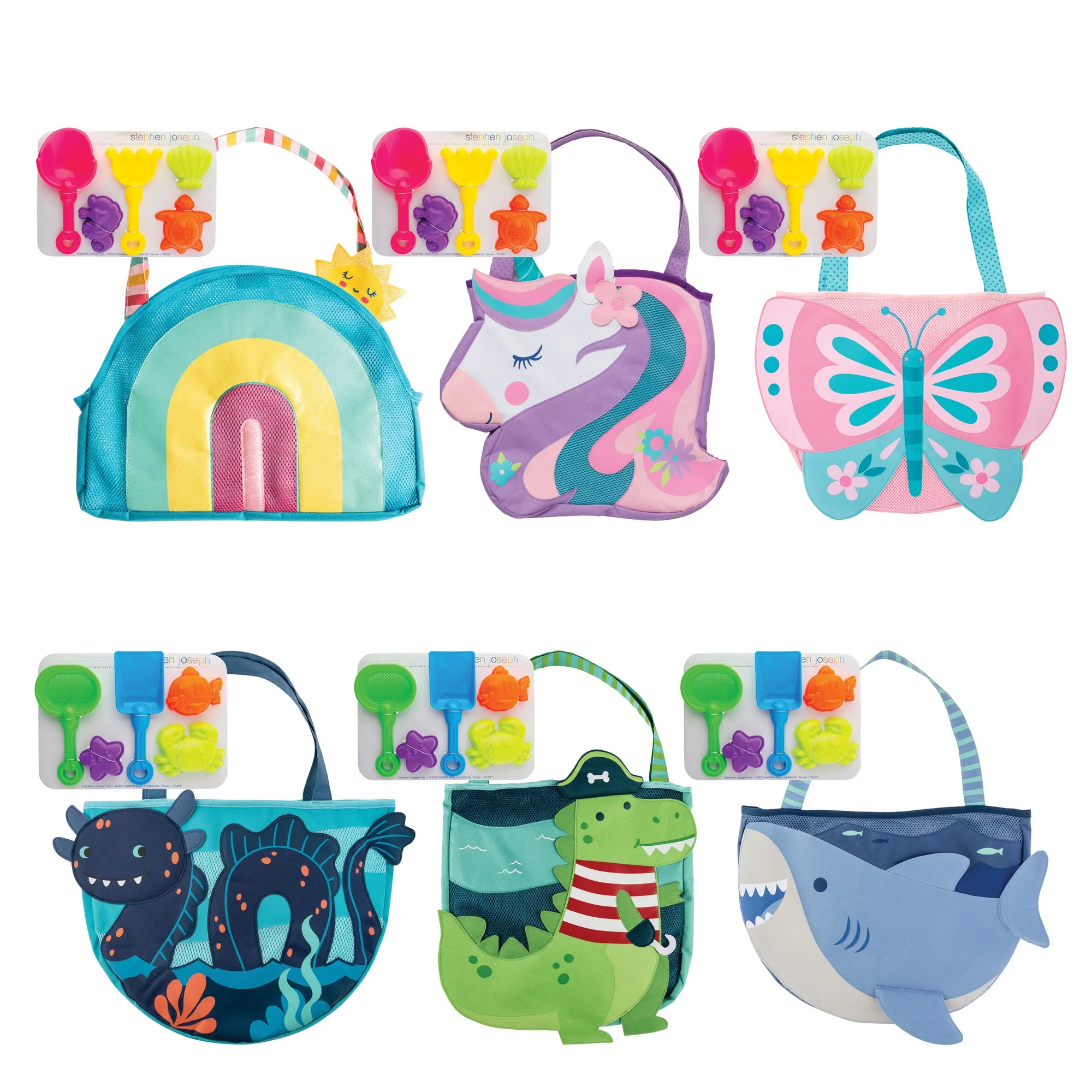
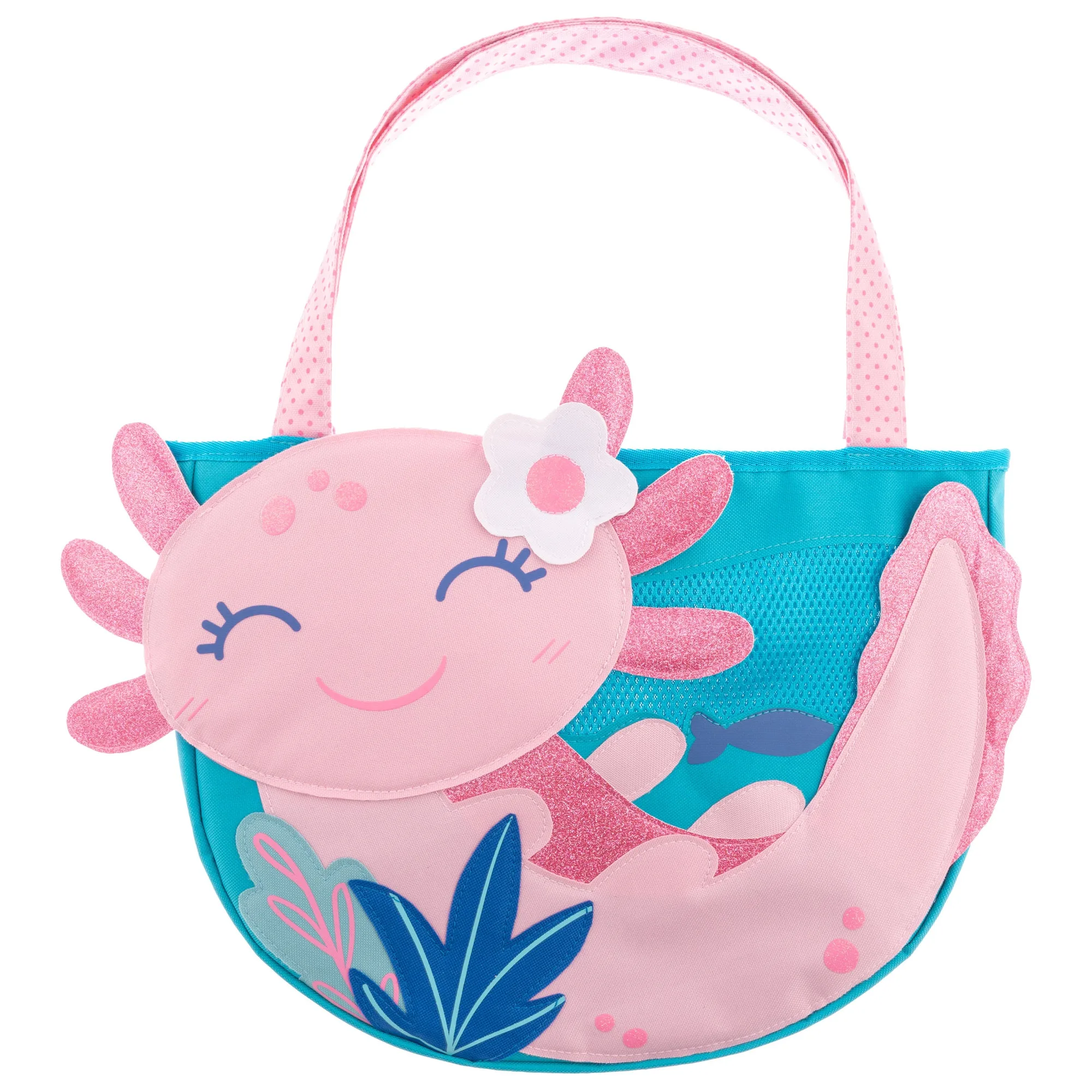
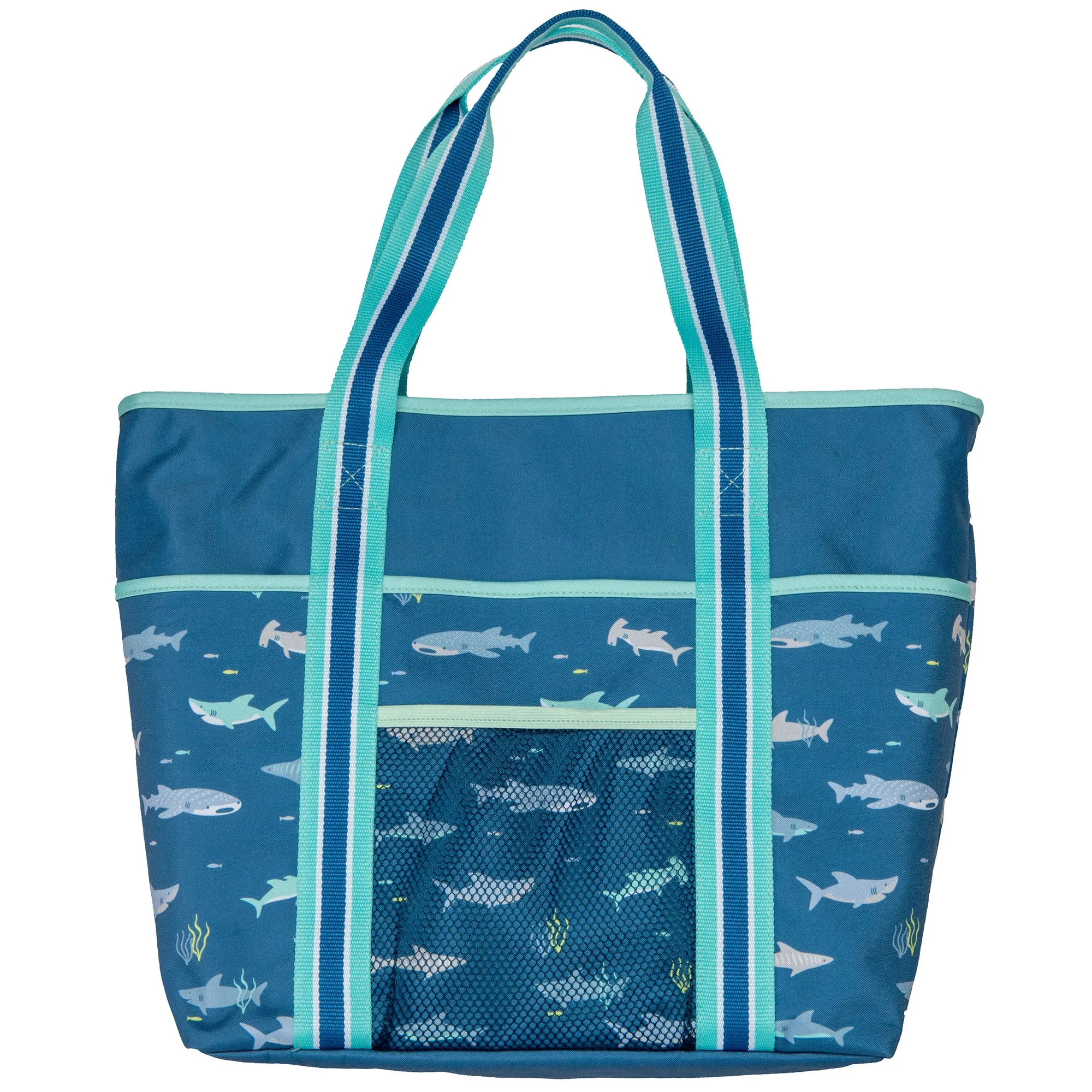
- Collapsible Beach Buckets: Collapsible Beach Buckets are lightweight, collapse flat for packing, and come with 4 sand toys plus a mesh pocket and mesh bottom that lets sand drain away. This is the anchor container: it holds the small toys, drains instead of trapping wet sand, and takes almost no space in the bag or suitcase on the way home.
- Super Soft Plush Dolls Small: Super Soft Plush Dolls Small are cuddly stuffed animals with unique details, a character name, and a back story. A soft comfort item earns its place in the bag for the ride home and for the moment your child needs a break from the sun and noise.
- Board Book: Board Book includes 3D movable and textured pieces and coordinates with Stephen Joseph Plush Dolls. This is the quiet-hour activity. It pairs with the plush doll you already packed, so one comfort item and one book cover the whole afternoon.
Who this checklist is for
Best for
- Parents of toddlers and preschoolers who want a light, carryable beach bag
- Families who drive to the beach and stay for a few hours
- Anyone who wants beach toys that pack flat and drain sand
Not for
- Families planning a full-day beach setup with chairs, coolers, and a wagon—you will need a larger gear list
- Parents looking for swim gear or eyewear; this checklist covers toys, comfort items, and quiet activities only
- Older kids who want sports equipment or boogie boards instead of sand toys