If you have sensitive skin, finding the right beard balm can feel like a minefield. One wrong ingredient can trigger redness, itching, or even a full-blown breakout. But the right balm can soothe, moisturize, and protect your skin while keeping your beard looking sharp. This guide breaks down exactly what to look for—and what to avoid—when shopping for a beard balm for sensitive skin.
We'll cover common irritants, beneficial ingredients, and specific considerations for conditions like eczema and rosacea. Plus, we'll highlight some standout products from Beard Care Club that are gentle enough for even the most reactive skin.
Why Sensitive Skin Reacts to Beard Balm
Sensitive skin is more reactive to environmental and chemical triggers. When you apply a beard balm, the ingredients are absorbed through the skin beneath your beard. If those ingredients include common allergens or irritants, your skin can quickly become red, itchy, or inflamed. The most frequent culprits are synthetic fragrances, essential oils, and certain preservatives.
Many commercial beard balms use strong essential oils—like peppermint or cinnamon—to add scent and a cooling sensation. While these may feel invigorating to some, they can cause severe irritation for others. Similarly, artificial dyes and alcohol-based ingredients can strip the skin of its natural oils, leading to dryness and flakiness.
- Always patch-test a new balm on a small area of skin before applying it to your face.
Key Ingredients to Look For
When choosing a beard balm for sensitive skin, prioritize simple, natural ingredients that are known for their soothing properties. Shea butter is a superstar: it’s rich in vitamins A and E and deeply moisturizes without clogging pores. Jojoba oil closely mimics the skin’s natural sebum, making it an excellent conditioner that won’t trigger breakouts. Beeswax provides a protective barrier that locks in moisture and holds your beard in place.
Other beneficial additions include chamomile extract, which has anti-inflammatory properties, and aloe vera, which calms irritation. Look for balms that are fragrance-free or lightly scented with safe, non-irritating essential oils like lavender or sweet orange. The Vermont Maple Beard Balm is a great example—it uses natural ingredients and has a mild, soothing scent that’s less likely to cause problems.
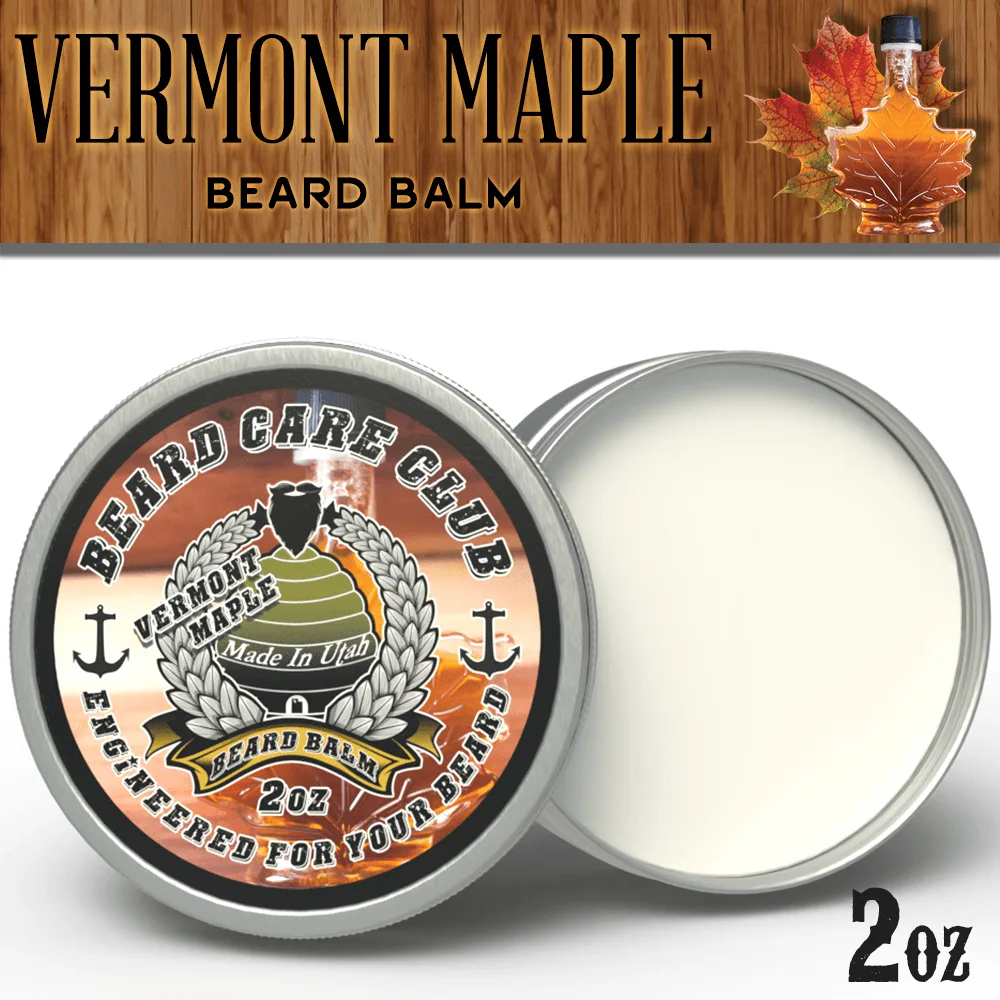
Vermont Maple Beard Balm
- Check the ingredient list for the first few components—they make up the majority of the product.
Ingredients to Avoid
Just as important as what to include is what to exclude. Steer clear of balms containing synthetic fragrances, which are among the most common allergens. Also avoid high concentrations of essential oils, especially citrus or mint oils, which can be phototoxic or overly stimulating. Alcohol (like SD alcohol or denatured alcohol) can be very drying and irritating. Sulfates and parabens are other potential irritants that offer no benefit to your skin.
If you have a known allergy, always read the full ingredient list. Some balms use nut oils, such as almond or argan oil, which can be problematic for those with nut allergies. When in doubt, choose a balm with a shorter ingredient list—fewer ingredients mean fewer chances for a reaction.
- Avoid balms with 'fragrance' or 'parfum' listed as an ingredient, as these are often undisclosed chemical mixtures.
Beard Balm for Eczema and Rosacea
Eczema and rosacea are chronic skin conditions that require extra care. Eczema-prone skin is often dry and itchy, so a beard balm should be rich in emollients like shea butter and squalane. Look for balms with colloidal oatmeal, which is FDA-approved to relieve itching and inflammation. For rosacea, avoid anything with heavy fragrances or harsh exfoliants. Stick to balms that are fragrance-free and contain soothing ingredients like green tea extract or bisabolol.
The Heathen Beard Balm is a solid choice for these conditions because it’s made with natural ingredients and doesn’t rely on harsh chemicals. Its formula focuses on hydration and protection, which is exactly what reactive skin needs.
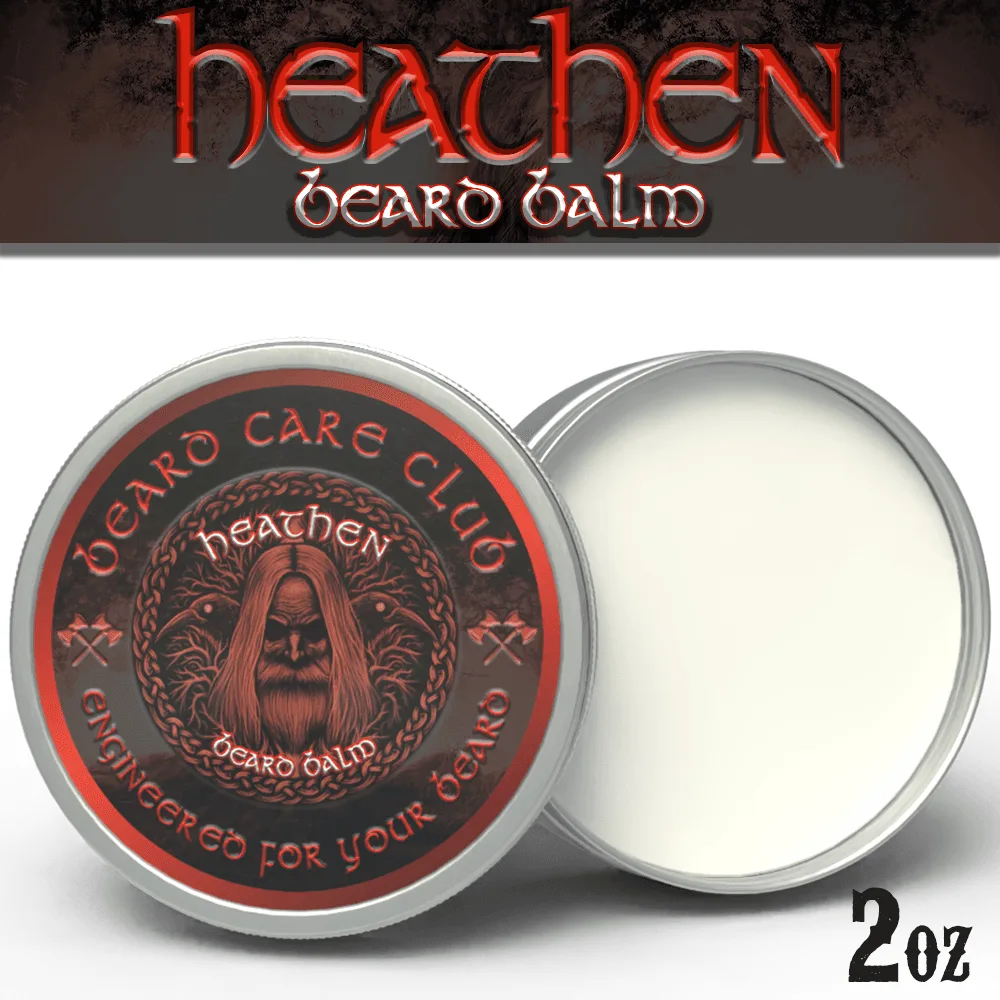
Heathen Beard Balm
- Always consult a dermatologist before introducing new products if you have a chronic skin condition.
How to Test a New Beard Balm Safely
Even with the best ingredients, everyone’s skin is different. To minimize the risk of a reaction, follow this simple patch test: apply a small amount of balm behind your ear or on the inside of your wrist. Wait 24 hours and check for any redness, itching, or swelling. If your skin stays calm, it’s likely safe to use on your face.
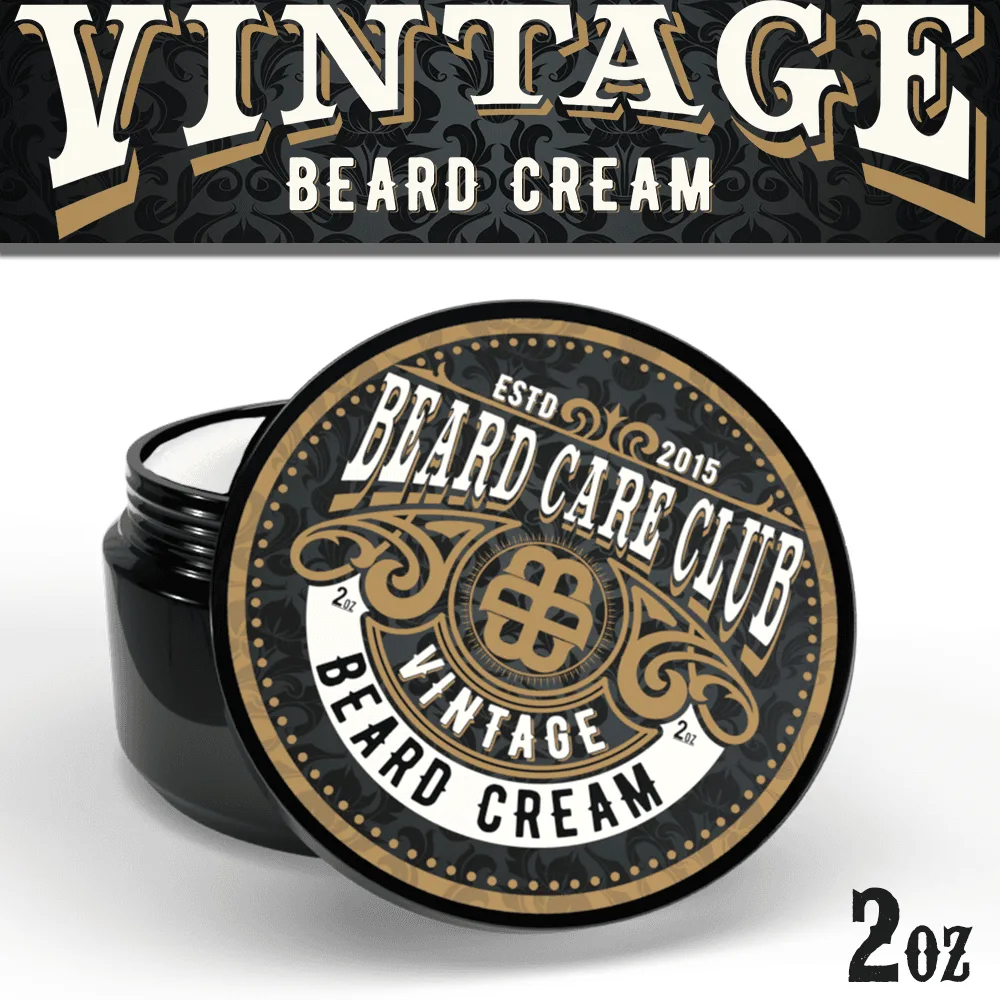
When you do start using the balm, apply it sparingly at first. You can always add more, but you can’t take it away once it’s on your skin. Also, consider using a balm that also conditions your beard, like the Vintage Beard Cream, which is lighter and may be easier to tolerate than a heavy wax.
- Keep a journal of products you’ve tried and how your skin reacted—it helps you spot patterns.
Finding a beard balm for sensitive skin doesn’t have to be a trial-and-error nightmare. Focus on simple, natural ingredients, avoid known irritants, and always patch-test. With the right product, you can enjoy a soft, manageable beard without compromising your skin’s health. Explore our collection of gentle, effective balms to find your perfect match.