If you're new to beard grooming, you've probably noticed two products that look almost identical: beard balm and beard butter. They come in similar tins, have similar scents, and promise similar results. But they're not the same. Understanding the difference between beard balm and beard butter can save you from buying the wrong product and help you get the exact style and moisture your beard needs.
In this guide, we'll break down the key differences between beard balm and beard butter, from ingredients to hold strength, and help you decide which one deserves a spot in your daily routine. Whether you're growing a thick Viking beard or maintaining a short, neat style, knowing when to use balm vs butter is a game-changer.
What Is Beard Balm?
Beard balm is a styling product that typically combines a base of carrier oils, butters, and waxes. The wax content is what gives balm its hold. It's designed to tame flyaways, shape your beard, and provide a light to medium hold throughout the day. Balms often contain beeswax, which creates a protective barrier on the hair, sealing in moisture and shielding your beard from environmental stressors like wind and sun.
Because of its styling properties, beard balm is often compared to a hybrid between a conditioner and a light pomade. It's perfect for beards that are at least a few weeks old and need a bit of discipline. If you're looking for a product that both nourishes and styles, a quality balm like No Quarter Beard Balm is a solid choice. It's crafted with premium ingredients that condition while providing that reliable hold.
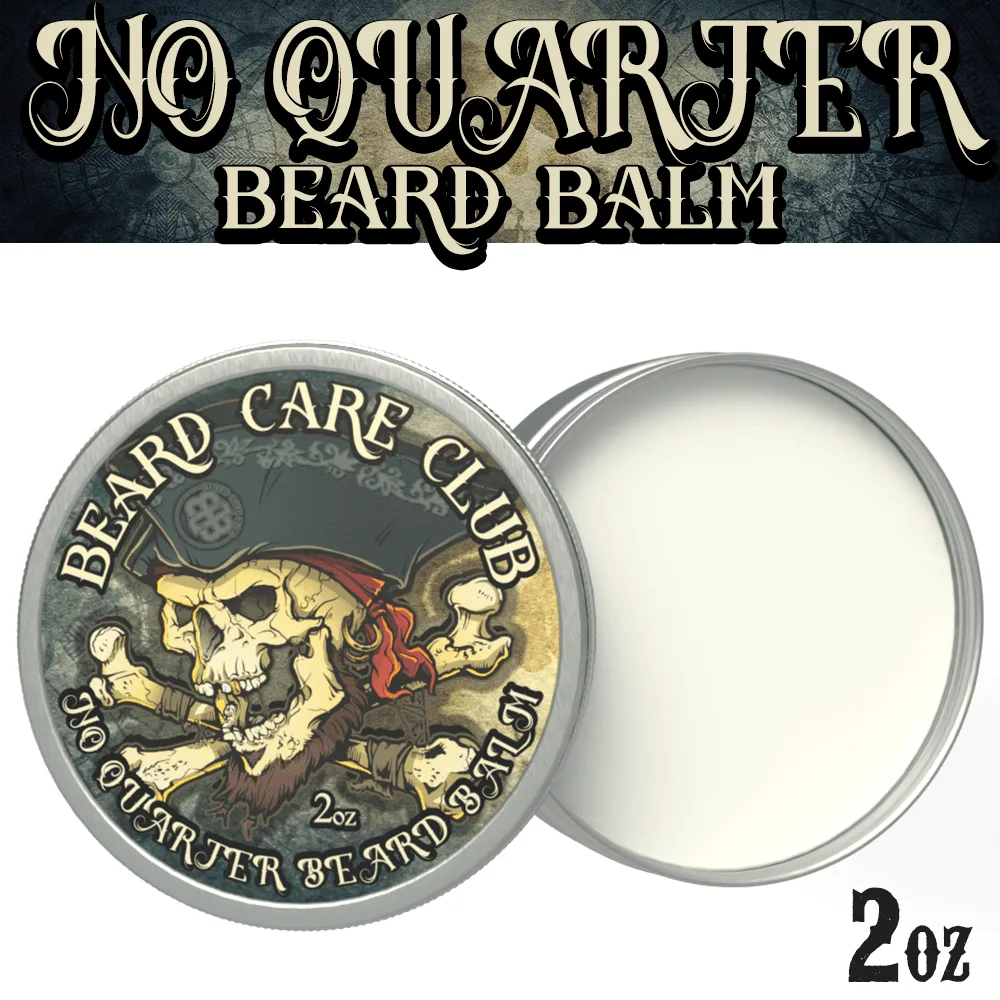
No Quarter Beard Balm
- Key ingredients: carrier oils, shea butter, beeswax, essential oils
- Best for: styling, taming, light to medium hold
- Texture: firm and waxy
What Is Beard Butter?
Beard butter is all about deep conditioning and softness. It's made with a higher concentration of butters, such as shea butter, cocoa butter, and mango butter, with little to no wax. This makes it a rich, creamy moisturizer that absorbs into both your beard hair and the skin underneath. Beard butter is ideal for dry, itchy beards and for men who want maximum softness without any stiffness.
Since beard butter has no hold, it won't style your beard or keep it in place. Instead, it acts as an intensive leave-in conditioner. If you're dealing with beardruff (beard dandruff) or rough, brittle hair, incorporating a butter into your routine can transform the feel of your beard. For a nourishing option, consider Coquito Beard Balm, which, despite its name, has a buttery texture that melts into the hair, offering intense hydration with a subtle tropical scent.
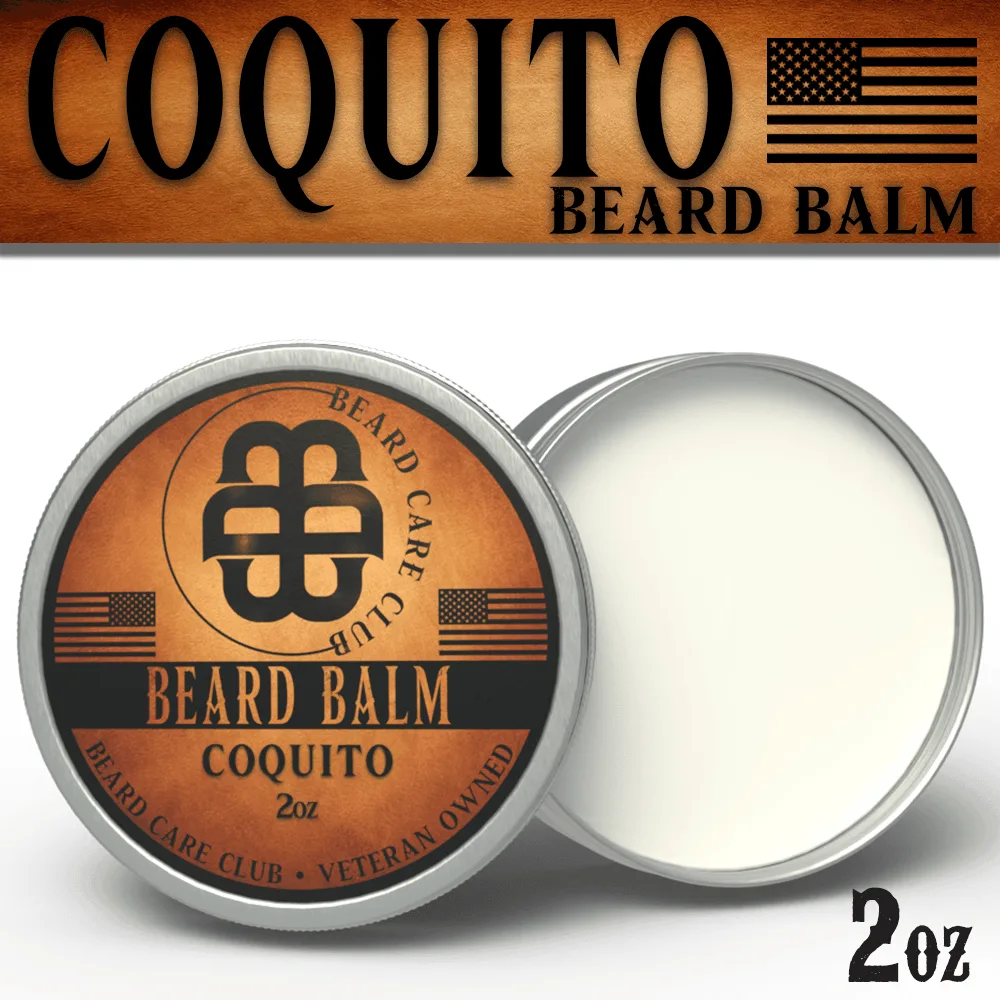
Coquito Beard Balm
- Key ingredients: shea butter, cocoa butter, carrier oils, essential oils
- Best for: deep conditioning, softness, skin moisture
- Texture: soft, creamy, melts on contact
Beard Balm vs Beard Butter: The Main Differences
Now that you know what each product is, let's compare them side by side. The primary difference lies in the ratio of butters to waxes. Balm has a higher wax content for hold, while butter is almost all butter for moisture. This affects everything from application to results.
Hold: Beard balm provides a light to medium hold, which helps shape your beard and keep stray hairs in place. Beard butter offers zero hold, so it's purely a moisturizer. If you need to style your beard, balm is the winner. If you just want softness, butter is your go-to.
Moisture: Beard butter is more moisturizing because it's packed with butters that deeply penetrate the hair shaft. Balm also moisturizes, but its wax component can sit on the surface, sealing in moisture rather than adding as much. For very dry beards, butter is more effective.
Scent: Both products often come in a variety of scents, but balm's wax base can make the scent linger longer. Butter scents tend to be more subtle and fade quicker.
Skin benefits: Beard butter is excellent for the skin under your beard, as it's easily absorbed and can soothe irritation. Balm creates a protective layer that may be better for harsh weather conditions.
- Balm = hold + moisture; Butter = intense moisture, no hold
- Balm for styling, butter for softness
- Balm for cold weather, butter for dry indoor environments
When Should You Use Beard Balm?
Beard balm is your best friend when you need to control your beard. If you have a medium to long beard that tends to curl, stick out, or look unruly, a balm will help you tame it. It's also great for shaping your beard into a specific style, like a point or a rounded chin. The wax in balm gives you that light hold that lasts all day without feeling stiff or crunchy.
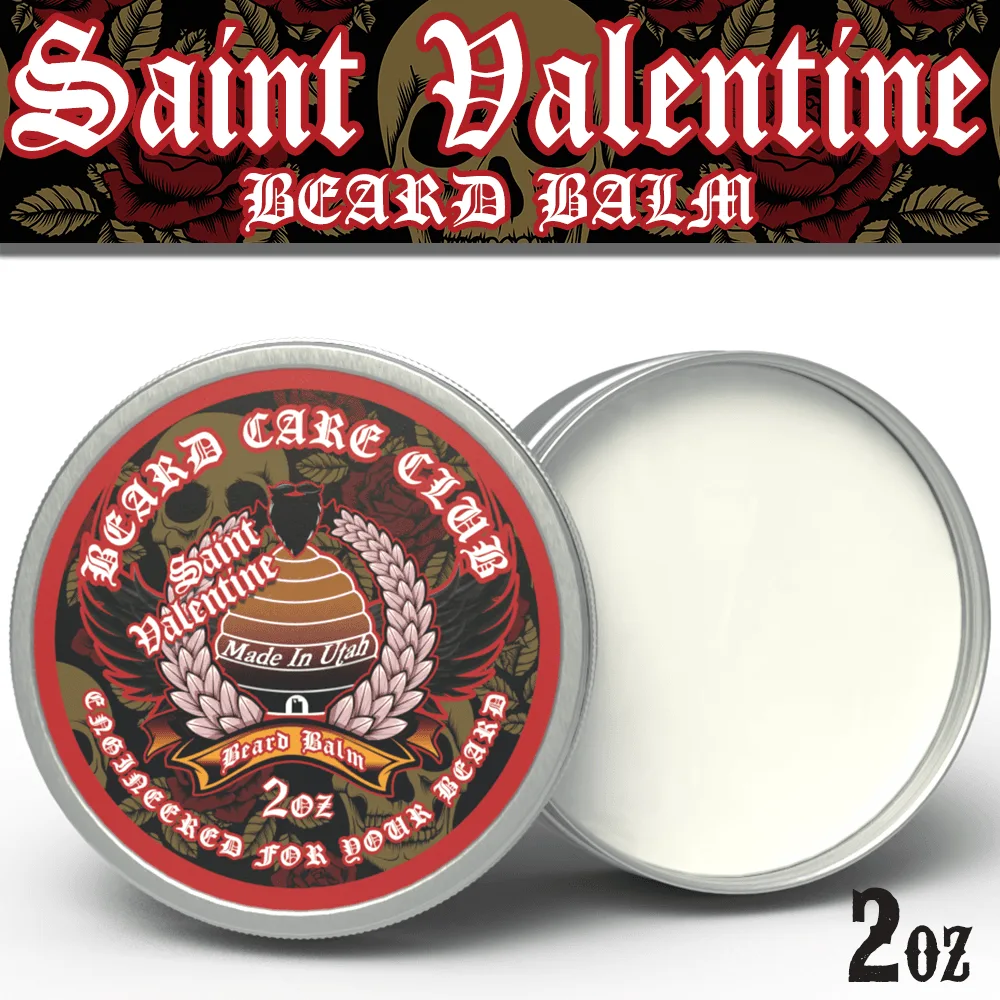
Another time to reach for balm is during the colder months. The wax creates a barrier that protects your beard from wind and cold, preventing moisture loss and breakage. For a reliable everyday balm, try Son Of Thunder Beard Oil — wait, that's an oil. For balm, consider Saint Valentine Beard Balm, which offers a pleasant scent and a solid hold that keeps your beard in check.
When Should You Use Beard Butter?
Beard butter is ideal for nighttime or for days when you don't need to style. If you work from home or have a relaxed weekend, apply butter to give your beard a deep conditioning treatment. It's especially beneficial for men with coarse, curly, or dry hair, as the rich butters soften the hair and reduce frizz.
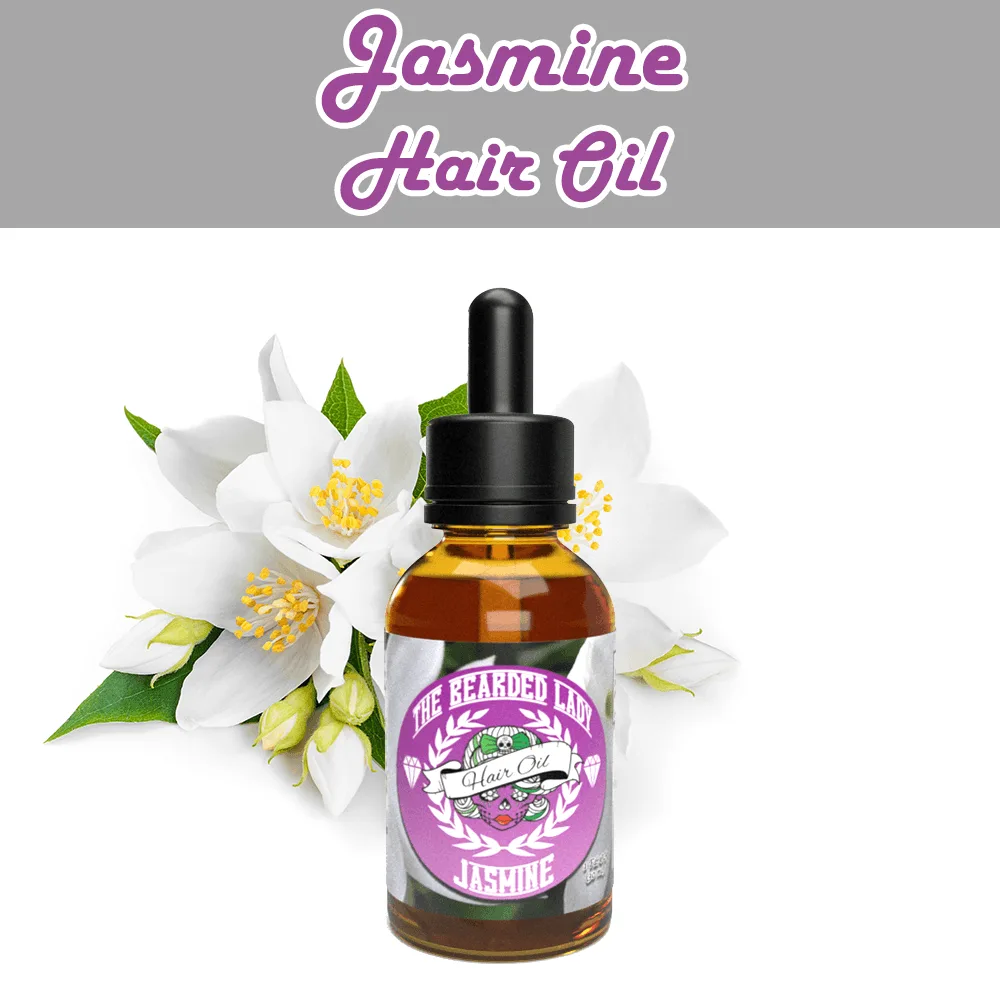
If you're dealing with an itchy, flaky beard, butter is your savior. The moisturizing properties soothe the skin and prevent dandruff. You can also use a small amount of butter as a pre-styler: apply it before your balm to get both moisture and hold. For a luxurious option, The Bearded Lady Hair Oil - Jasmine is a great choice, though it's an oil; for butter, consider Vanillawood Beard Oil — again, that's an oil. For a true butter, look for products labeled specifically as beard butter, or try Orange You Glad I Didn't Say Banana Beard Cream, which offers a similar rich conditioning effect.
Can You Use Both Beard Balm and Beard Butter?
Absolutely! Many bearded gentlemen use both products in their routine. The key is to layer them correctly. Start with a small amount of beard butter to moisturize and soften your beard. Massage it in, making sure it reaches the skin. Then, follow with a bit of beard balm to style and seal in the moisture. This combination gives you the best of both worlds: deep conditioning and a polished look.
This method works especially well for longer beards that need extra moisture and control. Just remember to use less than you think you need, as layering can easily lead to a greasy beard. Start with a pea-sized amount of each and adjust based on your beard's length and thickness.
How to Choose Between Beard Balm and Beard Butter
When deciding between balm and butter, consider your beard length, your styling needs, and your skin sensitivity. If you have a short beard (up to a few inches) and want a neat look, a balm is all you need. If your beard is longer and tends to be dry or frizzy, a butter is essential for moisture. If you have sensitive skin, butter is gentler because it absorbs quickly and doesn't leave a waxy residue.
Another factor is the climate. In humid summers, butter can make your beard feel heavy, so a lighter balm might be better. In dry winters, butter helps combat the lack of moisture in the air. Ultimately, it's about personal preference. Some guys love the hold of balm, while others swear by the softness of butter.
In the battle of beard balm vs beard butter, there's no clear winner — it all depends on what your beard needs. Balm is your styling ally, while butter is your hydration hero. Many beardsmen keep both on hand and use them in different situations. If you're ready to upgrade your beard game, explore our range of premium balms and butters, like the No Quarter Beard Balm, and discover the difference a quality product can make.