Growing a beard is a journey, but keeping it looking its best requires the right tools. Two of the most essential grooming accessories are the beard comb and the beard brush. While they might seem interchangeable, each serves a unique purpose and is better suited for different beard types and stages of growth.
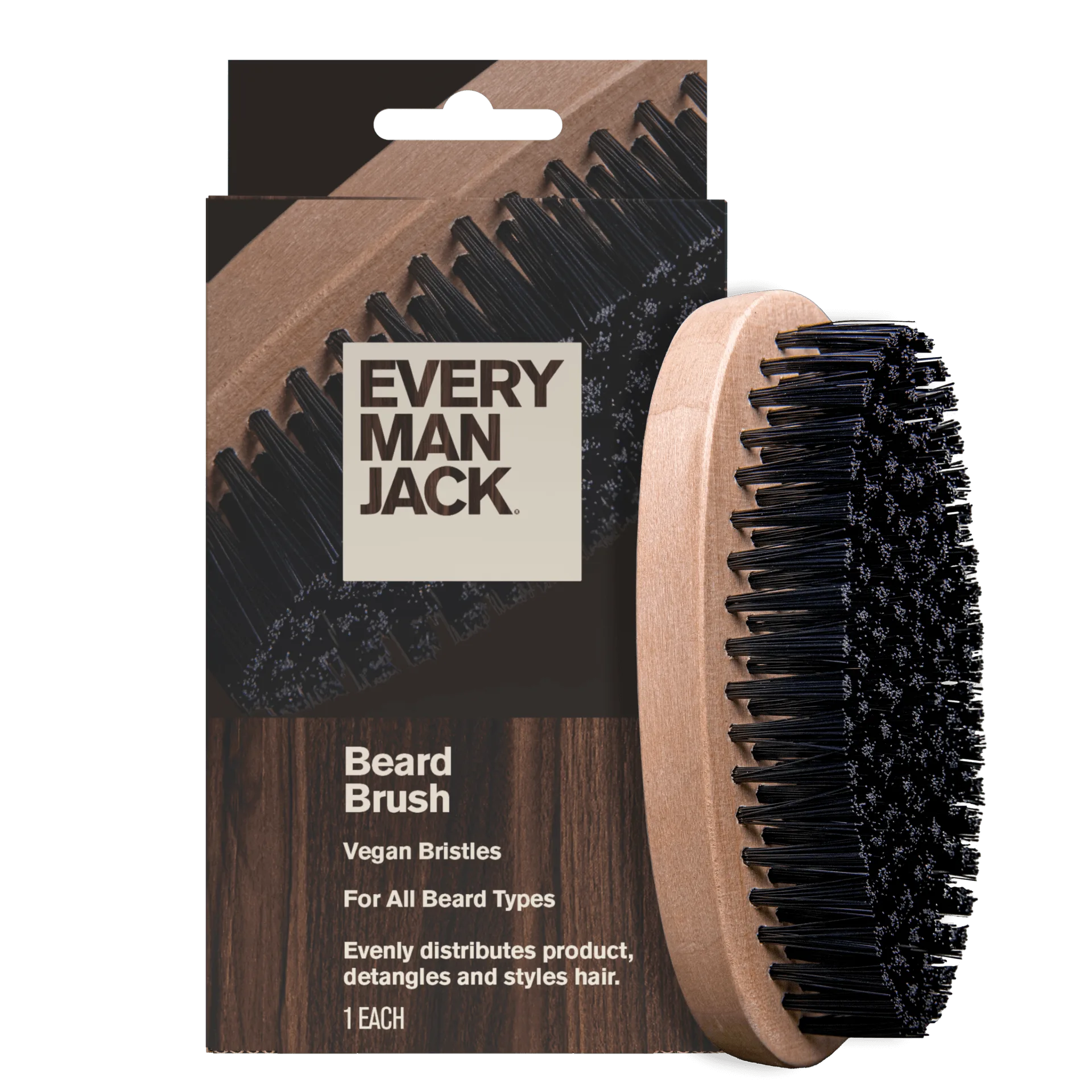
beard brush
In this guide, we’ll break down the differences between beard combs and brushes, help you decide which one is best for your beard, and show you how to use them effectively. Whether you’re a new grower or a seasoned beard veteran, choosing the right tool can make all the difference in your daily routine.
The Anatomy of a Beard Comb
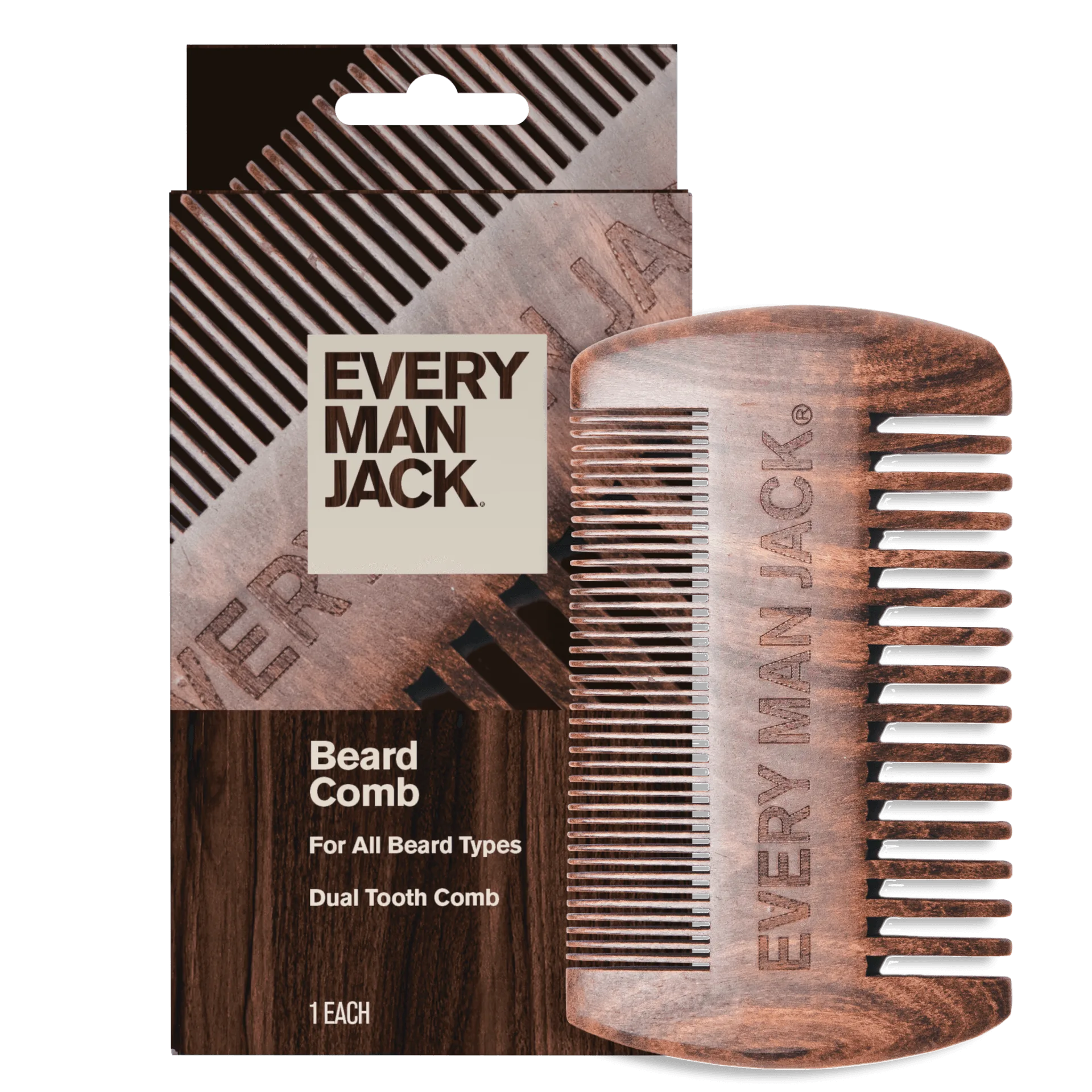
A beard comb is typically made from wood, plastic, or metal and features wide and narrow teeth. The wide teeth are ideal for detangling longer, thicker beards, while the narrow teeth help tame flyaways and define the shape. Combs are designed to glide through hair without pulling or snagging, making them perfect for daily use.
One of the biggest advantages of a beard comb is its ability to evenly distribute beard oil or balm from root to tip. By combing after applying product, you ensure every hair gets the nourishment it needs. Combs also help train the beard to grow in a desired direction, reducing unruly patches and promoting a neater appearance.
- Best for medium to long beards that need detangling and shaping
- Great for applying and spreading beard oils and balms evenly
- Helps train stubborn hairs to grow in the right direction
The Anatomy of a Beard Brush
A beard brush usually features natural boar bristles or synthetic fibers. Boar bristles are prized for their ability to distribute natural oils from the skin to the hair, adding shine and softness. Brushes also exfoliate the skin beneath the beard, preventing flakes and ingrown hairs.
Beard brushes are excellent for shorter beards and stubble because they stimulate hair follicles and encourage growth. The bristles also help tame static and flyaways, giving a polished, uniform look. For men with sensitive skin, a soft-bristle brush can be a gentle way to groom without irritation.
- Ideal for short to medium beards and stubble
- Distributes natural oils for added shine and softness
- Exfoliates the skin, reducing dandruff and ingrown hairs
Beard Comb vs Brush: Key Differences at a Glance
To help you decide, here’s a quick comparison of the two tools based on beard length, grooming goals, and skin sensitivity. While both are valuable, your choice should align with your beard’s stage and texture.
- Beard Comb: Best for long, thick, or curly beards; detangles, shapes, and distributes product evenly.
- Beard Brush: Best for short to medium beards; distributes natural oils, exfoliates skin, and adds shine.
- Comb: Works well with all hair types but especially for coarse or unruly textures.
- Brush: Ideal for straight or wavy beards; may cause frizz in very curly hair if used too aggressively.
Which Tool Should You Choose Based on Your Beard Type?
If you have a short beard or stubble (less than 1 inch), a beard brush is your best friend. It will help train the hair, exfoliate the skin, and give you a clean, polished look. For medium-length beards (1 to 3 inches), a brush can still work, but you may also benefit from a comb for detangling.
For long beards (over 3 inches), a beard comb is essential. It will glide through tangles without pulling and help you maintain a neat shape. If you have a curly or coarse beard, a wide-tooth comb is a must to prevent breakage. For straight or wavy beards, a brush can add a nice finish after combing.
Many men find that using both tools in their routine yields the best results—start with a comb to detangle and distribute product, then finish with a brush to smooth and add shine. Our Beard Comb is a durable, handcrafted option that works well for all beard lengths.
- Short beard (under 1 inch): Brush first, comb optional
- Medium beard (1–3 inches): Comb for detangling, brush for finishing
- Long beard (over 3 inches): Comb is essential, brush for polish
Tips for Using Your Beard Comb and Brush Effectively
To get the most out of your grooming tools, follow these simple tips. Always start with a clean, dry beard—grooming wet hair can cause breakage. Apply beard oil or balm before combing to help the tool glide smoothly and lock in moisture.
When brushing, use gentle, short strokes in the direction of hair growth. Avoid over-brushing, which can lead to split ends. Clean your comb and brush regularly with warm water and mild soap to remove product buildup and bacteria. A well-maintained tool will last longer and perform better.
If you’re new to beard grooming, consider starting with a quality comb. It’s versatile and forgiving, making it a great first purchase. For those with sensitive skin, a soft-bristle brush can be a game-changer. Pair your comb with a nourishing beard balm for added control and moisture.
Choosing between a beard comb and a beard brush doesn’t have to be complicated. Think about your beard length, texture, and grooming goals. For most men, having both tools in your arsenal is the ultimate way to keep your beard looking its best. Explore our Beard Comb to add a reliable, high-quality tool to your daily routine and take your beard care to the next level.