Beard oil has become a staple in modern grooming routines, and for good reason. A quality beard oil not only tames unruly whiskers but also moisturizes the skin beneath, reducing itch and flaking. But with dozens of blends on the market, how do you know which ingredients actually deliver results?
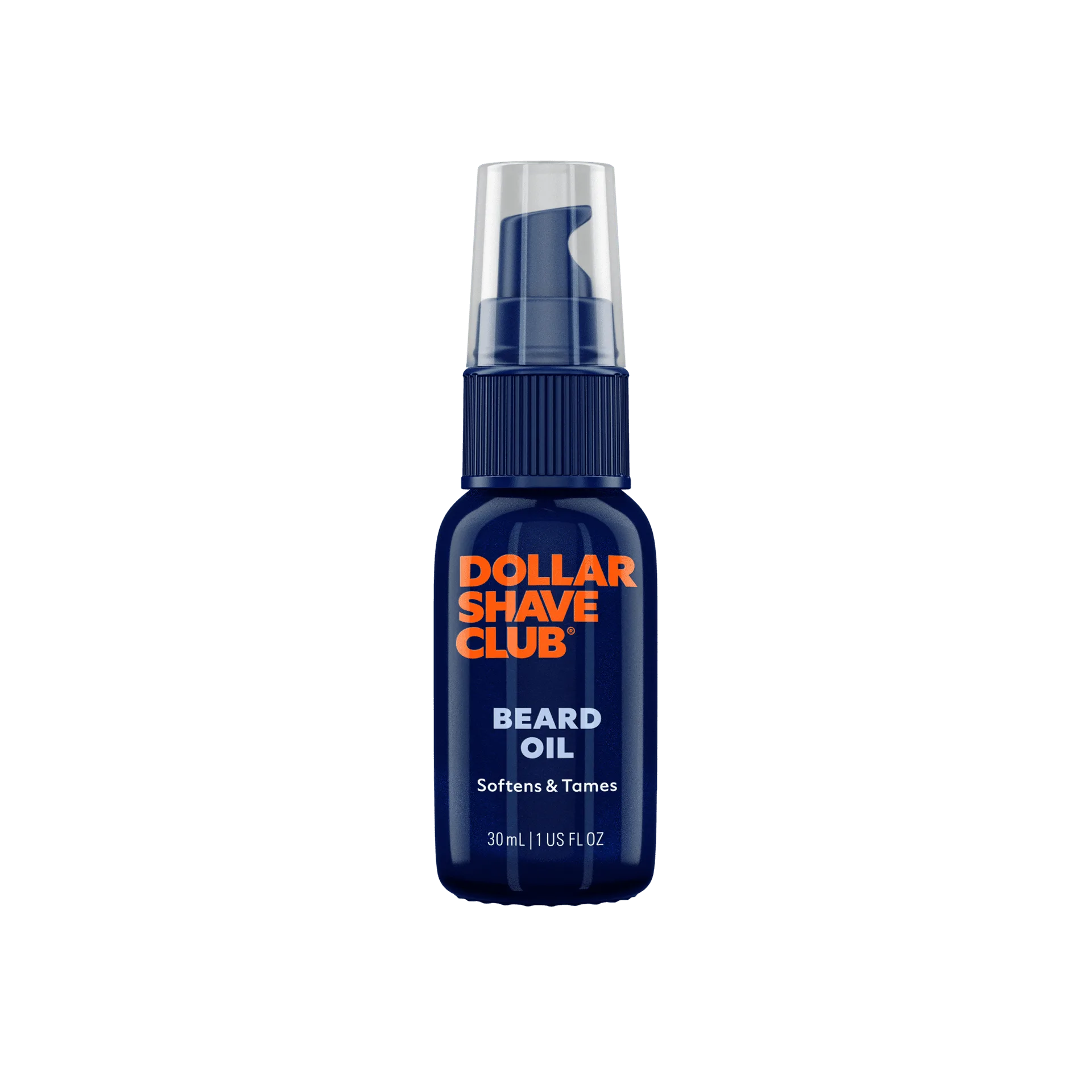
Beard oil
In this beard oil comparison, we break down the most effective natural oils used in beard care, explain what each does for your hair and skin, and help you identify the best beard oil for your specific needs. Whether you're growing a short stubble or a full Viking beard, understanding these ingredients will transform your grooming game.
Why Ingredient Quality Matters in Beard Oil
Not all beard oils are created equal. Many mass-market products rely on cheap carrier oils like mineral oil or silicone, which sit on top of the hair and provide only temporary shine. In contrast, high-quality beard oils use natural, cold-pressed oils that penetrate the hair shaft and skin, delivering long-lasting hydration and nutrients.
The best beard oil blends combine carrier oils (the base) with essential oils (for scent and additional benefits). Carrier oils like jojoba, argan, and grapeseed mimic the skin's natural sebum, while essential oils like cedarwood or tea tree can promote growth and fight bacteria. Always check the label — the first few ingredients should be recognizable plant oils.
- Look for cold-pressed, unrefined oils for maximum potency.
- Avoid synthetic fragrances; opt for essential oils instead.
- A good beard oil should absorb quickly without leaving a greasy residue.
Top Carrier Oils for Beard Growth & Softness
Jojoba oil is often called the gold standard for beard care. Its molecular structure closely resembles human sebum, making it deeply moisturizing without clogging pores. It helps balance oil production on the skin and softens coarse beard hair over time. Argan oil, rich in vitamin E and fatty acids, is another powerhouse that adds shine and tames flyaways while protecting against environmental damage.
Grapeseed oil is a lightweight option ideal for those with oily skin or fine beards. It absorbs quickly and is high in linoleic acid, which can help reduce inflammation. Sweet almond oil is also popular — it's packed with vitamin A and E, and is especially soothing for sensitive skin. Many premium beard oils blend two or three of these carrier oils for a balanced effect.
- Jojoba: best for balancing skin moisture and preventing dandruff.
- Argan: excellent for adding shine and repairing damaged hair.
- Grapeseed: lightweight and non-greasy, good for daily use.
Essential Oils That Boost Beard Health
Essential oils are the secret weapon in any beard oil formula. They provide natural fragrance and targeted benefits. Cedarwood oil is known to stimulate hair follicles and may promote thicker growth. Tea tree oil has powerful antimicrobial properties that keep the skin clean and reduce beard acne. Sandalwood offers a warm, woody scent while also calming irritated skin.
For those looking to reduce inflammation or redness, chamomile and lavender essential oils are gentle yet effective. Peppermint oil creates a cooling sensation and increases blood flow to the follicle, which can encourage growth. When choosing a beard oil, consider your skin type and scent preferences — a blend with multiple essential oils often provides more comprehensive care.
- Cedarwood: may help with hair regrowth and scalp health.
- Tea tree: fights bacteria and prevents ingrown hairs.
- Peppermint: increases circulation for a stimulating effect.
How to Choose the Best Beard Oil for Your Needs
Start by identifying your primary concern. If you struggle with dry, itchy skin under your beard, look for a blend rich in jojoba and argan oils with soothing essential oils like lavender. If your beard is patchy or slow-growing, choose a formula with cedarwood and peppermint to stimulate follicles. For those with sensitive skin, avoid alcohol and synthetic fragrances — stick to simple, natural ingredient lists.
Another factor is scent profile. Some prefer unscented or lightly scented oils for daily wear, while others enjoy bold, masculine blends. The best beard oil for you is one that fits seamlessly into your routine and leaves your beard feeling soft, not sticky. Don't be afraid to sample a few brands before committing to a full bottle.
- Dry beard and skin? Prioritize jojoba and argan oils.
- Patchy growth? Look for cedarwood and peppermint essential oils.
- Sensitive skin? Choose fragrance-free or naturally scented blends.
Complement Your Beard Care with a Complete Grooming Routine
Beard oil works best when paired with a consistent grooming routine. Start by washing your beard with a gentle cleanser to remove dirt and excess oil. Pat it dry, then apply a few drops of beard oil while the hair is still slightly damp — this locks in moisture. For extra softness, follow up with a beard balm or butter to style and hold.
Don't forget the skin beneath your beard. Exfoliating once or twice a week with a product like Prep Scrub can prevent ingrown hairs and remove dead skin cells, allowing your beard oil to penetrate more effectively. And after shaving or trimming, applying a soothing product like Post Shave Dew helps calm irritation and hydrate the skin.
- Always apply beard oil to damp hair for best absorption.
- Use a boar bristle brush to distribute oil evenly.
- Exfoliate weekly to keep skin healthy and prevent flakes.
Choosing the right beard oil comes down to understanding which ingredients work for your unique hair and skin type. Whether you need deep moisture, growth stimulation, or just a great scent, natural oils like jojoba, argan, and cedarwood offer proven benefits. For a complete grooming experience, pair your beard oil with quality products like Prep Scrub to exfoliate and Post Shave Dew to soothe — both help your beard look and feel its best.