Quick Answer
Beard serum is designed specifically for facial hair and the skin beneath it, offering targeted nourishment and styling. Hair oil, like a growth hair oil, is formulated for scalp hair and may not suit beard use. If your goal is beard growth and beard care, choose a dedicated beard serum; for scalp hair growth and fall control, a growth hair oil is the better pick.
When you're building a grooming routine, it's easy to wonder whether you can use the same oil on your scalp and your beard. After all, both are hair, right? But beard hair and scalp hair have different textures, growth cycles, and skin environments. That's why products are formulated differently for each area.
In this comparison, we'll break down the key differences between beard serum and hair oil, look at what each is designed to do, and help you decide which one fits your needs—whether you're aiming for a fuller beard or tackling scalp hair fall.
What Is Beard Serum?
Beard serum is a leave-on product designed specifically for facial hair and the skin underneath. It typically combines carrier oils, essential oils, and sometimes vitamins to moisturize the beard, soften the hair, and condition the skin to reduce itch and flaking. Many beard serums also help with styling, giving the beard a neat, manageable look without being greasy.
Because beard skin is more sensitive and prone to irritation than the scalp, beard serums are usually lighter and formulated to absorb quickly. They often include ingredients like jojoba oil or argan oil, which mimic the skin's natural sebum. A dedicated serum can support beard growth by keeping the follicles and skin healthy, though it won't magically create new hair where none exists.
- Use beard serum after washing your face, on slightly damp skin.
- Start with a small amount—a few drops are enough—and massage into the beard and skin.
What Is Hair Oil?
Hair oil, especially a growth hair oil, is formulated for the scalp and the longer, coarser hair on your head. These oils often contain a blend of herbs and nutrients aimed at nourishing the scalp, strengthening hair roots, and addressing issues like hair fall and damage. They may be heavier than beard serums because scalp hair can tolerate and benefit from richer oils.
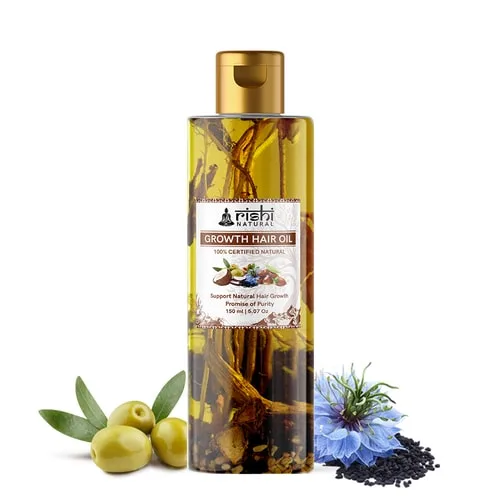
For example, Rishi Natural's Growth Hair Oil is described as a blend of ancient Ayurvedic herbs and modern science, including olive oil, amla, coconut oil, and jojoba. It's positioned for faster hair growth, reduced hair fall, scalp nourishment, and damage repair. These benefits are targeted at the scalp, not necessarily at beard hair, which has different needs.
- Apply hair oil to the scalp, not just the lengths, and massage gently.
- Leave it on for at least 30 minutes or overnight before washing, depending on the product instructions.
Key Differences: Beard Serum vs. Hair Oil
The main difference lies in formulation and purpose. Beard serum is lighter, often non-greasy, and designed for daily use on facial hair and skin. Hair oil can be richer and more intensive, targeting scalp health and hair growth. Using a heavy hair oil on your beard might clog pores or leave a greasy residue, while a beard serum might not provide enough nourishment for your scalp.
Another difference is the skin underneath. The face has more sensitive skin with larger pores, so beard products avoid heavy comedogenic oils. Scalp skin is thicker and can handle heavier oils. Also, beard serums often include conditioning agents to soften the beard, while hair oils focus on root strength and growth. Your choice should depend on where you need the most care.
- If you have both scalp issues and beard concerns, use separate products for each area.
The Trade-Off: Beard Serum vs. Hair Oil
- Target Area: Beard serum is designed for facial hair and skin; hair oil is for the scalp. Using the wrong one can lead to poor results or discomfort. Match the product to the area you want to treat.
- Consistency and Absorption: Beard serums are typically lighter and absorb quickly, while hair oils can be heavier. A heavy oil on a beard may feel greasy and weigh it down. If you have a beard, prefer a lightweight product.
- Ingredient Focus: Hair oils often include growth-stimulating herbs like amla and coconut oil. Beard serums may include jojoba or argan for conditioning. Both can support growth, but through different mechanisms. Check the ingredient list to see if it matches your primary goal.
Product Facts at a Glance
- Growth Hair Oil - For Faster Hair Growth, Reduced Hair Fall, Scalp Nourishment, and Damage Repair: Rishi Natural Growth Hair Oil is a blend of ancient Ayurvedic herbs and modern science, formulated with 100% natural ingredients, including olive oil, amla, coconut oil, and jojoba, making it an ideal hair oil for hair growth and overall scalp health. This is a scalp-focused oil. If your primary concern is hair fall or scalp nourishment, this product targets those issues. It's not designed as a beard serum, so using it on your beard may not give you the lightweight, non-greasy feel you want.
- Jojoba Oil Wood-Pressed – 100% Pure Cold Pressed - Deeply Nourishes Skin & Hair, Unrefined & Chemical-Free, Lightweight: Rishinatural Jojoba Oil is a pure, cold-pressed beauty elixir that deeply hydrates and nourishes skin and hair. Rich in vitamins E and B, it balances oil production, soothes dryness, and promotes a healthy glow. Lightweight and non-greasy, this versatile oil absorbs quickly, making it perfect for all skin types, including sensitive and acne-prone skin. Jojoba oil is a common ingredient in beard serums because it's lightweight and mimics skin's natural oils. If you're looking for a beard care option, a jojoba-based product can moisturize both beard hair and the skin underneath without clogging pores.
How to Choose
Best for
- If your main goal is beard growth and beard care, a dedicated beard serum is best.
- If you have sensitive facial skin or acne-prone skin, choose a lightweight, non-greasy beard serum.
Not for
- If you're dealing with scalp hair fall or want to nourish your scalp, a beard serum is not the right choice—use a growth hair oil instead.
In the end, the choice between beard serum and hair oil comes down to your specific needs. For a well-groomed, healthy beard, invest in a dedicated beard serum. For scalp hair growth and fall control, choose a growth hair oil. And if you want a versatile option for both skin and hair, consider a lightweight oil like jojoba. Pick the right tool for the job, and your grooming routine will thank you.