Quick Answer
Start by defining your primary wellness goal—digestion, energy, or calm—then choose a caffeine-free organic blend that targets that need. Look for simple ingredient lists and avoid added sugars or fillers. For most beginners, a single-purpose blend like Organic Digestion Tea or Metabolism Support Tea is easier to evaluate than a multi-herb mix.
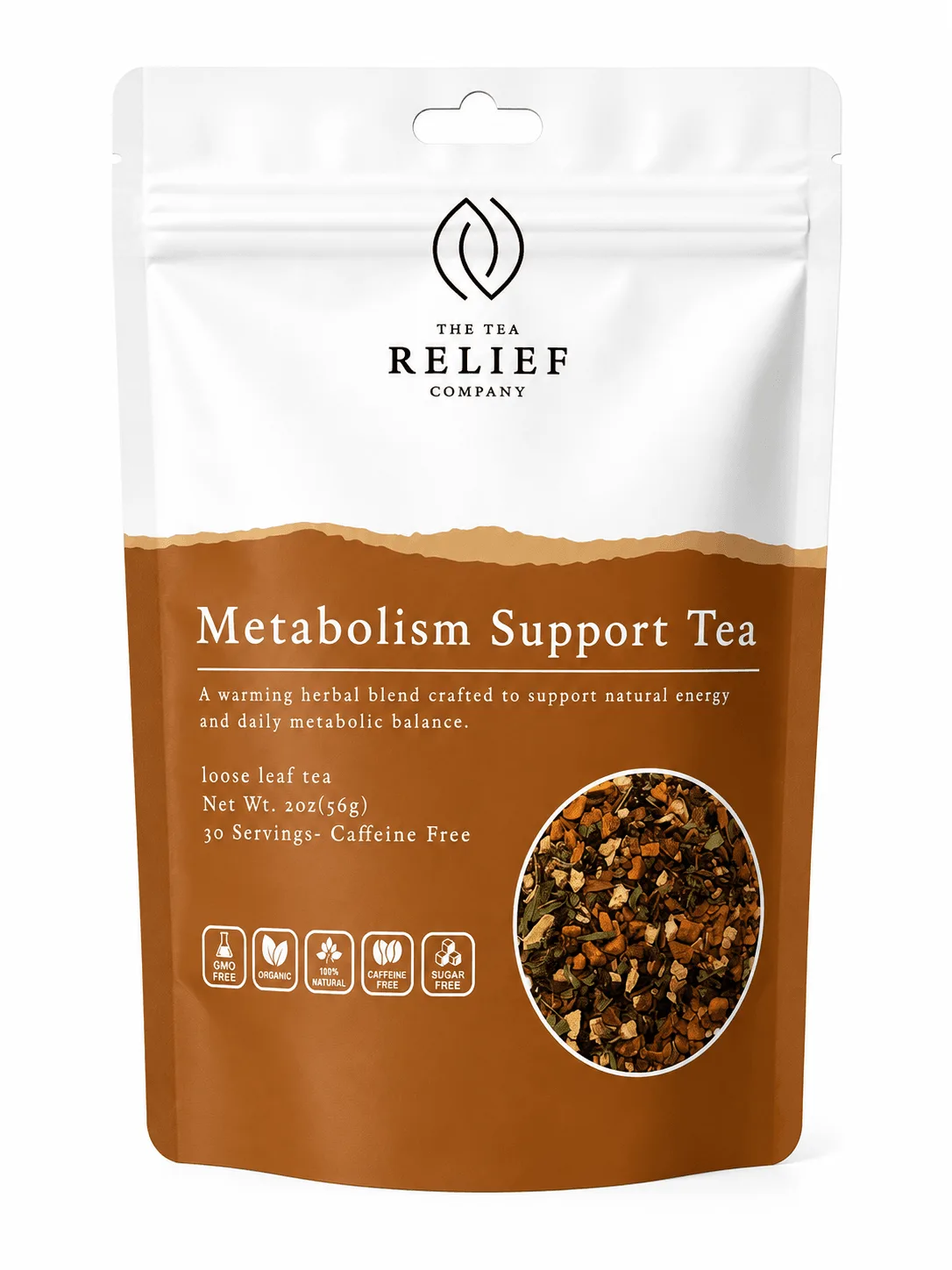
Metabolism Support Tea
If you’re new to herbal tea, the shelf can feel overwhelming. Dozens of blends promise better sleep, clearer skin, or more energy, and the labels all sound alike. The good news: choosing the right herbal tea doesn’t require a nutrition degree. It just takes a clear idea of what you want the tea to do and a few simple checks on the label.
This buying guide walks you through those checks. You’ll learn how to match a blend to your health goal, what organic really means for your cup, and where to make trade-offs when a tea isn’t a perfect fit. By the end, you’ll be able to pick a tea with confidence—no guesswork.
Start With Your Wellness Goal
Every herbal tea is formulated for a purpose. Some support digestion after meals, others aim to sustain energy without caffeine, and a few focus on hormonal balance or prostate health. The first step is to name your goal. Are you reaching for a cup after a heavy meal? Do you want to replace your afternoon coffee with something caffeine-free? Or are you looking for a daily ritual that supports overall balance?
Once you know your goal, you can narrow the field. For digestion, look for blends with ginger, peppermint, or fennel. For steady energy, consider herbs like ginseng or green tea—but if you want caffeine-free, check the label. For general wellness, a blend with a mix of adaptogens or traditional herbs might fit. The key is to match the tea’s stated benefit to your actual need, not to the prettiest package.
- Write down your top two wellness goals before you browse.
- If you’re sensitive to caffeine, confirm the blend is caffeine-free—many herbal teas are, but not all.
Read the Label: Organic, Caffeine-Free, and Added Ingredients
Organic certification matters because herbs are often grown without synthetic pesticides, and you’re steeping them directly in hot water. When a tea is labeled organic, you’re reducing your exposure to unwanted residues. The Tea Relief Company’s blends, for example, are organic and 100% natural, with no added sugar—details you’ll see clearly on the package.
Caffeine-free is another key label for many beginners. If you’re drinking tea in the evening or want to avoid jitters, choose a blend that explicitly states caffeine-free. Finally, scan the ingredient list for anything you don’t recognize. A short, plant-based list is usually a good sign. Avoid blends that list artificial flavors or sweeteners, which can undermine the health benefits.
- Look for the USDA Organic seal or a statement like “100% organic” on the package.
- If a tea claims to be caffeine-free but lists ‘black tea’ or ‘green tea’ as an ingredient, it’s not—check carefully.
Compare Single-Purpose vs. Multi-Purpose Blends
Some herbal teas are crafted for one clear job, like digestion or metabolism. Others combine many herbs to address several concerns at once. For beginners, single-purpose blends are often easier to evaluate because you can judge whether they deliver on that one promise. Multi-purpose blends can be convenient, but they may dilute the effect of any single herb.
Consider your lifestyle. If you have a specific issue—like occasional bloating or a sluggish afternoon—a targeted blend gives you a clear result to measure. If you want an all-rounder for daily wellbeing, a broader blend might be more practical. Just be honest about what you’re expecting. No tea is a cure-all, but a well-chosen blend can be a comforting addition to your routine.
- If you’re testing a tea for a specific benefit, keep a simple journal of how you feel after a week.
Trust Your Senses: Taste and Aroma
You’ll drink this tea regularly, so it has to taste good to you. Herbal teas range from spicy and warming (ginger, cinnamon) to floral and mellow (chamomile, lavender). Before buying a full-size bag, try a sample or a small size. This lets you check the aroma and flavor without committing to a large tin.
If you’re new to herbal tea, start with familiar flavors. Ginger, mint, and lemon are approachable. More adventurous options like clove or cardamom can be an acquired taste. Remember, you can always adjust the strength by steeping for less time or adding a splash of milk (if the blend allows). The right tea is one you look forward to drinking.
- Sample packs are your friend—they let you taste before you invest.
Your Herbal Tea Decision Rules
- Rule 1: Name your goal: Write down one or two outcomes you want—better digestion, more energy, less stress. Use that list to filter blends. If you can’t name a goal, you’ll likely be swayed by marketing. Define it first.
- Rule 2: Check the label for organic and caffeine-free: Look for organic certification and a clear caffeine-free claim. Avoid added sugars and artificial ingredients. A clean label is your first sign of quality.
- Rule 3: Match the tea’s benefit to your need: Choose a blend that explicitly supports your goal. For digestion, pick a digestion tea; for energy, pick a metabolism or energy blend. If the tea’s promise doesn’t align with your need, move on.
- Rule 4: Taste before you commit: Buy a sample or small size first. Steep it and see if you enjoy the flavor and aroma. You won’t drink a tea you don’t like, no matter how healthy it is.
Real Blends to Consider
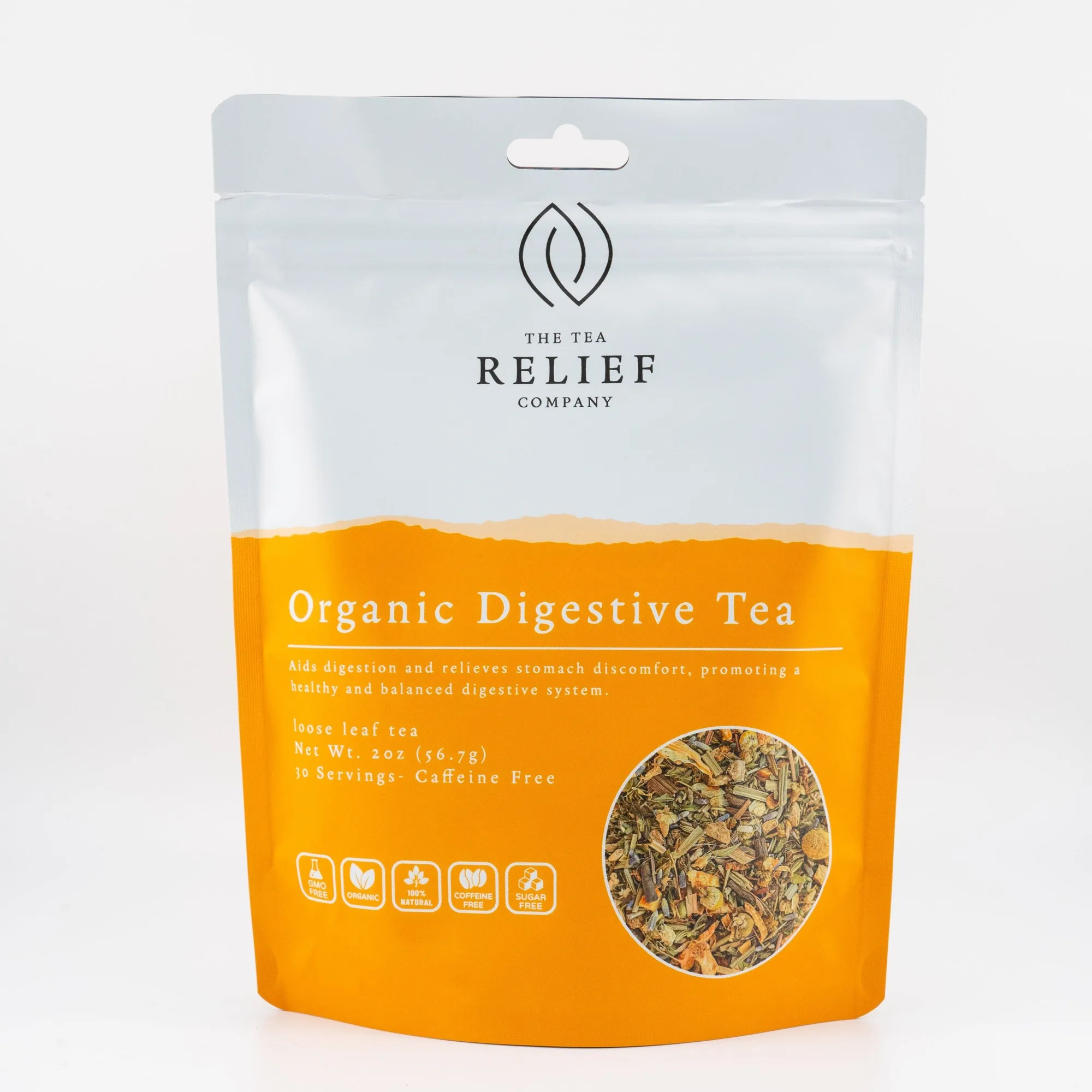
- Organic Digestion Tea: This gentle yet effective herbal blend is crafted to give your gut the daily support it deserves. Formulated with time-tested botanicals traditionally used to support healthy digestion, soothe the digestive tract, and promote everyday digestive comfort. If your goal is post-meal comfort, this blend targets digestion directly. It’s a practical choice after heavy meals or stressful days when your gut needs extra support.
- Metabolism Support Tea: A warming herbal blend crafted to support natural energy and daily metabolic balance. Designed to gently support your metabolism and sustain your energy throughout the day. For those seeking steady energy without caffeine, this blend offers a warming, caffeine-free option. It’s a good fit if you want to replace a mid-day slump with a soothing ritual.
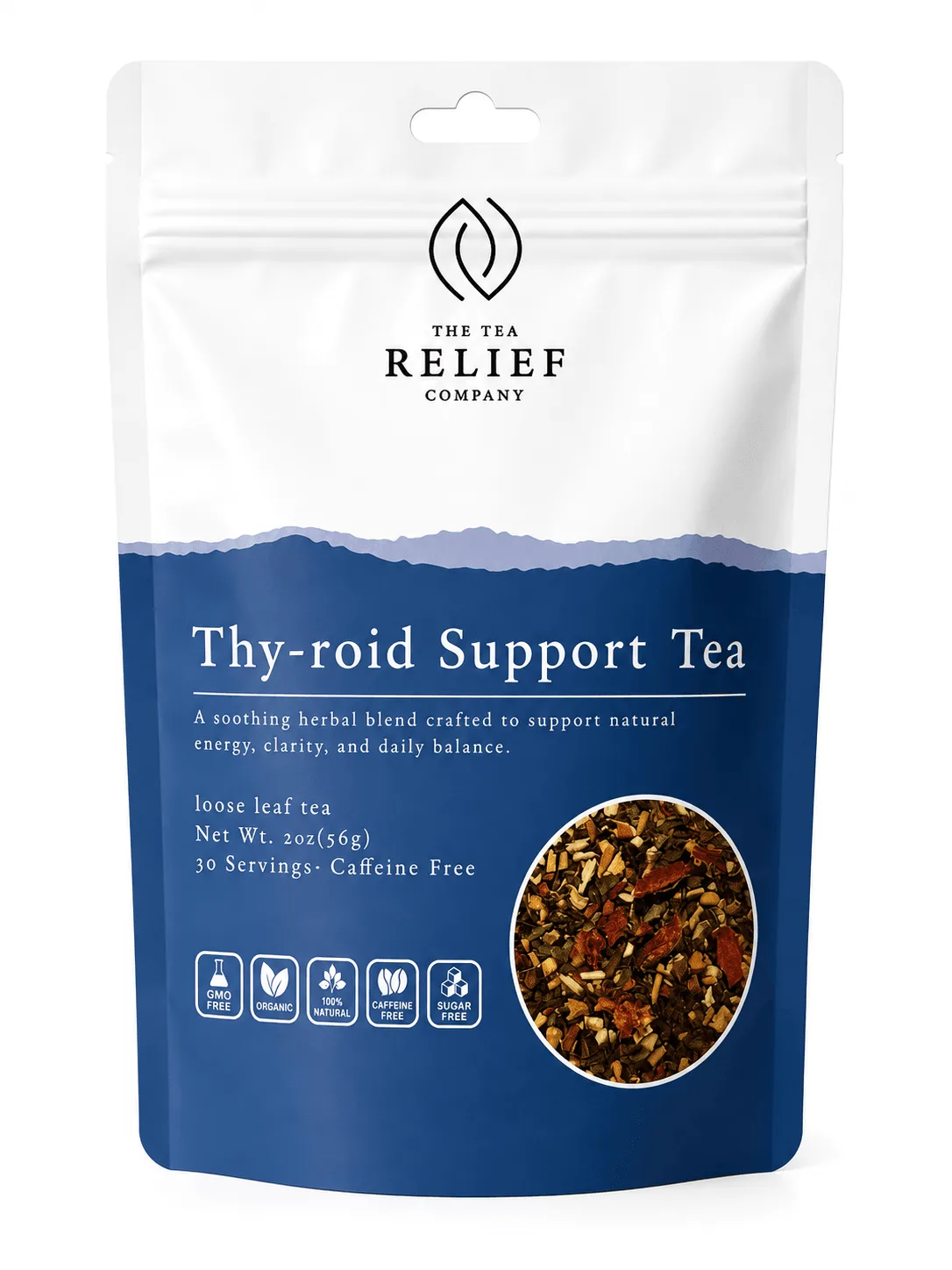
- Thy-roid Support Tea: A soothing herbal blend crafted to support natural energy, clarity, and daily balance. Promotes natural energy, mental clarity, and daily hormonal harmony. If your focus is on overall balance and mental clarity, this caffeine-free blend addresses those areas. It’s a gentle choice for daily wellbeing rather than a targeted fix.
Which Tea Fits You?
Best for
- Beginners who want a single, clear wellness goal—like digestion or steady energy
- People who prefer organic, caffeine-free options with simple ingredient lists
Not for
- Those seeking a strong caffeinated pick-me-up—herbal teas are mostly caffeine-free
- Anyone who dislikes earthy or spicy herbal flavors without trying a sample first
Choosing an herbal tea doesn’t have to be complicated. Start with your goal, read the label, and trust your taste buds. A well-chosen organic blend can become a comforting daily ritual that supports your wellness in a simple, natural way.