If you’re new to ColourPop, walking into the palette section can feel a little overwhelming. There are eyeshadow palettes in every color story, face palettes for sculpting and glow, and even combo sets that blur the lines between categories. The good news is that once you know what to look for, picking your first palette becomes exciting rather than confusing.
This colourpop palette buying guide will walk you through the main palette types, what each is best for, and how to match a palette to your skill level and daily routine. Whether you want a single go-to for work or a splash of color for weekends, you’ll leave with a clear idea of where to start.
clear
Understanding ColourPop Palette Types
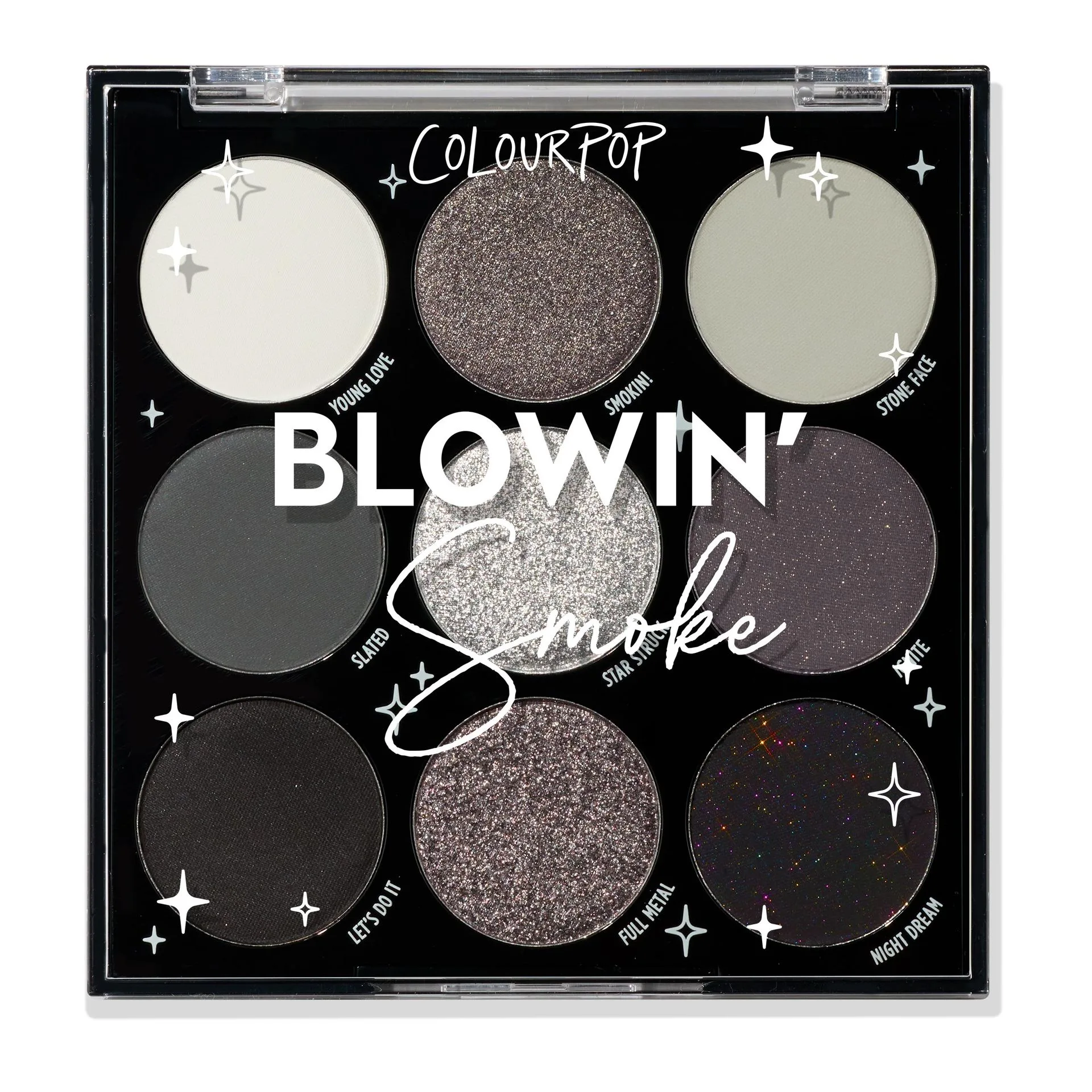
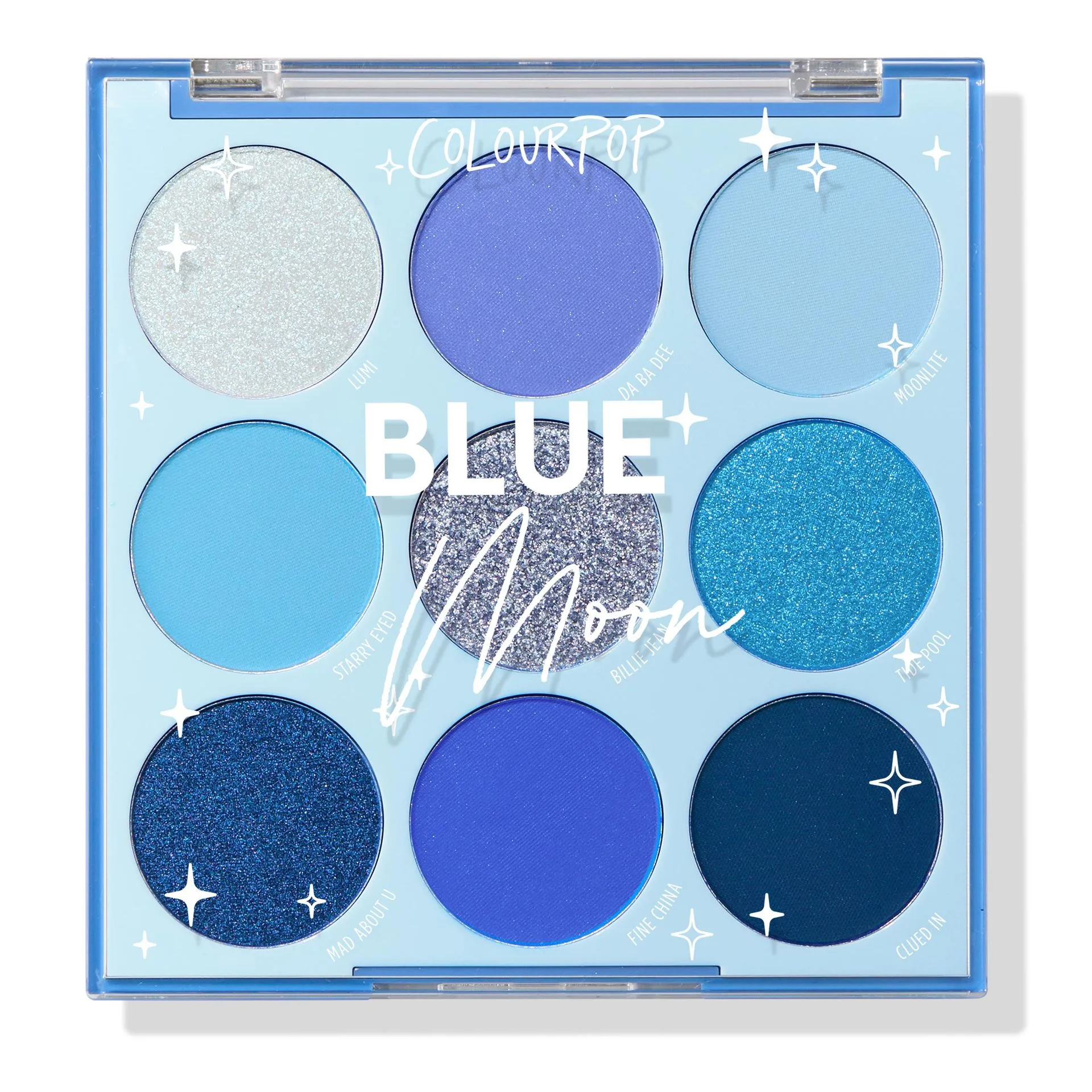
ColourPop organizes its palettes primarily by use: eyes, face, and occasionally hybrid sets. Eyeshadow palettes are the most common and come in formats like 9-pan, 12-pan, and larger 24-pan options. These usually include a mix of mattes, shimmers, and sometimes pressed glitters. Face palettes typically combine bronzer, blush, and highlighter in one compact, making them ideal for travel or quick routines.
There are also value sets that bundle multiple products (like a lip duo with an eyeshadow palette), but those are technically sets rather than single palettes. For this guide, we’ll focus on standalone palettes you can buy and use immediately. Knowing the type helps you narrow down your search right away.
- Eyeshadow palettes: best for color variety and creative looks
- Face palettes: great for quick sculpting and a cohesive complexion
What to Look for in Your First Eyeshadow Palette
When you’re shopping for the best colourpop palettes for beginners, focus on shade range and finish balance. A palette with 6 to 12 pans is usually enough to create several looks without overwhelming you. Look for a mix of light, medium, and deep shades, plus at least one matte transition shade and one shimmer for the lid. Neutral tones like taupes, warm browns, and soft pinks are forgiving and easy to blend.
For example, a palette like Sage The Day offers earthy greens and warm neutrals that work for both daytime and evening. If you prefer cool tones, a palette centered around mauves and grays can be just as versatile. The key is choosing a color story you’ll actually reach for every day.
- Stick to 6–12 pans for your first palette
- Ensure at least one matte transition shade and one shimmer
- Neutral and warm tones are beginner-friendly
Face Palettes: Streamlining Your Routine
ColourPop face palette recommendations often center on all-in-one compacts that include bronzer, blush, and highlighter. These are perfect if you want to cut down on steps without sacrificing a polished finish. A face palette with warm-toned bronzer and a peachy blush can double as a quick everyday look or a base for more dramatic eye makeup.
When choosing a face palette, check the undertones of each pan. If you have fair to light skin, look for lighter bronzers and soft pink or coral blushes. Deeper skin tones will want richer bronzers and berry or brick blushes. A palette like Mile High (if it includes face shades) or a dedicated face compact can simplify your morning routine.
- Look for a palette with at least one bronzer, one blush, and one highlighter
- Match undertones to your skin tone for a natural blend
Shade Selection and Versatility
The phrase colourpop palette shades can mean both the colors themselves and how they work together. A well-edited palette will have shades that complement each other, so you can use multiple pans in one look without clashing. For everyday wear, a palette with a mix of mattes and shimmers in the same color family (like rose, bronze, or taupe) is a safe bet.
If you want more versatility, consider a palette that includes a pop of color—like a soft lavender or a muted teal—alongside neutrals. That way you can experiment without committing to an all-bright palette. The shade PSL, for instance, is a warm pumpkin tone that pairs beautifully with browns and golds, making it a flexible addition to any collection.
- Choose palettes where shades can be used together in one look
- A single pop of color adds versatility without overwhelming
How to Match a Palette to Your Skill Level
If you’re completely new to makeup, a colourpop palette for everyday wear should have mostly matte shades with one or two shimmers. Mattes are easier to blend and more forgiving if you make a mistake. Avoid palettes with multiple pressed glitters until you’re comfortable with basic blending techniques, as glitter fallout can be tricky to manage.
Intermediate users can branch into palettes with more shimmer, satin, and metallic finishes. Advanced users might enjoy palettes with bold colors or unconventional combinations. The key is to be honest about how much time you’ll spend on your makeup each day. A 9-pan neutral palette is perfect for a 5-minute routine, while a 16-pan colorful palette might sit unused if you’re always in a hurry.
- Beginners: stick to matte-heavy palettes with 1–2 shimmers
- Intermediate: try palettes with varied finishes and a few bold shades
Reading the Shade Names and Swatches
ColourPop often gives playful names to its palette shades, but the name alone won’t tell you the finish or opacity. Before buying, check online swatches or in-store testers if available. Look for reviews that mention pigmentation and blendability, especially for the matte shades. Some ColourPop mattes are very soft and pigmented, while others may be more buildable.
Shades like Amaze (a champagne shimmer) and Cold Girl (a cool-toned pink) are popular for a reason—they perform well and suit many skin tones. When reading a colourpop palette shades list, pay attention to repeats: if a palette has three very similar browns, you might prefer one with more variety.
- Always check swatches before buying if possible
- Look for reviews that mention matte blendability
Buying your first ColourPop palette doesn’t have to be intimidating. Focus on a palette type that matches your routine (eyes or face), choose a shade range you’ll actually wear, and pick a size that fits your skill level. With a little planning, you’ll find a palette that becomes a staple in your collection.