Quick Answer
When buying essential oil blends, prioritize purity, sourcing, and intended use. Look for brands that provide transparency about their ingredients and testing. For a grounding, forest-inspired blend, consider Shinrin-Yoku Touch Essential Oil Blend, which is designed to bring calm and serenity to your routine.
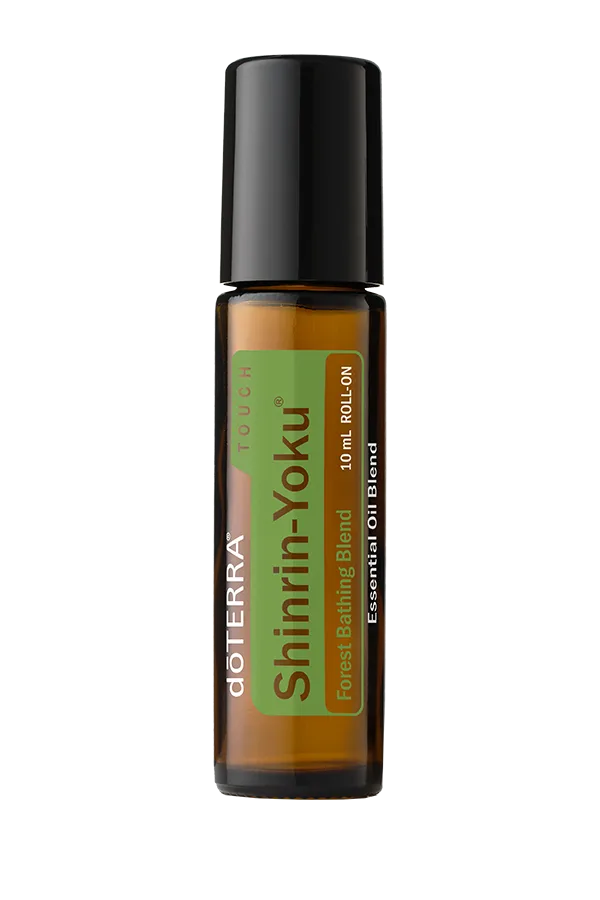
Shinrin-Yoku Touch Essential Oil Blend
Essential oil blends combine multiple single oils to create synergistic effects and delightful aromas. They are convenient for beginners because they offer a balanced experience without the need to mix your own. However, not all blends are created equal. Knowing what to look for can save you money and ensure you get the therapeutic benefits you seek.
This guide will walk you through the key factors to consider when buying essential oil blends, from purity and sourcing to intended use and price. We'll also highlight some popular blends from dōTERRA to give you concrete examples of what to look for.
Purity and Sourcing
The most critical factor in any essential oil product is purity. Look for oils that are 100% pure, with no synthetic additives or fillers. Brands that source their plants from their native regions and use proper distillation methods tend to produce higher-quality oils. For blends, check if the brand discloses the origin of each ingredient and whether they test for contaminants.
dōTERRA is known for its rigorous sourcing standards and CPTG (Certified Pure Therapeutic Grade) testing. While not all blends are certified, the brand's commitment to purity is a good indicator. When evaluating a blend, look for information about the source of the oils and any third-party testing results.
- Look for '100% pure' or 'therapeutic grade' on the label.
- Check if the brand provides batch-specific GC/MS test results.
- Research the brand's sourcing practices to ensure ethical and sustainable harvesting.
Intended Use and Aroma Profile
Consider what you want to achieve with the blend. Are you looking for relaxation, focus, or an uplifting mood? Different blends are formulated with specific intentions. For example, blends with lavender and bergamot are calming, while citrus and peppermint are invigorating.
Also, think about how you plan to use the blend. Some blends are designed for diffusion, others for topical application. Check the label for usage instructions and any dilution recommendations. For topical use, a touch blend like Shinrin-Yoku Touch Essential Oil Blend is pre-diluted and ready to apply, making it ideal for beginners.
- Identify your primary goal: relaxation, energy, focus, or something else.
- Choose a blend that matches your preferred aroma profile (floral, citrus, woody, etc.).
- Consider the application method: diffusion, topical, or both.
Price and Value
Essential oil blends can vary widely in price. Higher prices often reflect better sourcing, higher quality, and more complex formulations. However, you don't always need to pay top dollar to get a good product. Consider the concentration and the number of oils in the blend. Some blends use rare or expensive oils, which can justify a higher price.
When comparing prices, also consider the size and the intended use. A small sample size, like the .25 mL Samples: Peppermint Essential Oil, is a great way to test a single oil without committing to a full bottle. For blends, you might want to start with a smaller size to see if you like the aroma before investing in a larger bottle.
- Compare price per milliliter to assess value.
- Look for sample sizes or trial kits to test blends before purchasing full-size.
- Remember that a little goes a long way; a 15 mL bottle can last months with regular use.
Decision Rules for Buying Essential Oil Blends
- Rule 1: Check Purity: Ensure the blend is 100% pure, free from synthetic additives, and ideally tested by a third party. Look for 'pure' or 'therapeutic grade' labels.
- Rule 2: Match to Your Intended Use: Choose a blend that aligns with your wellness goals, whether for relaxation, focus, or energy. Read the product description for intended benefits.
- Rule 3: Evaluate Price per Use: Consider the concentration and how often you'll use it. A higher price may be justified for rare oils or complex blends. Calculate cost per drop to compare value.
Product Facts
- Shinrin-Yoku Touch Essential Oil Blend: This blend is inspired by the practice of forest bathing and is formulated as a touch blend for convenient application. If you're looking for a grounding, calming blend that's ready to apply topically without dilution, this is a great choice.
- .25 mL Samples: Peppermint Essential Oil: This sample offers a convenient way to experience the refreshing, invigorating aroma of pure peppermint, ideal for trying before committing to a full-size bottle. Sample sizes are perfect for beginners who want to test a single oil or blend before investing in a larger bottle.
Who Should Buy What
Best for
- Beginners who want a pre-diluted, ready-to-use blend like Shinrin-Yoku Touch Essential Oil Blend.
- Those who want to try a single oil before buying a full bottle, using sample sizes like Peppermint.
Not for
- Experienced users who prefer to create their own custom blends.
- Those who need a large quantity for frequent diffusion and are looking for the lowest cost per milliliter.
Buying essential oil blends doesn't have to be overwhelming. By focusing on purity, intended use, and value, you can find a blend that fits your lifestyle and wellness goals. Start with a trusted brand and consider trying a sample or a touch blend to ease into your essential oil journey. Explore the Shinrin-Yoku Touch Essential Oil Blend to experience the calming benefits of forest bathing in your daily routine.