Natural pigment powders are a wonderful way to add vibrant, earthy colors to your crafts, art projects, and even cosmetics. Whether you're making soap, painting, or creating crystal elixirs, the quality and source of your pigments matter. This guide will walk you through everything you need to know about buying natural pigment powders, from understanding types to evaluating quality.
As a beginner, the sheer variety of pigments can be overwhelming. This article breaks down the key factors to consider, so you can make informed choices and enjoy beautiful, safe results.
Understanding Natural Pigment Powders
Natural pigment powders are derived from minerals, plants, or other natural sources. Unlike synthetic dyes, they offer unique, often subtle color variations that are prized by artists and crafters. Common examples include ochre, umber, and ultramarine, but the range is vast, from deep greens to bright yellows.
When buying pigment powders, you'll encounter terms like 'earth pigments,' 'mineral pigments,' and 'plant-based pigments.' Earth pigments come from colored clays and iron oxides, while mineral pigments are ground from stones like malachite or lapis lazuli. Plant-based pigments are extracted from roots, leaves, or berries. Each type has its own characteristics, so it's essential to choose based on your project needs.
- Earth pigments: versatile, lightfast, and inexpensive
- Mineral pigments: rich, vibrant colors, but can be pricier
- Plant pigments: eco-friendly, but may fade over time
Key Factors to Consider When Buying Pigment Powders
Quality is paramount when selecting natural pigment powders. Look for pigments that are finely ground and free from impurities. High-quality pigments will have consistent color and good dispersion, meaning they mix easily into your medium, whether it's oil, water, or wax.
Another critical factor is lightfastness, which indicates how well the pigment resists fading when exposed to light. For art that will be displayed, choose pigments with excellent lightfastness. Additionally, consider the pigment's particle size, as finer particles are generally better for smooth applications, while coarser ones can add texture.
When buying, always check the source and purity. Reputable suppliers provide detailed information about the pigment's origin and any processing. For cosmetic use, ensure the pigment is labeled as safe for skin contact and free from heavy metals.
- Check for purity: no fillers or synthetic additives
- Test for color strength: a little should go a long way
- Consider the intended use: crafts, art, or cosmetics
Types of Natural Pigments and Their Uses
There are many types of natural pigments, each with unique properties. Iron oxide pigments, for example, produce reds, yellows, and browns, and are highly stable. Ultramarine, derived from lapis lazuli, offers a deep blue but is more expensive. Malachite provides vibrant greens, while charcoal gives you blacks and grays.
For crafters, some pigments are more versatile than others. For instance, mica powders are popular for their shimmer and are used in resin art, soap making, and cosmetics. However, mica is often synthetic, so if you're seeking truly natural options, look for mineral-based micas.
If you're working on crystal-related projects, you might consider using natural pigments to color your own crystal elixirs or crafts. For example, you could use malachite powder to add a green hue to a resin piece. The Malachite "Fibrous" Clusters (China) are not only beautiful display pieces but also a source of inspiration for incorporating green tones into your work.
- Iron oxides: red, yellow, brown; excellent for earth tones
- Ultramarine: rich blue, costly but striking
- Malachite: vibrant green, ideal for art and craft
Evaluating Pigment Quality and Safety
Quality and safety go hand in hand. High-quality natural pigments are free from harmful contaminants. Always look for pigments that are certified non-toxic, especially if you plan to use them in cosmetics or food. For crafts, non-toxic is still recommended to avoid skin irritation.
Test the pigment before committing to a large purchase. Mix a small amount with your medium to see how it disperses and what the final color looks like. Also, check for any unusual odors, which could indicate impurities.
When buying online, read reviews and look for suppliers that provide detailed product descriptions. Reputable sellers often include the pigment's origin, processing method, and any safety data sheets. This transparency is a good sign of quality.
- Look for non-toxic certifications
- Request a sample or test batch if possible
- Research the supplier's reputation
Where to Buy Natural Pigment Powders
You can find natural pigment powders at art supply stores, online marketplaces, and specialty shops. Local art stores allow you to see the colors in person, which is helpful for matching shades. Online, you have access to a wider variety, but you must rely on descriptions and reviews.
When shopping online, consider the store's return policy and customer service. It's also wise to compare prices, but remember that the cheapest option isn't always the best. High-quality pigments are worth the investment for important projects.
In addition to dedicated pigment suppliers, some crystal shops offer natural pigments derived from stones. For instance, you might find pigments made from crushed crystals. While these are less common, they can add a unique touch to your projects. If you're interested in exploring crystal-based pigments, you could also consider using tumbled stones like the Tumbled Green Aventurine Keychain as a source of green pigment, though it's more practical to buy ready-made pigments.
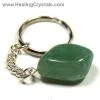
Tumbled Green Aventurine Keychain
- Local art stores: see colors in person
- Online suppliers: wider variety, read reviews
- Specialty shops: unique, high-quality options
Buying natural pigment powders is an exciting step in your creative journey. By understanding the types, evaluating quality, and choosing reputable sources, you can ensure beautiful, safe results. Remember to start with small quantities, test, and enjoy the process. For your next project, consider exploring the Malachite "Fibrous" Clusters (China) as a stunning display piece that also reminds you of the natural origins of your pigments.