Quick Answer
When buying organic seaweed powder, start by identifying your primary use: dulse powder for a mild, salty flavor and minerals, kelp powder for iodine and umami, and sea lettuce powder for a mild green taste with protein. Choose wild-harvested, certified organic, and lab-tested products from reputable Atlantic sources. For most beginners, a sample kit is the best way to explore flavors before committing to bulk sizes.
Seaweed powder is a versatile pantry staple that can boost nutrition and flavor in smoothies, soups, and baked goods. But with so many types — dulse, kelp, sea lettuce, and more — it's easy to feel overwhelmed. This guide breaks down the key differences and helps you choose the right organic seaweed powder for your needs.
We'll cover what to look for in terms of quality, how to match the seaweed type to your cooking style, and how to get the best value for your money. By the end, you'll know exactly which powder to add to your cart.
Understanding Seaweed Powder Grades and Forms
Seaweed powders come in various grades and forms, from fine powders to coarse flakes. The grade typically refers to the particle size and how the seaweed is processed. Fine powders dissolve easily in liquids, making them ideal for smoothies and sauces, while coarser powders or flakes add texture to dry rubs and seasonings.
When buying, check if the product is wild-harvested and certified organic. Wild-harvested seaweed from clean Atlantic waters is often more nutrient-dense and free from contaminants. Look for lab-tested products to ensure safety and quality. The supplier should provide transparency about their sourcing and testing practices.
- Check the particle size: fine powder for drinks, coarse for cooking.
- Look for 'wild-harvested' and 'certified organic' on the label.
- Verify lab testing for contaminants and quality.
Dulse Powder: The Mild, Mineral-Rich Choice
Dulse (Palmaria palmata) is a red seaweed known for its mild, salty, and slightly smoky flavor. Dulse powder is a great introduction to seaweed because it's less fishy than kelp. It's rich in minerals like potassium and magnesium and adds a savory depth to dishes without overpowering them.
Use dulse powder in salad dressings, popcorn seasoning, or as a salt substitute. It's also a good source of protein and fiber. If you're new to seaweed, dulse powder is often the most approachable option.
Kelp Powder: The Iodine Powerhouse
Kelp (various brown seaweeds) is renowned for its high iodine content, which supports thyroid health. Kelp powder has a stronger, umami-rich flavor that can be used in broths, stews, and even as a seasoning for rice. Because of its iodine density, it's best used in small amounts.
When buying kelp powder, consider the species. Sugar kelp (Saccharina latissima) is a versatile option that can replace traditional kombu. It's wild-harvested in the North Atlantic and offers a milder flavor than some other kelps. Always check the iodine content if you have thyroid concerns and consult a healthcare provider if needed.
Sea Lettuce Powder: The Mild Green
Sea lettuce (Ulva sp.) is a bright green seaweed with a mild, slightly sweet flavor. It's packed with minerals like calcium, iron, and magnesium, and surprisingly high in protein — about 15% by dry weight. Sea lettuce powder is excellent for adding a nutritional boost to smoothies, dips, and even baked goods without a strong seaweed taste.
Because it's mild, sea lettuce powder is a favorite for those who want the health benefits without the 'seaweed' flavor. It's also a good choice for plant-based diets looking for extra protein and minerals.
How to Choose the Right Organic Seaweed Powder for You
Start by considering your primary use. If you're looking for a daily mineral supplement to add to drinks, a fine powder like rockweed or kelp powder might be best. For a seasoning to sprinkle on meals, dulse or sea lettuce powder offers more flavor versatility. If you want to experiment, a sample kit lets you try multiple types without committing to a large quantity.
Also consider the source. Wild-harvested from the North Atlantic, these seaweeds are sustainably collected and lab-tested for quality. Buying in bulk can save money, but only if you'll use it before it loses freshness. Store seaweed powder in an airtight container in a cool, dark place to maintain its nutrient profile.
- Match the seaweed type to your taste: dulse for mild, kelp for umami, sea lettuce for neutral.
- Choose fine powder for drinks, coarse for cooking.
- Start with a sample kit to explore different types.
Decision Rules for Buying Seaweed Powder
- Flavor preference: If you prefer a mild, salty taste, choose dulse. For umami and ocean flavor, go with kelp. If you want a neutral green taste, pick sea lettuce. Your taste buds guide the type.
- Intended use: For smoothies and drinks, choose a fine powder like rockweed or kelp powder. For seasoning and cooking, flakes or coarse powders work well. Match the form to the application.
- Nutritional goals: If you need iodine, kelp is the go-to. For protein and minerals, sea lettuce is excellent. For a general mineral boost, dulse or rockweed. Let your health needs drive the choice.
Product Facts at a Glance
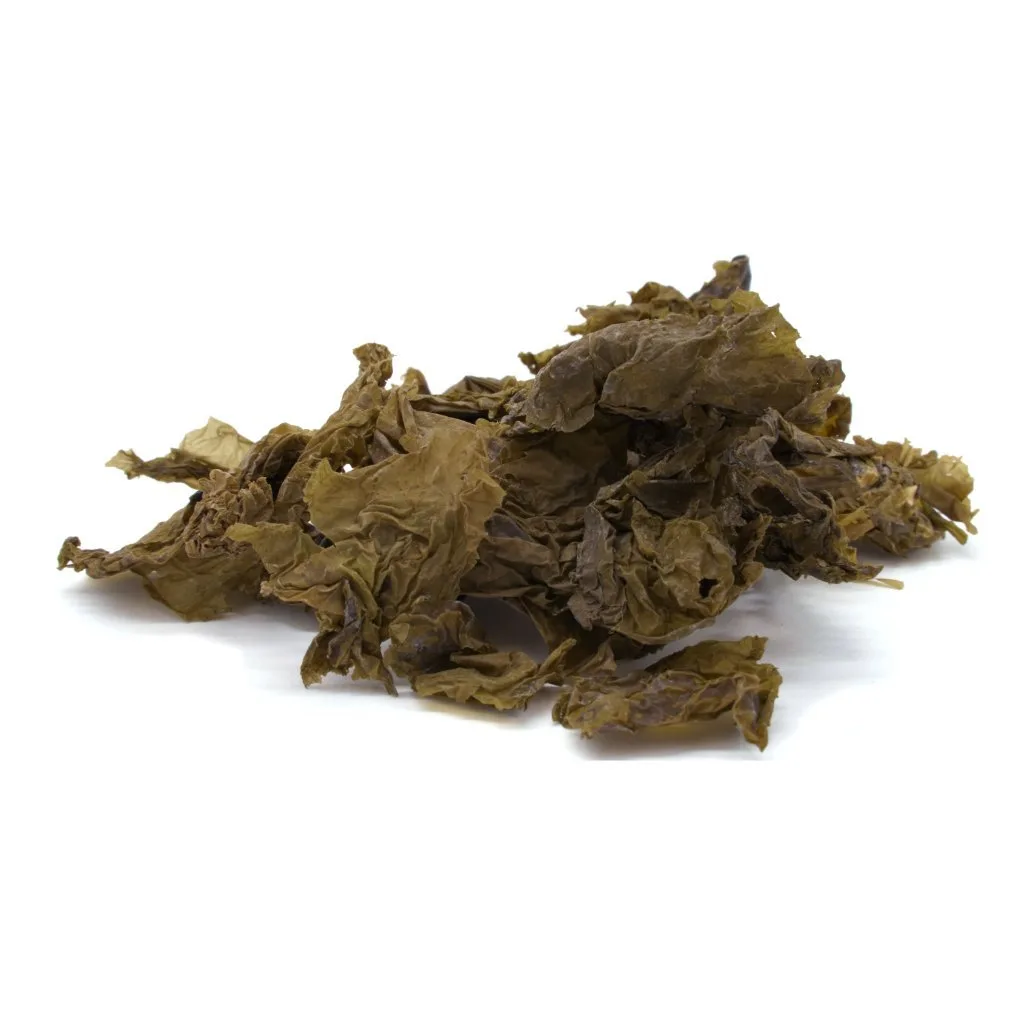
- Organic Sea Lettuce Whole Leaf Bulk (Ulva sp.) - Wild-Harvested Atlantic Sea Vegetable: Premium sea lettuce (Ulva sp.) whole leaf in bulk. Sustainably wild-harvested from pristine North Atlantic waters and lab-tested. Packed with minerals like calcium, iron, potassium, and magnesium. Contains 15% protein by dry weight. Sea lettuce is a mild, nutrient-dense option that's easy to incorporate into smoothies and salads, especially if you're new to seaweed.
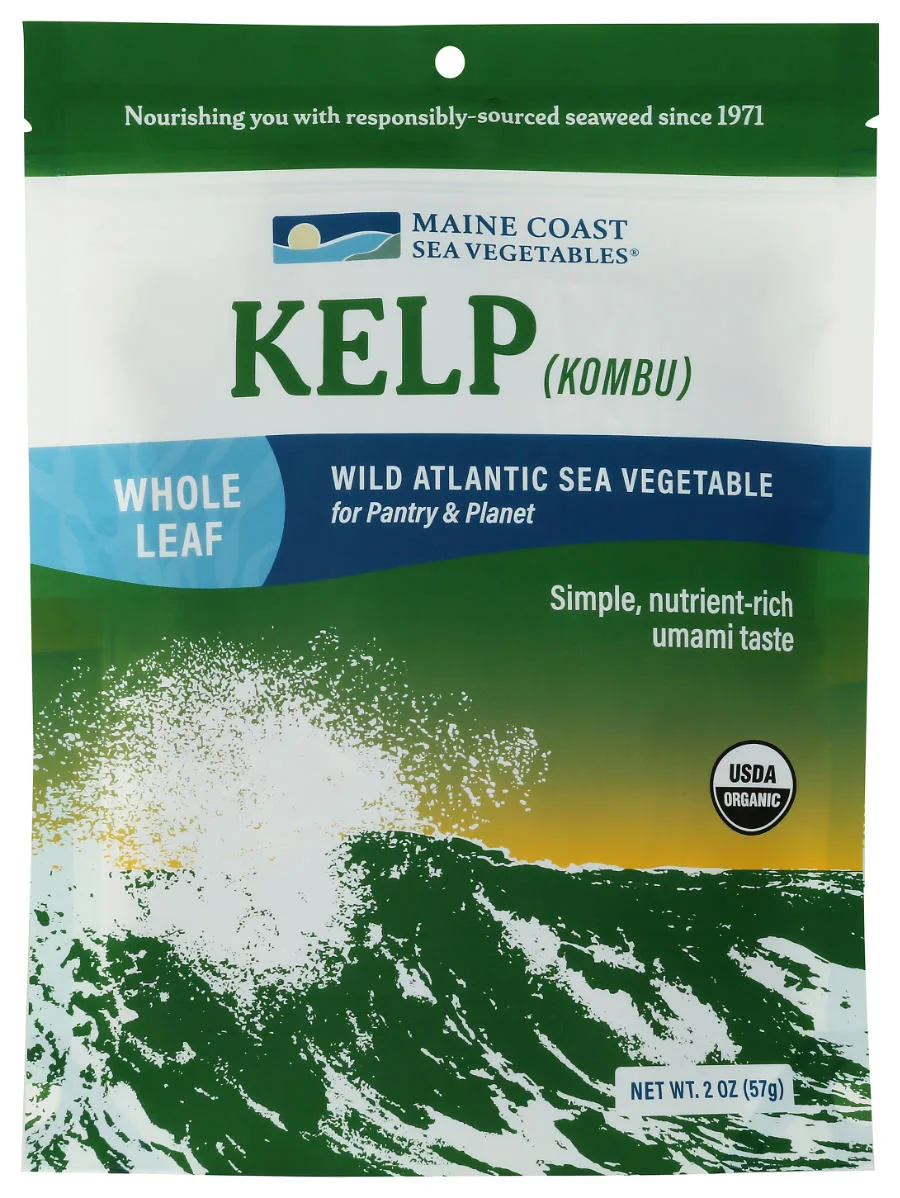
- Organic Sugar Kelp Flakes Bulk (Saccharina latissima) - "Wild Atlantic Kombu" - Wild-Harvested Sea Vegetable: Premium Sugar Kelp flakes in bulk. Can be used in place of traditional Japanese Kombu. Sustainably wild-harvested in the North Atlantic and tested for quality and contaminants. Larger flakes are versatile. Sugar kelp flakes are a great substitute for kombu in soups and broths, offering a milder flavor and convenience in flake form.
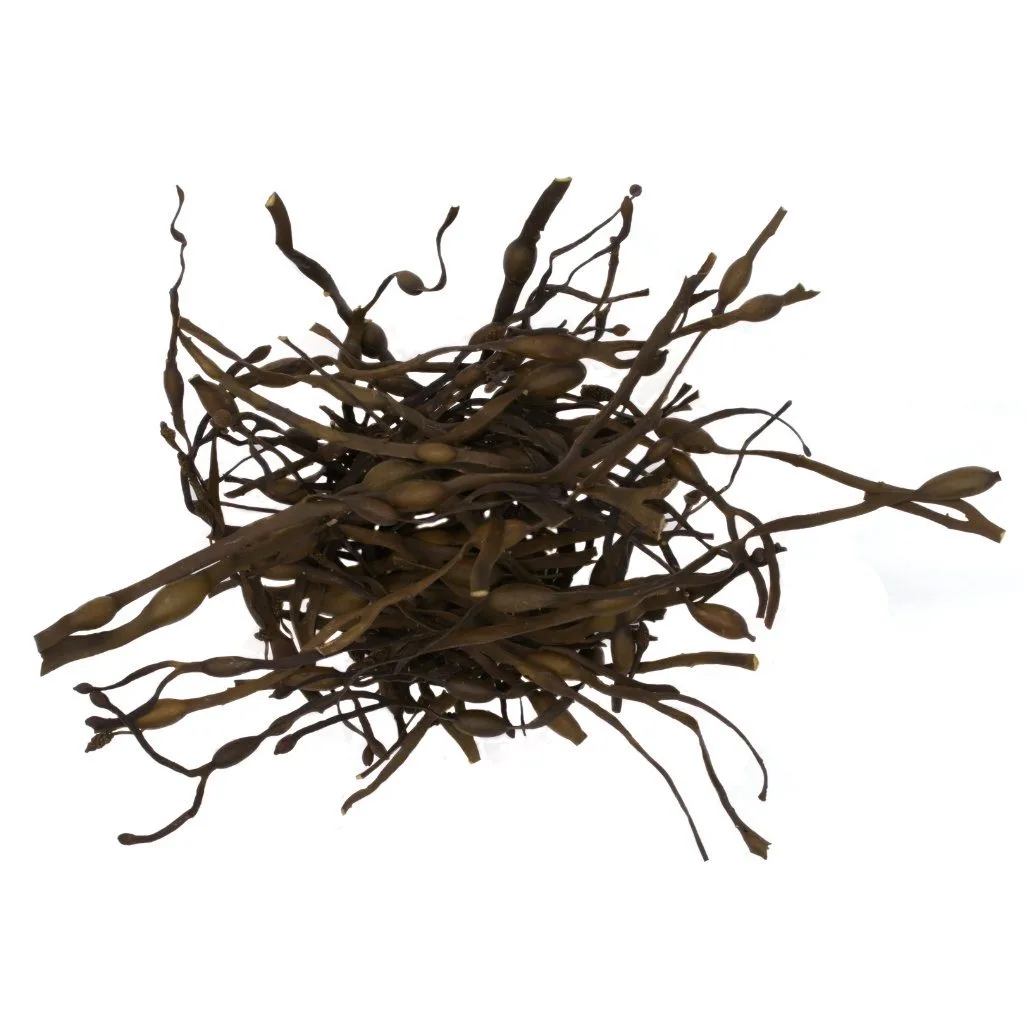
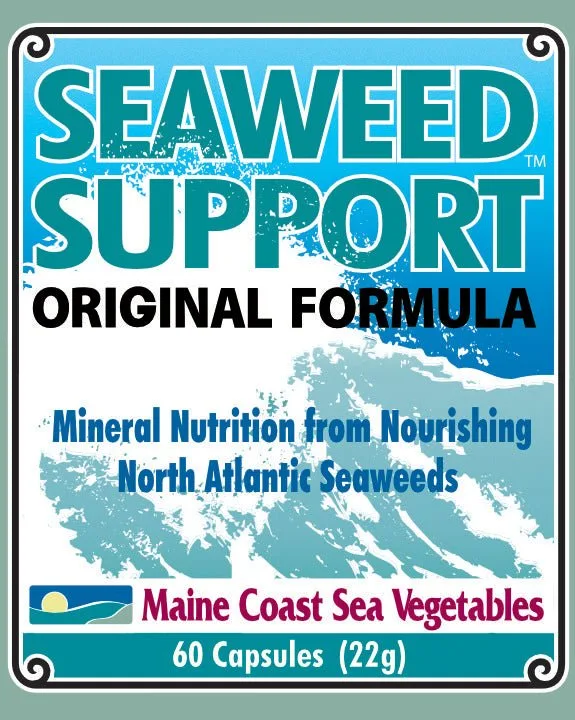
- Organic Rockweed Powder (Ascophyllum nodosum) - Wild-Harvested Atlantic Sea Vegetable: Premium rockweed powder in bulk. Also known as Norwegian kelp. Wild-harvested from the North Atlantic and lab-tested. Easy addition to smoothies, soups, and broths. Rockweed powder is a convenient way to add minerals to your daily routine, especially in beverages.
Who Should Buy What
Best for
- Beginners who want to explore seaweed flavors: the Sea Vegetable Sample Kit
- Smoothie enthusiasts looking for a neutral mineral boost: Organic Rockweed Powder
- Home cooks who want a kombu substitute: Organic Sugar Kelp Flakes
Not for
- Those who dislike any seaweed flavor: consider sea lettuce powder or start with very small amounts.
- Individuals with thyroid conditions: avoid kelp powder without medical advice due to high iodine.
Choosing the right organic seaweed powder doesn't have to be complicated. Start with your flavor preferences and intended use, and don't be afraid to experiment. If you're new to seaweed, the Sea Vegetable Sample Kit is a fantastic way to discover your favorites without a big commitment. Explore the range of wild-harvested, certified organic options at Maine Coast Sea Vegetables to find the perfect powder for your kitchen.