Quick Answer
Oolong tea is a partially oxidized tea that sits between green and black tea. For beginners, start with a lightly oxidized oolong for floral notes or a darker roasted one for toasty flavors. Use about 2 grams of leaf per 6-ounce cup, steep at 185-205°F for 2-3 minutes, and enjoy multiple infusions.
Oolong tea can feel mysterious if you're used to green or black tea. It's not just one flavor—it's a whole family of teas with partial oxidation, which gives it a range from fresh and floral to rich and roasted. This guide will help you understand the main oolong types and how to brew them so you can find your favorite.
We'll cover what makes oolong unique, the different styles you'll encounter, and simple brewing steps. You'll also get practical buying advice, including which oolong to pick based on your taste and how to get the most out of your leaves.
What Is Oolong Tea?
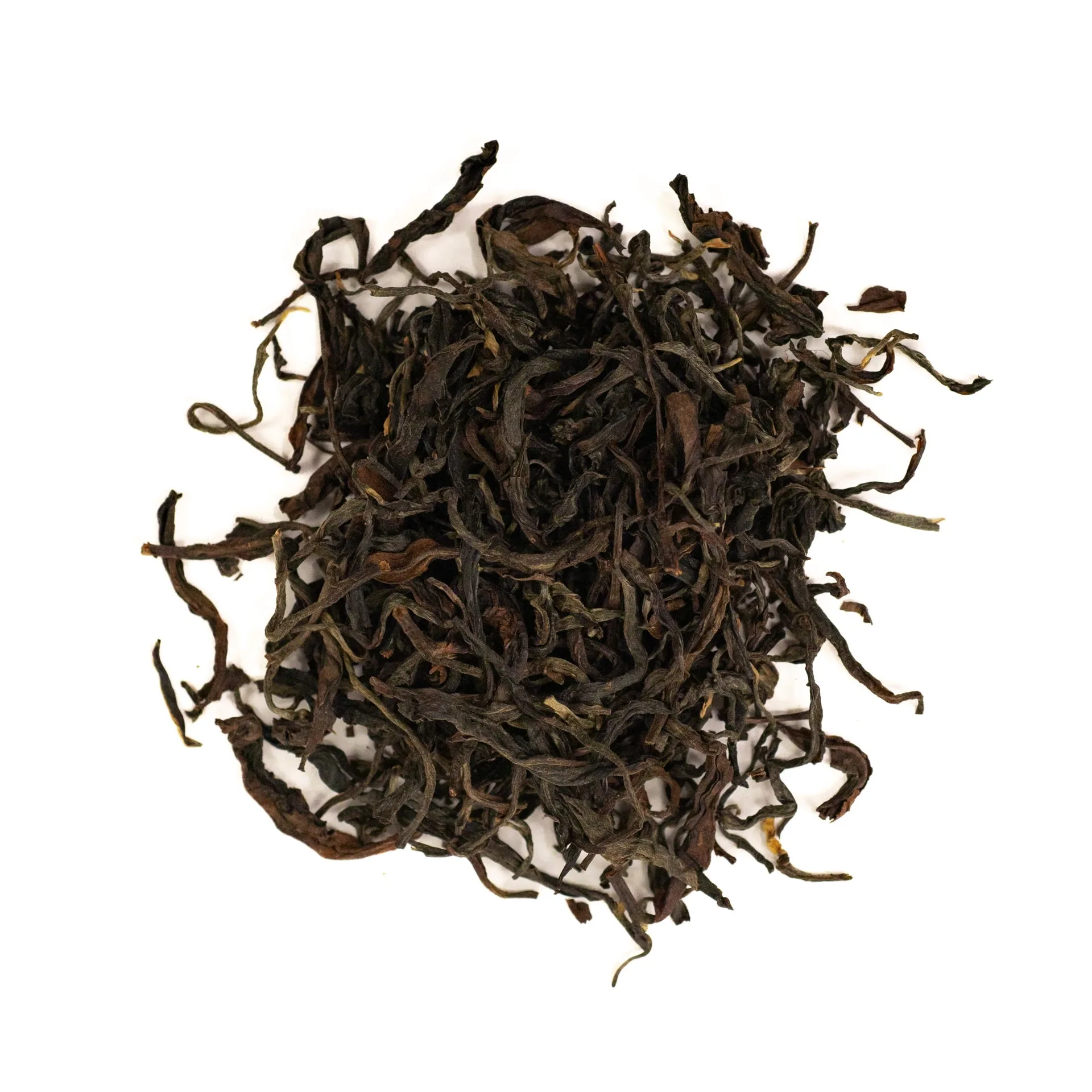
Oolong tea is made from the leaves of the Camellia sinensis plant, just like green and black tea. The key difference is oxidation: oolong leaves are bruised and allowed to oxidize partially before being heated to stop the process. This creates a spectrum of flavors depending on how long oxidation continues.
Lightly oxidized oolongs (about 10-30%) taste closer to green tea, with floral and grassy notes. Heavily oxidized oolongs (50-80%) develop deeper, toasty, or even fruity flavors. Some oolongs are roasted, adding a warm, nutty character. This variety means there's likely an oolong for almost any tea lover.
Common Oolong Tea Types
Oolong teas are often named after their region or style. Some of the most popular types you'll see include:
Tieguanyin (Iron Goddess) is a classic Chinese oolong with a floral, orchid-like aroma and a light, refreshing taste. It's usually lightly oxidized. Da Hong Pao is a roasted oolong from the Wuyi Mountains, known for its rich, mineral, and slightly sweet flavor. Taiwanese oolongs like Dong Ding and Alishan offer smooth, creamy textures with floral or fruity notes.
When choosing your first oolong, consider what flavors you already enjoy. If you like green tea, a light Tieguanyin is a safe start. If you prefer black tea or coffee, a roasted Da Hong Pao might be more appealing.
How to Brew Oolong Tea
Brewing oolong is forgiving, but a few guidelines will help you get the best taste. Use fresh, filtered water heated to about 185-205°F (85-96°C). For most oolongs, boiling water can make the tea bitter, so let it cool slightly if you don't have a kettle with temperature control.
Add about 2 grams of loose leaf tea per 6-ounce cup, or about 1 tablespoon. Steep for 2-3 minutes for the first infusion. Oolong leaves can be re-steeped multiple times—each infusion reveals new flavors. Increase the steeping time slightly for later brews.
If you're using a teapot, warm it first by swirling hot water inside and discarding it. This helps maintain the water temperature during steeping.
- Use a thermometer or kettle with temperature control for consistent results.
- Start with a shorter steep time and adjust to your taste—some prefer a stronger cup.
Oolong Tea Benefits
Like other true teas, oolong contains antioxidants called catechins and theanine, which may support heart health and mental alertness. The partial oxidation creates unique compounds that some studies suggest can aid metabolism. However, research is ongoing, and benefits can vary based on how much you drink.
Oolong also contains less caffeine than coffee but more than green tea, making it a good afternoon pick-me-up. Because it's a true tea, it has no calories unless you add milk or sweetener.
Decision Rules for Choosing Your First Oolong
- If you like green tea: Choose a lightly oxidized oolong such as Tieguanyin or a jade oolong. These have fresh, floral, and slightly vegetal notes that feel familiar. Look for terms like 'light' or 'floral' on the package.
- If you prefer black tea or coffee: Go for a darker, roasted oolong like Da Hong Pao or a roasted Tieguanyin. These have toasty, caramel-like flavors and a fuller body. Check for 'roasted' or 'dark' in the description.
- If you want a balanced middle ground: Try a Taiwanese oolong like Alishan or Dong Ding. They often have a creamy texture with both floral and toasty hints. These are versatile and crowd-pleasing choices.
Oolong Tea Picks and Teaware
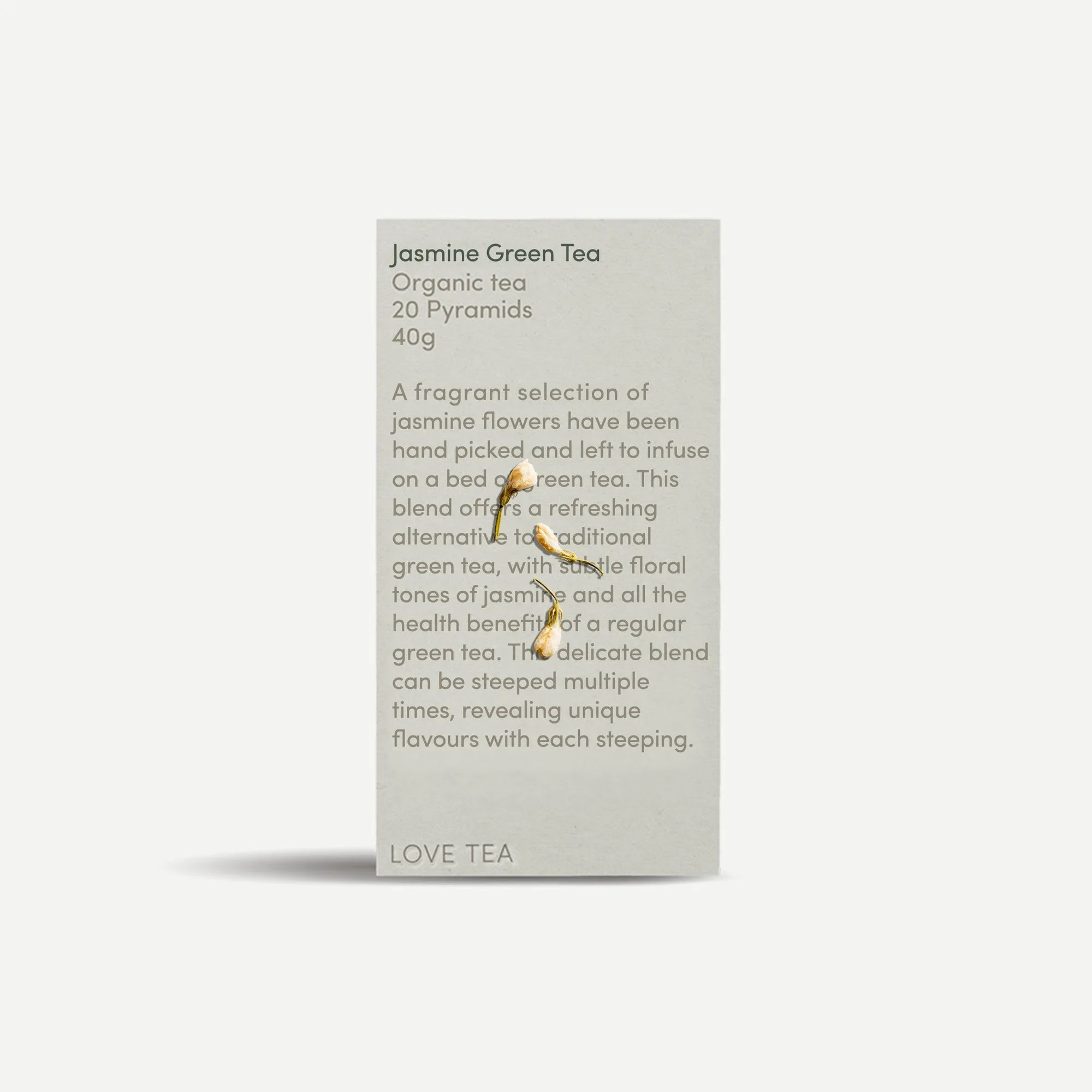
- Jasmine Green Tea Pyramid Tea Bags: A fragrant selection of jasmine flowers have been hand picked and left to infuse on a bed of green tea. This blend offers a refreshing alternative to traditional green tea, with subtle floral tones of jasmine and all the health benefits of a regular green tea. This delicate blend can be steeped multiple times, revealing unique flavours with each steeping. If you enjoy floral oolongs, this jasmine green tea is a similar aromatic experience. It's also a convenient pyramid tea bag option if you're not ready for loose leaf oolong.
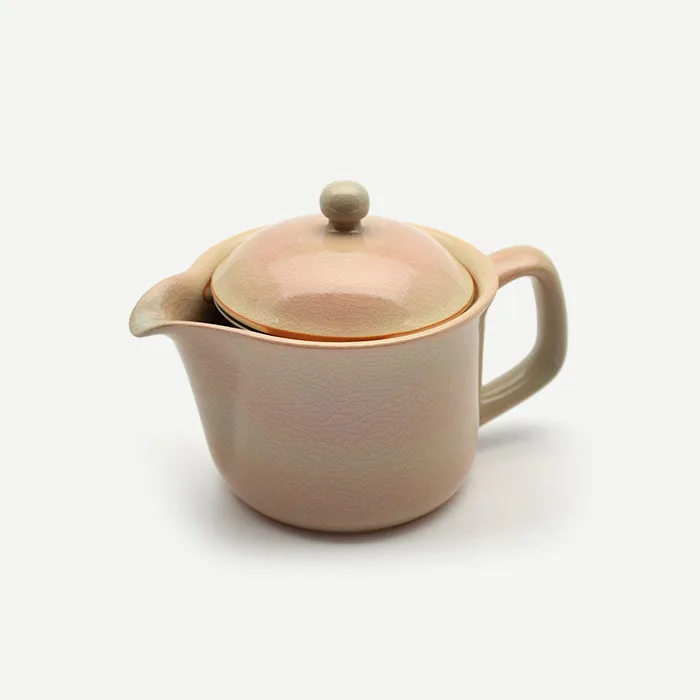
- Teapot Peach Crackle: Japanese Teapot 260ml in pink crackle with beautiful detail. Hand made in Japan. A small teapot like this is perfect for brewing oolong gongfu style or single servings. The 260ml size suits multiple infusions, and the handcrafted design adds to the tea ritual.
Which Oolong Fits You?
Best for
- Tea drinkers who enjoy a range of flavors and want to explore a new category.
- Those who like both green and black tea and want something in between.
Not for
- If you prefer caffeine-free herbal teas, oolong contains caffeine and you might want a rooibos or chamomile instead.
- If you dislike bitter or astringent flavors, avoid over-steeping and choose lighter oolongs.
Oolong tea is a rewarding journey with its many styles and brewing possibilities. Start with a type that matches your current taste, use the right water temperature, and don't be afraid to experiment with steeping times. With a little practice, you'll find the oolong that becomes your daily favorite.