If you're navigating the changes of menopause and looking for simple ways to support your body, you've probably heard about protein supplements. Maybe you're curious but unsure where to start. This beginner's guide is designed specifically for women over 40 who want to understand how protein supplements can fit into a balanced lifestyle—without the confusion or overwhelm.
Protein is a powerhouse nutrient, especially during menopause. It helps maintain muscle mass, supports metabolism, keeps you feeling full longer, and aids in healthy aging. But with so many options on the market, choosing the right supplement can feel daunting. Don't worry—we'll walk you through everything you need to know, from why protein matters to how to use it daily.
Why Protein Matters More During Menopause
As women enter perimenopause and menopause, hormonal shifts—particularly declining estrogen—can lead to muscle loss, a slower metabolism, and increased fat storage, especially around the midsection. Protein becomes even more critical because it provides the building blocks your body needs to preserve lean muscle mass. More muscle means a higher resting metabolic rate, which can help counteract the weight gain many women experience.
Additionally, protein supports bone health, which is vital as estrogen levels drop and the risk of osteoporosis rises. It also helps stabilize blood sugar levels, reducing cravings and energy crashes. For women over 40, aiming for adequate protein intake—around 25-30 grams per meal—can make a significant difference in how you feel and how your body responds to aging.
- Tip: Start by adding a protein source to every meal, even breakfast. A smoothie with a scoop of protein powder is an easy win.
Choosing the Right Protein Supplement for You
Not all protein supplements are created equal, and what works for a younger athlete may not be ideal for a woman in menopause. Look for a high-quality protein powder that is low in added sugars, free from artificial ingredients, and blends easily into your favorite recipes. Whey protein is a complete protein and is quickly absorbed, but plant-based options like pea or rice protein can be excellent alternatives if you prefer a vegan option or have dairy sensitivities.
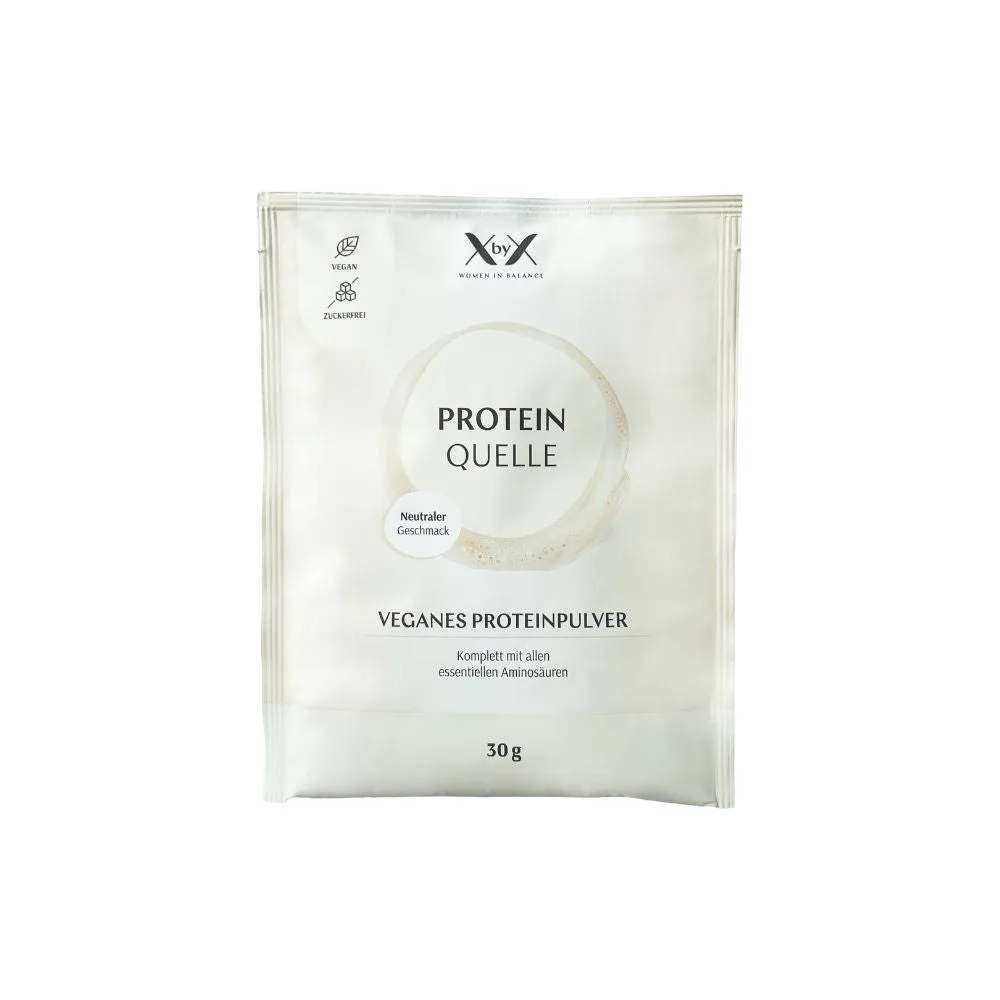
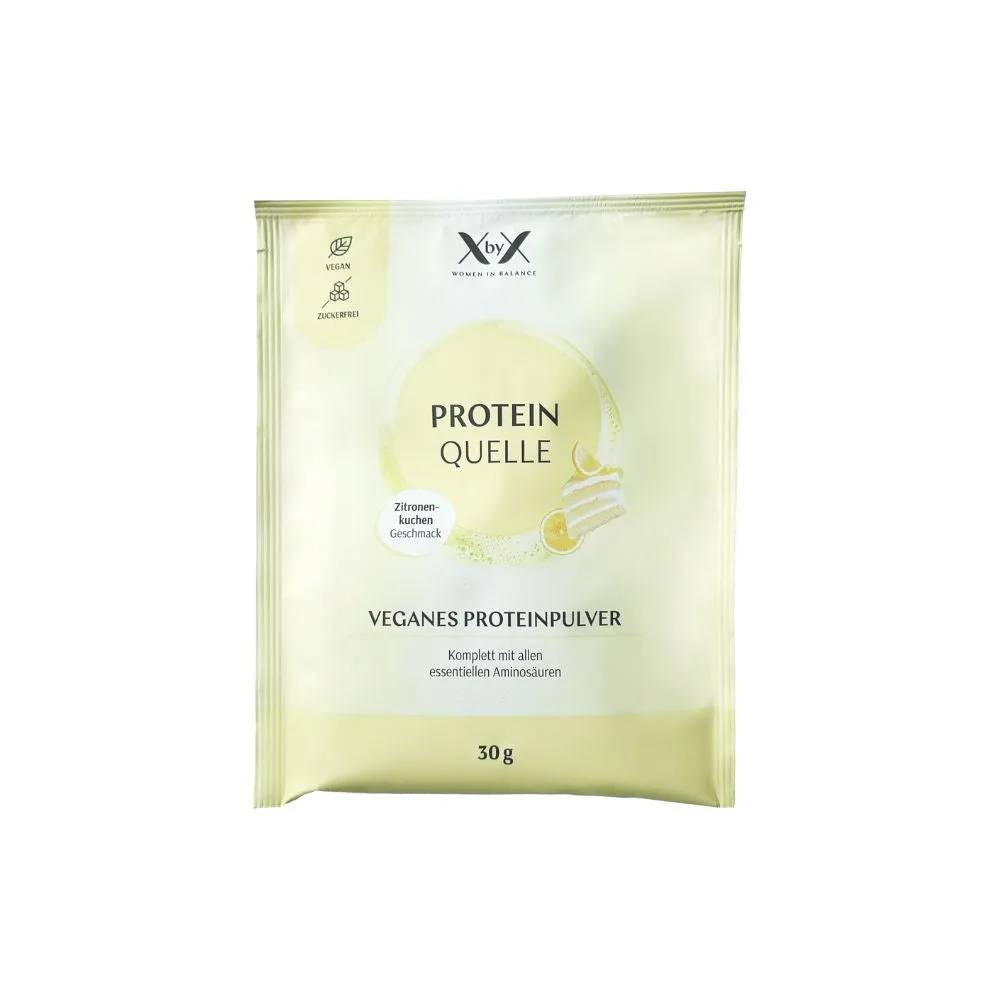
At XbyX, we offer the Kollagen Kick, a collagen protein supplement that is particularly beneficial for women over 40. Collagen supports not only muscle but also skin elasticity, hair strength, and joint health—all areas that can be affected during menopause. Another versatile option is the Protein Quelle Sachet, which comes in neutral flavor and can be added to smoothies, oatmeal, soups, or baked goods without altering the taste. Both are designed to be gentle on digestion and easy to incorporate into your daily routine.
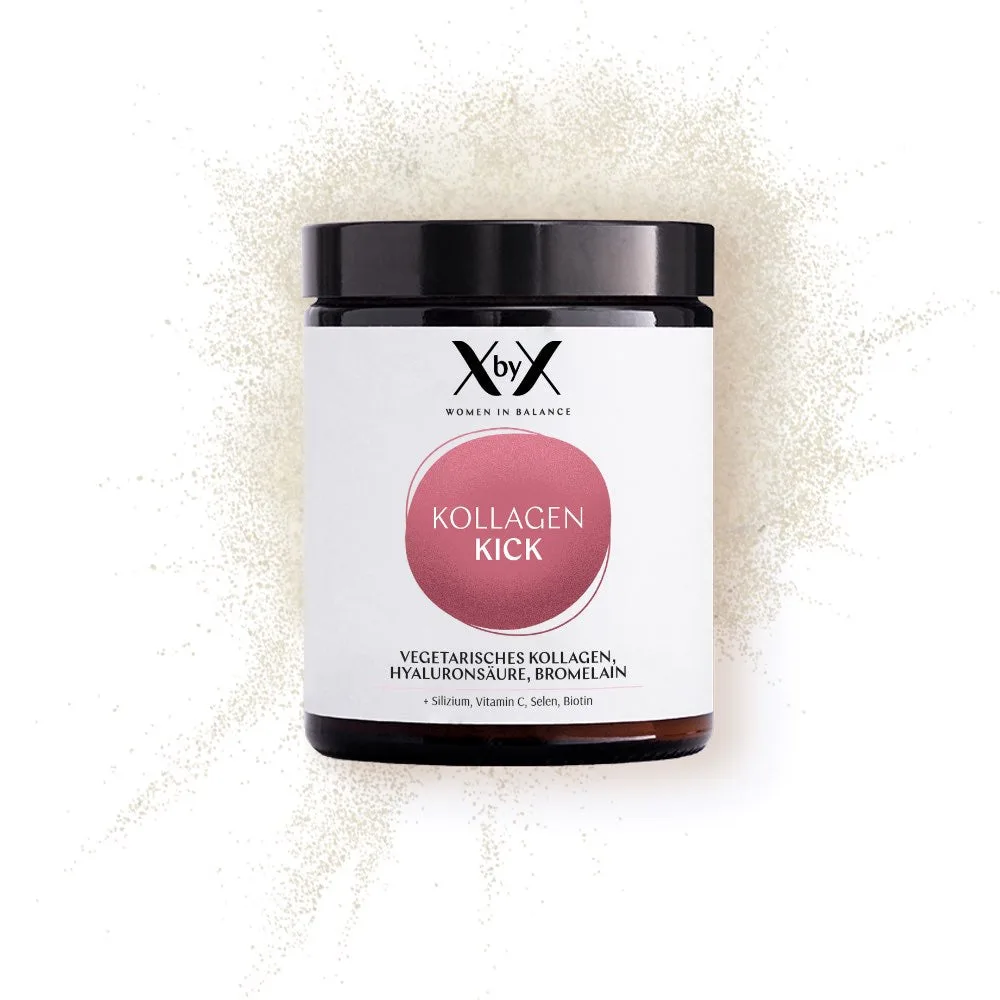
Kollagen Kick
- Tip: If you're new to protein supplements, start with a single serving per day and observe how your body responds before increasing.
- Tip: Mix your protein powder with water, milk, or a dairy-free alternative to find the consistency you enjoy most.
When and How to Use Protein Supplements for Best Results
Timing can enhance the benefits of protein supplements. Many experts recommend consuming protein within 30 minutes after exercise to support muscle repair and growth. This is especially important as we age, since muscle protein synthesis becomes less efficient. A post-workout shake is a convenient and effective way to meet that need.
Protein supplements can also be used as a meal replacement or a snack to keep you satisfied between meals. For example, mixing a scoop of Kollagen Kick into your morning smoothie can help you start the day with a protein boost. Alternatively, adding a serving of Protein Quelle Sachet to your afternoon oatmeal or yogurt can prevent energy slumps and curb cravings. The key is consistency—making protein a regular part of your eating pattern rather than an occasional addition.
- Tip: Use a shaker bottle for on-the-go convenience. Pre-portion your powder in small containers to save time.
- Tip: Pair your protein supplement with a source of healthy fat and fiber for a balanced snack that keeps you full longer.
Common Mistakes Beginners Make and How to Avoid Them
One common mistake is relying solely on supplements for protein intake instead of using them to complement whole foods. Remember, supplements are meant to fill gaps, not replace a varied diet. Aim to get most of your protein from whole sources like eggs, fish, poultry, legumes, and nuts, and use supplements as a convenient backup.
Another pitfall is choosing a product with too much added sugar or artificial flavors, which can spike blood sugar and lead to energy crashes. Always read labels carefully. Also, be mindful of portion sizes—more protein isn't always better. Stick to the recommended serving size, usually around 20-25 grams per scoop, and adjust based on your activity level and overall diet. Finally, don't forget to stay hydrated, as protein metabolism requires adequate water intake.
- Tip: Keep a food diary for a few days to see how much protein you're currently eating. It's often less than you think!
- Tip: If you experience bloating or digestive discomfort, try a different type of protein (e.g., switch from whey to collagen or plant-based).
Sample Day: How to Incorporate Protein Supplements into Your Routine
To make things practical, here's a sample day showing how a beginner might use protein supplements. For breakfast, blend a scoop of Kollagen Kick with a banana, a handful of spinach, and almond milk for a nutrient-packed smoothie. At lunch, enjoy a salad with grilled chicken and quinoa. For an afternoon snack, mix a scoop of Protein Quelle Sachet into a bowl of Greek yogurt with berries. Dinner could be salmon with roasted vegetables and a side of lentils. This approach ensures you're getting protein from both supplements and whole foods throughout the day.
Remember, this is just a template. Feel free to adjust based on your preferences and schedule. The goal is to make protein intake effortless and enjoyable, so you can stick with it long-term. Over time, you'll notice improvements in your energy levels, body composition, and overall well-being.
- Tip: Prep your smoothie ingredients the night before to make mornings easier.
- Tip: Experiment with different recipes—protein powder can be added to pancakes, energy balls, or even savory dishes like soups and stews.
Starting with protein supplements doesn't have to be complicated. By choosing a high-quality product like Kollagen Kick or Protein Quelle Sachet and incorporating it into your daily meals, you can support your muscle health, metabolism, and overall vitality during menopause. Take the first step today and explore our range of protein supplements designed specifically for women over 40. Your body will thank you.