Two Cables, Two Different Jobs
Choosing between the Belden Neutrik XLR cable and the Rode SC9 TRRS cable starts with understanding what each is built for. Both transmit audio, but their connectors and design target different stages of a recording chain. The Belden Neutrik XLR cable is a balanced, pro-grade microphone cable for studio or live sound, while the Rode SC9 is a short, unbalanced TRRS cable meant for connecting compatible cameras, recorders, and mobile devices.
This comparison focuses on their actual specifications and compatibility, not on which sounds better. The supplied information does not include audio performance tests, so we stick to what you can confirm from the product records.
What Each Cable Provides
-
Belden Neutrik Audio Cable 10m XLR Female to XLR Male: 10m length with 3-pin XLR male to female connectors, oxygen-free copper conductors, and pure copper silver plated pins. The longer length suits fixed setups like studio mic runs or stage patching. Balanced XLR design is standard for professional audio gear.
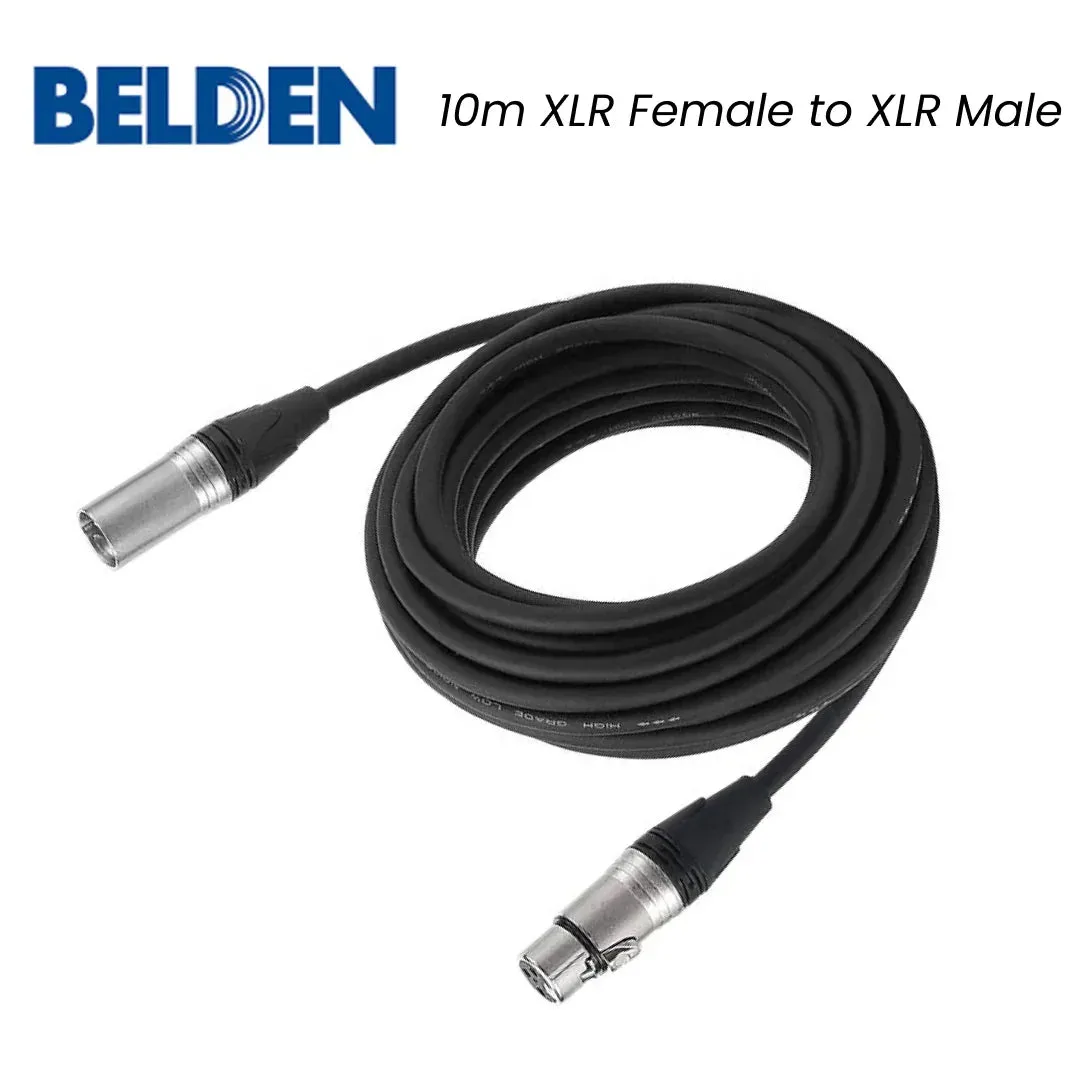
Belden Neutrik Audio Cable 10m XLR Female to XLR Male
-
Rode SC9 3.5mm TRRS to TRRS Cable: 3.5mm TRRS connectors on both ends, compact length, and plug-and-play connection. The TRRS plug works with many camera and mobile audio inputs that accept a single 3.5mm jack. Its short length is convenient for bag or pocket storage.
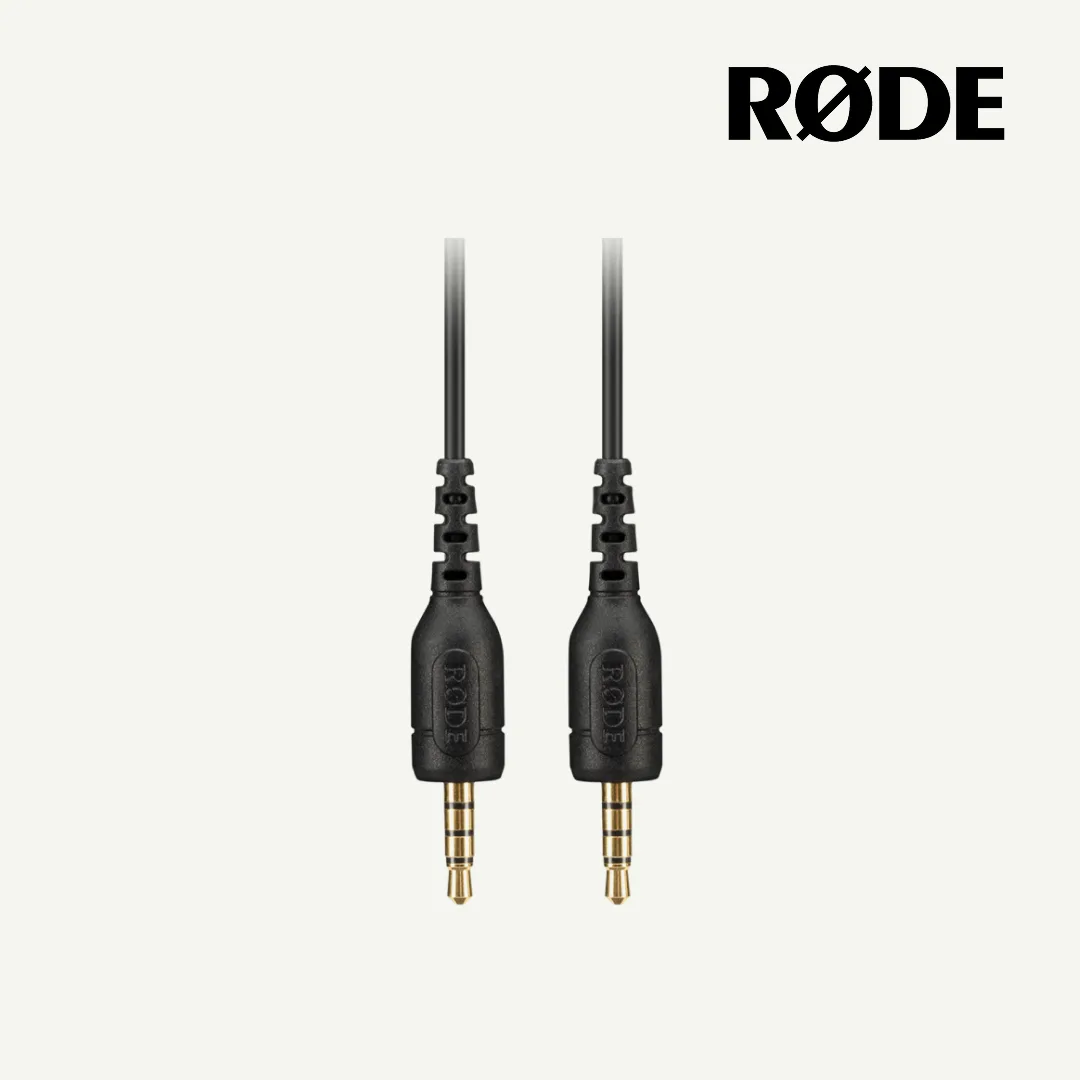
Rode SC9 3.5mm TRRS to TRRS Cable
Key Differences at a Glance
The most important difference is the connector type and what it implies for signal handling.
- Connector type and signal: The Belden Neutrik XLR uses balanced 3-pin XLR, which is the standard for professional microphones and mixers. The Rode SC9 uses unbalanced 3.5mm TRRS, common on consumer cameras, recorders, and phones. Balanced cables can reject interference over longer runs, but the supplied information does not confirm a specific noise reduction figure.
- Length and portability: At 10m, the Belden Neutrik XLR cable is designed for routing around a studio or stage. The Rode SC9 is much shorter and intended for close connections between a camera and an external mic or recorder.
- Build and materials: The Belden Neutrik XLR cable features a flexible PVC jacket, self-locking connectors, and metal housing. The Rode SC9 is described as durable but without detailed material specifications in the supplied records.
Choosing Based on Your Setup
If your equipment uses standard 3-pin XLR inputs—like a studio microphone, mixer, or audio interface—the Belden Neutrik XLR cable is the straightforward choice. Its 10m length gives you flexibility for cable routing and out-of-the-way placement.
If you need to connect a 3.5mm TRRS device, such as a Rode microphone to a camera or a mobile recorder, the Rode SC9 is the correct cable. Its plug-and-play design means no adapters are required, as long as both devices use the same TRRS standard. The supplied information does not list specific compatible models, so confirm your gear's connector type before purchasing.
These cables serve different roles and are not interchangeable. The decision is about matching the connector to your audio chain, not about one being universally better.