Quick answer
Belgian bluestone is the denser, darker choice: it resists scratching and staining better, so it suits busy floors and wet rooms where a cool, moody look is wanted. French limestone is softer and more porous, with a warm, pale face that feels calmer underfoot. Choose bluestone for durability-first projects and limestone for a light, traditional surface in lower-traffic rooms.
How the two stones differ in density and finish
Belgian bluestone is a dense, fine-grained stone that takes a honed or brushed finish well; its tight surface means it absorbs less water and holds up to foot traffic. French limestone is a sedimentary stone, softer and more porous, so it develops a gentle patina and needs sealing to slow staining. Neither is inherently better—density trades a cool, uniform look for a warmer, more tactile surface.
Where each stone works best
Bluestone earns its place in entryways, mudrooms, and kitchen floors where grit and spills are routine. Limestone shines in living rooms, bedrooms, and low-traffic bathrooms, especially when you want a pale, expansive feel. In wet areas, bluestone's lower absorption gives it an edge, but both need proper sealing and prompt cleanup to stay looking their best.
Care and maintenance realities
Both stones are natural and will vary in color and veining—expect movement, not uniformity. Bluestone generally needs resealing less often, while limestone may require more frequent sealing and gentler cleaners to avoid etching. If you want a low-fuss floor, bluestone is the more forgiving option; if you enjoy a lived-in patina, limestone rewards that approach.
Trade-offs at a glance
- Density vs. warmth: Bluestone is denser and more stain-resistant; limestone is softer and develops a warmer patina. Pick bluestone for hard use, limestone for a softer look.
- Finish and color range: Bluestone runs cool gray-blue to charcoal; limestone stays pale beige to cream. Match the stone to your room's light and palette.
- Maintenance load: Bluestone needs less frequent sealing; limestone may need more careful cleaning and resealing. Choose based on how much upkeep you'll realistically do.
Zia Tile options to compare
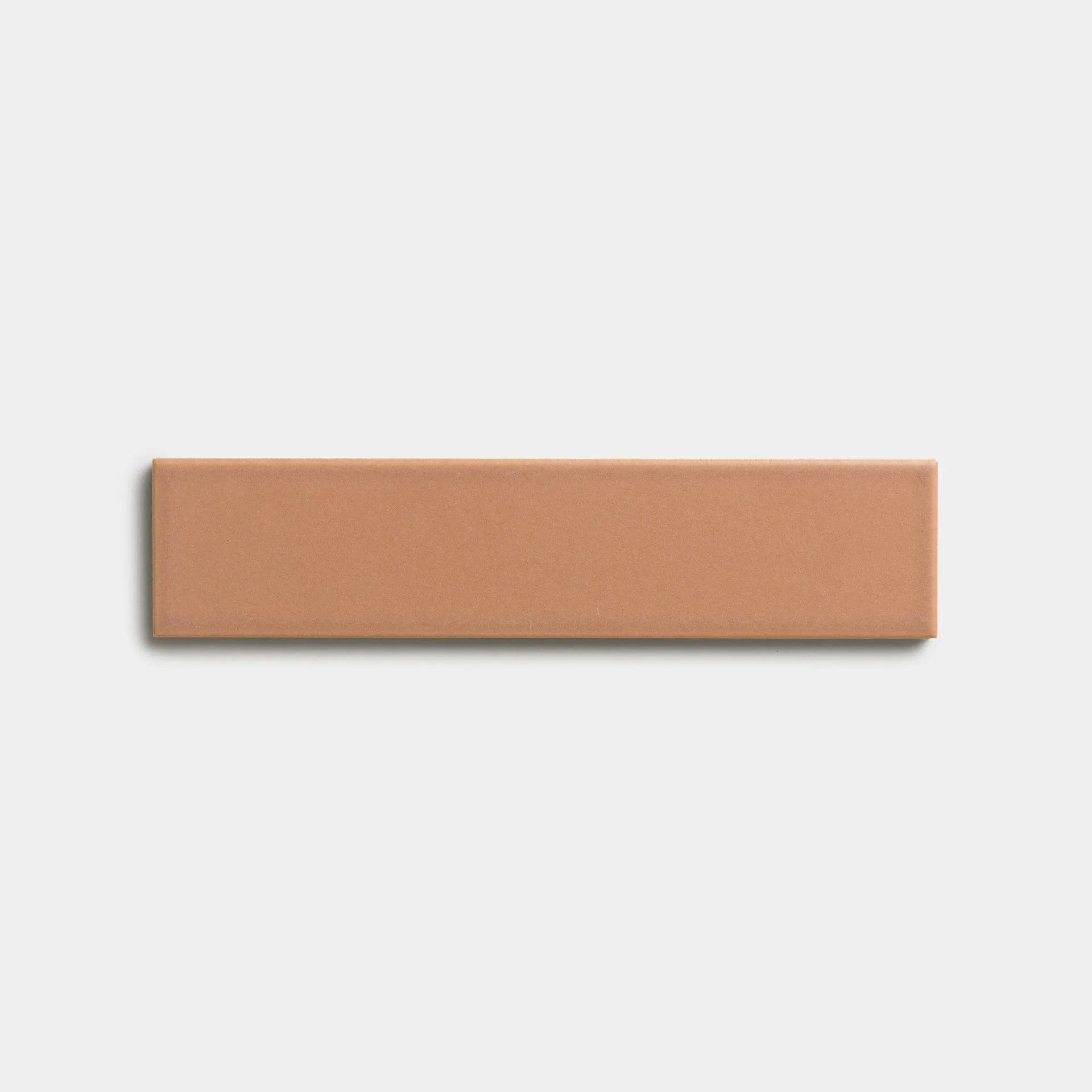
- Rhubarb 2x8: Rhubarb 2x8 is a handmade ceramic tile in a standard 2" x 8" rectangular format, suitable for both wall and floor installations. A warm, handcrafted alternative to natural stone when you want a rectangular format with artisanal texture.
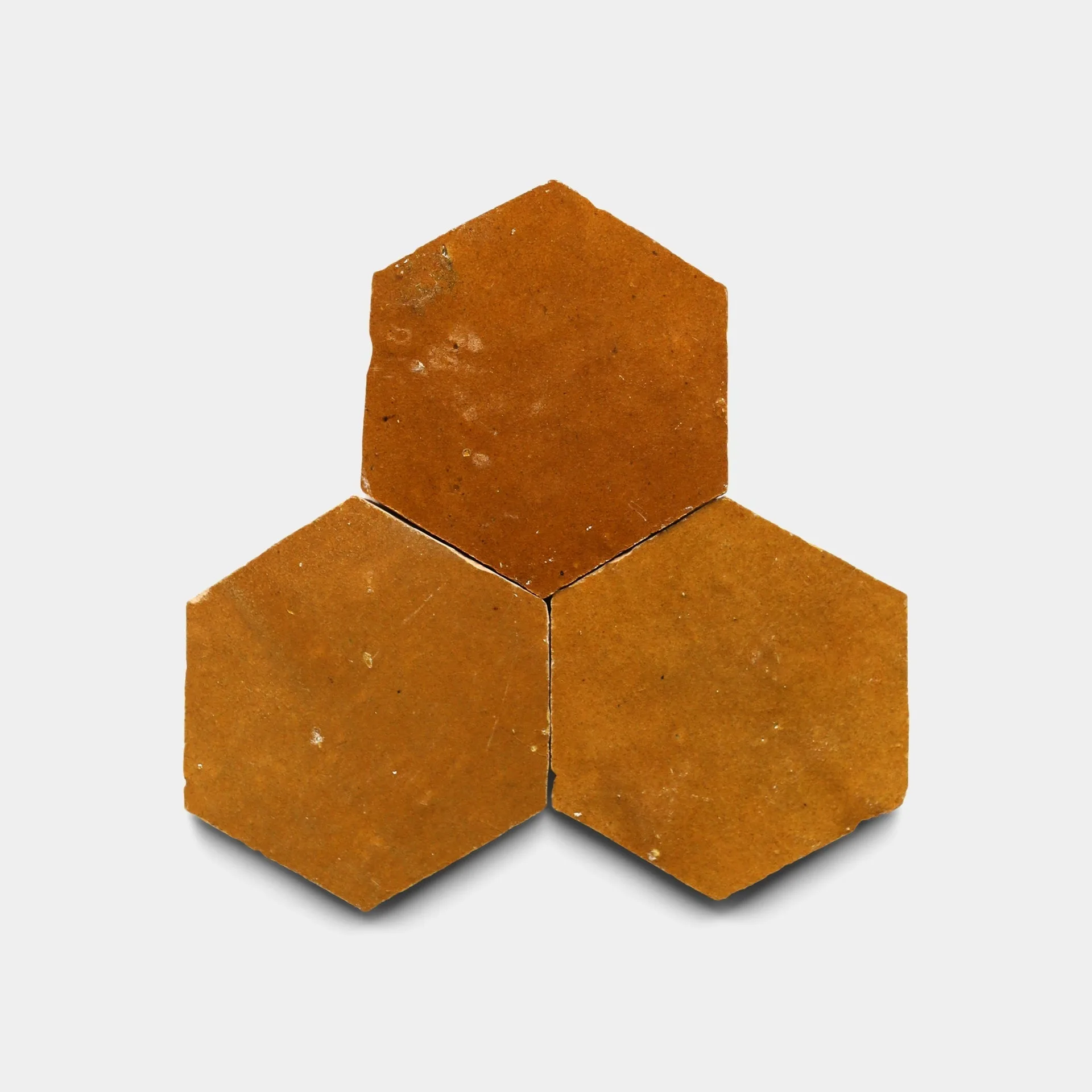
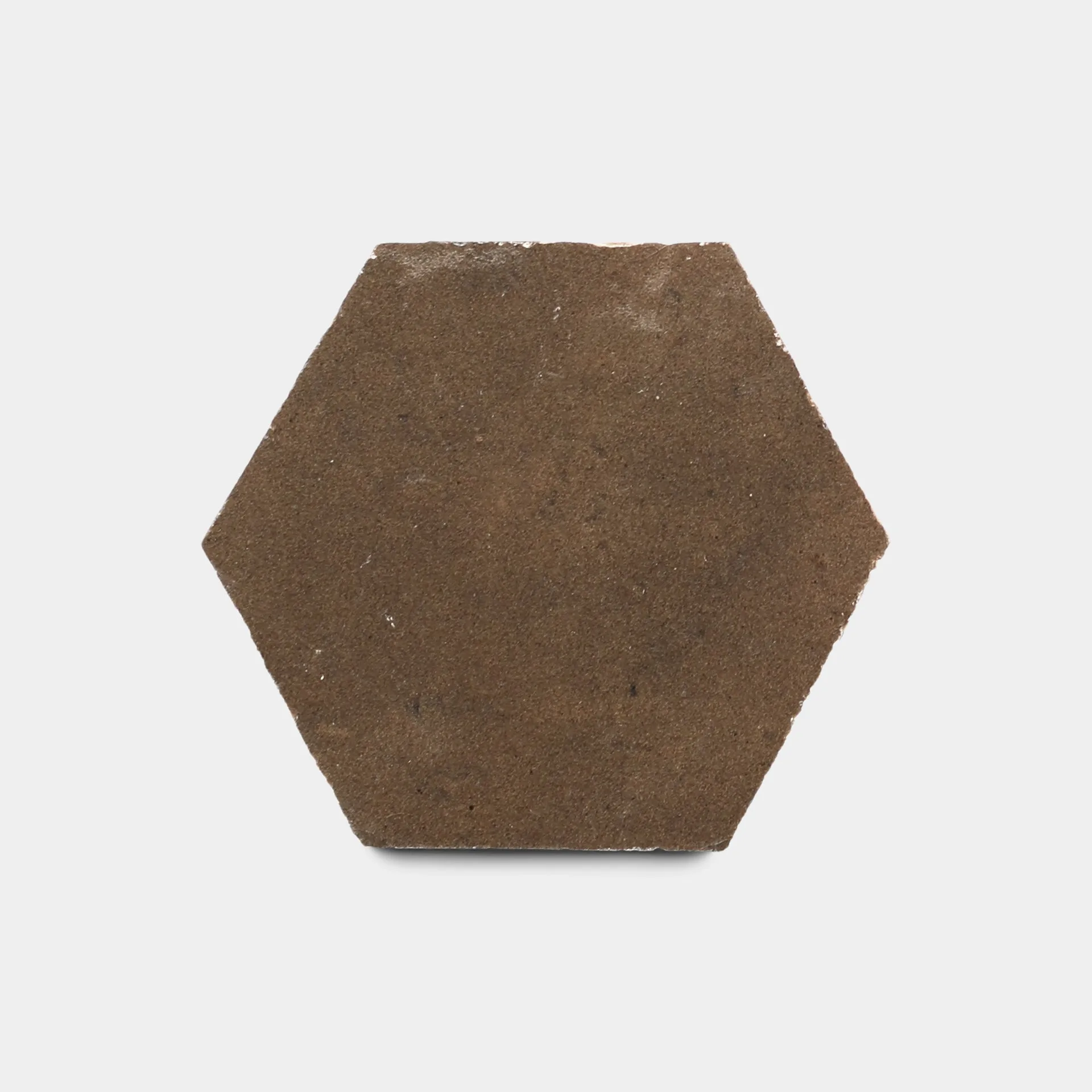
- Amber Hex: Amber Hex Zellige tiles are handmade Moroccan mosaic tiles ideal for wall and floor coverings, bathrooms, kitchen backsplashes, and even swimming pools. A decorative, water-friendly option if you want a geometric, glazed look instead of a solid stone surface.
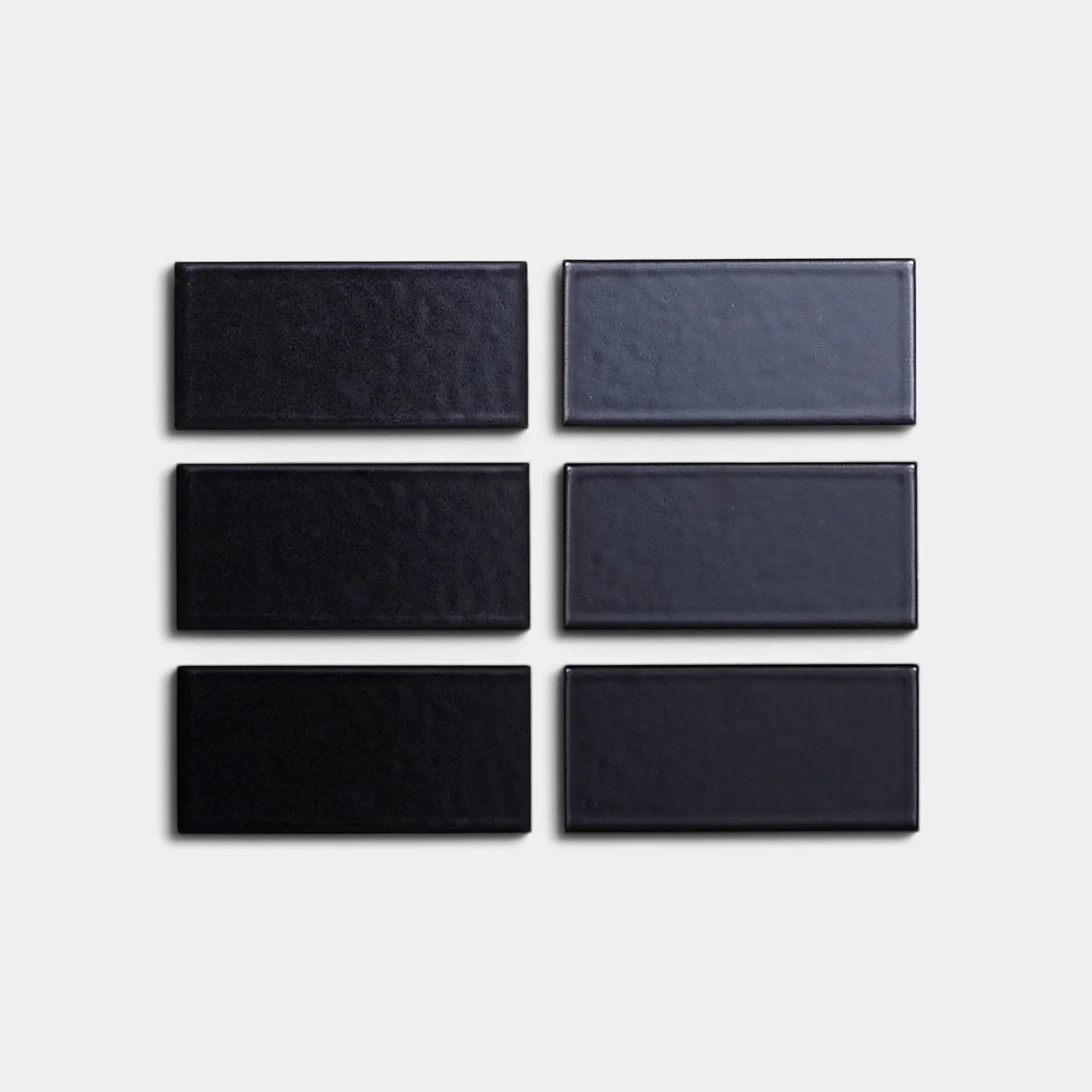
- Cosmic Black 2x4, Sample: Cosmic Black 2x4 Sample is a handcrafted ceramic tile sample in a deep black finish, sized 2 × 4 for design testing and visualization. Low-cost way to preview a dark, dramatic tone before committing to a full stone or ceramic order.
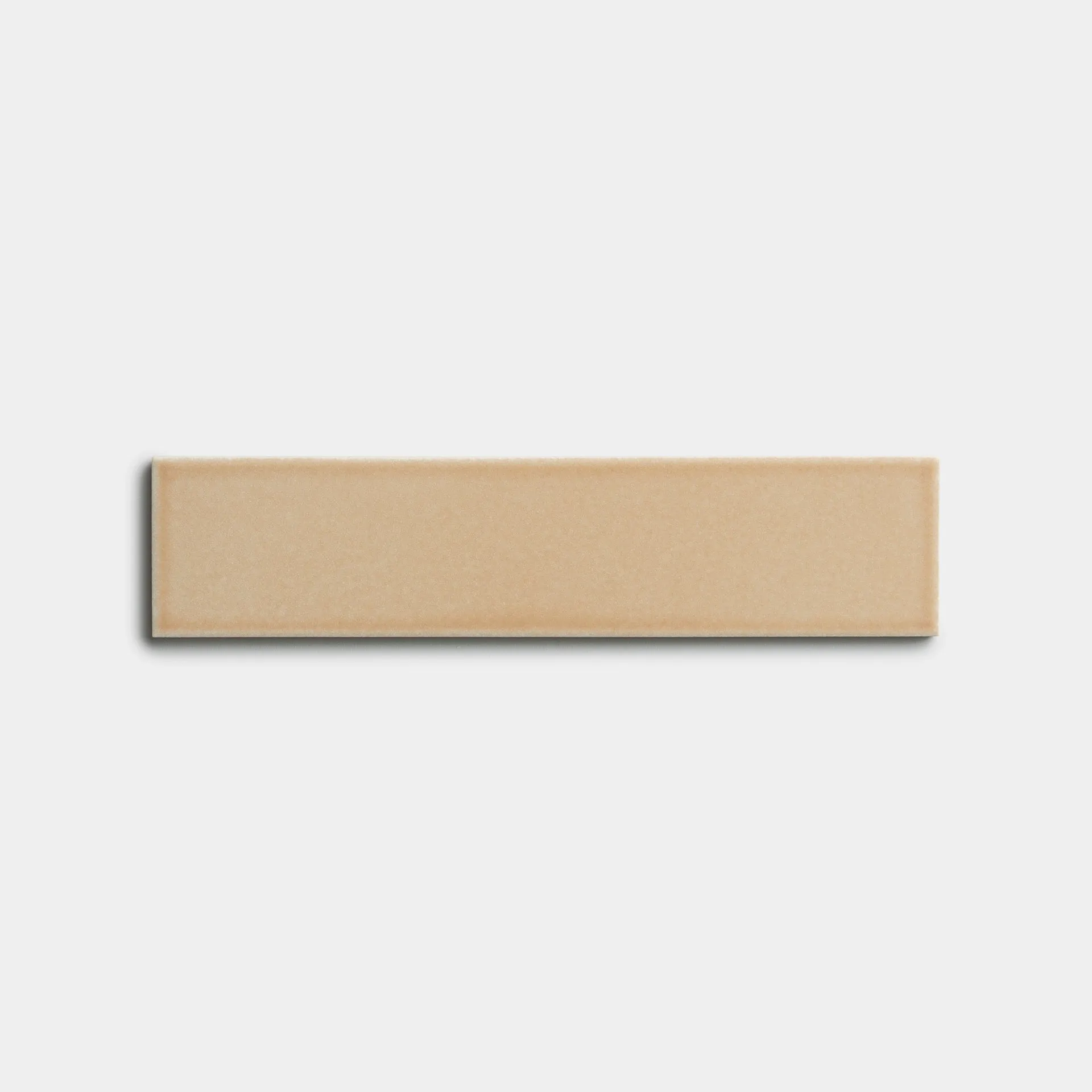
- Biscuit 2x8, Sample: Biscuit 2x8 Sample is an unglazed, biscuit-finished handmade ceramic tile sample, 2 inches by 8 inches, showing natural texture and subtle color variation. Lets you test a pale, matte surface against your lighting and grout before buying full-size tile.
Which stone fits your project?
Best for
- High-traffic floors and wet areas where durability matters most.
- Cool, modern palettes that can carry a dark, dense stone.
Not for
- Rooms where you want a pale, uniform surface with minimal variation.
- Projects with very low tolerance for sealing and patina over time.