What Belgian Chocolate Tea Is (and Isn't)
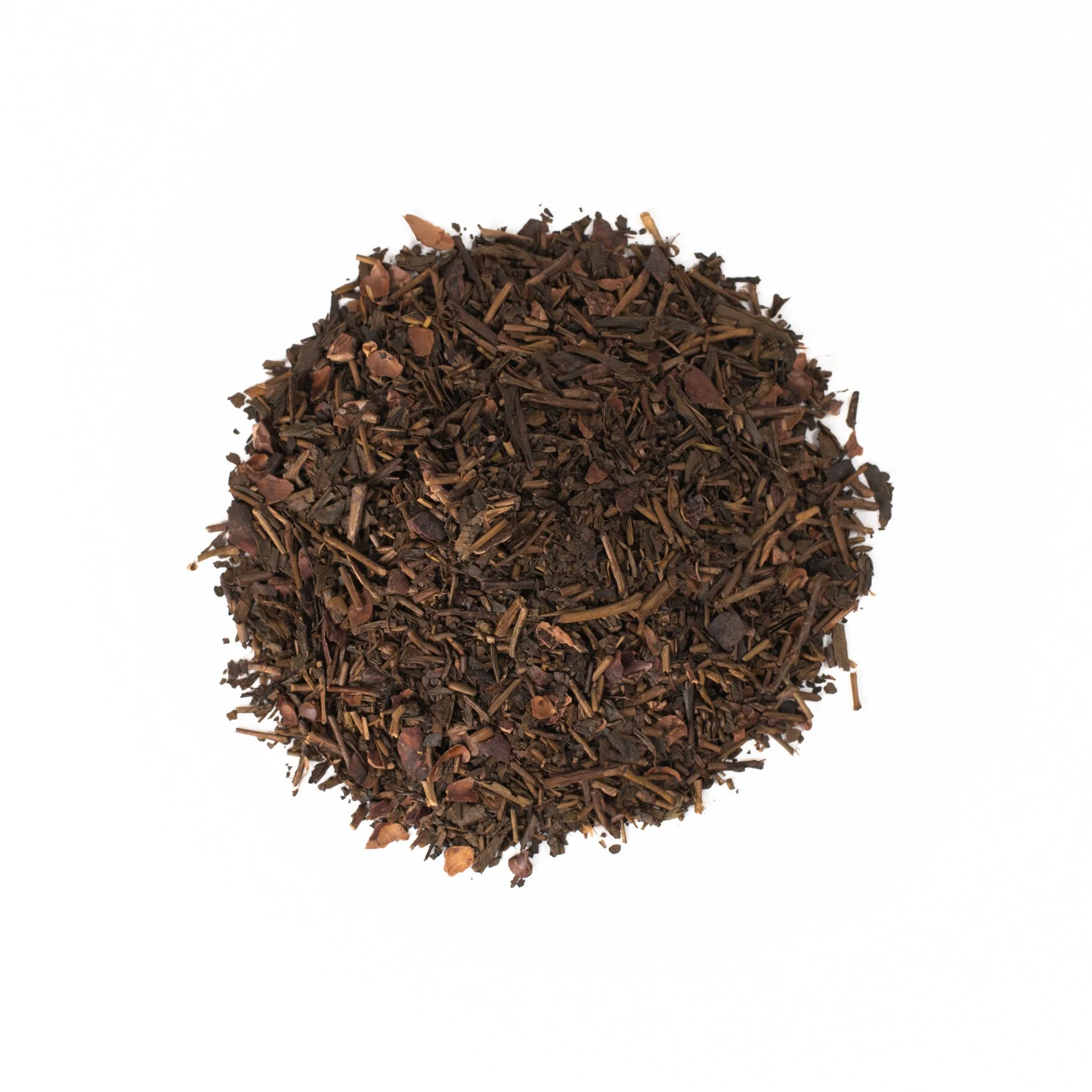
Belgian Chocolate is a loose leaf blend of cacao and rooibos tea leaves. The catalog describes it as rich in antioxidants and full of flavor, positioned as a dessert-inspired cup. That's the whole confirmed picture: cacao plus rooibos, sold in 50g and 100g sizes.
What the catalog does not include is just as important for a buying decision. There are no steeping times, water temperatures, allergen statements, caffeine declarations, or shelf-life details in the supplied record. Rooibos is generally understood to be caffeine-free, but this listing does not state it, so treat caffeine content as unconfirmed if that matters to you. The same goes for dairy or soy: cacao blends can carry allergen risk, and this record neither confirms nor rules it out.
The Catalog Facts Behind the Cup
-
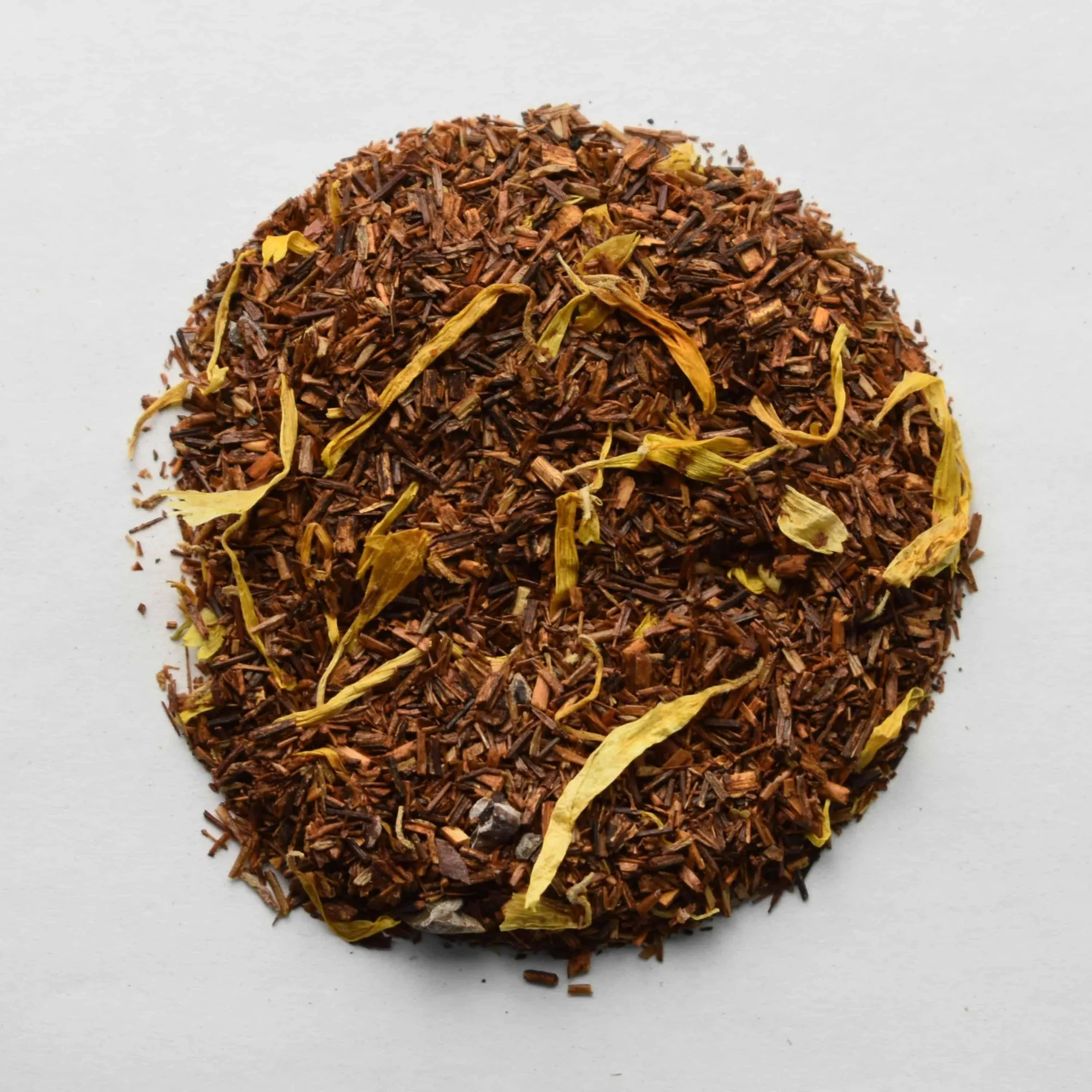
Belgian Chocolate: Belgian Chocolate is a blend of cacao and rooibos tea leaves. This tells you the base: rooibos rather than black or green tea, with cacao supplying the chocolate character.
Belgian Chocolate
-
Belgian Chocolate: The catalog describes it as rich in antioxidants and full of flavor, a dessert-inspired cup. Sets expectations: a flavorful dessert-style tea, not a plain rooibos or a drinking-chocolate substitute.
-
Belgian Chocolate: Available in 50g and 100g sizes. The only real choice on the listing is bag size, so your decision comes down to how often you'll drink it and whether it's a gift.
50g or 100g: Choosing Your Bag Size
Because size is the only option, pick based on how you'll use the tea rather than on flavor differences.
- 50g — try it or gift it: A sensible first bag if you're new to cacao-rooibos blends or want a small chocolate tea gift. It lets you test whether the dessert profile suits your taste before committing to more.
- 100g — for regular dessert-tea drinkers: Better value per gram if you already know you like chocolate-forward herbal blends and plan to drink it often. Also the more generous choice for a shared gift or a tea shelf you restock regularly.
How to Brew Chocolate Tea Without Guessing
The catalog supplies no steeping instructions, so start conservatively and adjust to taste. These are general loose leaf practices, not manufacturer directions.
- 1. Measure a modest amount: Start with roughly one teaspoon per cup. Cacao can turn bitter if you overleaf, so begin light and add more next time if the cup tastes thin.
- 2. Use freshly boiled water, then let it settle: Rooibos tolerates hot water well. Pour just off the boil and taste early rather than steeping blindly.
- 3. Steep briefly, then check: Begin around three to four minutes. If the cacao reads sharp, shorten the next steep; if it's watery, lengthen it. Without official guidance, your own taste is the reliable measure.
- 4. Strain and adjust the finish: A splash of milk or a little sweetener can soften cacao's edge, but check the packaging for allergen information first, since the catalog doesn't list ingredients beyond cacao and rooibos.
The Best Way to Drink Chocolate Tea
- As an after-dinner cup: The dessert-inspired profile suits the end of a meal, especially if you want something chocolatey without a full dessert.
- As a caffeine-light evening option: Rooibos is the base, but caffeine content isn't confirmed in the catalog. If caffeine keeps you up, ask before relying on it as a nighttime drink.
- As a chocolate tea gift: The 50g bag makes an easy small gift for a dessert-tea lover; the 100g suits a bigger gesture or a household that drinks tea daily.
What to Check Before You Buy
Two questions are worth resolving before checkout because the supplied record doesn't answer them. First, allergens: cacao blends may contain or be processed alongside dairy or soy, and this listing gives no allergen statement. Second, caffeine: rooibos is the base, but the catalog doesn't declare caffeine content, so don't assume it's caffeine-free based on this page alone.
Storage guidance and shelf life are also absent from the record. Keep the tea in a sealed container away from heat and moisture as a general practice, and check the packaging when it arrives for any specific storage or date information. If you need certainty on ingredients or allergens, contact the store before ordering rather than relying on the product description.