Belt loops are the unsung heroes of your wardrobe. They keep your belt securely in place, ensuring your outfit stays polished and functional. Yet, they are often overlooked until they fray, tear, or break entirely. Whether you're dealing with a loose loop on your favorite jeans or considering upgrading your belt setup, understanding belt loop maintenance and replacement can save you time, money, and frustration.
In this guide, we'll walk you through the basics of belt loop care, how to identify when a loop needs replacing, step-by-step instructions for DIY replacement, and tips for choosing the right belt accessories to extend the life of your loops. We'll also highlight how products like the Aluminum Urban Belt and the Quick-Release Lacing System Lace Anchors can complement your belt loop maintenance routine.
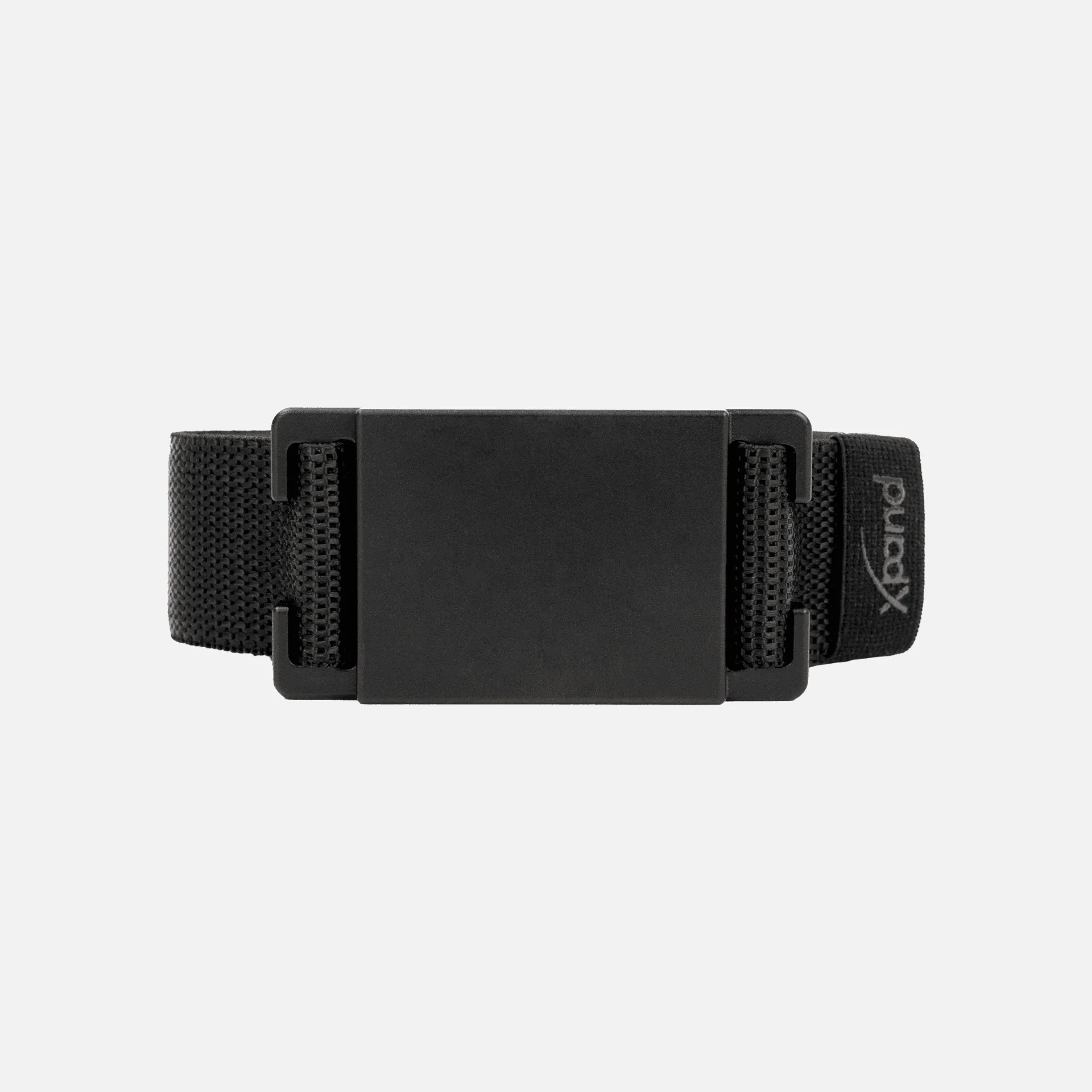
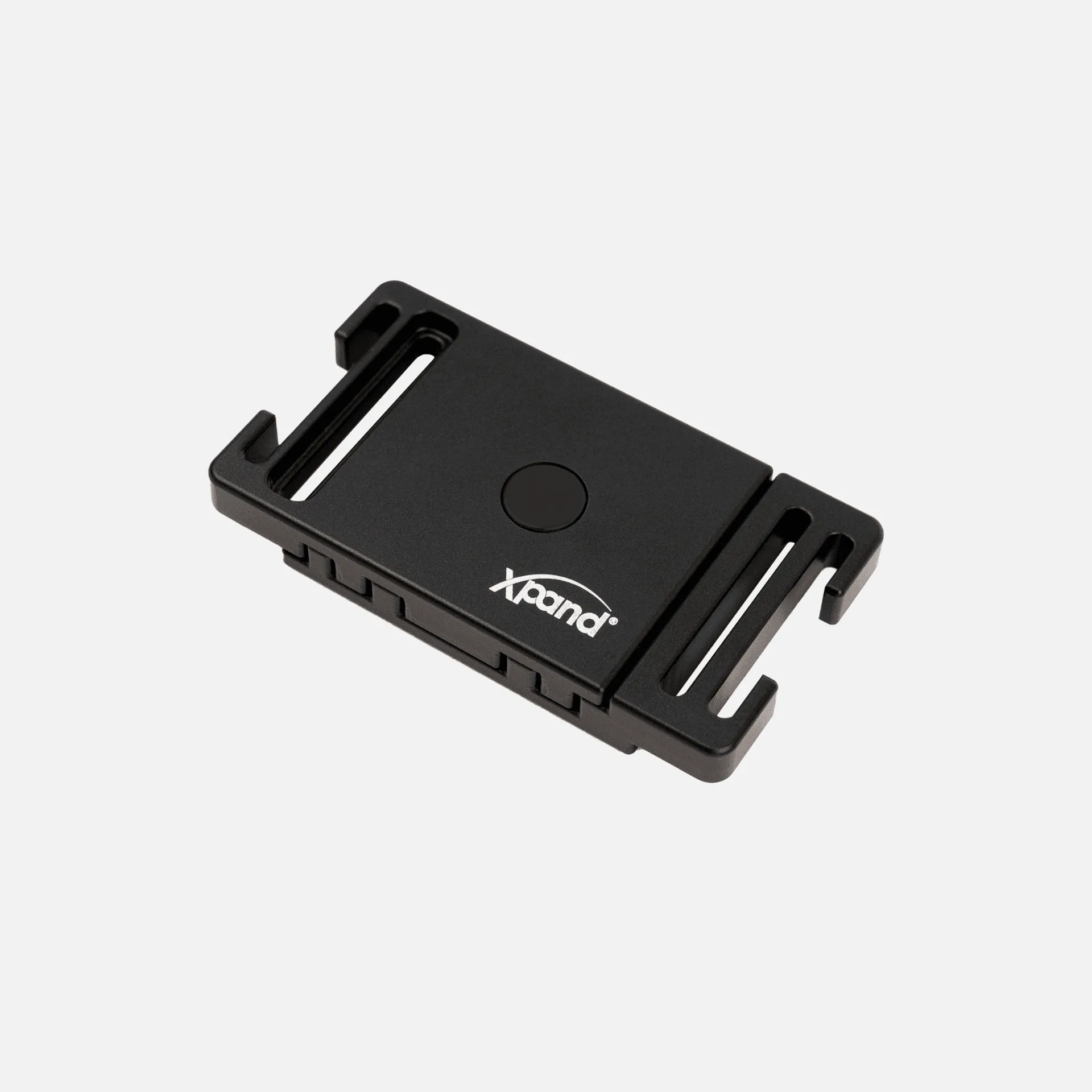
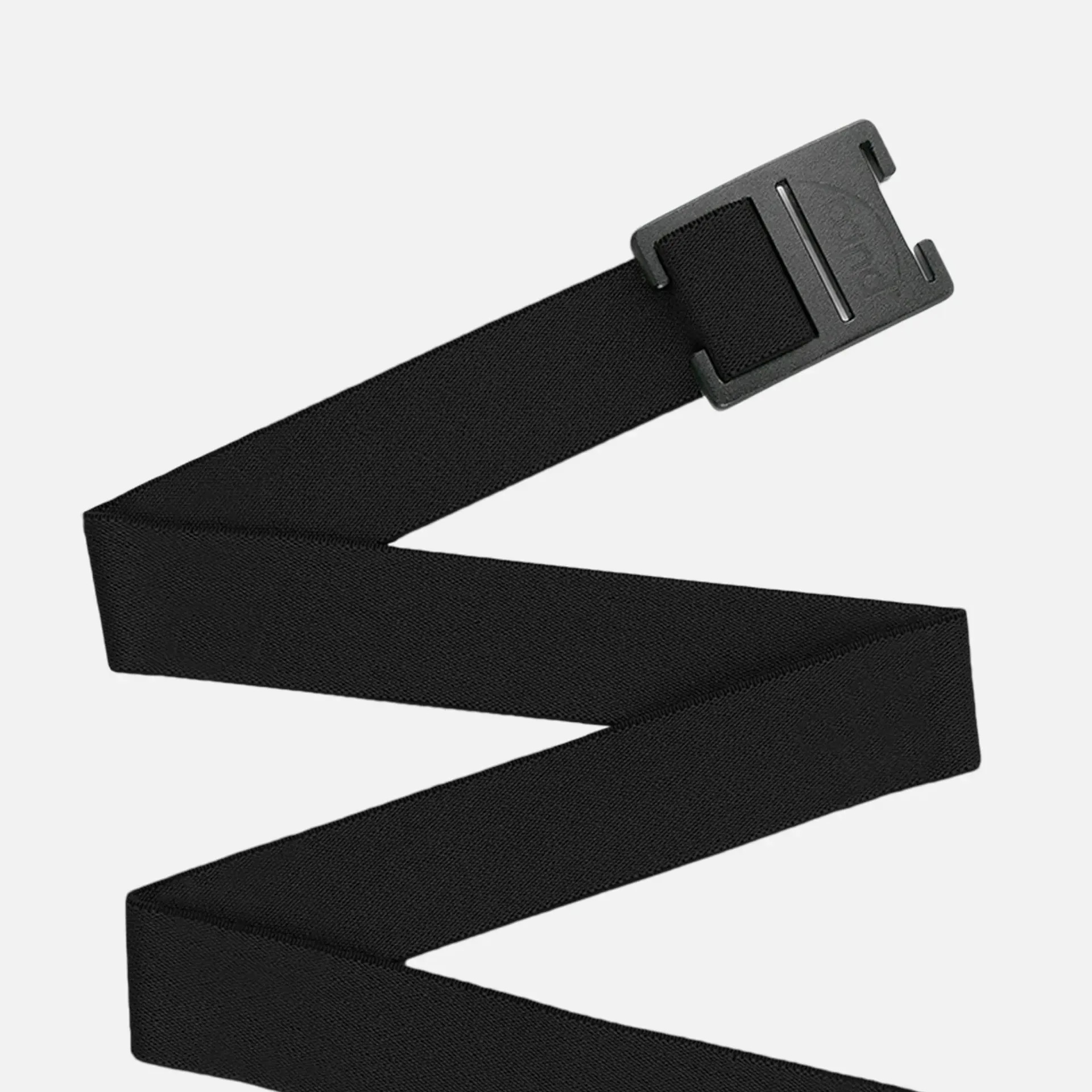
Aluminum Urban Belt
Why Belt Loop Maintenance Matters
Belt loops endure constant stress from daily wear, especially if you carry items on your belt or move frequently. Over time, fabric loops can stretch, fray at the edges, or even detach from the waistband. Ignoring damaged loops can lead to uneven belt pressure, uncomfortable wear, and even complete failure of the loop, leaving your belt sagging or misplaced.
Regular inspection and simple maintenance can extend the life of your loops. Look for signs of wear such as thinning fabric, loose threads, or discoloration. If you notice any of these, it's time to take action. Simple fixes like reinforcing with a few stitches can prevent a small problem from becoming a wardrobe malfunction.
- Check belt loops monthly for fraying or loose stitching.
- Avoid overloading belt loops with heavy clips or pouches.
- Wash pants inside out to reduce friction on loops.
How to Replace a Belt Loop: Step-by-Step
Replacing a belt loop is a straightforward DIY project that requires basic sewing skills. Start by removing the damaged loop with a seam ripper, being careful not to cut the waistband fabric. Cut a new loop from matching fabric or use pre-made loop tape available at craft stores. Fold the edges under and pin the loop in place, aligning it with the original position.
Sew the loop using a strong thread and a straight stitch, reinforcing the top and bottom edges with a few backstitches. For extra durability, use a zigzag stitch along the edges. If you're not confident in your sewing, you can also use fabric glue or iron-on hem tape as a temporary fix. However, sewing is the most reliable long-term solution.
- Use a seam ripper to remove old stitches cleanly.
- Match thread color to the pants for an invisible repair.
- Iron the new loop flat before sewing for easier handling.
When to Consider Professional Repair or Replacement
If multiple belt loops are damaged or the waistband itself is compromised, it may be time to consult a tailor. Professional repair ensures even tension and consistent stitching, especially on high-end garments. Additionally, if you're upgrading your belt to a heavier style like the Aluminum Urban Belt, you may need reinforced loops to support the extra weight.
Another option is to replace the entire waistband with a new set of loops. This is common in vintage garment restoration or when altering pants to fit a different belt width. While this is more labor-intensive, it gives you a fresh start and allows you to customize loop placement for comfort.
- Tailors can reinforce loops with extra stitching for heavy belts.
- Consider replacing all loops if more than two are damaged.
- Heavier belts may require wider or sturdier loops.
Belt Accessories That Protect Your Loops
Using the right belt accessories can significantly reduce wear on your belt loops. Belt keepers, for instance, secure the tail of your belt and prevent it from flopping around, which reduces friction on the loops. Similarly, belt loop protectors are small fabric or leather sleeves that slide over the loop, shielding it from abrasion.
Another innovative accessory is the Quick-Release Lacing System Lace Anchors, which can be used creatively to attach small items to your belt without stressing the loops. While designed for shoelaces, these anchors provide a secure attachment point that distributes weight evenly, minimizing loop strain. Pairing them with a lightweight belt like the Aluminum Urban Belt creates a balanced, functional setup.
- Belt keepers prevent excess movement and loop wear.
- Loop protectors are ideal for high-friction activities like hiking.
- Lace anchors offer a versatile alternative to traditional belt clips.
Common Mistakes to Avoid
One common mistake is using a belt that is too wide for the loops. This causes the belt to bunch and puts uneven pressure on the fabric, leading to premature wear. Always measure your loop width and choose a belt that fits snugly without forcing. Another error is neglecting to reinforce new loops with backstitching, which can cause them to pull out under tension.
Also, avoid washing pants with belts still threaded through the loops. The metal buckle can snag and tear the fabric, and the belt itself may become misshapen. Remove your belt before laundering, and if you must wash the loops, turn the pants inside out and use a gentle cycle. Finally, don't ignore small tears—a tiny hole can quickly become a large gap if left untreated.
- Always remove your belt before washing pants.
- Use a belt width that matches your loop size.
- Repair small tears immediately to prevent escalation.
Belt loop maintenance and replacement are simple skills that can extend the life of your favorite pants and keep your belt secure. By inspecting regularly, repairing promptly, and using smart accessories, you'll avoid wardrobe mishaps and enjoy a polished look every day. For a durable, stylish belt that complements your loops, explore the Aluminum Urban Belt—it's built to last and pairs perfectly with any outfit.