Quick answer
Buy the column back cover only if your machine is a HiTorque large bench mill or a SIEG SX3.5; that upper cover is a model-specific part, not a universal panel. Washer and spacer parts are the opposite case: they are cheap, dimension-driven items, so measure the shaft and the gap before ordering. If you cannot confirm the model or the dimensions, stop and identify the machine first.
Why column covers and spacers fail differently
A column back cover fails for physical reasons: chips and coolant reach the rear of the column, the panel cracks at a mounting point, or it is simply missing after a move or a repair. Because the cover is shaped to one column casting, replacement is a model-matching exercise, not a sizing exercise. A washer or spacer fails for dimensional reasons: it is crushed, lost during belt or pulley work, or replaced with something that almost fits. That is why the two halves of this guide use different checks.
How to identify your machine before ordering
Read the data plate on the machine, not the invoice or the listing you bought it from. Write down the model and the swing or table size, then compare that against the fit notes for each part. If the plate is missing, measure a known feature instead: for lathe spacers, the shaft diameter and the slot width tell you more than a guess at the model name. When neither the plate nor a measurement is available, treat the part as unconfirmed and ask before buying.
- Photograph the data plate and the area around the missing or damaged part.
- Note any key slot, its width, and whether the spacer sits at the end of an assembly.
- Keep the old part, even broken, until the new one is fitted and the machine runs.
When a cheap spacer is the right purchase and when it is not
Spacers and washers are the parts where a low price is genuinely low risk, because the cost of being wrong is small and the fit is defined by numbers you can measure. The trade-off is that a spacer with the wrong inside diameter will not sit true, and one with the wrong thickness will change how a pulley or tensioner lines up. Buy the dimensioned part rather than a hardware-store approximation when the assembly includes a key slot or sets belt alignment, and accept a plain washer substitute only for non-critical spacing where nothing rotates against it.
Ordering the cover and the small parts together
Shipping usually costs more than the small parts, so group them. If you are already replacing a column cover, check the belt tensioner and pulley area at the same time, because those jobs share access and often reveal a worn washer or a missing spacer. This is also the moment to check the tailstock end on a lathe, since a feed screw retainer that has worked loose is easier to spot while the machine is already apart.
Decision rules for column covers and upper spacers
- Rule 1: Match the machine, not the photo: The upper column back cover is listed for HiTorque large bench mills and SIEG SX3.5 bench mills. Confirm your model on the data plate before ordering, and do not assume a similar-looking column takes the same panel. Model confirmed: order. Model unknown: identify first.
- Rule 2: Buy dimensioned spacers by measurement: For a washer or spacer, the outside diameter, inside diameter, and thickness decide the fit. Measure the shaft and the gap, then compare against the listed dimensions rather than buying the closest-looking item. Numbers match: safe purchase. Numbers close but not equal: keep looking.
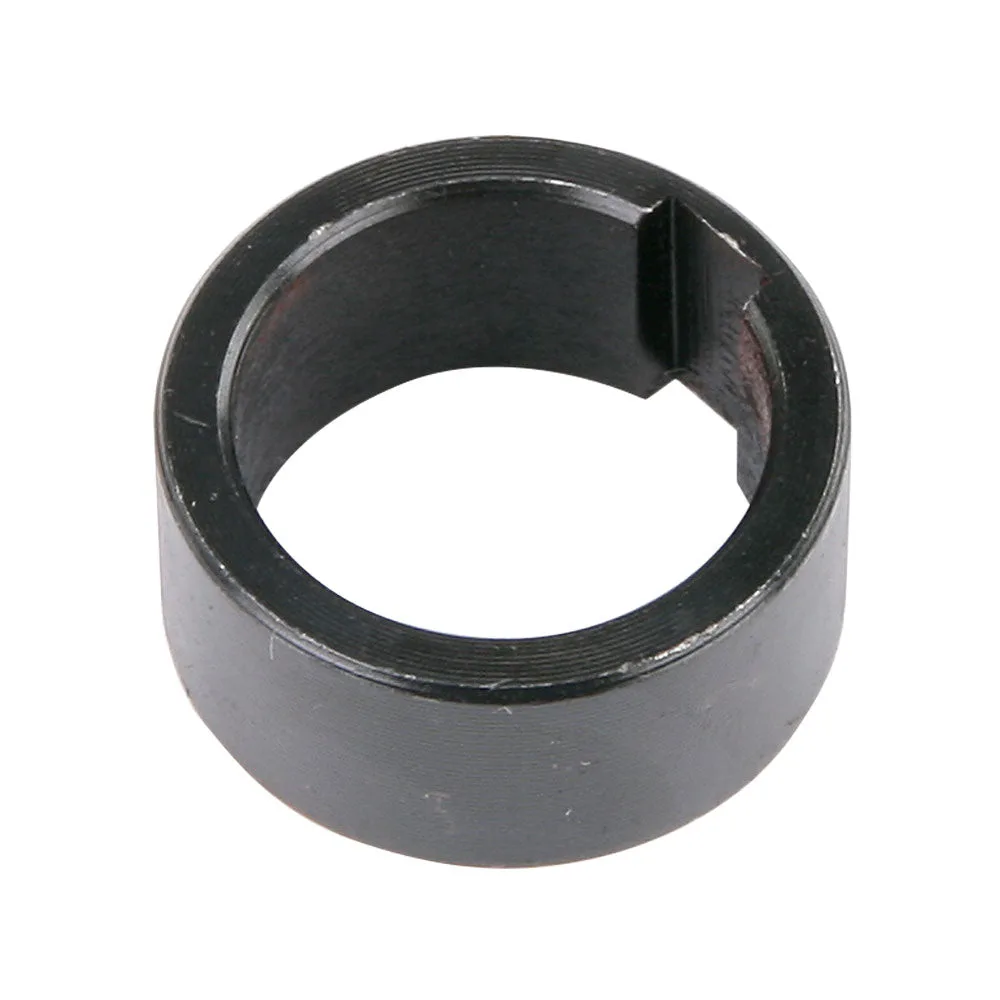
- Rule 3: Treat key slots as a hard requirement: A spacer with a key slot, such as the timing pulley spacer with its 4mm key slot, cannot be replaced by a plain washer of the same thickness without affecting how the assembly drives. Any keyed position needs the keyed part.
- Rule 4: Group small parts into one order: Covers, washers, spacers, and retainers are inexpensive relative to shipping. Inspect the belt tensioner, pulley, and tailstock areas while the machine is apart and add anything worn to the same order. One inspection, one shipment, fewer returns.
Parts referenced in this guide
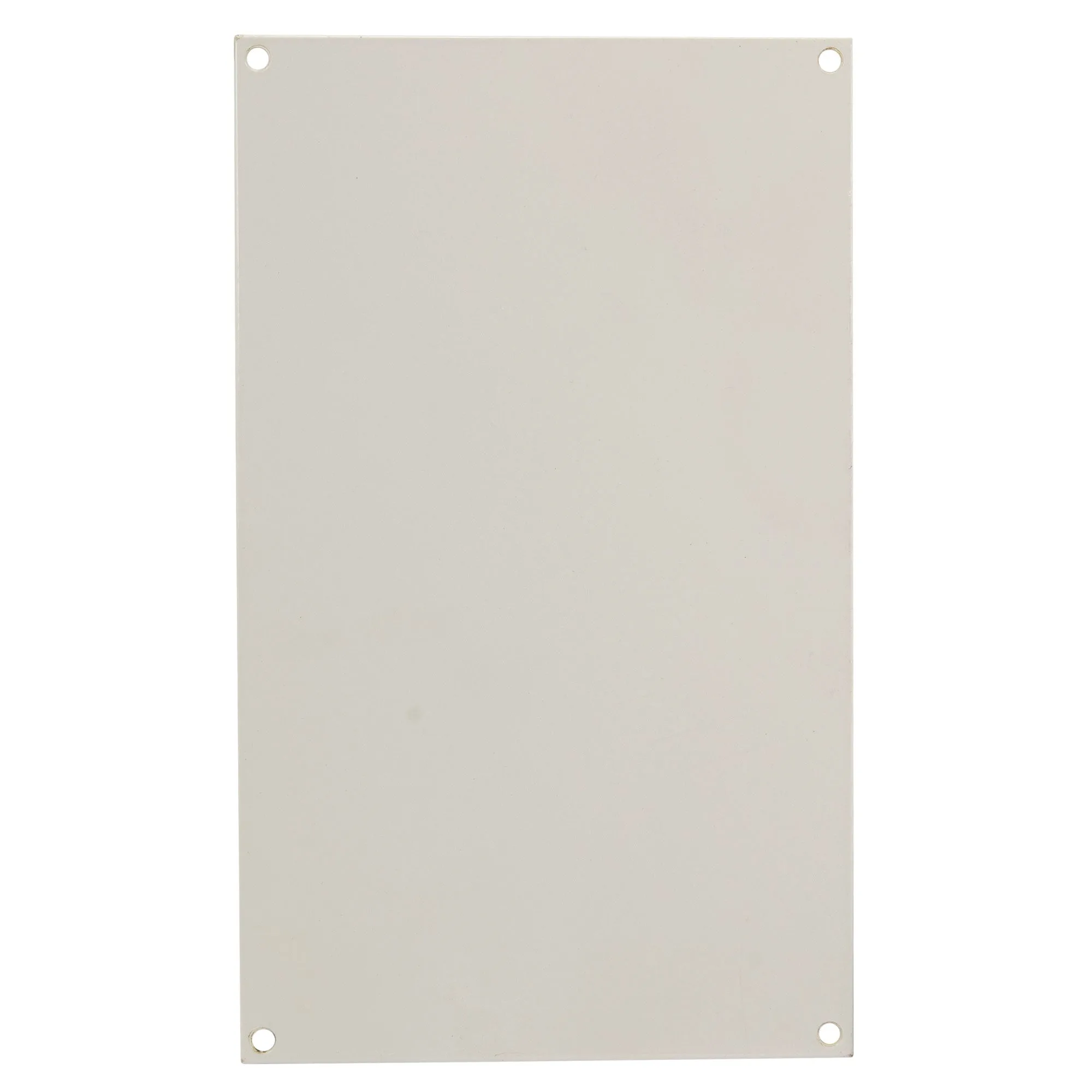
- Column Back Cover, Upper, HiTorque Large Bench Mill: Upper back cover for the column housing, made to fit HiTorque large bench mills and SIEG SX3.5 bench mills, manufactured by Sieg Industrial Group. This is a model-specific panel, so the fit check is your machine model rather than a measurement. If your mill is not one of those two, this cover is not the right starting point.
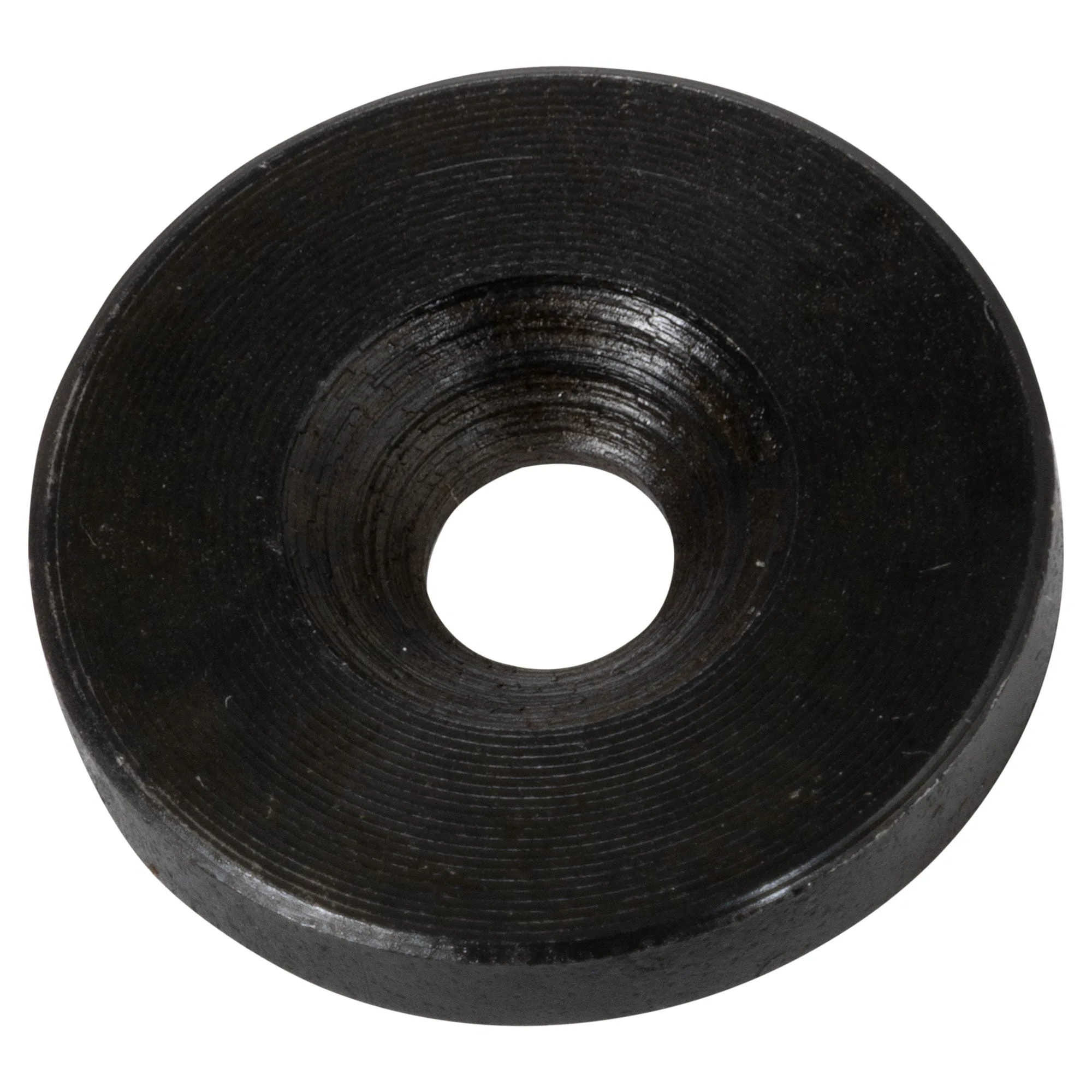
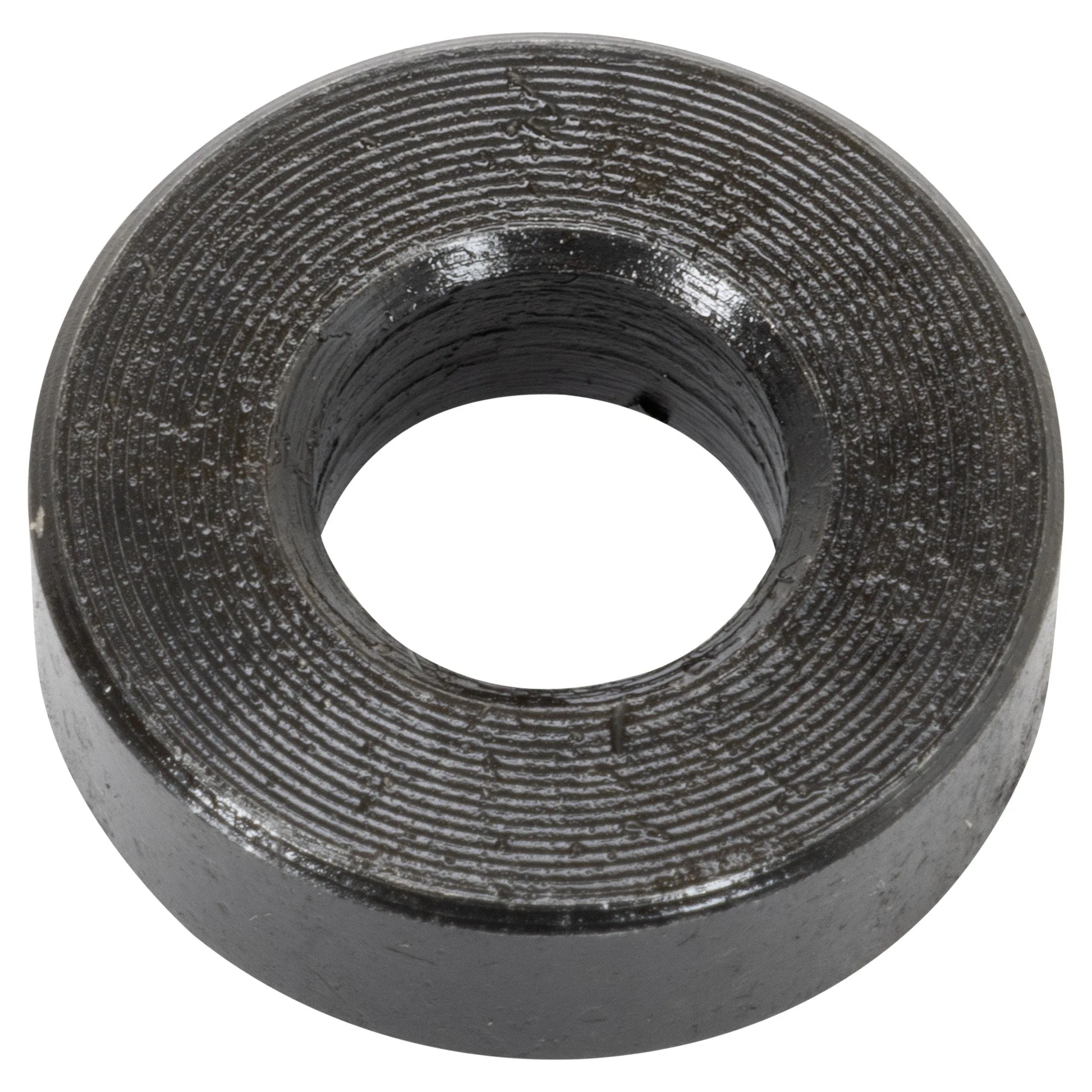
- Washer / Spacer 1, Belt Tensioner, 9x20 Bench Lathe: Washer or spacer used in the 9x20 bench lathe belt tensioner assembly, with a 20mm outside diameter, 9mm inside diameter, and 6mm thickness. The three dimensions are the whole decision. Measure the tensioner shaft and the space the washer occupies; if the numbers do not match, the part will not seat correctly.
- Spacer, Timing Pulley, 8.5x20 Bench Lathe: Spacer for the timing pulley assembly on HiTorque 8.5x20 and SIEG SC4 bench lathes, fitting at the end of the pulley system with a key slot for a 4mm key. The key slot is the detail that separates this from a generic spacer. A plain washer of similar thickness will not drive the pulley correctly.
- Retainer, Tailstock Feed Screw, 9x20 Bench Lathe: Tailstock feed screw retainer for SC4 bench lathes that mounts to the back of the tailstock and holds the scale ring and feed screw in position. Worth adding to a column or pulley order only if you run an SC4, since it is a lathe part and will not fit a mill.
Is this the right part for your machine?
Best for
- Owners of a HiTorque large bench mill or SIEG SX3.5 who need to replace or fit the upper column back cover
- HiTorque 8.5x20 and SIEG SC4 lathe owners replacing the timing pulley spacer with its 4mm key slot
- 9x20 bench lathe owners servicing the belt tensioner who can confirm the 20mm, 9mm, and 6mm dimensions
- Anyone already ordering other small parts who wants to consolidate shipping on a single machine
Not for
- Machines outside the listed HiTorque and SIEG models, since the cover and keyed spacer are model-specific
- Buyers who cannot confirm their model or measure the shaft and gap, who should identify the machine first
- Anyone hoping to substitute a hardware-store washer in a keyed or belt-aligning position