For millions of people, the day doesn’t truly begin until that first sip of coffee or tea. Caffeine is the world’s most popular psychoactive substance, prized for its ability to sharpen focus, banish drowsiness, and kick-start productivity. But for years, conventional wisdom has warned that caffeine is a diuretic that leaves you dehydrated. Is that really true? And if you’re an athlete, a busy professional, or someone who simply wants sustained energy, is there a smarter way to consume caffeine without compromising your hydration status?
The answer lies in combining caffeine with electrolytes. By pairing your morning brew or pre-workout energy boost with a balanced electrolyte mix, you can enjoy the mental and physical perks of caffeine while maintaining optimal fluid balance. In this article, we’ll explore the science behind caffeine hydration, the role of electrolytes in energy production, and how products like Hydrant ENERGY offer a jitter-free, hydrating alternative to traditional energy drinks.
Does Caffeine Really Dehydrate You? The Science Behind Caffeine Hydration
For decades, the belief that caffeine is a powerful diuretic has led many to assume that any caffeinated beverage contributes to net fluid loss. However, modern research tells a more nuanced story. While caffeine does have a mild diuretic effect—meaning it can increase urine output—this effect is typically short-lived and dose-dependent. Studies have shown that moderate caffeine consumption (up to 400 mg per day, roughly 4 cups of coffee) does not lead to dehydration in habitual consumers. In fact, the fluid in coffee or tea largely offsets any mild fluid loss.
Where the problem arises is with high-caffeine energy drinks or concentrated caffeine supplements that lack hydrating components. When you consume caffeine without adequate water and electrolytes, your body may struggle to maintain fluid balance, especially during exercise or hot weather. That’s where the concept of caffeine hydration comes into play: by intentionally pairing caffeine with electrolyte-rich fluids, you can enjoy the stimulant benefits while supporting your body’s hydration needs. Products like Hydrant ENERGY are specifically formulated to deliver caffeine alongside essential electrolytes like sodium, potassium, and magnesium, ensuring you stay hydrated even as you power through your day.
- Tip: If you drink more than 2-3 cups of coffee daily, consider alternating with an electrolyte beverage to maintain balance.
Why Electrolytes Are Essential for Energy and Focus
Caffeine works by blocking adenosine receptors in the brain, which reduces feelings of fatigue and increases alertness. But your body’s energy systems are far more complex than a single neurotransmitter. Electrolytes—sodium, potassium, calcium, and magnesium—are critical for nerve transmission, muscle contraction, and maintaining the electrical gradients that power every cell. Without adequate electrolytes, even the best caffeine boost can fall flat, leaving you feeling jittery or fatigued.
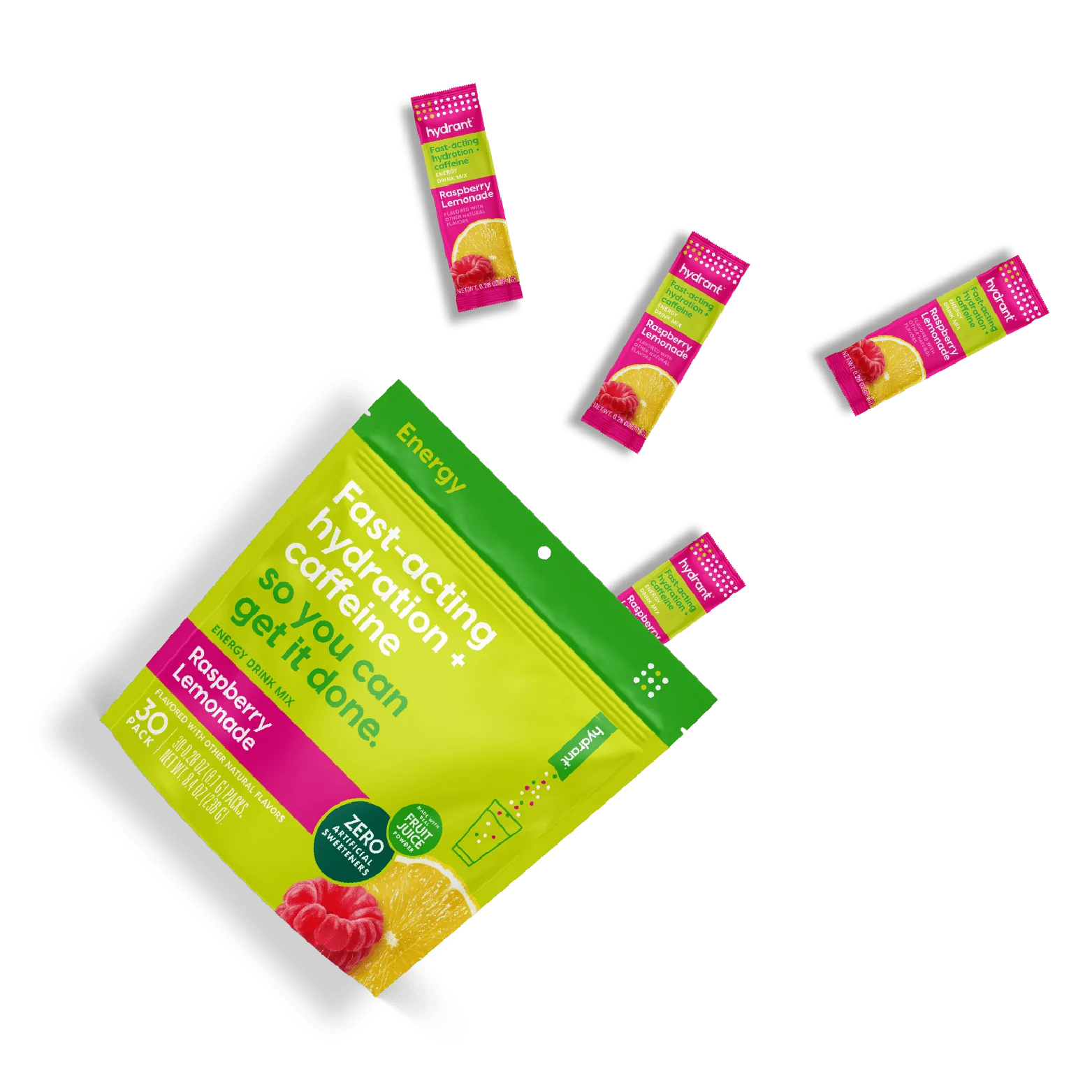
When you combine caffeine with electrolytes, you’re not just masking tiredness; you’re supporting the underlying physiology that generates energy. Sodium helps maintain blood volume and nutrient delivery to muscles, potassium supports heart function and nerve signaling, and magnesium plays a role in converting food into cellular energy. This synergy is why many athletes and busy professionals are turning to caffeine electrolyte blends instead of plain coffee or sugary energy drinks. For a clean, balanced option, Hydrant ENERGY delivers 120 mg of caffeine from green coffee beans plus a full electrolyte profile, providing steady energy without the crash.
- Key electrolytes for energy: Sodium (hydration), Potassium (nerve function), Magnesium (ATP production).
Caffeine Electrolyte Drinks vs. Traditional Coffee: Which Is Better for Hydration?
Plain black coffee is mostly water, but it lacks the electrolyte balance needed for optimal hydration. A typical 8-ounce cup of coffee provides about 5 mg of sodium and 116 mg of potassium—negligible amounts compared to what you lose through sweat or daily activity. Furthermore, coffee’s acidity can sometimes irritate the stomach, especially when consumed on an empty stomach before a workout.
Caffeine electrolyte drinks, on the other hand, are designed to deliver a precise ratio of fluids, electrolytes, and caffeine. For example, a serving of Hydrant ENERGY contains 200 mg of sodium, 350 mg of potassium, and 60 mg of magnesium, along with 120 mg of caffeine from green coffee extract. This combination not only hydrates more effectively than coffee but also provides a smoother, jitter-free energy lift thanks to the inclusion of L-theanine, an amino acid that promotes calm focus. Whether you’re heading to a morning meeting or an afternoon run, a caffeine electrolyte drink can outperform coffee in terms of both hydration and sustained energy.
- Compare: Coffee has ~5 mg sodium per cup; Hydrant ENERGY has 200 mg sodium per serving for superior hydration.
How to Incorporate Caffeine Hydration into Your Daily Routine
Integrating a caffeine electrolyte drink into your routine is simple and can replace or supplement your usual coffee or energy drink. Start your morning with a glass of Hydrant ENERGY instead of your first cup of coffee—you’ll get a cleaner energy boost without the acidity or dehydration risk. If you’re an afternoon coffee drinker, swap your 3 p.m. latte for a caffeine electrolyte blend to avoid sleep disruption (since the L-theanine helps temper the stimulant effect).
For athletes, using a caffeine electrolyte drink 30–60 minutes before exercise can enhance performance by improving focus, delaying fatigue, and maintaining fluid balance. Post-workout, follow up with a pure hydration mix like Hydrant’s original Hydrate to replenish electrolytes lost through sweat. This two-step approach—caffeine hydration before exercise, electrolyte recovery after—optimizes both energy and hydration throughout the day.
- Morning: Replace coffee with Hydrant ENERGY for balanced energy.
- Pre-workout: Drink 30 min before exercise for focus and hydration.
- Afternoon: Avoid coffee crashes with a caffeine electrolyte blend containing L-theanine.
The Best Caffeine Electrolyte Options for Different Lifestyles
Not all caffeine electrolyte drinks are created equal. Some are loaded with sugar, artificial flavors, or excessive caffeine that can lead to jitters. For a clean, science-backed option, Hydrant ENERGY in Lemon Squeeze offers a refreshing taste with only 2 grams of sugar, 120 mg of caffeine, and a full electrolyte profile. It’s ideal for anyone who wants the benefits of caffeine hydration without the drawbacks of traditional energy drinks.
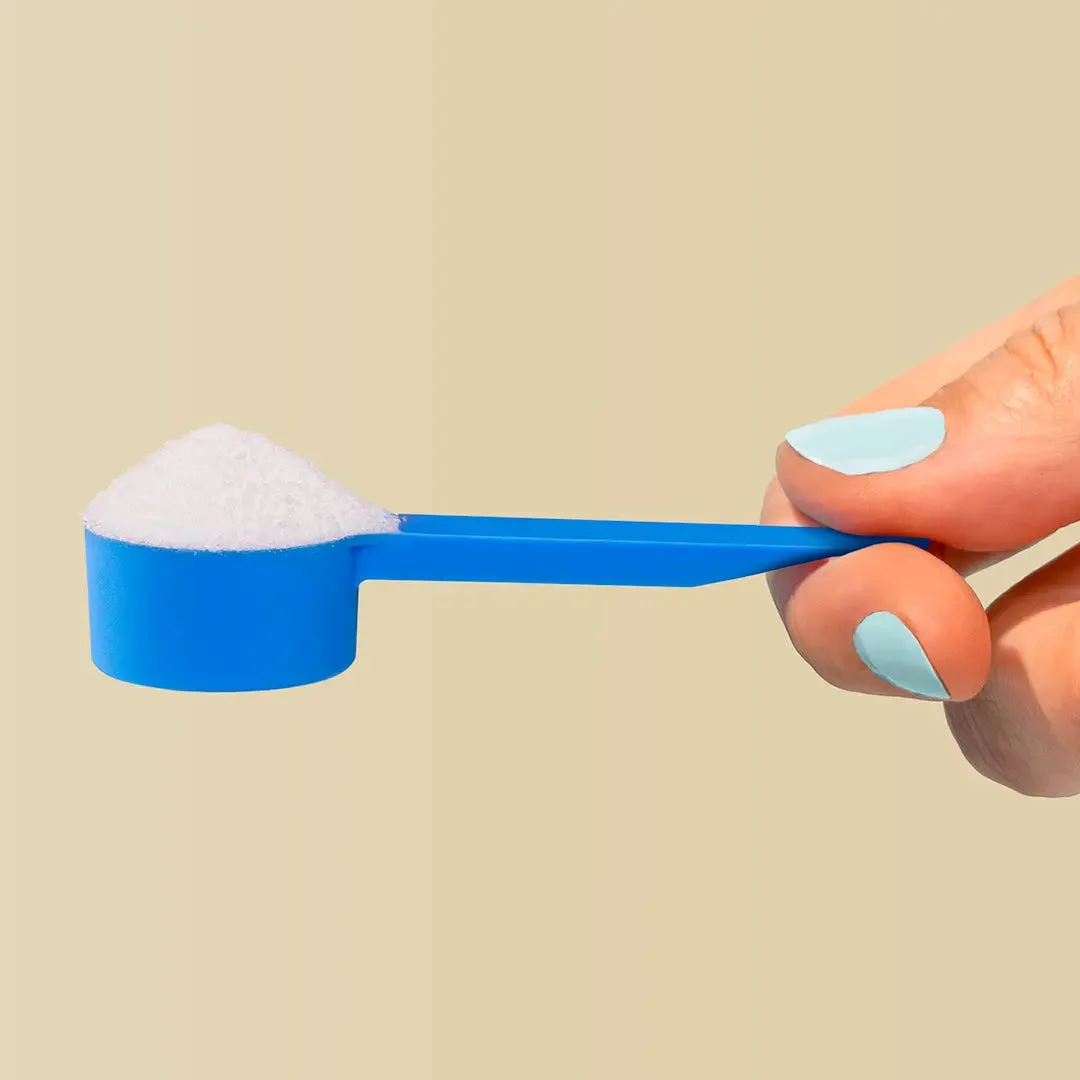
If you prefer to customize your hydration, you can also pair an unflavored electrolyte powder with your own coffee or tea. This allows you to control the caffeine source while still getting the electrolyte support. For those who need immune support alongside energy, consider alternating with Hydrant IMMUNITY, which provides vitamin C, B12, B6, and zinc to bolster your defenses. The key is to choose a product that aligns with your specific needs—whether that’s daily energy, workout performance, or overall wellness.
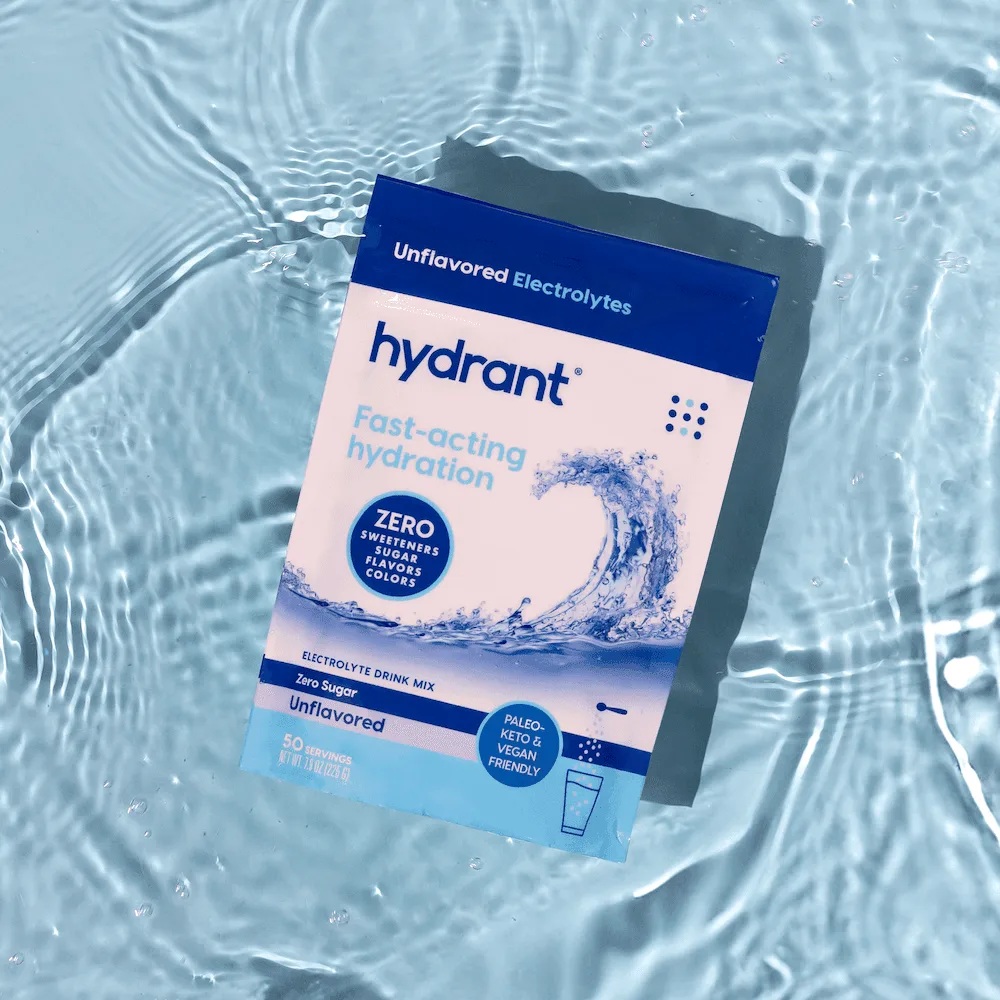
unflavored electrolyte powder
- Hydrant ENERGY (Lemon Squeeze): 120 mg caffeine, 2g sugar, full electrolytes.
- Unflavored Electrolyte Powder: Mix with your own coffee or tea for a custom blend.
- Hydrant IMMUNITY: Add immune support to your hydration routine.
Combining caffeine with electrolytes is a game-changer for anyone seeking sustained energy without dehydration. Whether you’re an athlete, a busy professional, or just someone who loves their morning coffee, upgrading your routine with a caffeine electrolyte drink can help you feel more focused, hydrated, and energized. Ready to experience the difference? Explore Hydrant ENERGY and discover how proper hydration can transform your daily energy levels.