Quick Answer
Beef organs are nutrient-dense superfoods that support energy, immunity, and overall health. Incorporating them into your diet—whether through cooking or high-quality supplements—can help bridge nutritional gaps and align with ancestral eating patterns.
In recent years, the ancestral eating movement has surged in popularity, bringing organ meats back into the spotlight. Once a staple in traditional diets, beef organs like liver, heart, and kidney are now celebrated for their exceptional nutrient density and potential health benefits. But what exactly makes them so special, and why are they trending again?
This article explores the nutritional profile of beef organs, their role in supporting various aspects of health, and practical ways to incorporate them into your modern lifestyle—even if you're not a fan of the taste.
The Nutritional Powerhouse of Organ Meats
Organ meats are among the most nutrient-dense foods on the planet. Beef liver, for instance, is rich in vitamin A, B vitamins, iron, and copper, while heart provides CoQ10 and zinc, and kidney offers selenium and B12. These nutrients play vital roles in energy production, immune function, and cellular health.
Compared to muscle meats, organs contain higher concentrations of certain vitamins and minerals, making them an efficient way to meet daily requirements. For those following a nutrient-dense or ancestral diet, organ meats are a cornerstone for optimal nutrition.
- Beef liver: high in vitamin A, B12, and iron
- Beef heart: source of CoQ10, B vitamins, and zinc
- Beef kidney: rich in selenium and B12
Why Ancestral Eating Is Trending
The ancestral diet, often called the 'carnivore' or 'nose-to-tail' approach, emphasizes whole foods that our ancestors consumed. This includes organ meats, which were historically prized for their health-promoting properties. Modern research is beginning to validate these traditions, linking organ consumption to improved energy, immunity, and longevity.
As people seek to move away from processed foods and optimize their health, ancestral eating offers a return to nutrient-rich, unprocessed sources. This trend is reflected in the growing market for organ supplements, which provide a convenient way to reap the benefits without the strong flavor.
How to Incorporate Beef Organs into Your Diet
If you're new to organ meats, starting with small amounts can help your palate adjust. Ground liver can be mixed with ground beef in burgers or meatballs, and heart can be slow-cooked to tenderness. Alternatively, freeze-dried organ supplements offer a tasteless, easy option.
When choosing supplements, quality matters. Look for products that are sourced from grass-fed, pasture-raised animals and processed to preserve nutrients. This ensures you're getting the full spectrum of benefits without unwanted additives.
- Start with mild-tasting organs like heart
- Blend liver into familiar dishes
- Opt for high-quality supplements for convenience
Diagnosing Your Need for Organ Supplements
- Symptom: You often feel fatigued, have low immunity, or struggle to get enough nutrients from your diet. If you experience these, organ meats may help fill nutritional gaps.
- Likely Cause: Modern diets often lack the nutrient density of ancestral foods, leading to deficiencies in vitamins and minerals. Incorporating organ meats or supplements can address these deficiencies.
- Corrective Action: Start by adding small amounts of organ meats to your meals or try a high-quality supplement like freeze-dried liver capsules. Consistency is key; aim for a few servings per week.
- When to Stop or Choose Another Option: If you have a medical condition, are pregnant, or are on blood-thinning medication, consult your doctor before adding organ supplements. If you dislike the taste, supplements are a viable alternative. Always prioritize safety and listen to your body.
Support Your Health with BioSchwartz Supplements
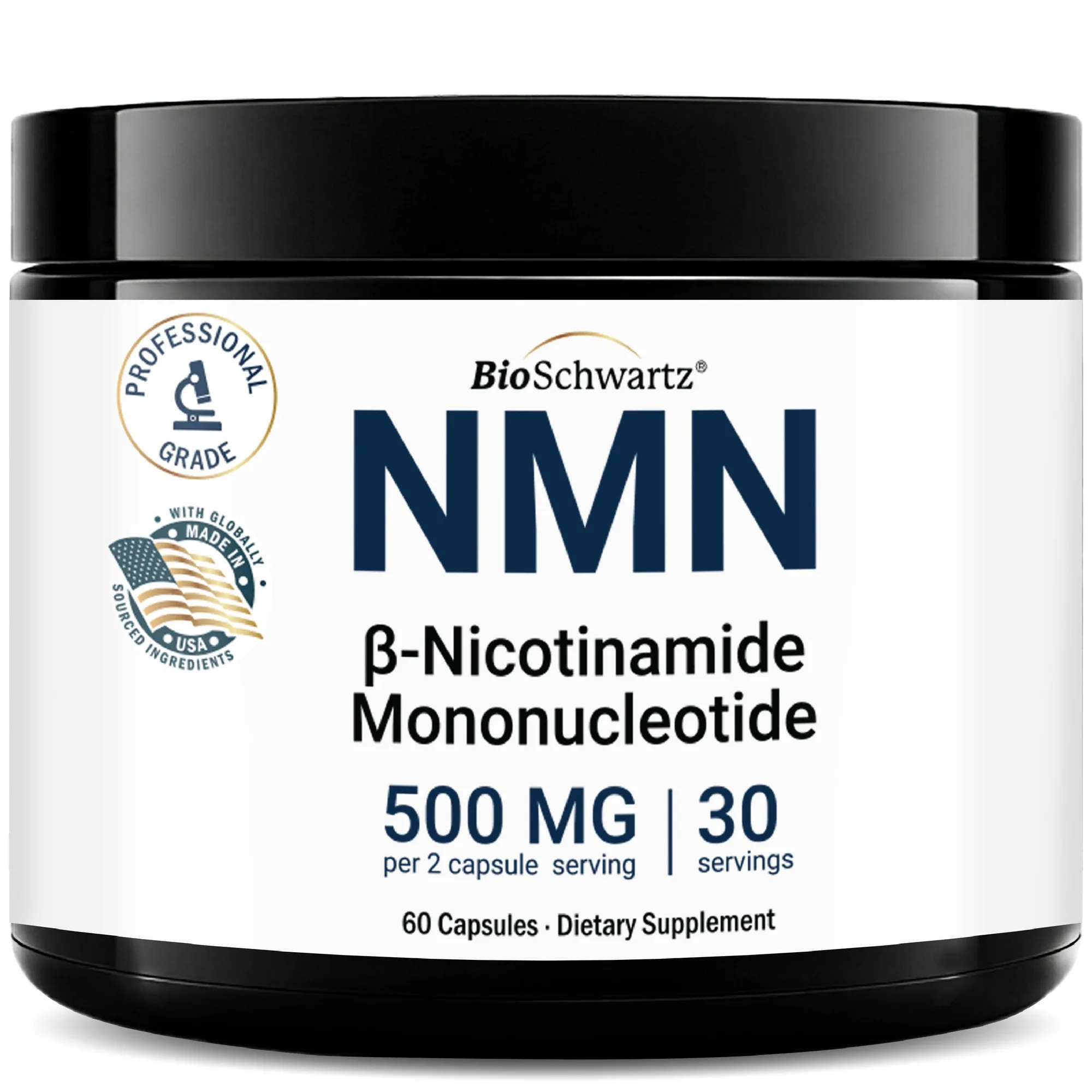
- NMN 500mg Capsules: BioSchwartz NMN Supplement provides 500mg of NMN per serving to help promote healthy daily energy levels and support healthy aging by defending against age-related cellular decline. If you're looking to boost your energy and support longevity, this supplement can complement an ancestral diet by targeting cellular health.
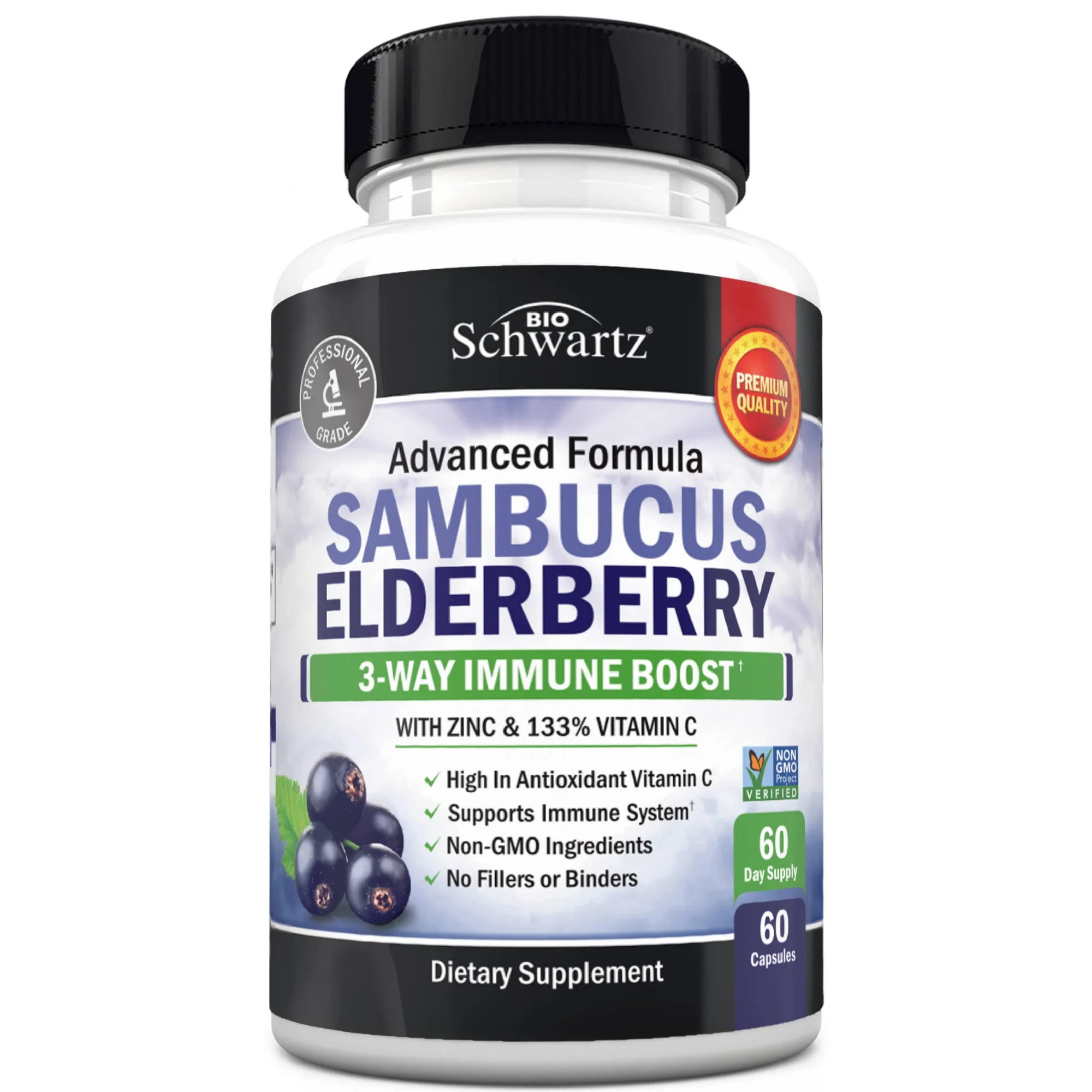
- Sambucus Elderberry Capsules: BioSchwartz elderberry capsules combine 500mg sambucus elderberry fruit with 7mg zinc and 120mg vitamin C to support a healthy immune system. Pairing organ meats with immune-supporting supplements like elderberry can provide a comprehensive approach to wellness, especially during seasonal changes.
Beef organs are a nutritional treasure trove that supports energy, immunity, and overall vitality. Whether you embrace them in your cooking or opt for convenient supplements, adding them to your routine can be a game-changer. For an extra boost, consider pairing them with targeted supplements like BioSchwartz's NMN or elderberry to round out your wellness strategy.