If your dog inhales their food in under 30 seconds, you’re not alone. Many dogs eat at lightning speed, a behavior rooted in survival instincts. But fast eating can lead to serious health issues—from vomiting and bloating to a life-threatening condition called gastric dilatation-volvulus (GDV). Slow feeder bowls offer a simple, effective solution by turning mealtime into a gentle puzzle that paces your pup naturally.
Beyond digestion, slow feeder bowls can transform your dog’s behavior. They provide mental stimulation, reduce anxiety around food, and even strengthen the bond between you and your pet. In this guide, we’ll explore the science behind slow feeding, how it benefits both body and mind, and what to look for when choosing the right bowl for your dog.
How Slow Feeder Bowls Improve Digestion
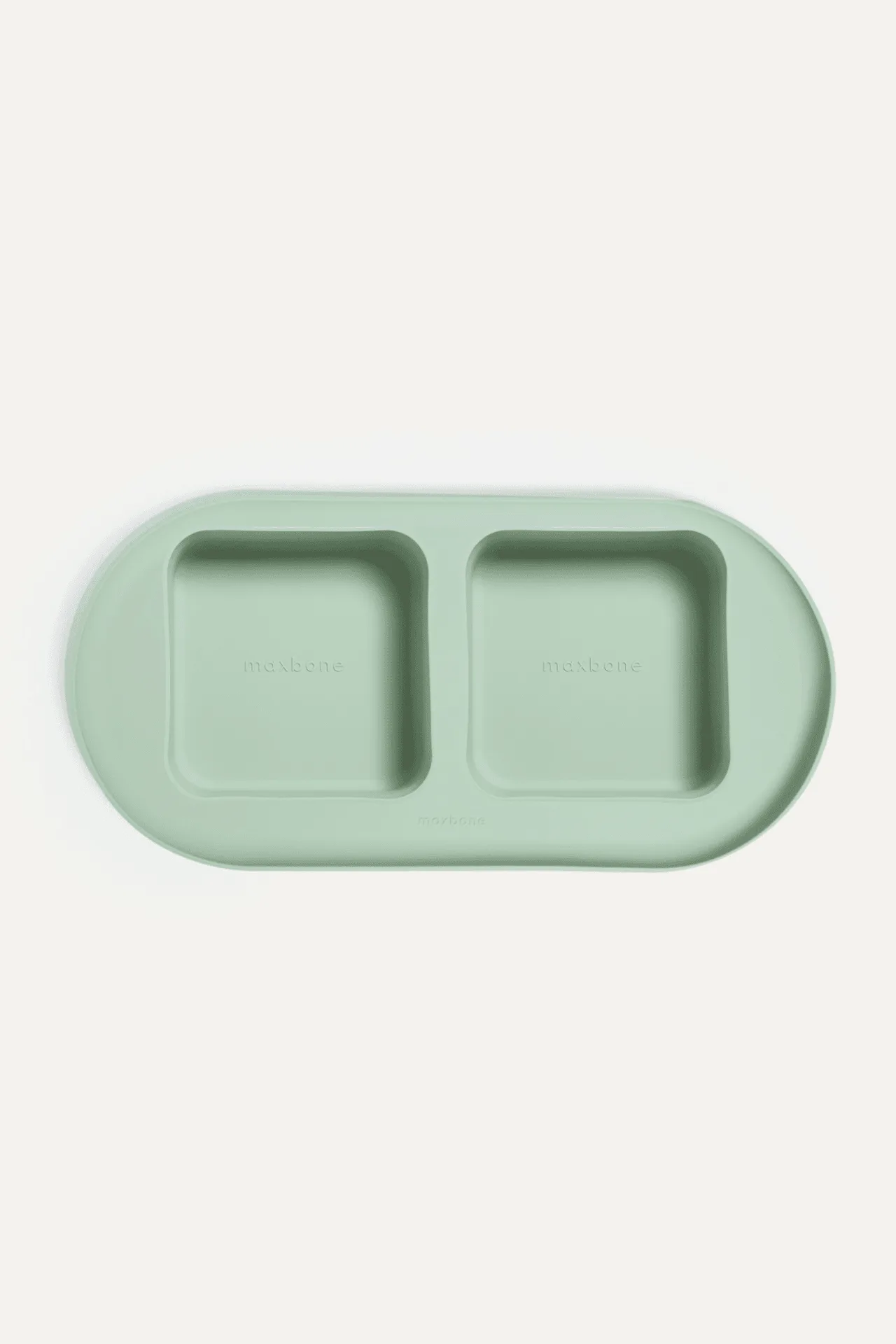
When a dog eats too quickly, they swallow large amounts of air along with their food. This can cause uncomfortable gas, bloating, and regurgitation. A slow feeder dog bowl is designed with raised ridges, mazes, or compartments that force your dog to work around obstacles to reach each bite. This naturally reduces the speed of consumption, allowing saliva to begin breaking down food before it reaches the stomach. The result is a calmer, more thorough digestive process.
For breeds prone to bloat—such as Great Danes, German Shepherds, and deep-chested dogs—a slow feeder can be a lifesaver. By preventing gulping and air intake, these bowls lower the risk of GDV, a condition that requires immediate veterinary intervention. Even for smaller breeds, slower eating reduces the likelihood of vomiting and helps maintain a healthy weight by giving the brain time to register fullness.
- Look for bowls with non-slip bases to prevent sliding during enthusiastic eating.
Behavioral Benefits: From Scarfing to Savoring
Fast eating isn’t just a physical issue—it’s often a behavioral one. Dogs that compete for food, live in multi-dog households, or have experienced food scarcity may eat frantically. A slow feeder bowl introduces a calming challenge that redirects that frantic energy into focused problem-solving. Over time, your dog learns that mealtime is a relaxing, enjoyable activity rather than a race.
This mental stimulation is especially valuable for high-energy breeds or dogs prone to boredom. The act of navigating a puzzle bowl engages their brain, releasing feel-good endorphins and reducing stress. Many owners report that their dogs are calmer after meals, less likely to scavenge, and more willing to wait patiently for food. For anxious eaters, the predictability of a slow feeder can also build confidence and reduce food guarding tendencies.
- Rotate between different slow feeder designs to keep your dog mentally challenged.
Choosing the Right Slow Feeder for Your Dog
Not all slow feeder bowls are created equal. The best choice depends on your dog’s size, breed, and eating style. For flat-faced breeds like Bulldogs or Pugs, look for shallow bowls with wide, gentle ridges that won’t irritate their snouts. For large dogs, a deeper bowl with more complex obstacles will provide a greater challenge. Material matters too—stainless steel is durable and easy to clean, while silicone options are lightweight and portable.
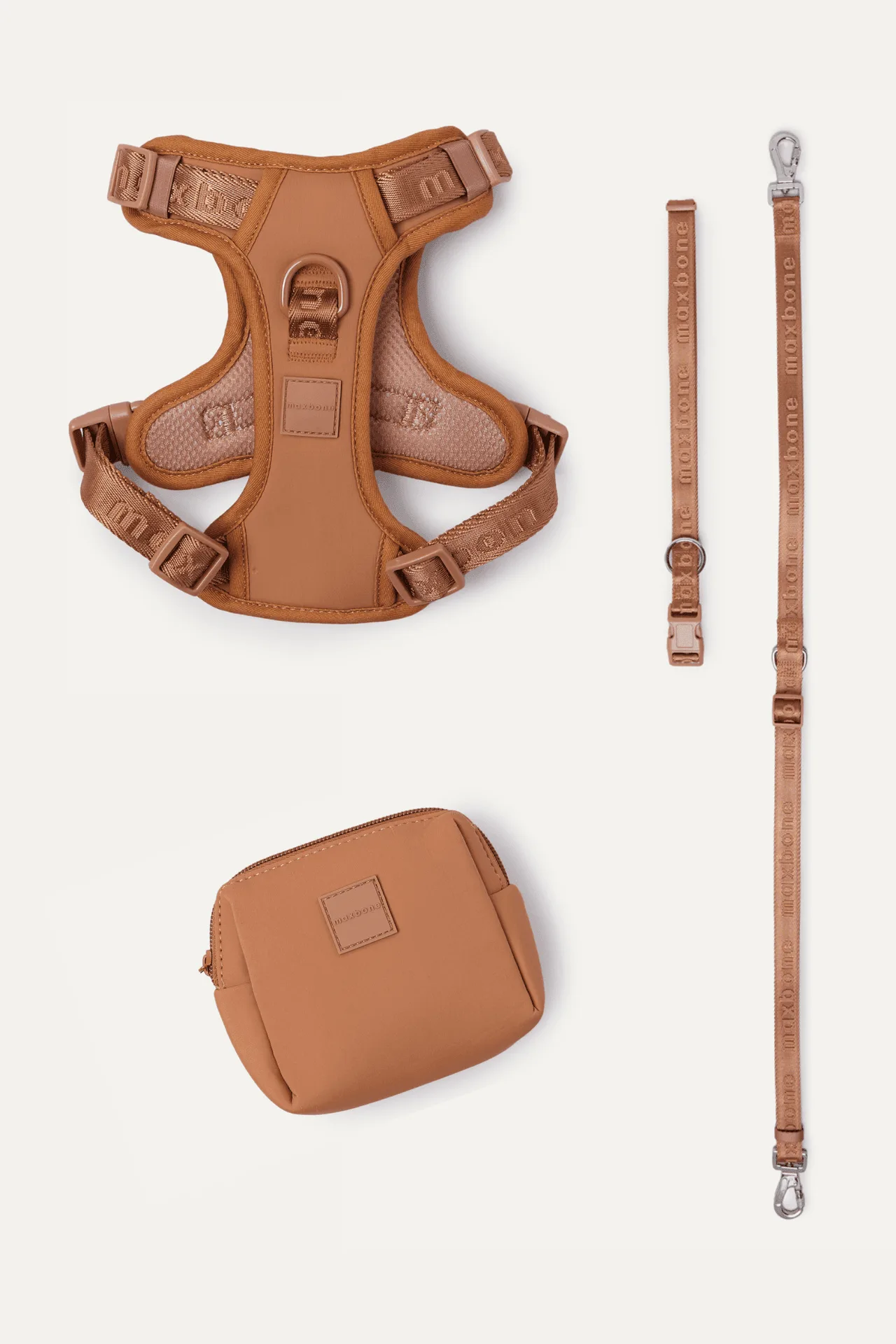
If you’re looking for a versatile option that pairs well with other feeding tools, consider the Go! With Ease Leash Bundle. While it’s primarily a leash set, its focus on making walks and feeding routines more manageable aligns with the goal of a stress-free mealtime. For dogs that need extra comfort during rest after eating, the Unwind Crate Mat - Chill Grey provides a soft, supportive surface that encourages calm digestion.
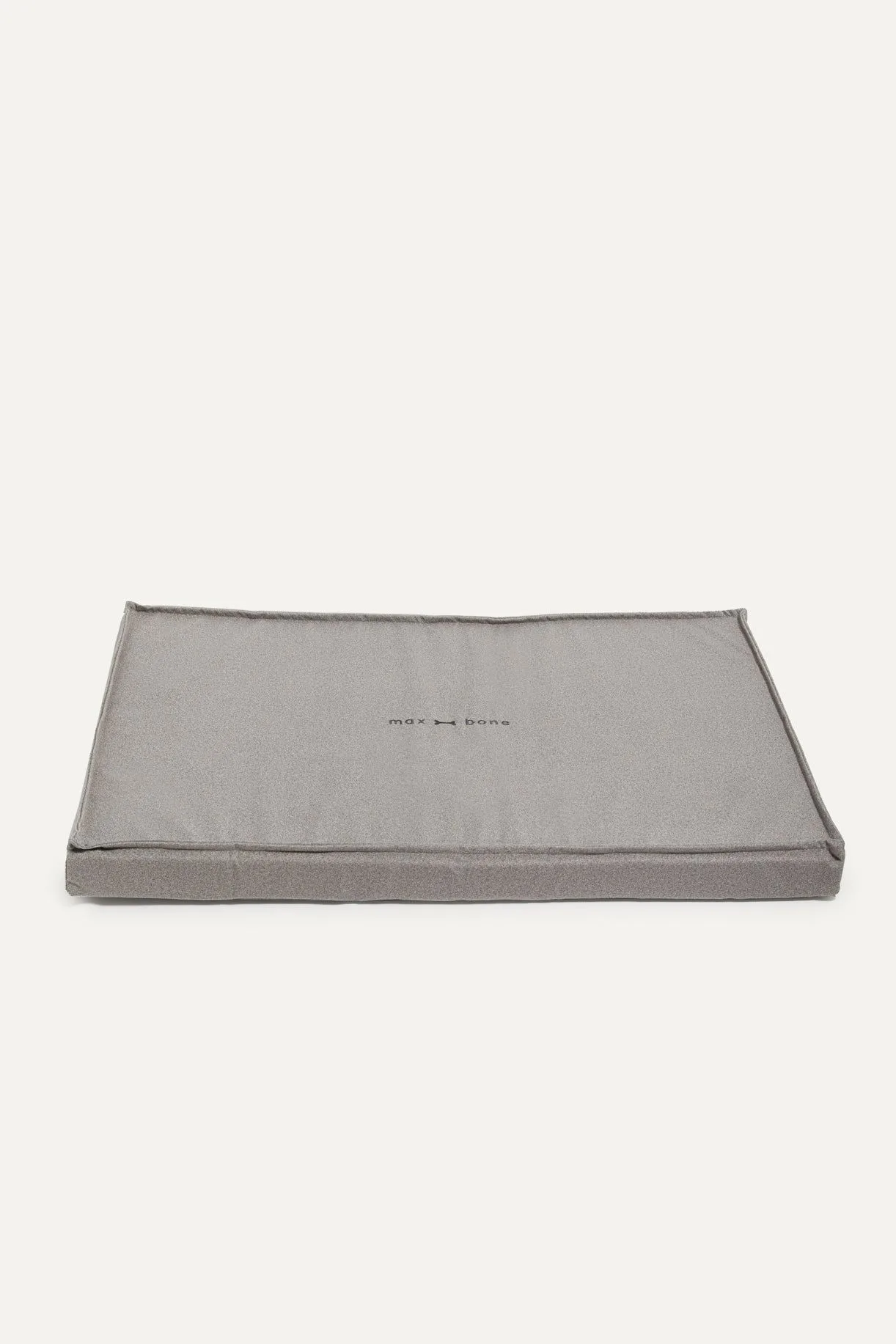
Unwind Crate Mat - Chill Grey
- Measure your dog’s kibble size to ensure it fits through the bowl’s obstacles without getting stuck.
Tips for Transitioning to a Slow Feeder Bowl
Introducing a slow feeder bowl should be a positive experience. Start by placing a few treats or a small amount of kibble in the bowl to let your dog explore it without pressure. Gradually increase the portion over several days, always supervising the first few meals. If your dog becomes frustrated, try a simpler design first, then move to more complex patterns as they get the hang of it.
For dogs that are extremely fast eaters, you can combine the slow feeder with other pacing strategies. For example, use the Go! With Ease Hands Free Leash for a short walk before meals to burn off excess energy, making your dog more relaxed at the bowl. After eating, allow at least 30 minutes of quiet time before any vigorous activity to support digestion and reduce the risk of bloat.
- Clean the bowl thoroughly after each use to prevent bacteria buildup in the crevices.
Slow feeder bowls are a small investment with big returns for your dog’s health and happiness. By slowing down mealtime, you protect their digestion, engage their mind, and create a more peaceful feeding routine. Whether you’re dealing with a gulper or just want to enhance your dog’s daily life, a slow feeder is a smart, compassionate choice. Explore the range of feeding accessories at Maxbone to find the perfect match for your pup’s needs.