If you've never heard of plant swaddling, you're not alone. While gardeners have used root-wrapping techniques for generations, the practice is gaining fresh attention among indoor plant enthusiasts as a powerful way to support plant health and accelerate plant growth. Much like swaddling a baby provides comfort and security, wrapping a plant's root ball in a breathable, protective layer before potting can reduce transplant shock, improve moisture retention, and encourage vigorous root development. In this how-to guide, we'll explore the science behind swaddling, walk through the technique step by step, and share pro plant care tips to help your greenery thrive.
What Is Plant Swaddling?
Plant swaddling involves wrapping the root ball of a plant in a material—such as burlap, coconut coir, or biodegradable fabric—before placing it in a new pot or garden bed. This technique is often used for trees and shrubs in landscaping, but it works beautifully for houseplants too. The wrap holds the root structure together, prevents soil from washing away, and creates a microclimate that protects delicate roots during the transition. When done correctly, swaddling reduces stress on the plant, leading to faster establishment and healthier foliage.
The Key Benefits of Swaddling for Plant Health
1. Reduces Transplant Shock
Transplant shock is one of the biggest hurdles to successful plant growth. When you move a plant from one container to another, roots can be damaged, and the plant may wilt or drop leaves. Swaddling cushions the root system, keeping it intact and minimizing disruption. The wrap also helps the roots stay in contact with fresh soil, which speeds up recovery.
2. Improves Moisture Retention
Breathable swaddling materials act like a sponge, holding water close to the roots without causing waterlogging. This is especially beneficial for plants that prefer consistent moisture, such as ferns and calatheas. By reducing evaporation around the root zone, swaddling helps maintain an even moisture level, reducing the frequency of watering.
3. Encourages Stronger Root Systems
A swaddled root ball is less likely to become root-bound. The wrap encourages roots to grow outward into the new soil rather than circling the pot. This leads to a more expansive, robust root network that supports healthier above-ground plant growth.
4. Protects Against Pests and Disease
Swaddling creates a physical barrier that can deter soil-borne pests, such as fungus gnats and root aphids, from reaching the root system. It also reduces the risk of root rot by promoting better drainage and aeration around the root ball.
How to Swaddle Your Plants: Step-by-Step Plant Care Tips
Ready to try it at home? Follow these simple steps to swaddle your indoor plants for optimal root protection and plant health.
Step 1: Gather Your Supplies
- Your plant (removed from its current pot)
- Biodegradable swaddling material (burlap, coir fiber mat, or unbleached cotton cloth)
- Sharp scissors or pruning shears
- New pot with drainage holes
- High-quality potting mix
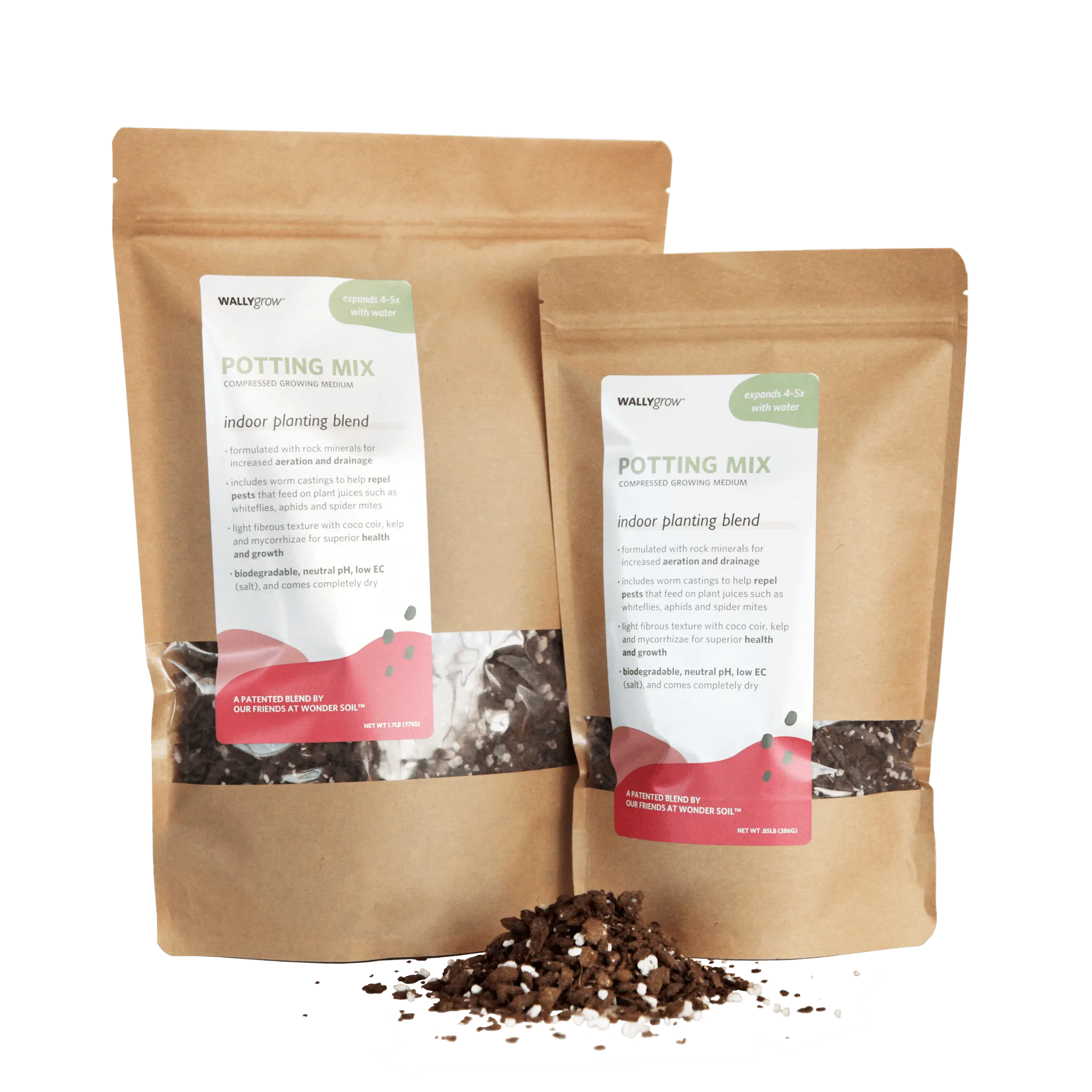
potting mix
- Watering can
Step 2: Prepare the Root Ball
Gently remove the plant from its old container. Loosen any circling roots with your fingers, but be careful not to break them. Trim away any dead or mushy roots using clean shears. The root ball should be firm but not compacted.
Step 3: Wrap the Roots
Cut a piece of swaddling material large enough to completely enclose the root ball. Place the root ball in the center, then fold the material up and around the sides. Secure it loosely with a piece of twine or a biodegradable plant tie—do not wrap too tightly, as roots need room to expand.
Step 4: Pot the Plant
Add a layer of potting mix to the bottom of your new pot. Place the swaddled root ball inside, then fill the sides with more soil. Gently tap the pot to settle the mix, and water thoroughly. The swaddle will hold moisture and protect the roots as the plant settles in.
Step 5: Monitor and Adjust Care
For the first two weeks, keep the plant in indirect light and avoid fertilizing. Check soil moisture regularly—swaddled plants may dry out slightly slower, so adjust your watering schedule accordingly. After a month, the material will begin to break down, allowing roots to grow freely into the surrounding soil.
Best Plants for Swaddling
While most houseplants can benefit from swaddling, it's especially effective for species with sensitive or delicate root systems. Here are a few favorites:
- Monstera deliciosa – Its large roots appreciate the extra support during repotting.
- Pothos and philodendrons – These fast-growing vines respond well to reduced transplant shock.
- Ferns – Their fibrous roots stay hydrated and intact with swaddling.
- Snake plants – Swaddling helps prevent root rot in these drought-tolerant varieties.
Common Mistakes to Avoid
To get the most out of swaddling, steer clear of these pitfalls:
- Over-wrapping – Too many layers can suffocate roots. Use a single layer of material.
- Using non-biodegradable materials – Plastic or synthetic wraps will not break down and can restrict root growth. Stick to natural fibers.
- Swaddling unhealthy plants – Only swaddle plants that are already in good health; it won't fix existing issues like root rot or pests.
- Forgetting to water – While swaddling retains moisture, you still need to water regularly, especially in the first week.
Enhance Your Plant Care Routine with the Right Accessories
Swaddling is just one tool in your plant care arsenal. Pairing it with thoughtful accessories can elevate your plant's environment and make care easier. For example, a stylish and functional planter like the Loop Yellow Hanging Planter allows you to display swaddled plants at eye level, improving air circulation and light exposure. The bright yellow color also adds a cheerful pop to any room, making your greenery a focal point.
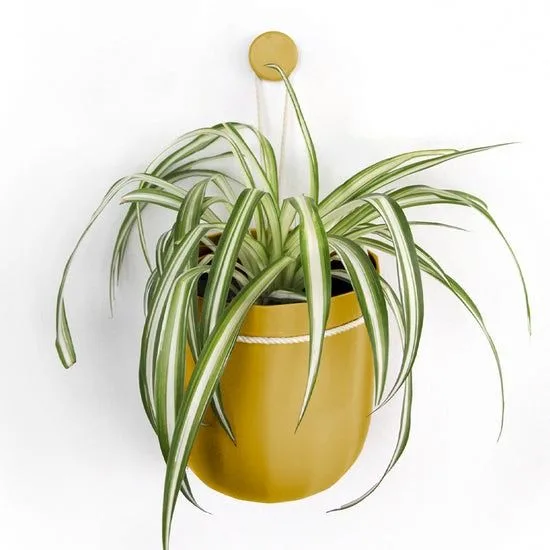
Loop Yellow Hanging Planter
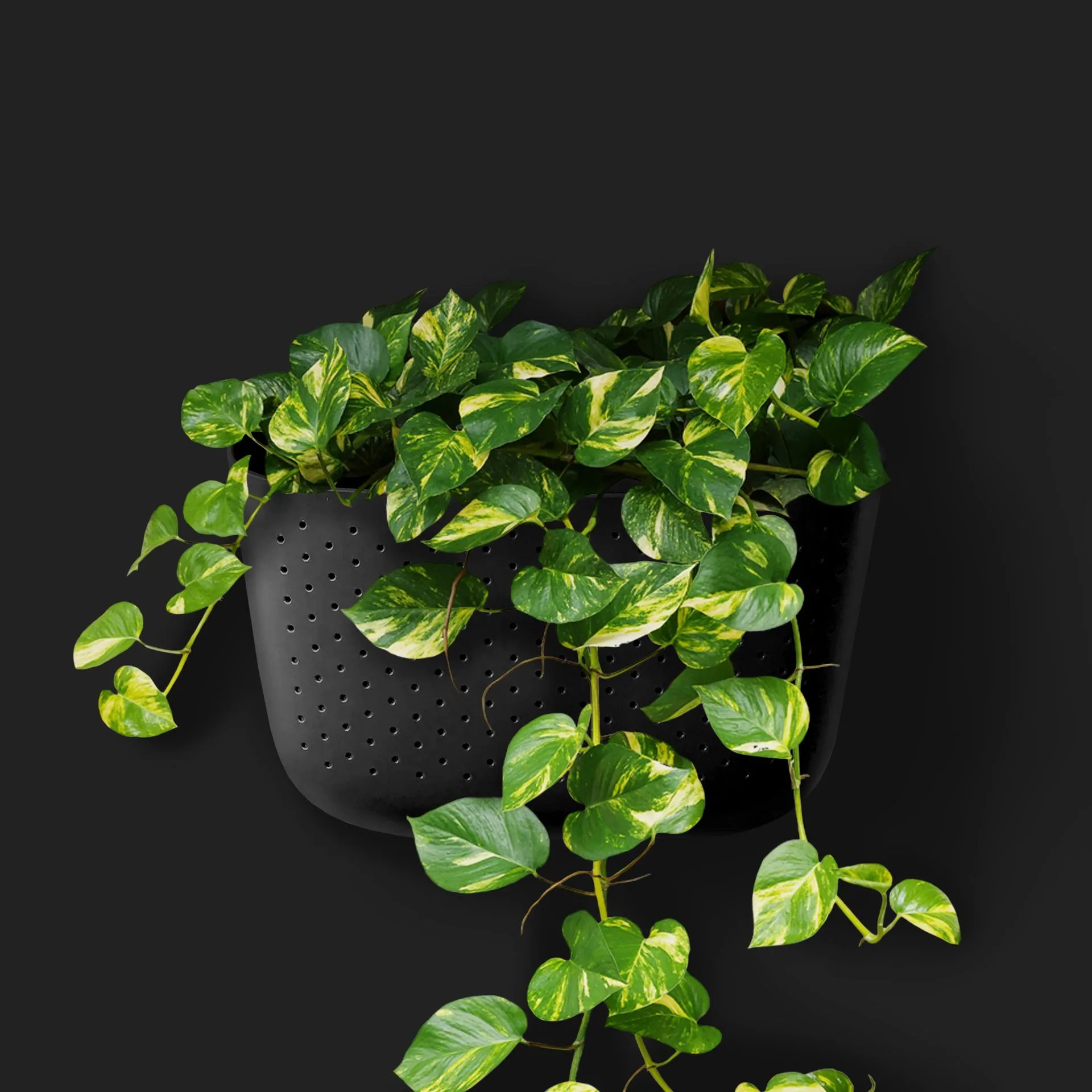
For gardeners who prefer tabletop displays, the Eco Olive Wall Planter is an excellent choice. Its eco-friendly design complements the biodegradable materials used in swaddling, creating a cohesive, sustainable setup. Mount it on a wall near a bright window to give your newly swaddled plant the best start.
Swaddling vs. Traditional Repotting: Which Is Better?
Traditional repotting methods often involve bare-rooting the plant and placing it directly into new soil. While this works fine for hardy species, it can be stressful for more sensitive plants. Swaddling offers a gentler transition, especially for plants that are already stressed or in active growth. However, for very large plants or those with extremely compacted roots, traditional repotting may still be necessary. Use your judgment based on the plant's condition and your experience level.
Frequently Asked Questions About Plant Swaddling
Can I reuse swaddling material?
If you use biodegradable materials, they will break down over time and should not be reused. For natural cloth wraps, you can wash and reuse them, but ensure they are completely dry before storing to prevent mold.
How long should I leave the swaddle on?
Leave the swaddle on until it naturally degrades, usually 4–8 weeks. By then, the roots will have grown through the material into the surrounding soil. Do not remove it manually, as this can damage new growth.
Does swaddling work for outdoor plants?
Absolutely! Swaddling is commonly used for trees and shrubs during outdoor planting. It helps anchor the root ball in the ground and reduces water loss in windy or sunny conditions.
Final Thoughts: Give Your Plants the Comfort They Deserve
Swaddling is a simple, low-cost technique that can make a big difference in your plant's journey from pot to pot. By prioritizing root protection and reducing stress, you set the stage for lush, vigorous plant growth. Incorporate these plant care tips into your routine, and don't forget to pair your efforts with high-quality planters that support your plant's needs.
Ready to give your green friends the best home possible? Explore the Eco Olive Wall Planter at WallyGro to complement your swaddled plants with sustainable, beautiful design. Your plants will thank you!