Quick answer
Tencel is a lyocell fiber made from wood pulp in a closed-loop process that recovers most of the solvent. In everyday clothing, its main benefits are a soft, smooth hand, strong moisture wicking, and breathability that keeps you comfortable across seasons. It is not a replacement for every cotton piece, but it is a smart choice for underwear, t-shirts, and loungewear where next-to-skin comfort matters most.
Tencel has moved from a niche fiber to a regular option in everyday wardrobes, and for good reason. It feels soft against the skin, handles moisture well, and drapes smoothly without the heaviness of some cotton knits. If you are sorting through labels and wondering whether it is worth choosing, the practical answer depends on what you wear it for.
This guide covers what Tencel actually is, where it outperforms cotton, where it does not, and how to pick pieces that make the most of it. You will also see how a few HOM styles use soft, stretchy microfibers and cotton blends so you can compare real options before you buy.
What Tencel actually is
Tencel is a brand name for lyocell, a fiber produced by dissolving wood pulp and spinning it into soft, strong filaments. The production process uses a closed-loop system that captures and reuses the solvent, which is why it is often described as a more sustainable option than conventional viscose. The result is a fabric that feels smooth, breathes well, and resists static better than many synthetics.
In clothing, Tencel is usually blended with cotton, elastane, or modal to improve stretch, durability, or drape. You will find it in t-shirts, underwear, sleepwear, and loungewear where a soft hand and moisture management matter more than heavy structure. It is not a magic fiber, but it solves several everyday comfort problems well.
- Look for the fiber name lyocell on the care label, since Tencel is a branded version of it.
- Blends with a small amount of elastane improve stretch and recovery in fitted pieces.
Tencel vs cotton: where each wins
Cotton is durable, breathable, and easy to wash, which is why it remains the default for sleepwear and casual tops. Tencel tends to feel softer and smoother, wicks moisture faster, and dries more quickly, so it can be more comfortable in humid conditions or during light activity. It also drapes more fluidly, which gives fitted pieces a cleaner look.
Cotton still wins on abrasion resistance and predictable shrinkage behavior. If you want a pajama set that will take years of washing without much change, a 100% cotton option is hard to beat. If you want a light, second-skin feel under clothing or a top that stays comfortable through a warm day, Tencel or a microfiber blend is often the better pick.
- Choose cotton for sleepwear and loungewear that gets heavy use and frequent washing.
- Choose Tencel or a soft microfiber for fitted tops and underwear where smoothness matters.
Where Tencel shines in everyday wear
The strongest case for Tencel is next-to-skin comfort. In underwear, its smooth surface reduces friction, and its moisture handling helps you stay dry. In t-shirts, it gives a soft drape without clinging, and in loungewear it keeps things breathable without feeling flimsy. These are the categories where you will notice the difference most.
Tencel is less useful in structured outerwear or pieces that need heavy abrasion resistance. It also tends to be more expensive than basic cotton, so it makes sense to spend on the items you wear closest to your skin rather than on everything.
- Prioritize Tencel or soft microfiber for underwear, t-shirts, and light loungewear.
- Skip it for heavy-duty pieces where durability under friction matters more than feel.
How to judge a Tencel or soft-fiber garment before you buy
Start with the fiber content. A high percentage of lyocell or a well-chosen microfiber blend usually means a softer hand and better moisture management. A small amount of elastane helps fitted pieces keep their shape. If the label lists only generic polyester, you are getting a different feel and different performance, so do not assume it is equivalent.
Then check the cut. Soft fibers drape closely, so a relaxed fit can look slouchy and a tight fit can show every line. Look for a cut that matches how you plan to wear the piece. Finally, check the care instructions. Most Tencel and microfiber blends wash well on cool and dry quickly, but high heat can damage the fiber over time.
- Read the fiber content, not just the front label claim.
- Wash cool and air dry to protect the soft hand and shape.
Decision rules for choosing Tencel or cotton
- If you want the softest possible next-to-skin feel: Choose a Tencel, lyocell, or fine microfiber piece for underwear and fitted tops. These fibers are smoother and lighter than standard cotton, which reduces friction and helps you stay dry. Best for underwear, t-shirts, and light loungewear.
- If you want maximum durability and easy care: Choose 100% cotton for sleepwear and pieces that get washed often. Cotton handles abrasion and repeated washing predictably, and it does not need special treatment. Best for pajama sets and everyday loungewear.
- If you are shopping on a budget: Spend on the pieces closest to your skin. A Tencel or microfiber underwear or t-shirt will change your daily comfort more than a Tencel outer layer will. Prioritize base layers over outer layers.
- If you are unsure about fit: Soft fibers drape closely, so check the cut before you buy. A close-fitting tee in a stretchy microfiber will look and feel different from a relaxed cotton top, even if both are your usual size. Match the cut to how you plan to wear it.
HOM pieces that show the trade-offs in practice
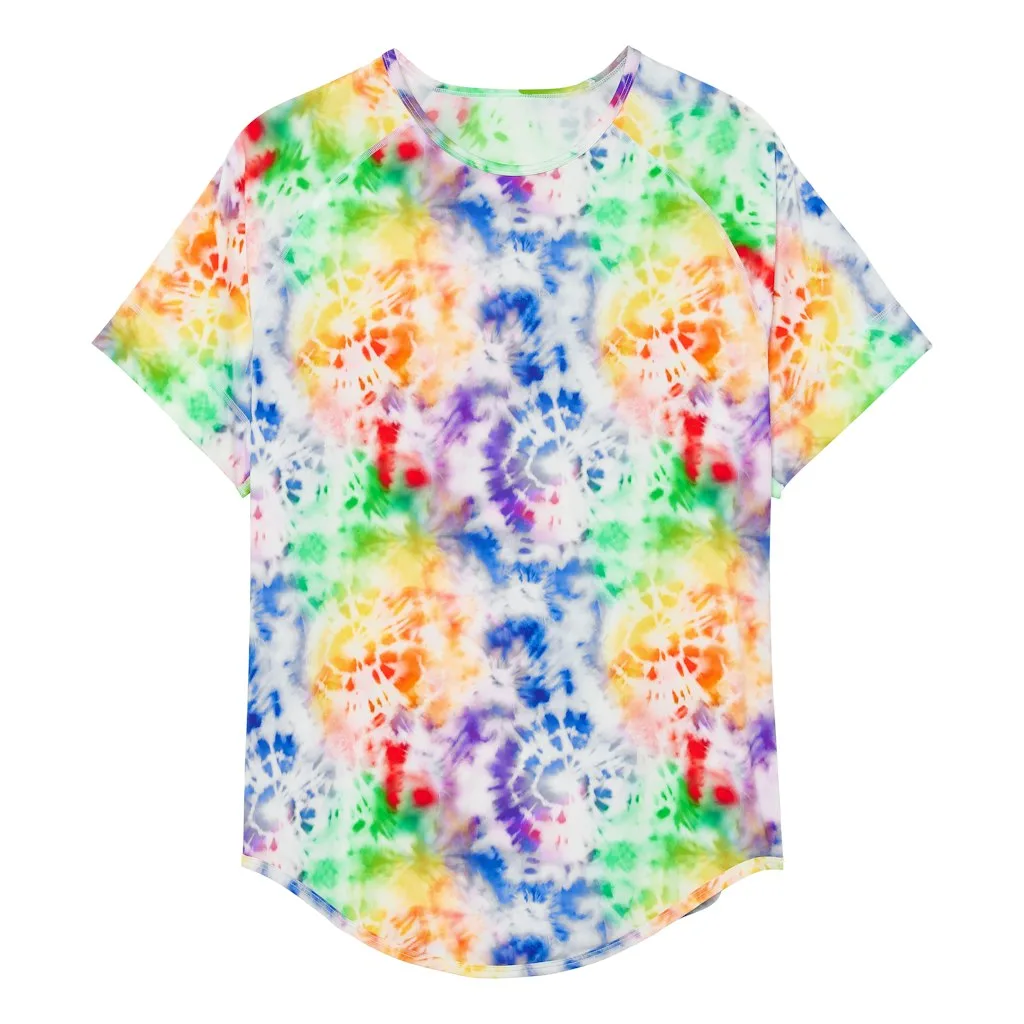
- Sexy Fun Tee-Shirt Crew Neck | Multico Print 463043-P023: The Sexy Fun t-shirt in lightweight, soft and stretchy microfiber is enhanced by a rainbow tie-dye pattern. Its close-fitting cut gives it a sporty look and its flowing fabric makes it a decidedly sexy piece of men's lingerie. This is a clear example of a soft, stretchy microfiber top with a close fit. If you want the smooth, second-skin feel that Tencel is often chosen for, this cut and fabric combination delivers it in a t-shirt.
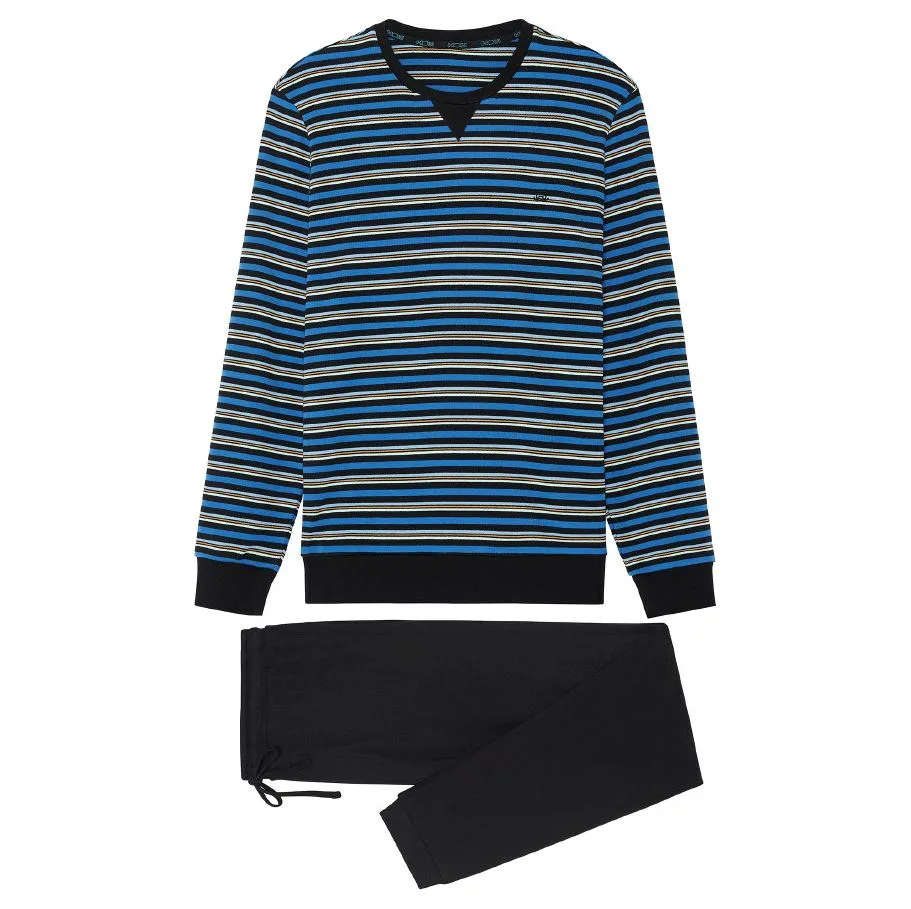
- Don Long Pajama Set | Multicolor Stripes 402617-R023: The Don Long Sleepwear set by HOM features a crew neck top with eye-catching blue, black, and orange stripes- perfectly paired with sleek, tapered black pants. Crafted from 100% cotton, it delivers stylish all-night comfort. The drawstring waist keeps things effortless relaxed. This is the cotton counterpoint. If you want durability and easy care for sleepwear, a 100% cotton set like this is a practical choice, even though it will not have the same fluid drape as a Tencel or microfiber piece.
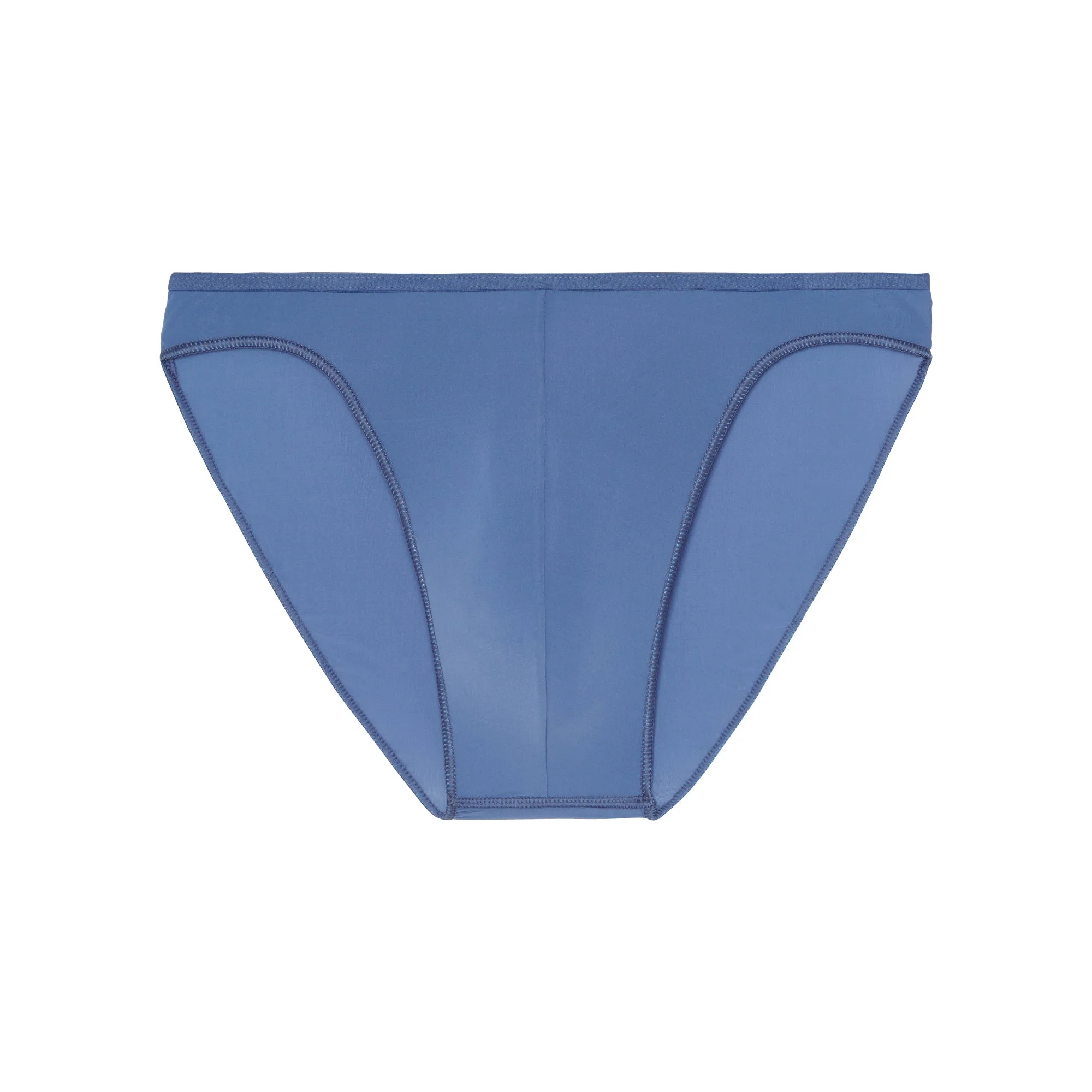
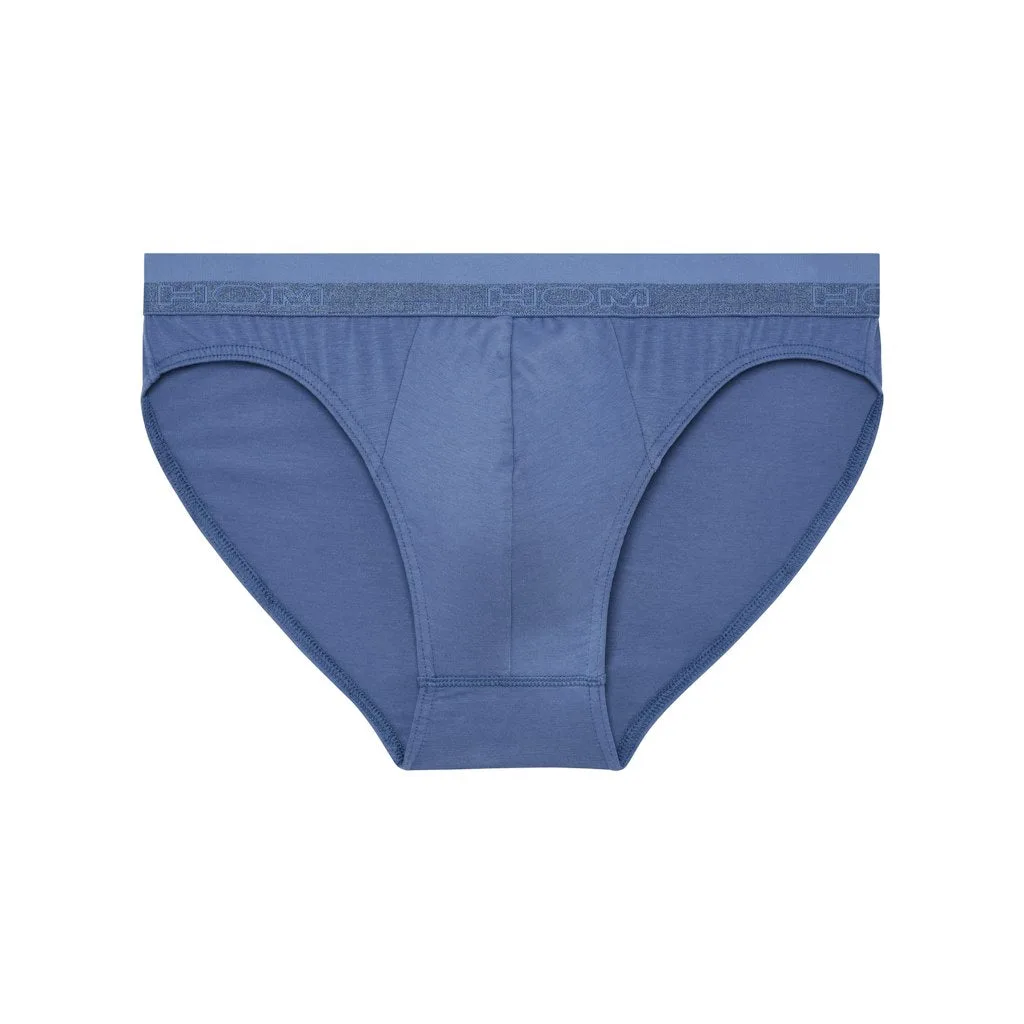
- Plumes Micro Briefs | Midblue 404756-00cg: The PLUME HOM micro-briefs are made with polyamide elastane which provides a thin and light as a feather feel. Thanks to its material and its thin elastic band, the PLUMES micro-briefs are invisible under clothing and give a perfect second-skin sensation. This shows how a thin, light microfiber can solve the same everyday problem Tencel is known for: smooth, invisible comfort under clothing. If that is your priority, this construction is the one to look for.
Who should choose Tencel and who should not
Best for
- Anyone who wants a soft, smooth feel in underwear and t-shirts
- Warm or humid climates where moisture wicking matters
- Fitted pieces that need to drape cleanly without bulk
Not for
- Heavy-use sleepwear that needs maximum abrasion resistance
- Shoppers who want the lowest possible price per piece
- Structured garments where a firmer hand is required
Tencel is worth choosing when softness, breathability, and moisture control are your priorities, especially in underwear and t-shirts. For sleepwear and heavy-use pieces, cotton still holds the advantage. Match the fiber to the job, and you will get more comfort from every piece you own.