If you've ever wondered why your makeup fades by midday or looks patchy, the answer might be simpler than you think: you're skipping primer. Primer is the unsung hero of a flawless makeup routine, yet many people overlook it. In this guide, we'll explore the numerous benefits of using a face primer and why it deserves a permanent spot in your beauty arsenal.
From creating a smooth canvas to boosting the longevity of your foundation, primer does more than just prep your skin—it transforms the way your makeup looks and feels. Whether you have oily, dry, or combination skin, there's a primer that can address your specific concerns. Let's dive into the science and art of priming.
What Is Face Primer and How Does It Work?
Face primer is a makeup base applied after moisturizer and before foundation. Its primary role is to create a smooth, even surface for makeup, filling in fine lines, pores, and texture. Most primers contain silicones or polymers that form a breathable barrier, helping makeup adhere better and last longer.
Think of primer as the 'double-sided tape' for your makeup. It grips foundation, concealer, and powder, preventing them from sliding off or settling into creases. Additionally, many primers are formulated with skin-loving ingredients like vitamins and antioxidants, offering skincare benefits beyond makeup prep.
- Silicone-based primers are great for filling pores and smoothing texture.
- Water-based primers are lighter and ideal for oily skin.
- Primers with SPF provide added sun protection.
Key Benefits of Using a Face Primer
One of the biggest advantages of using a primer is the prolonged wear of your makeup. By creating a barrier between your skin and makeup, primer prevents oils from breaking down foundation and keeps your look fresh for hours. This is especially beneficial for special occasions or long workdays.
Another major benefit is the smoothing effect. If you have visible pores, fine lines, or uneven texture, a good primer blurs these imperfections, giving you that 'airbrushed' look. This is why makeup artists swear by primer for photoshoots and events. For an extra boost, consider a hydrating primer or a collagen-infused product like the Tri-Peptide Collagen Sheet Mask to prep your skin the night before.
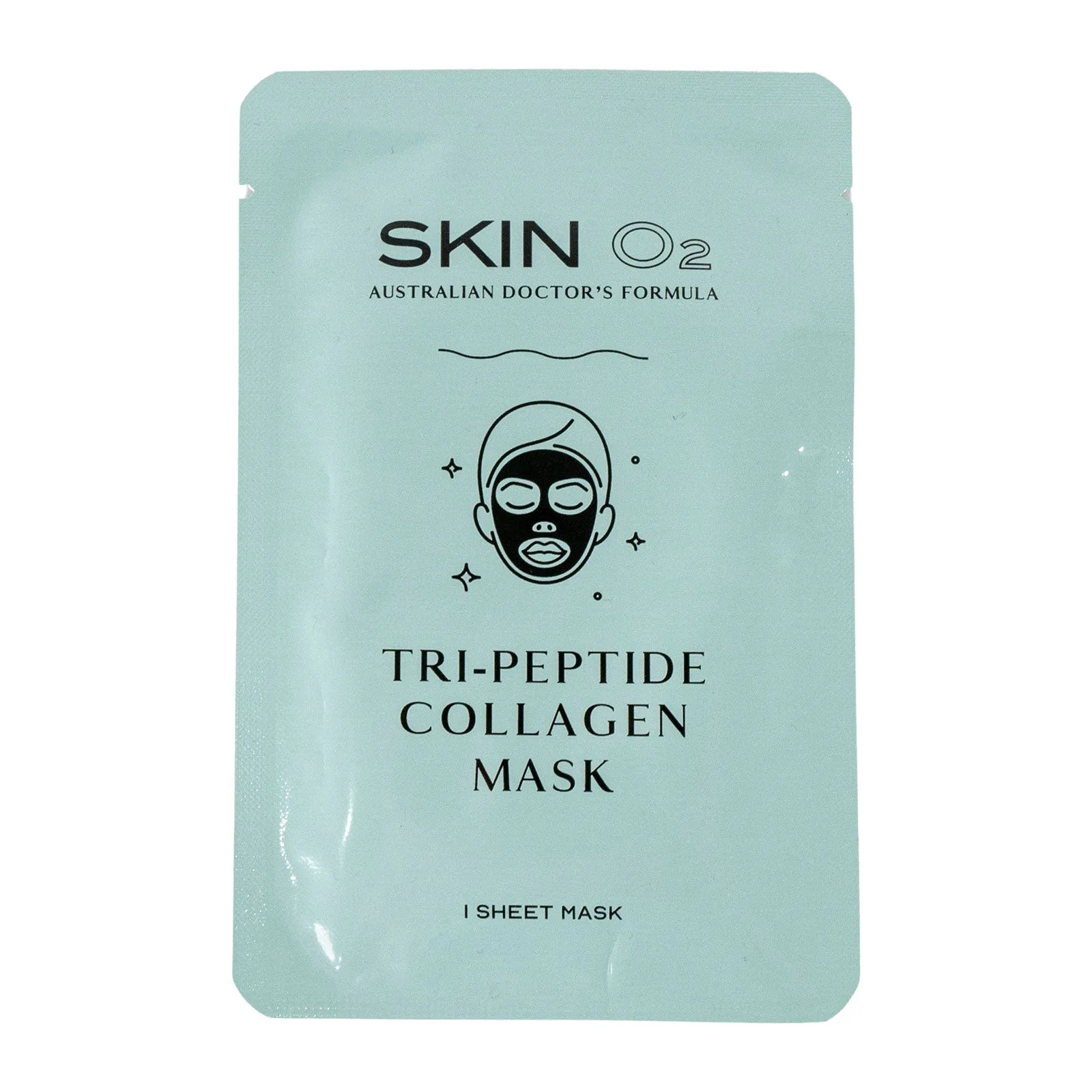
Tri-Peptide Collagen Sheet Mask
- Minimizes the appearance of pores and fine lines
- Helps makeup stay put for up to 8 hours or more
- Controls excess oil and shine throughout the day
- Enhances the color payoff of your foundation and concealer
Primer for Different Skin Types
Not all primers are created equal, and choosing the right one for your skin type is crucial. For oily skin, opt for a mattifying primer that controls shine and keeps makeup in place. For dry skin, a hydrating primer with ingredients like hyaluronic acid can prevent flakiness and create a dewy finish.
If you have combination skin, you might need to use different primers on different areas of your face—a mattifying one on your T-zone and a hydrating one on your cheeks. For sensitive skin, look for fragrance-free and hypoallergenic formulas. And don't forget to prep your skin with a gentle cleanser like the Gel Cleanser to ensure a clean base.
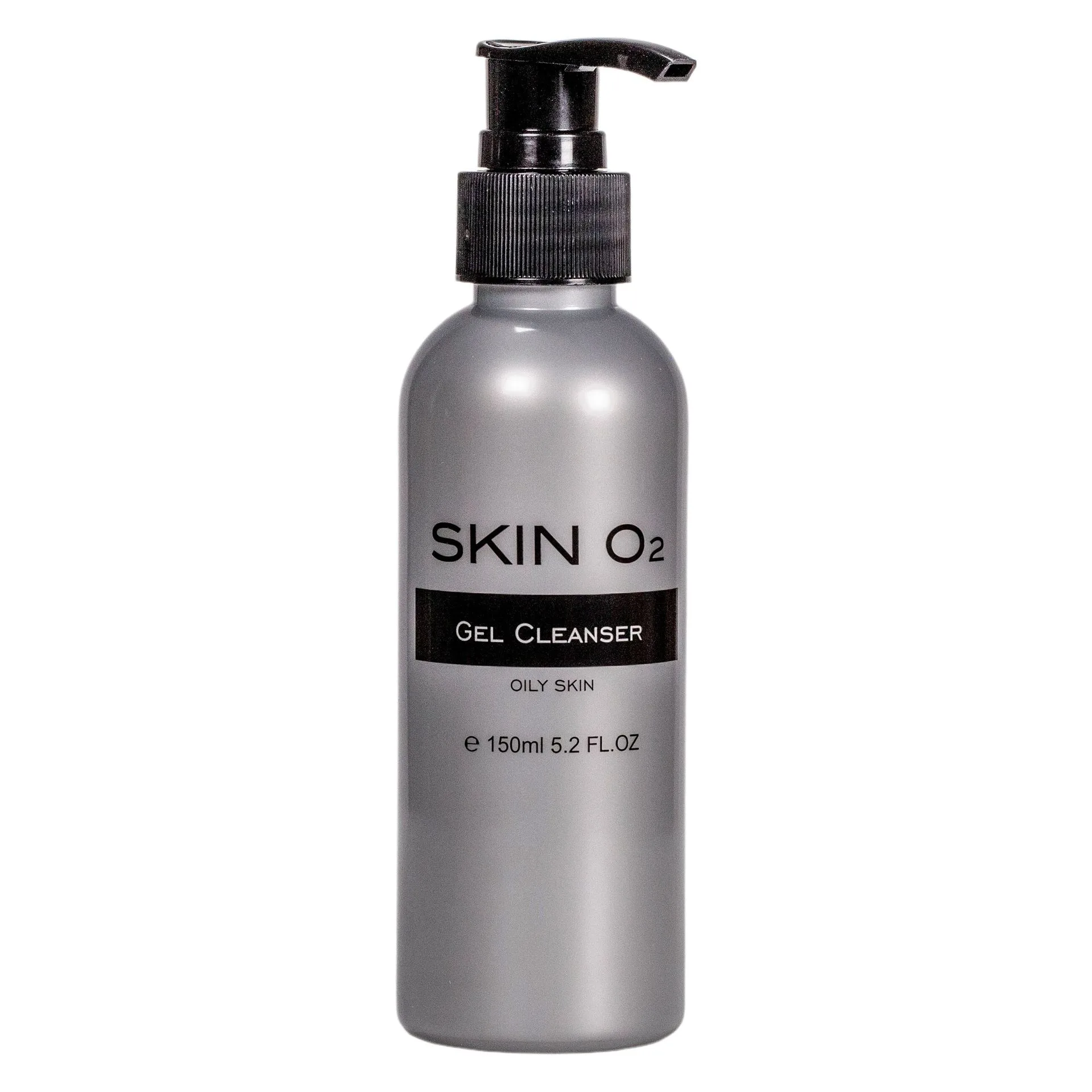
Gel Cleanser
- Oily skin: look for 'mattifying' or 'oil-free' primers
- Dry skin: choose hydrating primers with glycerin or hyaluronic acid
- Sensitive skin: pick gentle, non-comedogenic formulas
- Mature skin: use primers with anti-aging ingredients like peptides
How to Apply Primer for Best Results
Applying primer correctly is just as important as using it. Start with a clean, moisturized face. Squeeze a pea-sized amount of primer onto your fingertips and warm it up between your fingers. Gently press the primer onto your skin, focusing on areas with large pores, fine lines, or where makeup tends to fade.
Allow the primer to set for a minute before applying foundation. This ensures the primer has time to adhere to your skin and create a smooth base. Remember, a little goes a long way—using too much primer can cause your makeup to pill or slide off.
- Always apply primer after moisturizer and before foundation
- Use your fingertips or a damp sponge for even application
- Wait 60 seconds for the primer to set before applying makeup
- Don't forget your eyelids—primer helps eyeshadow last longer
Primer vs. BB Cream: What's the Difference?
Many people confuse primer with BB cream, but they serve different purposes. BB cream is a hybrid of skincare and makeup, offering light coverage and hydration, while primer focuses on prepping the skin for makeup. If you want a natural, no-makeup look, you might skip foundation and use a BB cream alone. However, if you're wearing foundation, primer is your best friend.
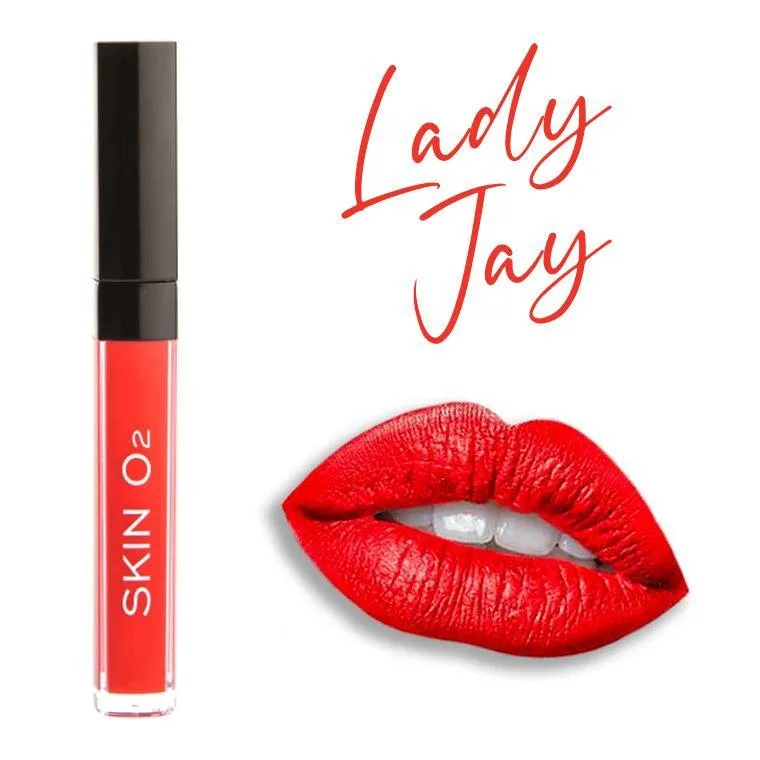
You can even use both: apply primer, then a BB cream for added coverage, then foundation if needed. This layering technique ensures long-lasting, flawless makeup. For a complete routine, consider our Matte Liquid Lipstick to finish your look.
- Primer: preps skin, extends wear, smooths texture
- BB cream: provides light coverage, hydrates, and often includes SPF
- Use primer under BB cream for longer-lasting results
Incorporating a face primer into your makeup routine is a game-changer. It not only improves the appearance and longevity of your makeup but also offers skincare benefits. Whether you're a makeup novice or a pro, don't skip this essential step. Explore our range of primers and discover the perfect one for your skin type.