Scars can be a constant reminder of past injuries, surgeries, or acne breakouts. Whether on your face or body, they often affect confidence and skin texture. While many treatments promise results, one stands out for its proven efficacy: silicone gel. Dermatologists and plastic surgeons have recommended silicone-based products for decades, and research supports their ability to flatten, soften, and fade scars.
In this article, we'll explore the science behind silicone gel for scars, its benefits for both face and body, how to use it correctly, and what to look for in a product. If you're struggling with acne scars, surgical scars, or injury marks, understanding how silicone gel works can be a game-changer for your skincare routine.
How Silicone Gel Works on Scars
Silicone gel creates a protective, breathable layer over the scar. This layer hydrates the scar tissue, which is crucial because hydrated scars are softer, flatter, and less red. The gel also helps regulate collagen production, preventing excessive collagen buildup that leads to raised or hypertrophic scars. By maintaining a moist environment, silicone gel reduces inflammation and encourages the skin to heal more evenly.
Unlike other treatments that require prescriptions or invasive procedures, silicone gel is non-invasive and can be used on most skin types. It forms a flexible film that moves with your skin, making it suitable for joints and mobile areas. The key is consistency: daily application over several months yields the best results.
- Hydrates scar tissue to improve texture and color
- Regulates collagen to prevent raised scars
- Creates a protective barrier against bacteria and irritants
- Non-invasive and suitable for sensitive skin
Benefits of Silicone Gel for Face Scars
Facial scars, especially from acne or minor injuries, can be particularly distressing because they're so visible. Silicone gel is ideal for the face because it's clear, dries to a matte finish, and can be worn under makeup or sunscreen. It's gentle enough for delicate facial skin and doesn't clog pores. Many users see improvement in scar texture and pigmentation within weeks.
Products like the Peach Slices Balanced & Bright Kit include silicone-based ingredients to help fade dark spots and smooth uneven texture. For targeted scar treatment, the Nose Pore Patches can help with post-acne marks on the nose. However, for flat, linear scars, a dedicated silicone gel is more effective.
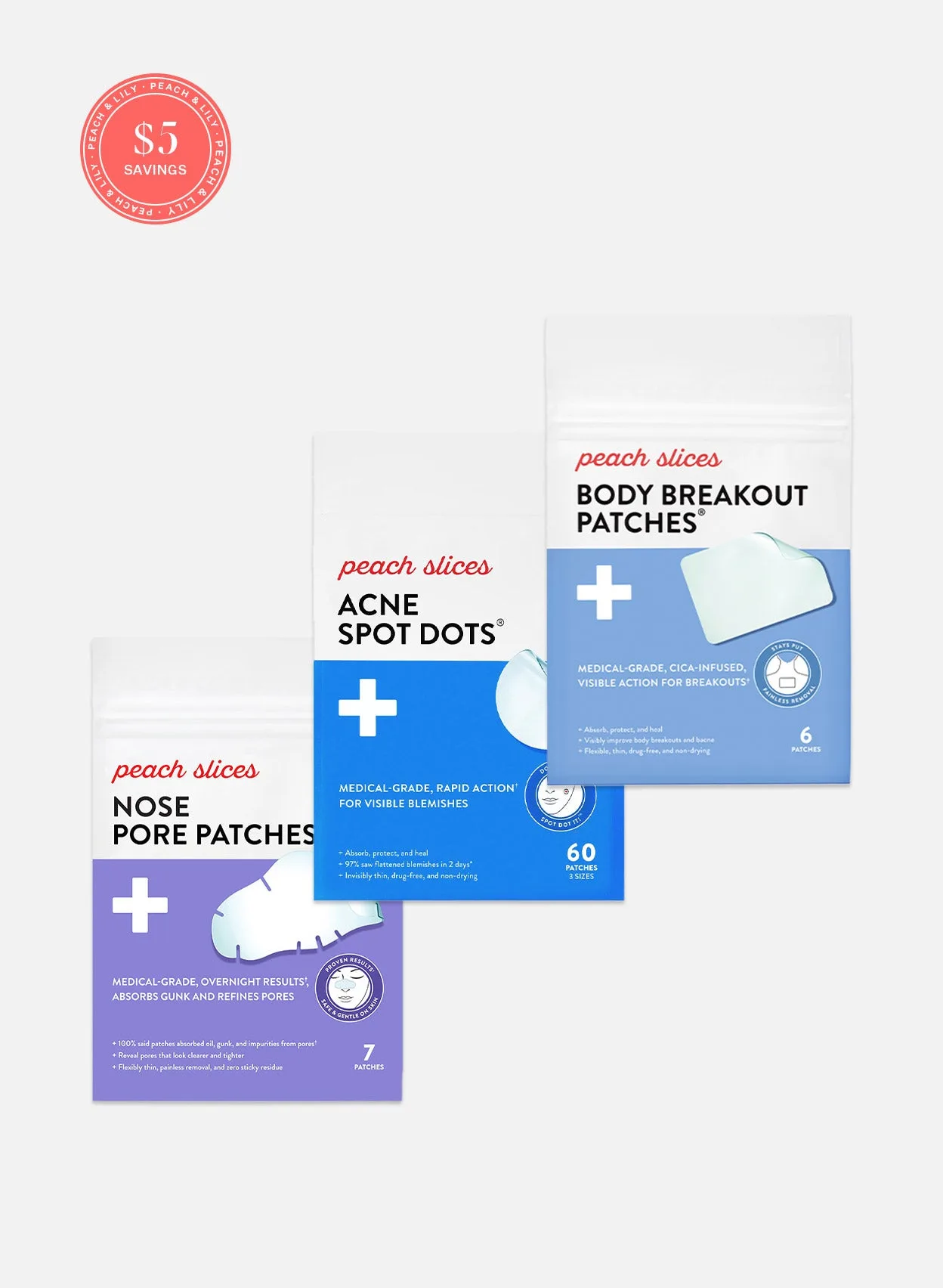
Nose Pore Patches
- Clear, matte finish blends with most skin tones
- Can be layered under makeup or SPF
- Safe for sensitive and acne-prone skin
- Reduces redness and pigmentation over time
Benefits of Silicone Gel for Body Scars
Body scars from surgeries, burns, or injuries often require more durable treatment. Silicone gel adheres well to larger areas and stays in place even during movement. It's effective for hypertrophic and keloid scars, which are common on the chest, shoulders, and knees. Regular use can significantly reduce scar height, redness, and discomfort like itching or tightness.
For best results, apply silicone gel twice daily after cleansing the area. Gently massage the gel into the scar in a circular motion. Over time, the scar becomes softer and less noticeable. Combining silicone gel with silicone sheets can enhance results for stubborn scars.
- Reduces scar height and redness
- Soothes itching and discomfort
- Durable enough for high-movement areas
- Complements silicone sheets for severe scars
How to Choose the Best Silicone Gel for Scars
When selecting a silicone gel, look for 100% medical-grade silicone as the active ingredient. Avoid products with fragrances or alcohol, which can irritate healing skin. The gel should be non-comedogenic and free from parabens. Consider the application: some gels come in tubes, others in roll-ons or stick forms. Choose one that fits your lifestyle and the scar's location.
While many products claim to be silicone-based, check the ingredient list. A good silicone gel should contain dimethicone or cyclopentasiloxane as primary ingredients. For facial scars, a lightweight gel is preferable; for body scars, a thicker formula may adhere better.
- 100% medical-grade silicone preferred
- Fragrance-free and alcohol-free
- Non-comedogenic for face use
- Choose texture based on scar location
Application Tips for Maximum Effectiveness
To get the most out of your silicone gel, start with clean, dry skin. Apply a thin layer of gel over the scar, extending slightly beyond the edges. Allow it to dry for a few minutes until a film forms. Use it twice daily—morning and evening—for at least 2-3 months. For older scars, longer treatment may be needed.
Consistency is crucial. Missing applications can slow progress. If you're using other treatments like sunscreen or moisturizer, apply silicone gel first and let it dry before layering. For scars on visible areas, some gels are designed to be invisible, making them perfect for daytime use.
- Apply to clean, dry skin twice daily
- Use a thin layer—more is not better
- Allow to dry completely before covering
- Be patient: results take weeks to months
Silicone gel is a proven, safe, and effective option for improving the appearance of scars on both the face and body. By hydrating the scar tissue and regulating collagen, it helps flatten, soften, and fade scars over time. Whether you're dealing with acne marks, surgical scars, or injury-related scars, incorporating a high-quality silicone gel into your routine can make a significant difference. Explore the Peach Slices Balanced & Bright Kit for a gentle approach to brightening dark spots, or consider dedicated scar gels for more pronounced results. Start your journey to smoother, more even skin today.