Quick Answer
Yes, wool socks are excellent for many situations, but not all wool is created equal. Modern merino and wool blends offer breathability, moisture management, and odor resistance, making them a smart choice for both casual and active wear.
Wool socks have been around for centuries, yet myths about them persist: they're itchy, too hot for summer, or only for hikers. The truth is that today's wool socks, especially those with advanced fibers and construction, can outperform cotton in many ways.
In this myth-busting guide, we'll separate fact from fiction about wool socks and help you decide if they're right for you.
Myth 1: Wool Socks Are Itchy
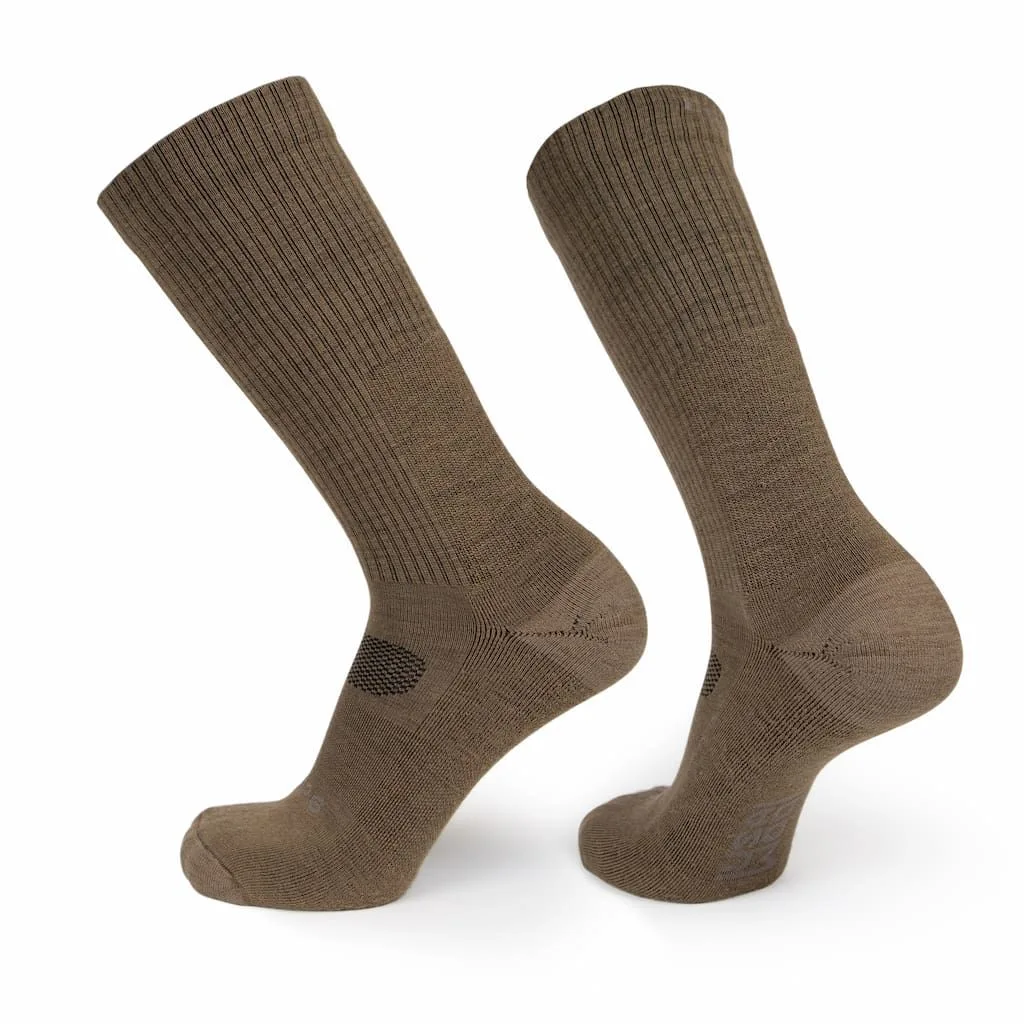
Many people avoid wool because they remember a scratchy sweater from childhood. But not all wool is the same. Fine merino wool, for example, has fibers that are much thinner and softer than traditional wool, making it comfortable against the skin. Some wool socks also blend wool with other materials to enhance softness and durability.
When shopping for wool socks, look for terms like 'merino' or 'fine gauge' to ensure a softer feel. If you have sensitive skin, test a pair for a few hours to see how it feels before committing to a full drawer.
- Check the label for merino wool or a wool blend for a softer touch.
Myth 2: Wool Socks Are Only for Winter
It's a common misconception that wool is only for cold weather. In fact, wool can help regulate temperature in both heat and cold. Wool fibers have natural moisture-wicking properties, pulling sweat away from your skin so it can evaporate. This keeps your feet drier and cooler in warm conditions, and warmer in cold conditions because it traps heat when dry.
Many athletic socks now use wool blends precisely because they manage moisture better than cotton, which tends to stay wet and cause blisters. So, don't rule out wool for summer hikes or gym sessions—it might be exactly what your feet need.
- Consider wool socks for year-round wear, not just winter.
Myth 3: Wool Socks Wear Out Quickly
Some people think wool is delicate and won't last. While pure wool can be more prone to wear, many wool socks are reinforced with synthetic fibers like nylon or polyester to increase durability. These blends offer the best of both worlds: the comfort and moisture management of wool, plus the strength to withstand regular use and washing.
When choosing wool socks, check the blend and look for reinforced heels and toes, which are common in performance-oriented socks. With proper care, quality wool socks can last as long as any other sock.
- Look for wool socks with added nylon or polyester for durability.
The Verdicts on Wool Socks
- Myth: Wool is itchy: Not necessarily. Fine merino or wool blends are soft and comfortable. FACT: Choose merino or blends for itch-free comfort.
- Myth: Wool is only for winter: Wool regulates temperature and wicks moisture, making it suitable for all seasons. FACT: Wool can keep feet dry and comfortable in any weather.
- Myth: Wool wears out fast: Reinforced wool blends offer durability comparable to synthetic socks. FACT: Look for blends with nylon or polyester for long-lasting wear.
Wool Socks in Action: SAXX Performance Socks
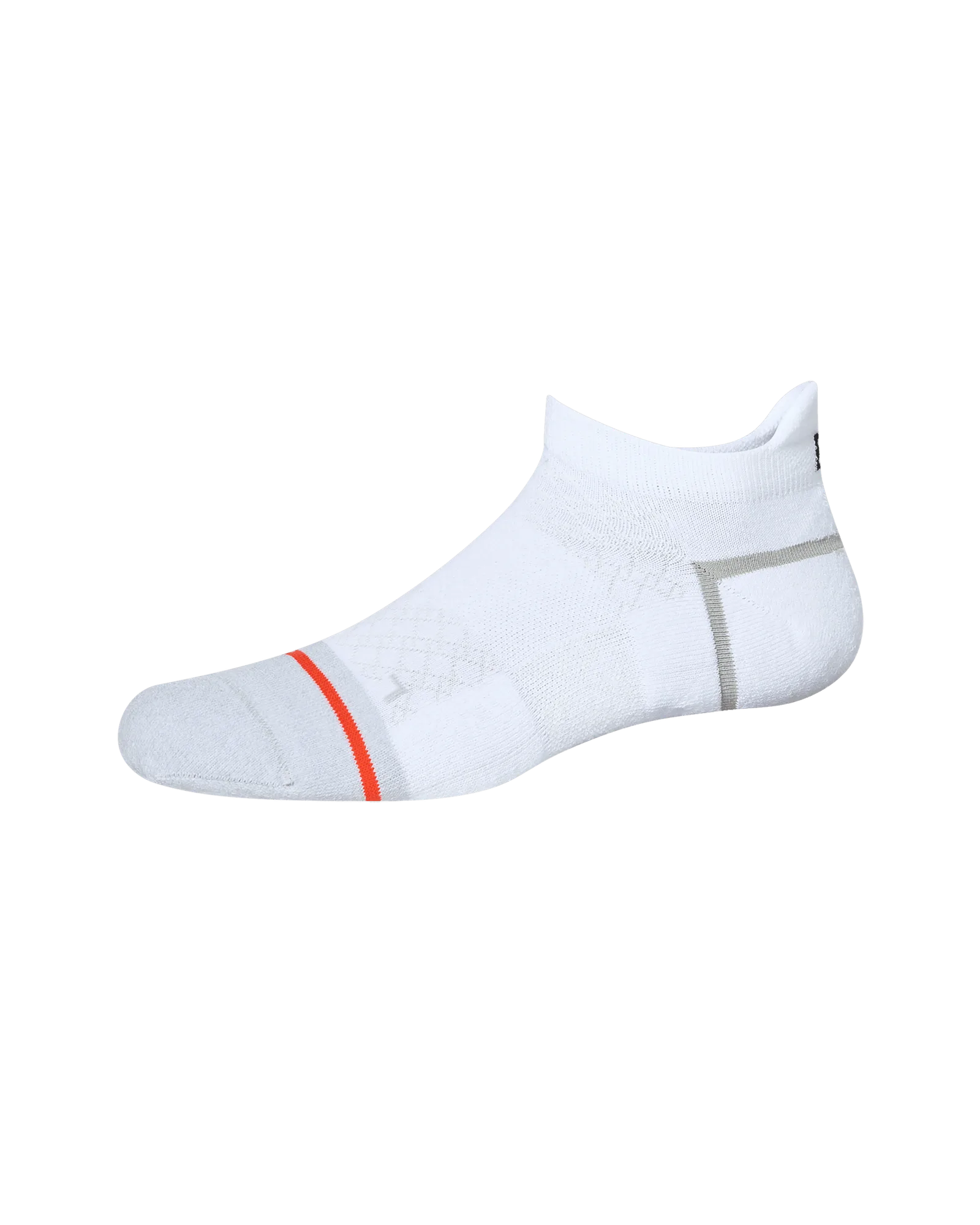
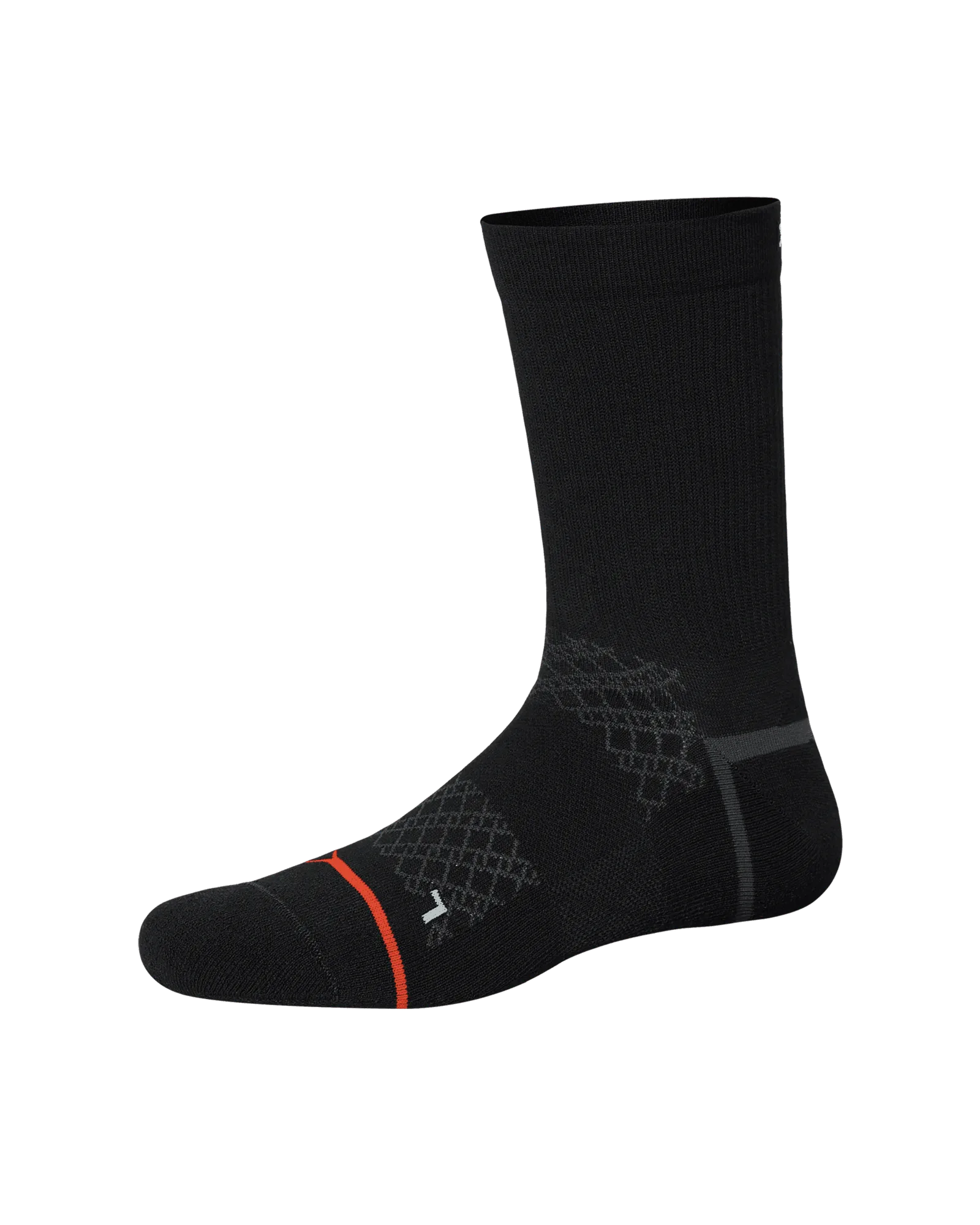
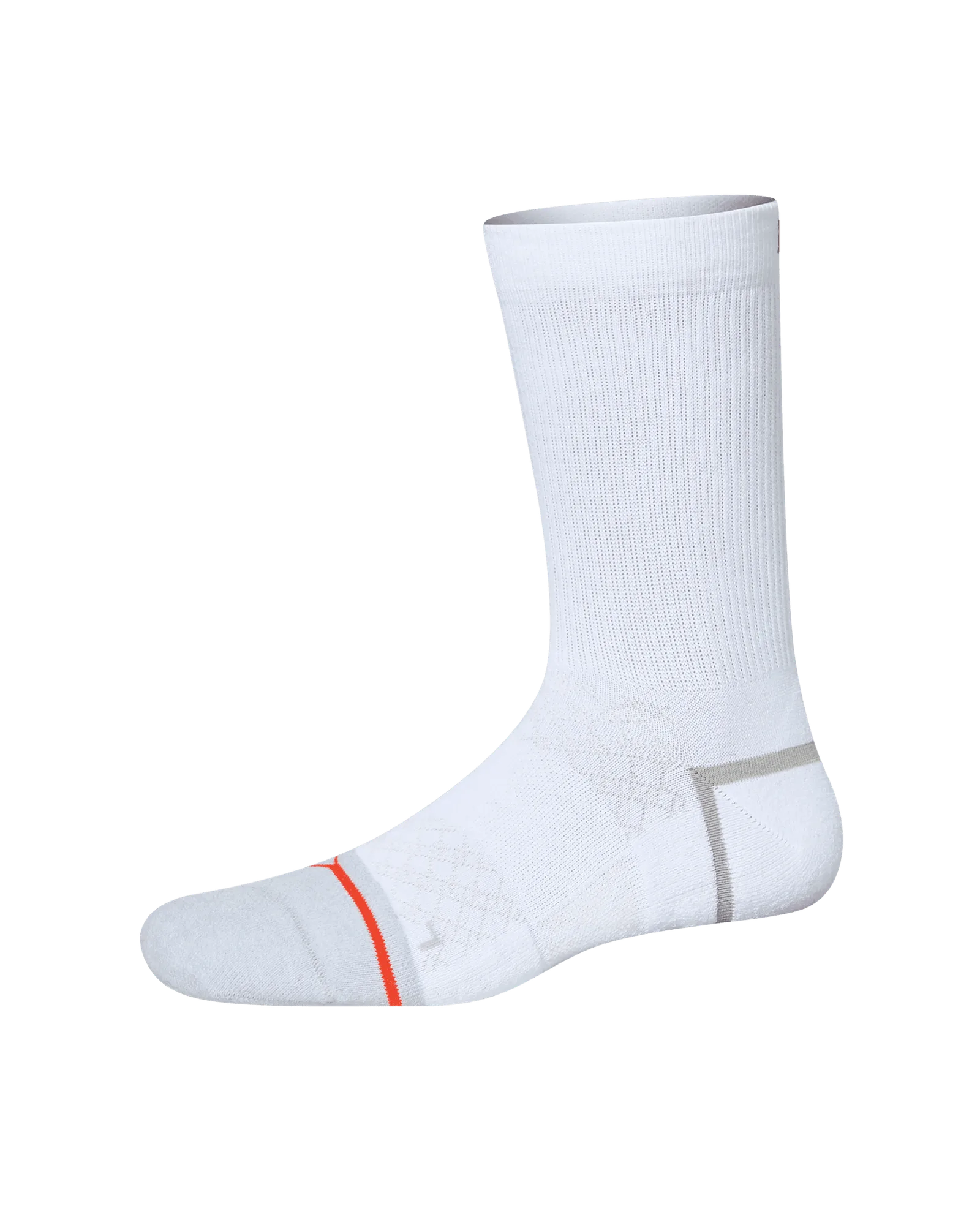
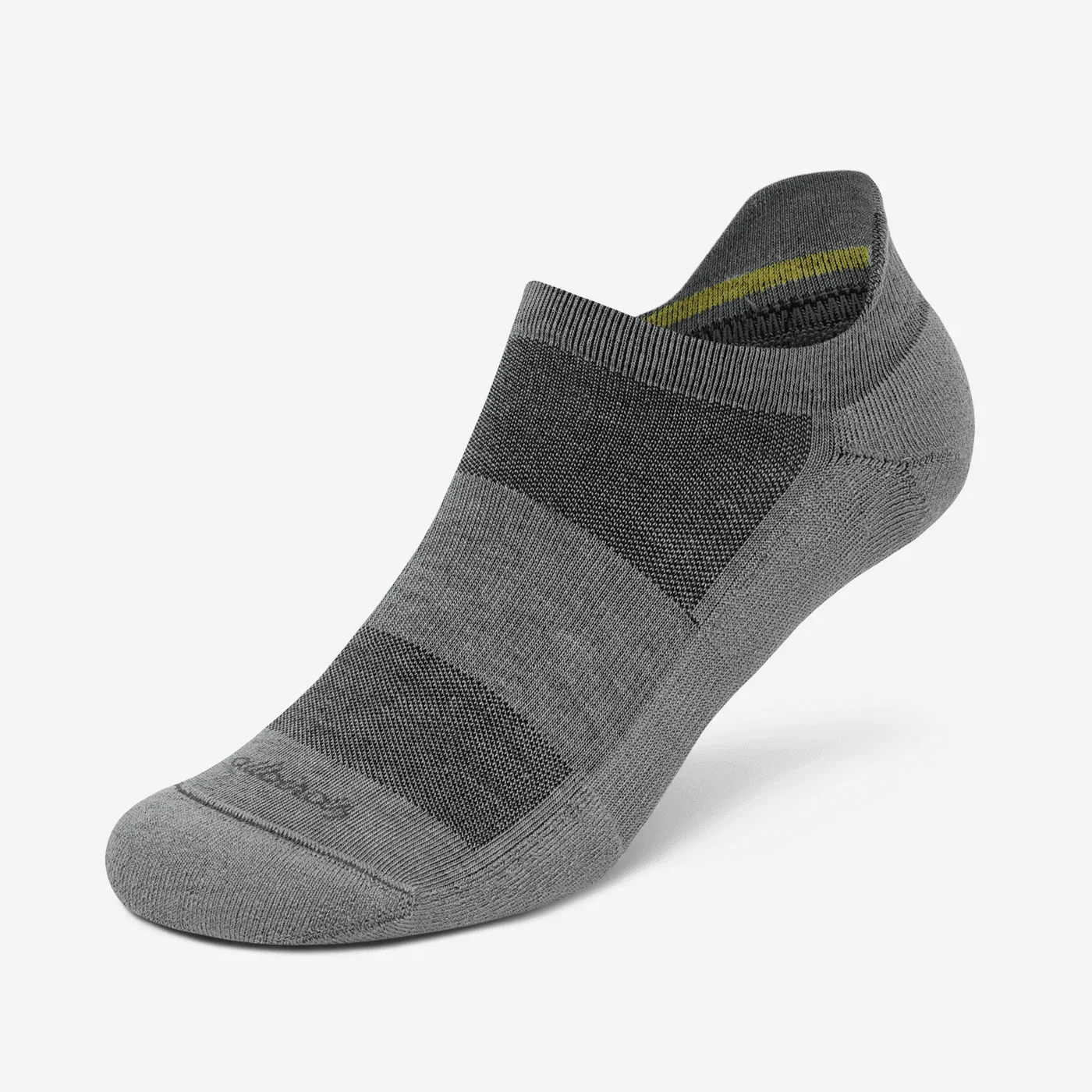
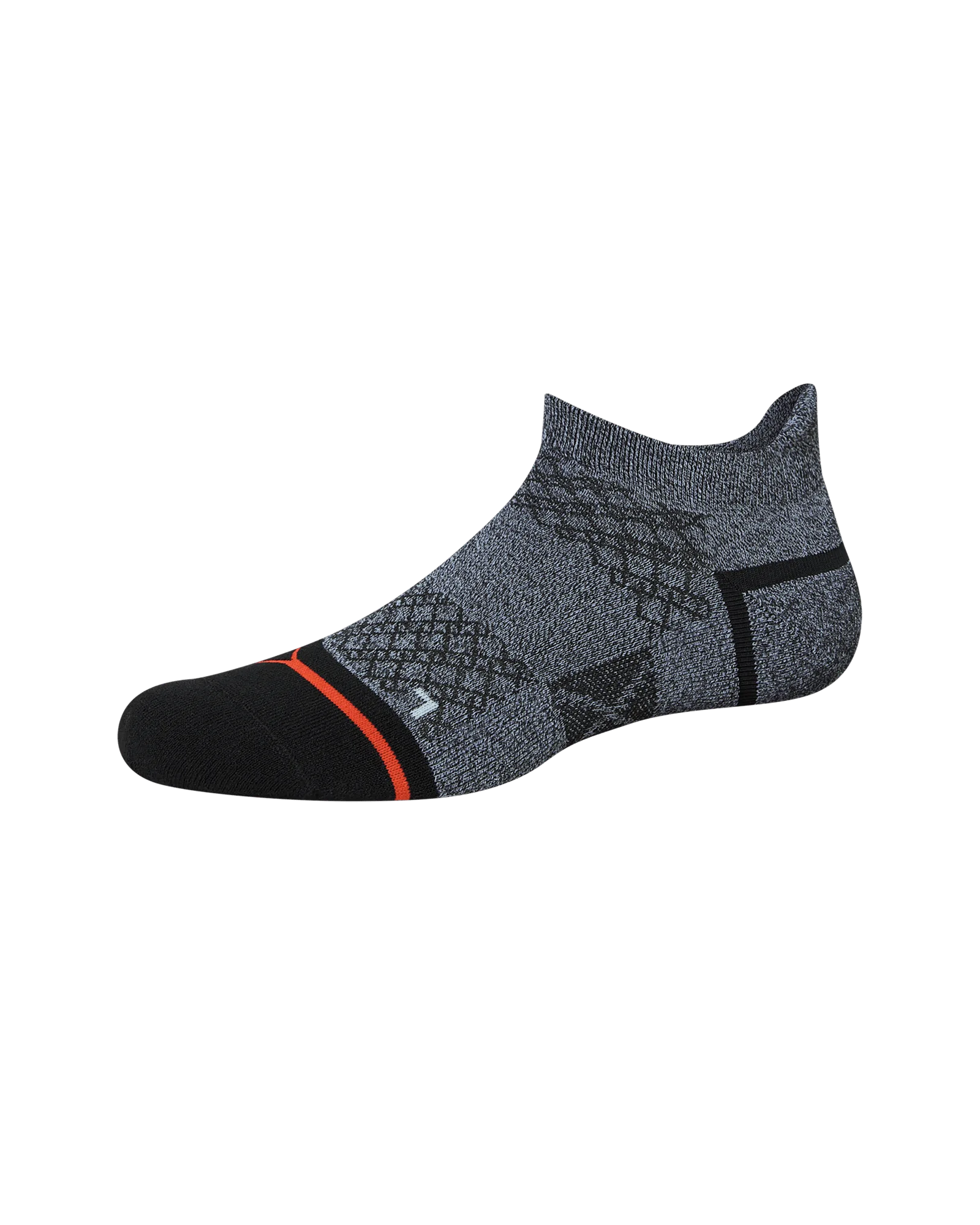
- https://saxxunderwearszi.com/products/sxan103-whi-c9e0f2d98a8d0dfcc99b187f-1039016https://saxxunderwearszi.com/products/sxan103-bwi-59dc5eff3cfd2d2ff6009902-1039018https://saxxunderwearszi.com/products/sxan103-blk-684cce13a0e8d1cdcdb12174-1039020https://saxxunderwearszi.com/products/sxcr103-blk-7cb3e39711af5a02ef3c6d5a-1039021Ball Lock Performance: Combining active comfort with our latest technologies, this all-new Performance Sock provides enhanced stability and a stable and secure fit while you stay active. Engineered to keep your socks snug with our latest innovations Ball Lock TechnologyTM — an angled, anatomically shaped toe seam to keep this pair secured to your foot — and Heel HoldTM that hugs your heel to stop irritating slippage. Even if a sock isn't wool, the same engineering principles—like secure fit and no-slip features—apply. For those who want the benefits of technical socks without wool, this performance sock offers a stable fit that reduces friction and blisters.
- Build Your Own Socks (5 Pack): From the couch to the court, this sock lineup is built to move. Choose your own mix of crew, low show, everyday, and performance styles, all designed with Ball Lock TechnologyTM for a stay-put fit. Finished with zoned cushioning and 360° arch support, this five-pack bundle keeps comfort covered wherever you’re headed. If you're not ready to commit to wool, this customizable pack lets you test different sock styles and features to find what works best for your activities, all while ensuring a snug fit with Ball Lock Technology.
Wool socks are a versatile choice that can keep your feet comfortable, dry, and odor-free throughout the year. By understanding the facts and choosing the right wool or wool-blend sock, you can enjoy the benefits without the myths. Whether you opt for traditional wool or explore technical alternatives like SAXX performance socks, the key is to prioritize moisture management and a secure fit.