As parents, we all want the best for our little ones—especially when it comes to their growing minds. One of the most powerful ways to support baby brain development is through open-ended play. Unlike toys with a single purpose, open-ended play encourages creativity, problem-solving, and exploration. In this article, we’ll dive into the science behind why open-ended play matters and how you can incorporate it into your child’s daily routine with simple, educational toys.
From marble runs to wall toys, the right playthings can turn everyday moments into brain-building opportunities. Let’s explore how unstructured playtime can shape your baby’s cognitive, social, and emotional growth.
What Is Open-Ended Play?
Open-ended play is any play activity that has no fixed outcome or prescribed way to play. Instead of a toy that lights up when you press a button, open-ended toys like blocks, stacking rings, or marble runs allow children to use their imagination to create, build, and experiment. This type of play is essential for baby brain development because it encourages neural connections, problem-solving, and flexible thinking.
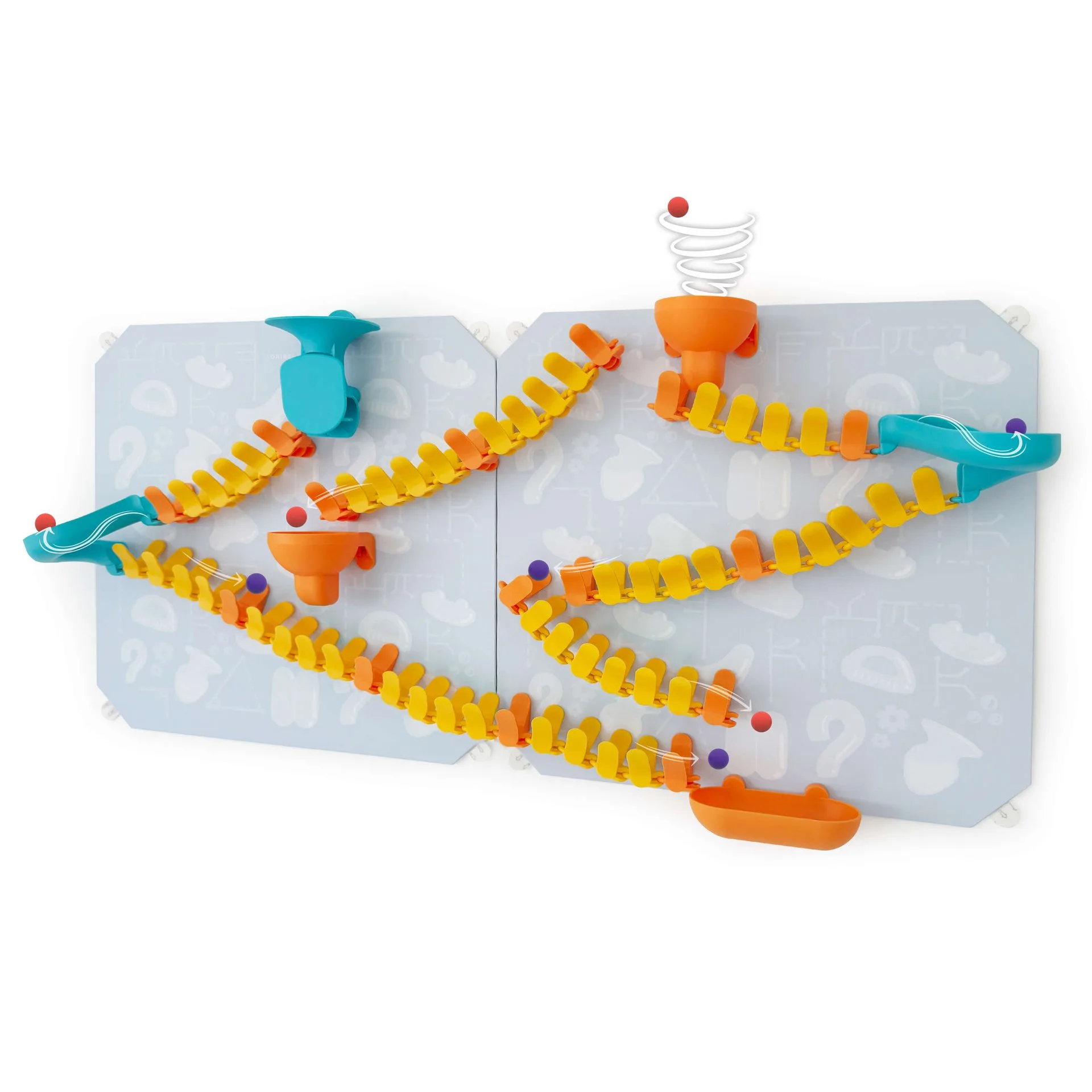
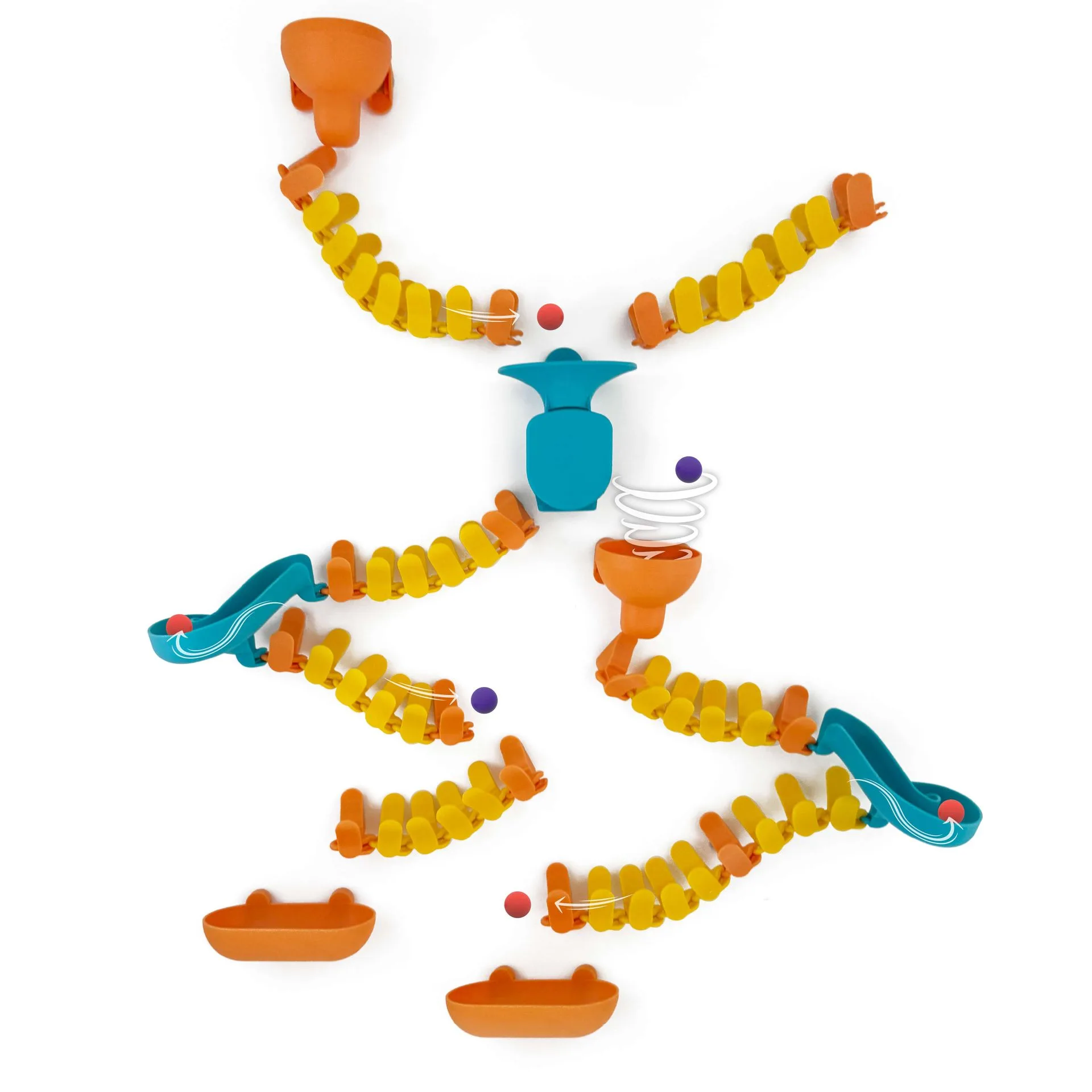
For example, a simple set of wooden blocks can become a tower, a bridge, or a pretend house. Similarly, a marble run can be configured in countless ways, teaching cause and effect, spatial reasoning, and patience. When babies engage in open-ended play, they are not just having fun—they are actively building the foundation for lifelong learning.
- Encourages creativity and imagination
- Develops problem-solving skills
- Supports cognitive flexibility
- Promotes independent play
How Open-Ended Play Boosts Baby Brain Development
During the first few years of life, a baby’s brain forms over a million new neural connections every second. Play is the primary way these connections are strengthened. Open-ended play, in particular, stimulates multiple areas of the brain simultaneously. When a baby tries to fit a marble through a track or balances a block on top of another, they are practicing fine motor skills, hand-eye coordination, and logical reasoning.
Research shows that children who engage in more creative play tend to have better executive function skills, including self-regulation, working memory, and cognitive flexibility. These skills are critical for success in school and life. By providing toys that allow for multiple uses and outcomes, you are giving your baby the tools to think outside the box from an early age.
- Strengthens neural connections through trial and error
- Improves focus and attention span
- Builds resilience as children learn from mistakes
- Enhances language development through storytelling and pretend play
Choosing the Right Toys for Open-Ended Play
Not all toys are created equal when it comes to open-ended play. Look for toys that have no single correct way to use them. Marble runs, building sets, play mats, and wall toys are excellent choices. For instance, the VertiPlay STEM Marble Run offers endless configurations, allowing your child to experiment with gravity and motion. Similarly, the PurePlay Playmat can be used for tummy time, sensory exploration, or as a soft surface for imaginative play.
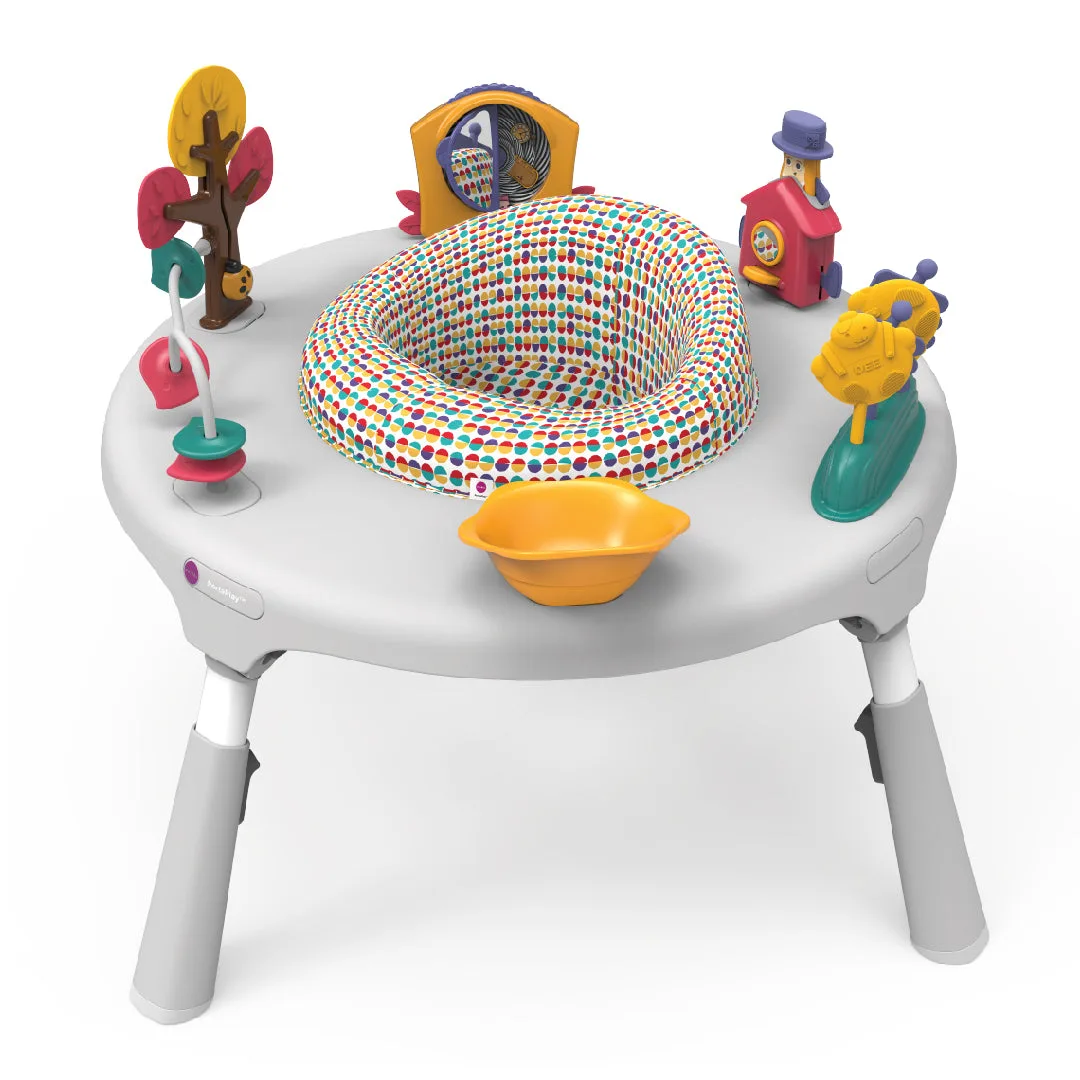
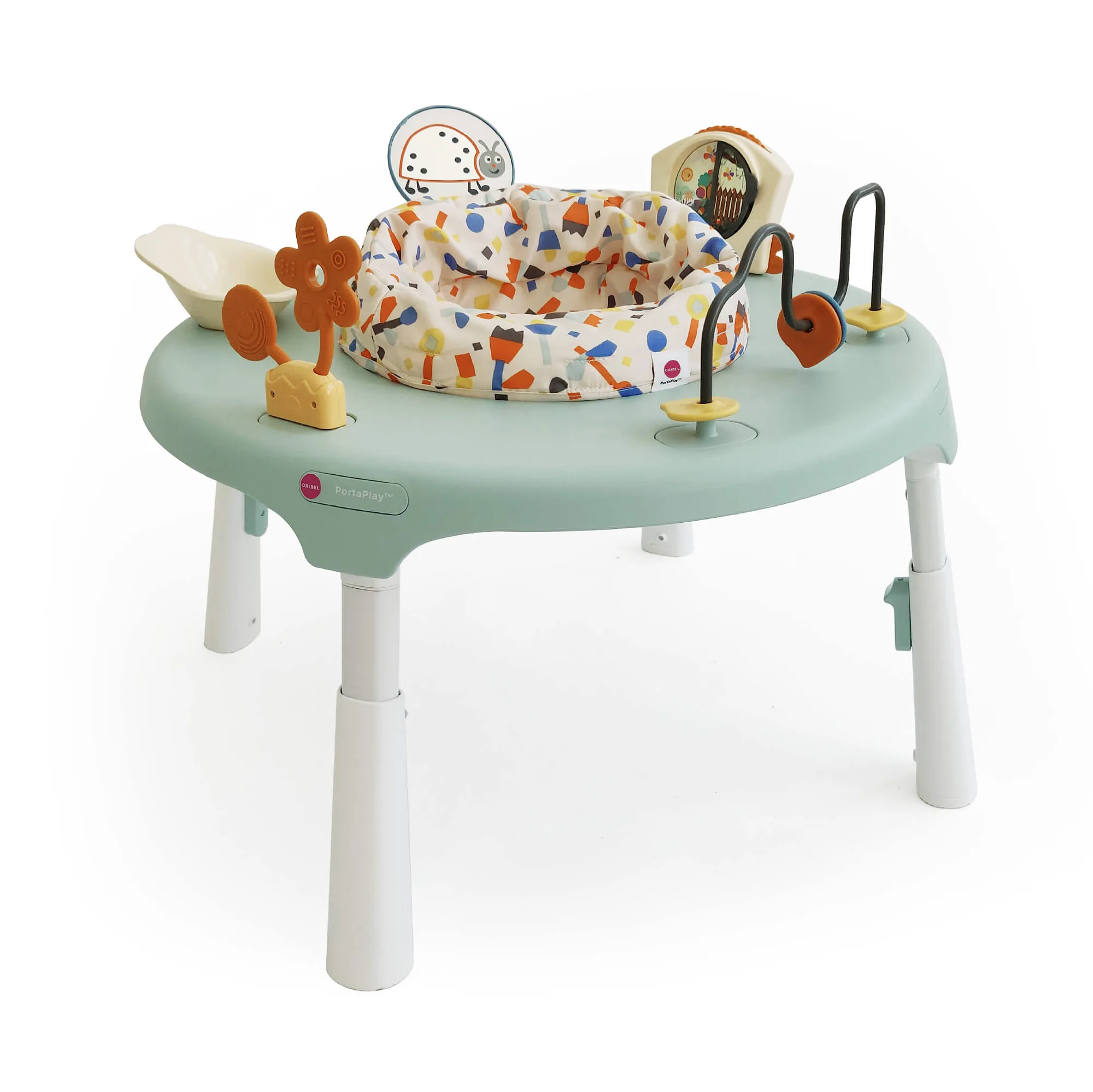
Another great option is the PortaPlay Toy- The Twisty Tree, which can be twisted, turned, and chewed, making it perfect for on-the-go open-ended fun. These toys grow with your child, offering new challenges as their skills develop. When selecting toys, prioritize quality, safety, and versatility over flashy features.
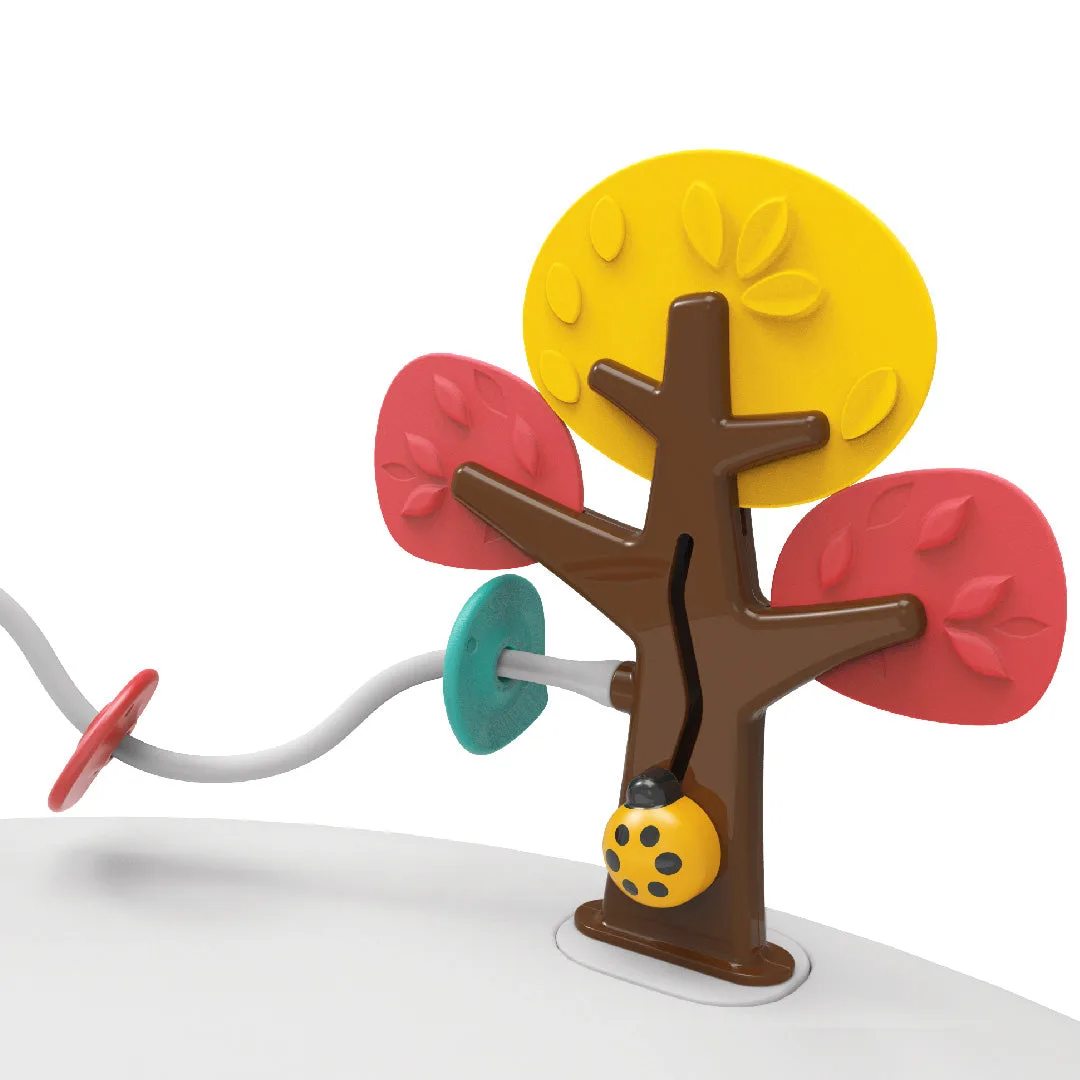
PortaPlay Toy- The Twisty Tree
- Choose toys that can be used in multiple ways
- Look for natural materials like wood or silicone
- Avoid toys with a single function or limited play value
- Consider age-appropriate complexity
Tips for Encouraging Open-Ended Play at Home
Creating an environment that fosters open-ended play doesn’t require a complete toy overhaul. Start by rotating toys to keep things fresh and interesting. Set up a dedicated play area where your child can explore freely without too many distractions. Simple items like cardboard boxes, scarves, and stacking cups can also inspire hours of creative play.
Join in the fun occasionally, but avoid directing the play. Let your baby take the lead. Ask open-ended questions like, “What do you think will happen if we put this marble here?” or “Can you build a tower taller than this one?” This encourages problem-solving and language development. Remember, the goal is exploration, not perfection.
- Rotate toys weekly to maintain interest
- Provide open storage so children can access toys easily
- Limit screen time to encourage hands-on play
- Praise effort and creativity, not just results
The Role of Parents in Open-Ended Play
As a parent, your role is to be a facilitator, not a director. Offer gentle guidance and encouragement, but allow your child to discover things on their own. This builds confidence and a sense of independence. When your baby successfully navigates a marble through a tricky track or builds a stable block tower, they feel a sense of accomplishment that fuels further exploration.
It’s also important to embrace mess and imperfection. Open-ended play can be messy—blocks fall, marbles roll away, and water gets spilled. But these moments are valuable learning opportunities. By staying calm and supportive, you teach your child that mistakes are part of the learning process. This resilience is a key component of healthy brain development.
- Observe and comment on your child’s play without taking over
- Celebrate small victories and creative solutions
- Allow for unstructured time without scheduled activities
- Model curiosity by exploring toys alongside your child
Open-ended play is one of the simplest yet most powerful ways to support your baby’s brain development. By providing toys that encourage creativity, problem-solving, and independent exploration, you are setting the stage for a lifetime of learning and curiosity. Start small—choose one or two versatile toys like the VertiPlay STEM Marble Run or the PurePlay Playmat—and watch your little one’s imagination soar.