As a new parent, you want the very best for your baby, especially when it comes to their delicate skin. In recent years, organic baby skincare has moved from a niche trend to a mainstay in nurseries worldwide. But what exactly makes organic baby products superior, and why should you consider making the switch?
From the first bath to daily moisturizing, the products you choose directly impact your little one’s health and comfort. Organic baby skincare products are formulated without harsh synthetic chemicals, pesticides, or artificial fragrances, making them an ideal choice for sensitive infant skin. In this article, we’ll explore the science-backed benefits of natural baby products and how they support your baby’s skin barrier, overall well-being, and the planet.
Gentler on Delicate Skin
A baby’s skin is much thinner and more permeable than adult skin, making it more susceptible to irritation and absorption of topical ingredients. Organic baby skincare products avoid common irritants like parabens, phthalates, sulfates, and synthetic dyes that can strip natural oils or trigger allergic reactions. Instead, they rely on plant-based oils, butters, and extracts that nourish without causing harm.
For example, many organic baby lotions use certified organic shea butter, calendula, or chamomile, which are known for their soothing and anti-inflammatory properties. This gentle approach helps maintain the skin’s acid mantle, reducing the risk of dryness, eczema flare-ups, and diaper rash. When you choose organic, you’re choosing peace of mind that every ingredient has been vetted for safety and purity.
- Look for products with the USDA Organic or COSMOS seal to ensure third-party certification.
Reduced Exposure to Harmful Chemicals
Conventional skincare products can contain trace amounts of pesticides, heavy metals, or endocrine-disrupting chemicals. Studies have shown that these substances can be absorbed through the skin, potentially impacting a baby’s developing hormonal and immune systems. Organic baby skincare products are grown and processed without synthetic pesticides, herbicides, or GMOs, significantly lowering your baby’s chemical load.
Even fragrance, a common trigger for skin reactions, is often synthetic in non-organic products. Organic alternatives use essential oils or are completely fragrance-free, making them safer for babies with allergies or asthma. By opting for natural baby products, you create a cleaner environment for your child to grow and thrive.
- Always patch test a new product on a small area of skin before full use, even if it’s organic.
Eco-Friendly and Sustainable Choices
Choosing organic baby skincare isn’t just good for your baby—it’s good for the planet. Organic farming practices prioritize soil health, biodiversity, and water conservation, reducing pollution and carbon footprint. Many brands also use recyclable or biodegradable packaging, further minimizing waste.
For instance, some companies offer home compostable wipes that break down naturally, unlike conventional wipes that can linger in landfills for decades. By supporting organic and eco-friendly baby products, you’re contributing to a more sustainable future for the next generation. It’s a small change that adds up to a big impact over time.
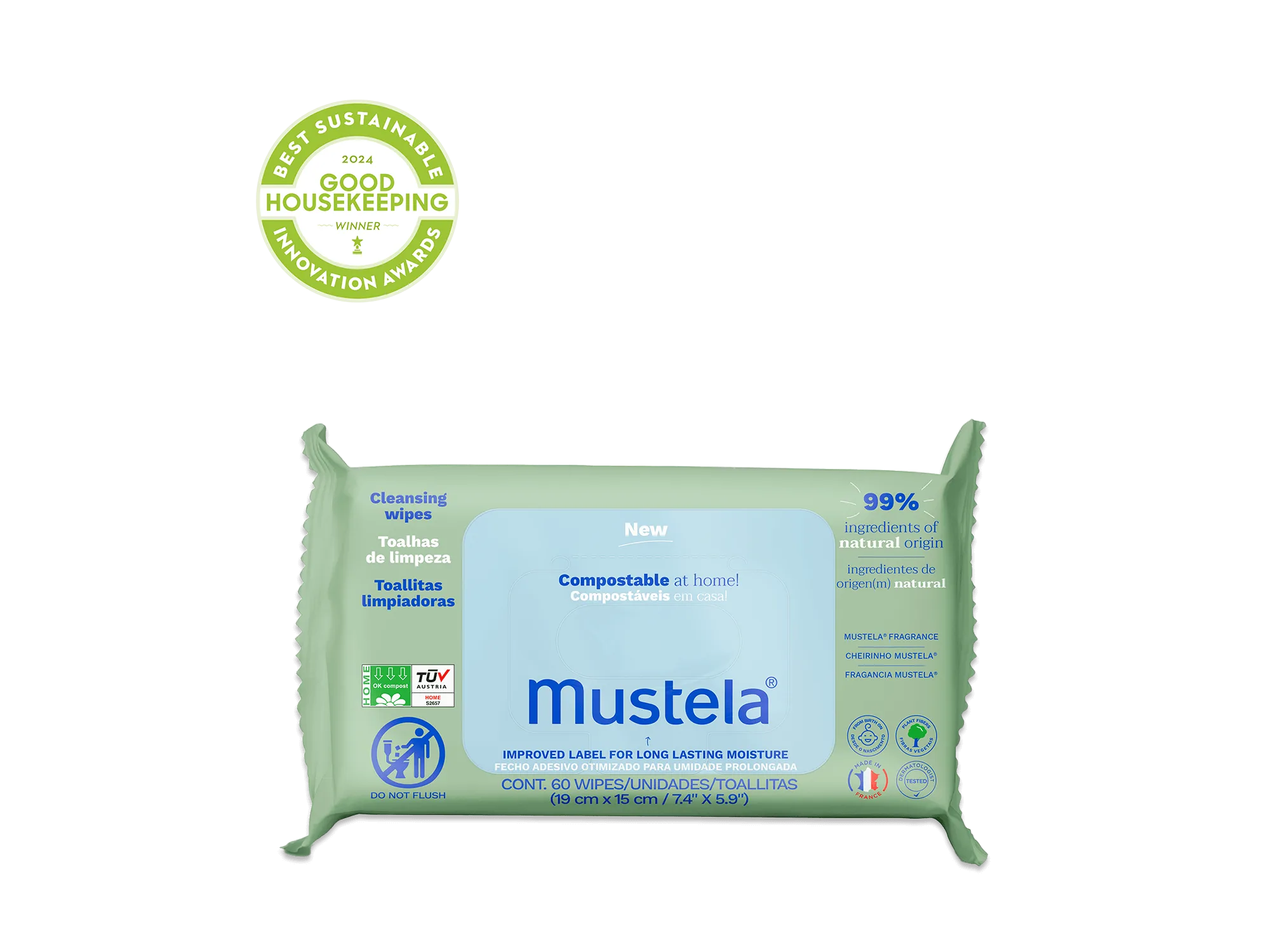
home compostable wipes
- Check the packaging for recycling symbols and avoid products with excessive plastic wrapping.
Supporting Your Baby’s Skin Barrier from Day One
A healthy skin barrier is your baby’s first line of defense against bacteria, allergens, and moisture loss. Organic baby skincare products are rich in essential fatty acids, antioxidants, and vitamins that strengthen this barrier. Ingredients like organic jojoba oil mimic the skin’s natural sebum, while organic coconut oil provides deep hydration without clogging pores.
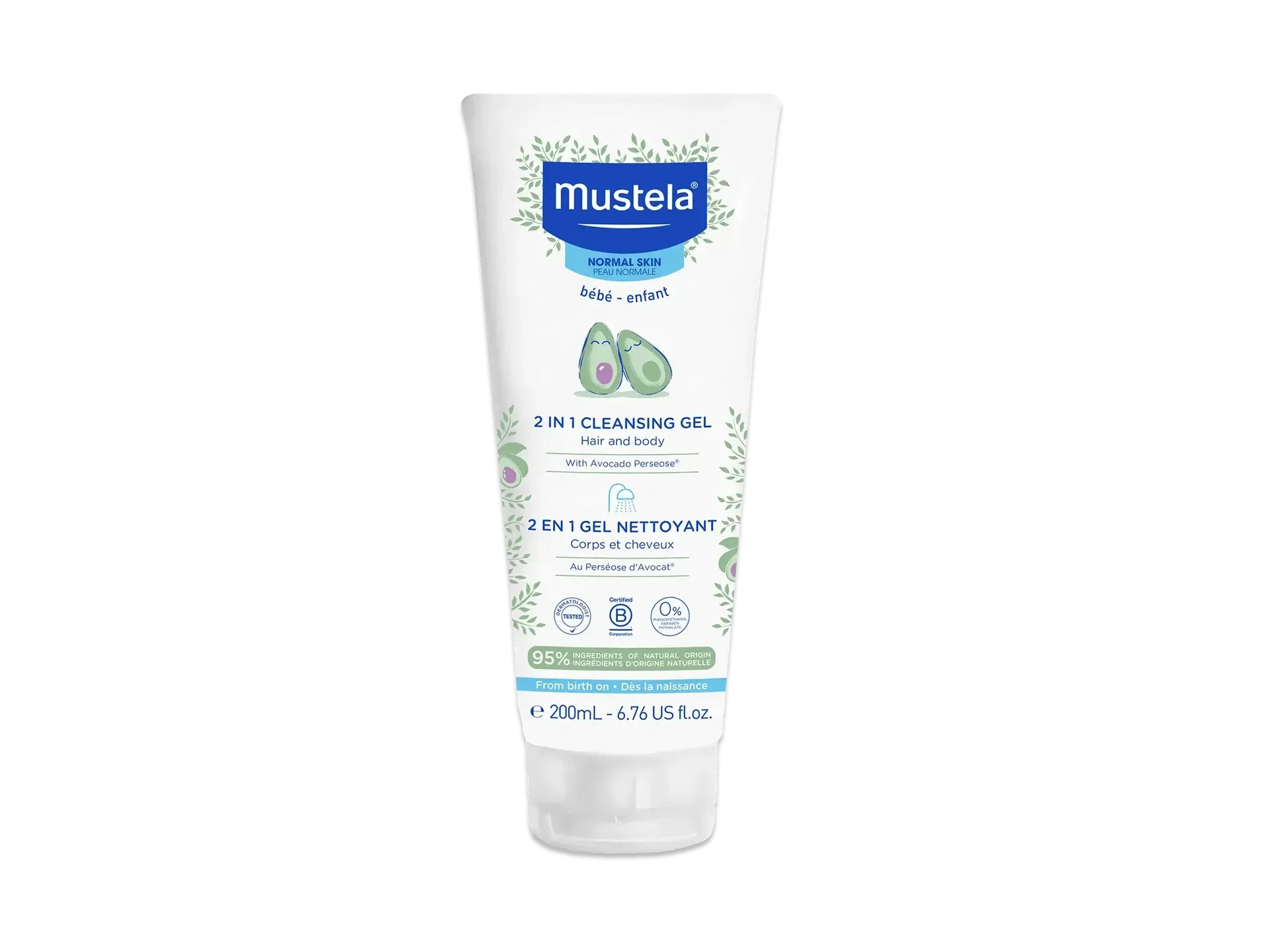
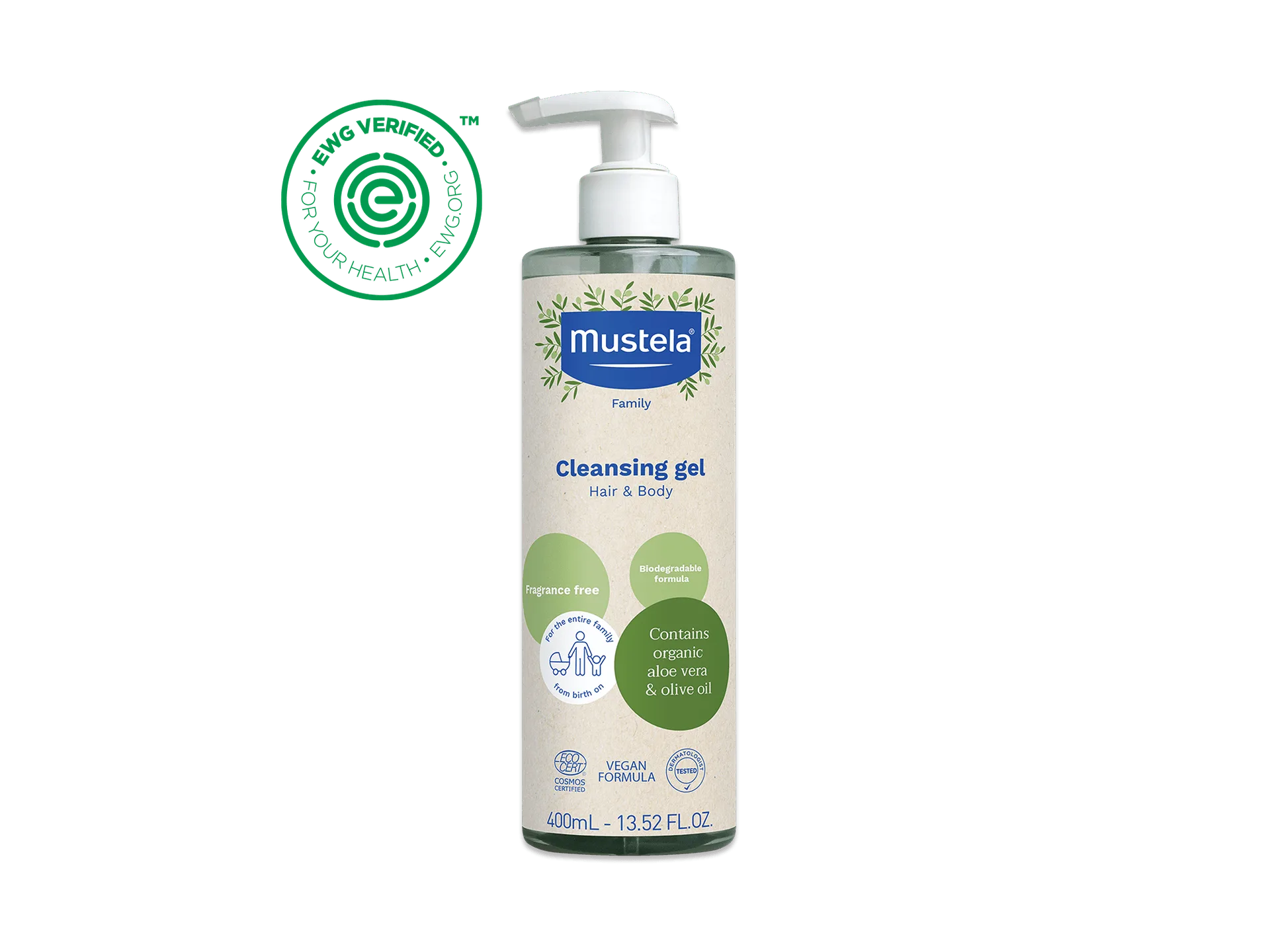
Daily use of a gentle, organic moisturizer can prevent common issues like cradle cap, eczema, and chapped cheeks. For bath time, a mild organic cleansing gel helps remove dirt without disrupting the skin’s pH. Over time, this consistent care builds resilience, making your baby’s skin less reactive to environmental stressors.
- Apply moisturizer immediately after a bath to lock in moisture while the skin is still slightly damp.
Practical Tips for Transitioning to Organic Skincare
Switching to organic baby skincare doesn’t have to be overwhelming. Start by replacing the products you use most frequently, such as diaper cream, lotion, and shampoo. Look for brands that prioritize transparency and list every ingredient clearly. Avoid products with long, unpronounceable chemical names.
You can also try multipurpose organic products to simplify your routine. For example, a single organic oil can serve as a moisturizer, massage oil, and gentle cleanser. Many parents find that their baby’s skin improves noticeably within a week of switching to organic, with fewer rashes and less dryness.
- Store organic products in a cool, dark place to preserve their potency and shelf life.
Making the switch to organic baby skincare is a loving investment in your child’s health and the environment. With gentler formulas, fewer toxins, and sustainable practices, natural baby products offer peace of mind for every bath and diaper change. Explore our collection of certified organic essentials, including our Gentle Cleansing Gel and Home Compostable Wipes, to start your baby’s natural skincare journey today.
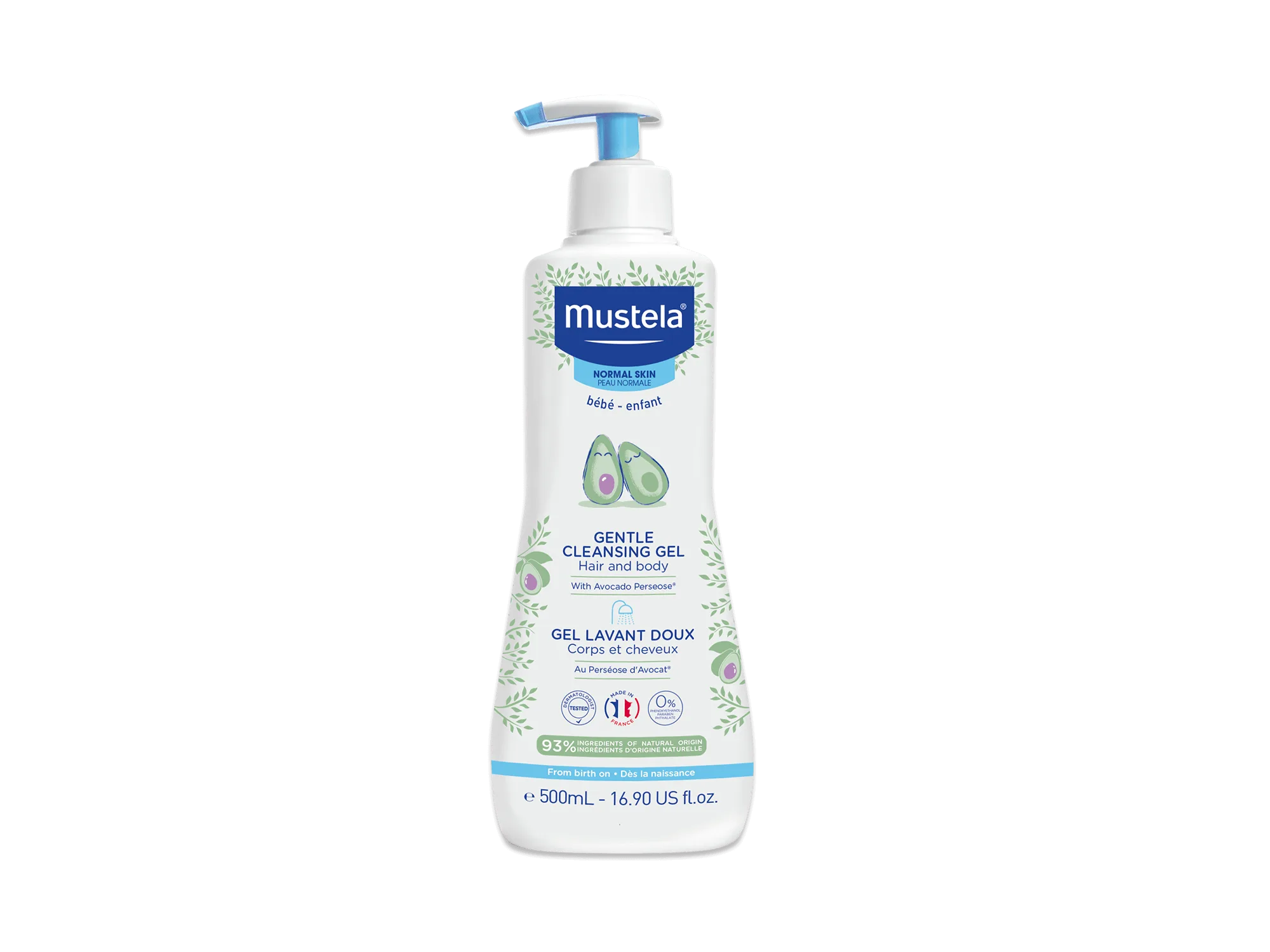
Gentle Cleansing Gel