Cats are often labeled as creatures of habit, and while there is truth to that, their nutritional needs are anything but static. Many cat owners stick to one type of food for years, believing that consistency is best for their feline friend. However, a growing body of veterinary research and anecdotal evidence suggests that rotational feeding—varying your cat’s diet across different proteins, textures, and formulations—can offer significant health and behavioral benefits.
Rotational feeding mimics the natural dietary diversity that wild felines experience. In the wild, cats consume a variety of prey animals, each offering a unique nutrient profile. By rotating your cat’s food, you can provide a broader spectrum of essential amino acids, fatty acids, vitamins, and minerals. This article explores the science-backed and practical advantages of introducing variety into your cat’s bowl, along with tips for a smooth transition.
What Is Rotational Feeding for Cats?
Rotational feeding is the practice of regularly changing your cat’s food—whether by protein source (e.g., chicken, turkey, fish), texture (pâté, shreds, kibble), or brand. Unlike a static diet where a cat eats the same formula meal after meal, rotational feeding introduces new flavors and nutrients over days or weeks. This approach is especially popular among raw and fresh-fed pet parents, but it works equally well with high-quality commercial diets.
The goal is not to switch foods randomly but to create a structured rotation that supports overall health. For example, you might feed a turkey-based pâté for three days, then a salmon-based stew for the next two, followed by a chicken kibble. This variety can help prevent nutritional gaps and reduce the risk of developing food sensitivities or aversions.
- Start with a simple two-protein rotation (e.g., turkey and fish) before expanding.
Top Benefits of Rotational Feeding for Cats
One of the most immediate benefits of rotational feeding is improved digestive health. A monotonous diet can lead to a less diverse gut microbiome, making cats more prone to upset stomachs when introduced to new foods. By regularly rotating proteins and textures, you encourage a more resilient gut flora that can handle dietary changes with ease. This can reduce episodes of vomiting, diarrhea, or constipation over time.
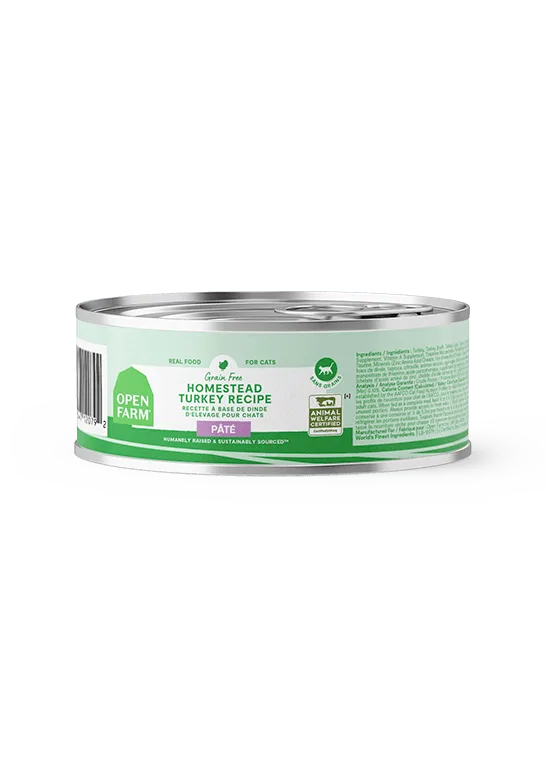
Another major advantage is nutritional completeness. No single protein source provides every nutrient your cat needs in optimal ratios. For instance, turkey is rich in tryptophan and B vitamins, while fish like salmon and arctic char offer omega-3 fatty acids that support skin, coat, and joint health. Rotating between options such as Homestead Turkey Pâté for Cats and Arctic Char Topper for Cats ensures your cat receives a wider array of vitamins, minerals, and amino acids than any one food could provide alone.
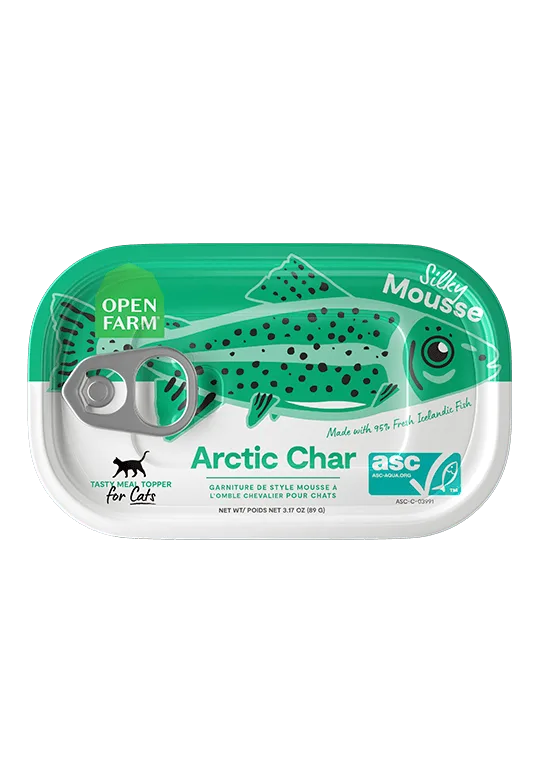
Arctic Char Topper for Cats
- Rotational feeding can also reduce picky eating—cats are less likely to become bored or refuse food when they experience variety regularly.
How to Start Rotational Feeding Safely
Transitioning to a rotational diet requires a gradual approach, especially if your cat has been eating the same food for months or years. Begin by introducing one new protein at a time, mixing a small amount of the new food with the current one. Over the course of 5 to 7 days, slowly increase the proportion of the new food while decreasing the old. Monitor your cat’s stool, appetite, and energy levels during this period.
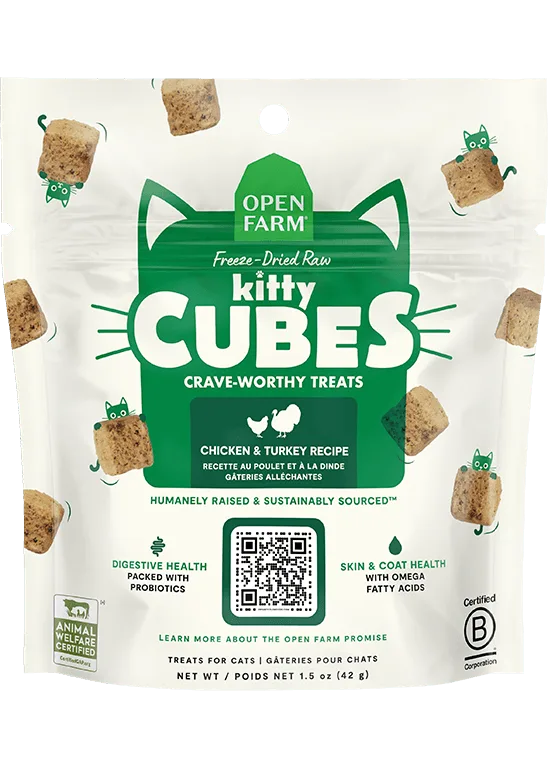
Once your cat tolerates the first new protein, you can add a second or third option. Aim for a rotation that includes at least two to three different protein sources and at least two different textures (e.g., pâté and shredded). Products like Surf & Turf Kitty Cube Treats can be used as occasional toppers or rewards to add interest without disrupting the main diet. Always ensure the rotation includes complete and balanced foods—avoid mixing incomplete supplements or treats as meal replacements.
- Keep a feeding journal to track which proteins and textures your cat enjoys most.
- Rotate every 3–7 days, not every meal, to allow the digestive system to adapt.
Choosing the Right Foods for a Rotational Diet
Not all cat foods are created equal, and rotational feeding works best with high-quality, nutritionally complete options. Look for foods that list a named protein as the first ingredient, are free from artificial preservatives and fillers, and meet AAFCO nutrient profiles. Variety in protein sources is key—consider including poultry, fish, and novel proteins to cover a broad nutrient spectrum.
For example, you might rotate between a turkey-based pâté like Homestead Turkey Pâté for Cats and a fish-based formula such as Arctic Char Topper for Cats. The turkey provides lean protein and B vitamins, while the arctic char delivers omega-3s and taurine. Including a treat like Surf & Turf Kitty Cube Treats can add mental stimulation and reward good behavior without unbalancing the diet. Always check that each product is labeled as complete and balanced for your cat’s life stage.
- Wet food (pâté, stew, shreds) is ideal for rotational feeding because of its high moisture content and variety of textures.
Common Myths About Rotational Feeding
A persistent myth is that rotating food causes digestive upset in all cats. While some cats may need a slower transition, most healthy cats adapt well when changes are introduced gradually. In fact, a static diet can make the digestive system more sensitive over time, whereas variety builds resilience. Another misconception is that cats will become picky if offered choices. On the contrary, rotational feeding often reduces finickiness because cats learn that meals are varied and interesting.
Some owners worry that rotational feeding is expensive or complicated. In reality, it can be cost-effective when you buy larger multi-protein bundles or variety packs. You also reduce the risk of your cat refusing a food you’ve stocked up on, which can lead to waste. Finally, there is no evidence that rotational feeding causes food allergies—actually, exposing the immune system to different proteins may help prevent sensitivities from developing.
- Always consult your veterinarian before making significant changes, especially if your cat has a medical condition.
Rotational feeding is a simple yet powerful strategy to enhance your cat’s health, happiness, and longevity. By offering a variety of high-quality proteins and textures, you support better digestion, more complete nutrition, and a more engaged eater. Start slow, choose foods you trust, and watch your feline thrive. Explore options like Arctic Char Topper for Cats to add a nutrient-rich fish option to your cat’s rotation today.