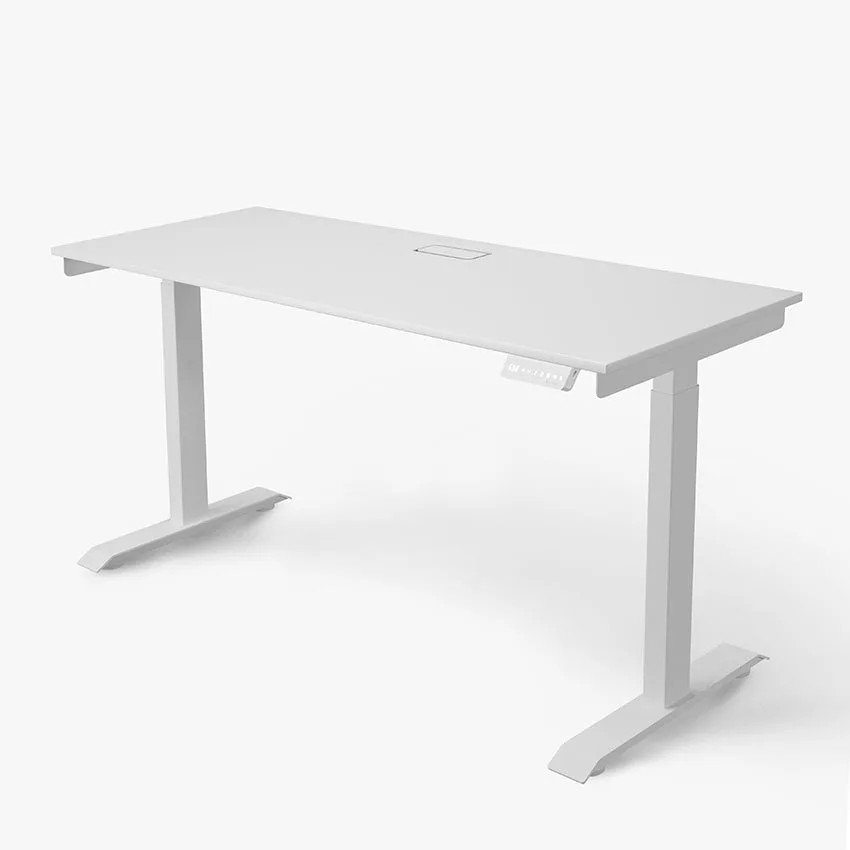
For creative professionals—whether you're a graphic designer, writer, painter, or musician—the physical environment of your workspace plays a surprisingly powerful role in unlocking inspiration. The best ideas often come when you're not forcing them, and a subtle shift in posture or perspective can be the catalyst for a breakthrough. That's where a sit stand desk enters the picture: not just as an ergonomic upgrade, but as a creative tool.
In this article, we'll explore the science and psychology behind why alternating between sitting and standing can fuel your creative output. We'll also look at practical ways to set up a sit stand desk for creative work, including essential accessories that keep your tools organized and your mind clear. Whether you're a seasoned artist or a remote worker seeking fresh ideas, understanding the link between movement and creativity can transform your workflow.
The Science of Movement and Creative Thinking
Research in cognitive psychology has long shown that light physical activity—such as standing, walking, or stretching—can improve divergent thinking, the type of thinking that generates novel ideas. When you stand, your heart rate increases slightly, boosting blood flow to the brain. This physiological shift can help you break out of mental ruts and approach problems from new angles.
A sit stand desk allows you to seamlessly transition between sitting and standing throughout the day. This flexibility is especially valuable during creative tasks that require both focused concentration (often done while seated) and open-ended exploration (which can benefit from standing). By giving your body permission to move, you also give your mind permission to wander and make unexpected connections.
- Tip: Try standing during brainstorming sessions or when you feel stuck on a creative block. Even 10-15 minutes can reset your mental state.
Designing a Creative Workspace with a Standing Desk
A creative workspace should inspire, not distract. Clutter and poor ergonomics can drain mental energy, leaving less room for innovation. A sit stand desk helps you maintain a clean, adaptable environment. By adjusting the height of your desk, you can create different zones for different tasks: a lower position for detailed drawing or writing, and a higher position for reviewing your work or collaborating with others.
To keep your creative tools within easy reach, consider adding a Sheva Acacia Pedestal next to your desk. This sturdy storage unit provides a dedicated spot for sketchbooks, art supplies, or reference materials, reducing visual clutter on your main work surface. When everything has a home, your mind can focus on the creative task at hand.
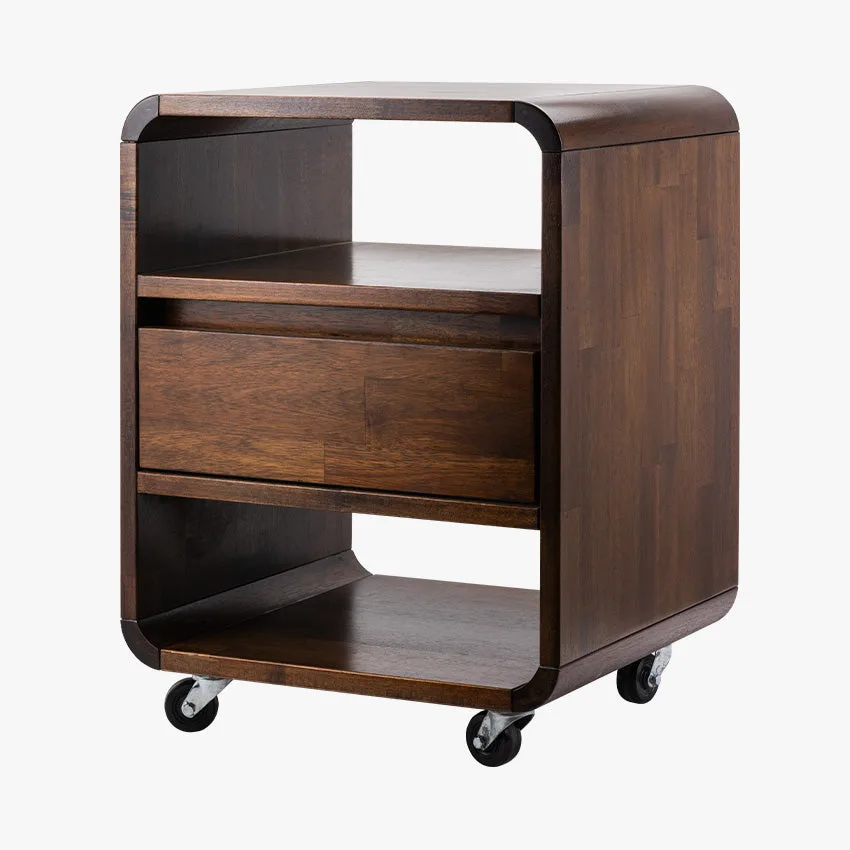
Sheva Acacia Pedestal
- Tip: Use a pedestal or small shelf to keep frequently used items accessible but off your desk surface.
Ergonomics for Artists, Writers, and Designers
Creative work often involves long hours of focused attention. Without proper ergonomics, you risk developing neck, shoulder, or back pain that can derail your flow. A sit stand desk allows you to adjust your monitor, keyboard, and drawing tablet to ideal heights whether you're sitting or standing. This reduces strain and helps you maintain a neutral posture.
For artists who work with traditional media, a height-adjustable desk is a game-changer. You can raise the surface to stand while painting or sketching, giving you better leverage and a broader range of motion. When you need to sit for detailed line work, simply lower the desk. The same principle applies to digital designers using a graphics tablet or stylus.
- Tip: Pair your standing desk with an ergonomic chair like the zero-157732">HÅG Capisco Puls 8020 - Zero for optimal support during seated periods.
Accessories That Enhance Your Creative Flow
The right accessories can make your sit stand desk even more effective for creative work. Cable management is often overlooked, but tangled wires can be a constant source of frustration. The Omnidesk Cable Bind keeps your cords neatly organized, so you can focus on your art or writing without visual distractions.
For artists who work with multiple devices—such as a laptop, tablet, and reference screen—a CPU Roller Stand can keep your computer tower off the floor and within easy reach. This frees up valuable desk space and improves airflow, which is especially important during long creative sessions. A tidy, well-organized desk is a canvas for your best ideas.
- Tip: Invest in a cable management system early to avoid the buildup of messy wires that can hinder your workflow.
Real-World Stories: How Creatives Use Standing Desks
Many professional creatives have adopted sit stand desks as part of their daily routine. A freelance illustrator in Singapore reports that standing during the initial sketching phase helps her generate more varied compositions. A novelist who writes for hours finds that switching to standing in the afternoon prevents the post-lunch energy slump and keeps his prose fresh.
These anecdotes align with broader trends in workplace design. Companies like Google and Pixar have long incorporated standing desks and walking meeting rooms into their offices, recognizing that movement fuels creativity. By bringing that same flexibility into your home office, you can create a personal environment that supports both deep focus and spontaneous inspiration.
- Tip: Experiment with different standing intervals—try 25 minutes standing, 35 minutes sitting—to find what works best for your creative rhythm.
A sit stand desk is more than a health upgrade; it's a creative catalyst. By allowing you to move freely and adjust your environment to match your mental state, it can help you unlock new ideas and sustain your creative energy throughout the day. Explore our range of standing desks and ergonomic accessories to build a workspace that inspires you every day.