Quick Answer
For most toddlers, a bento box with separate compartments is the better choice because it keeps foods organized and appealing, but traditional containers win when you need maximum leakproof capacity for soups or yogurt.
Why Bento Boxes Appeal to Toddlers
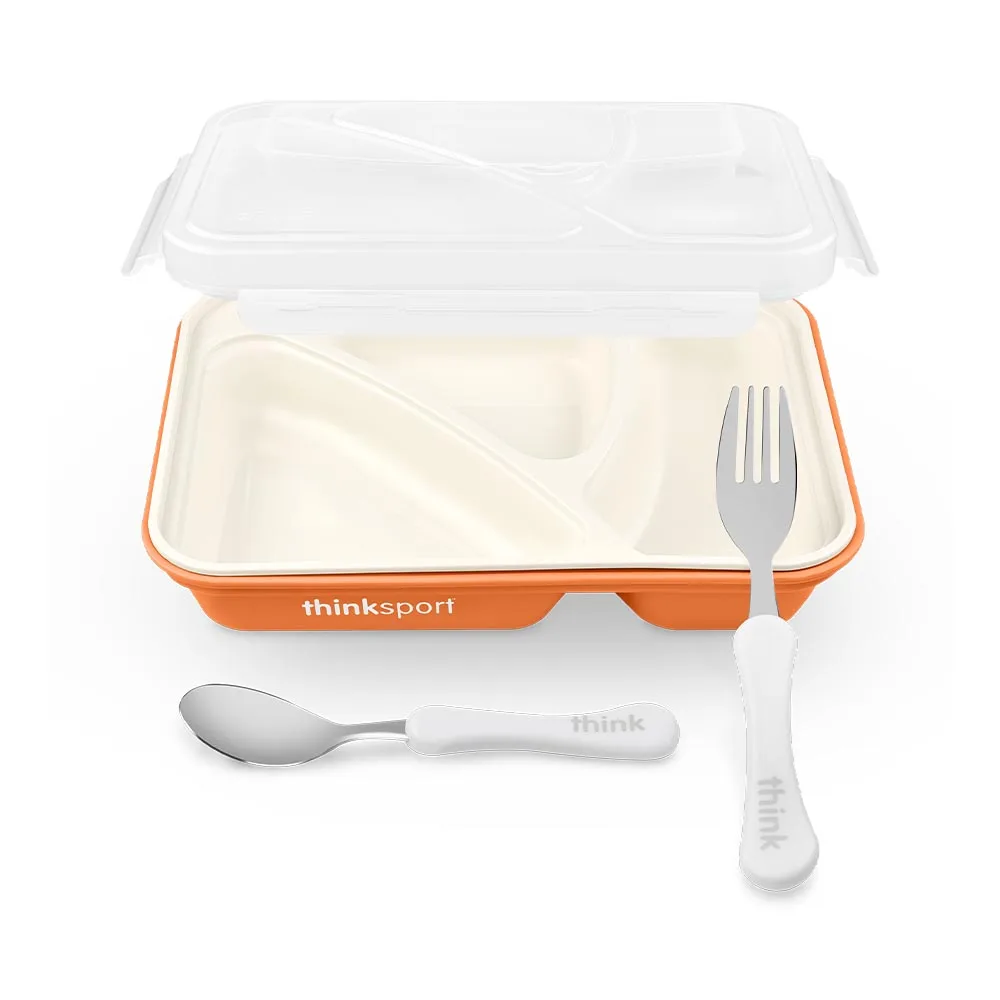
Toddlers are visual eaters. A bento box with separate compartments presents a variety of foods in a colorful, organized way that can make meals more enticing. The divided sections also prevent foods from touching, which is a common toddler preference.
The Lalo Bento Box is a stylish, eco-friendly option that fits this need. Its stainless steel construction is durable and free from plastic, aligning with parents who want to reduce plastic exposure.
Traditional Containers: The Leakproof Advantage
Traditional lunch containers, especially those with screw-top lids or silicone seals, are often superior when it comes to leakproofing. They can safely carry liquids like soup, yogurt, or fruit purees without the risk of leaks that can occur in compartment-style boxes.
However, traditional containers usually have a single compartment, which can lead to food mixing and less visual appeal. They also tend to be bulkier and may not fit as neatly in a toddler's lunch bag.
Material Matters: Stainless Steel vs. Plastic
The material of the lunch container is a significant consideration. Stainless steel options, like the Lalo Bento Box and Stainless Suction Bowl, are plastic-free and non-toxic, which is a priority for many parents. They are also more durable and resistant to stains and odors compared to plastic.
On the other hand, plastic containers are often lighter and less expensive, but they may contain harmful chemicals like BPA (though many are now BPA-free). Stainless steel is also heavier, which might be a concern for very young toddlers carrying their own lunch.
Trade-Offs at a Glance
- Compartment Variety vs. Leakproofing: Bento boxes keep foods separated and visually appealing, but they are not ideal for liquids. Traditional containers offer better leakproofing for soups and yogurts but mix foods together. Choose a bento box for dry snacks and sandwiches; use a separate leakproof container for wet foods.
- Material Durability vs. Weight: Stainless steel is durable, non-toxic, and stain-resistant, but it is heavier than plastic. Plastic is lighter and cheaper but may not be as long-lasting or eco-friendly. If your toddler carries their own lunch, consider the weight; otherwise, prioritize durability and safety.
- Ease of Cleaning vs. Convenience: Bento boxes with multiple compartments can be more tedious to clean, especially if they are not dishwasher safe. Traditional containers are often simpler to wash but may require more careful drying to prevent odors. Check if the container is dishwasher safe to save time; hand-washing may be required for some models.
Product Facts
-
Bento Box: The Lalo Bento Box is an eco-friendly, stylish way to bring a variety of your little one’s favorite foods wherever you go. Its compartment design helps keep foods separate and appealing, making it ideal for picky eaters who prefer their foods not to touch.
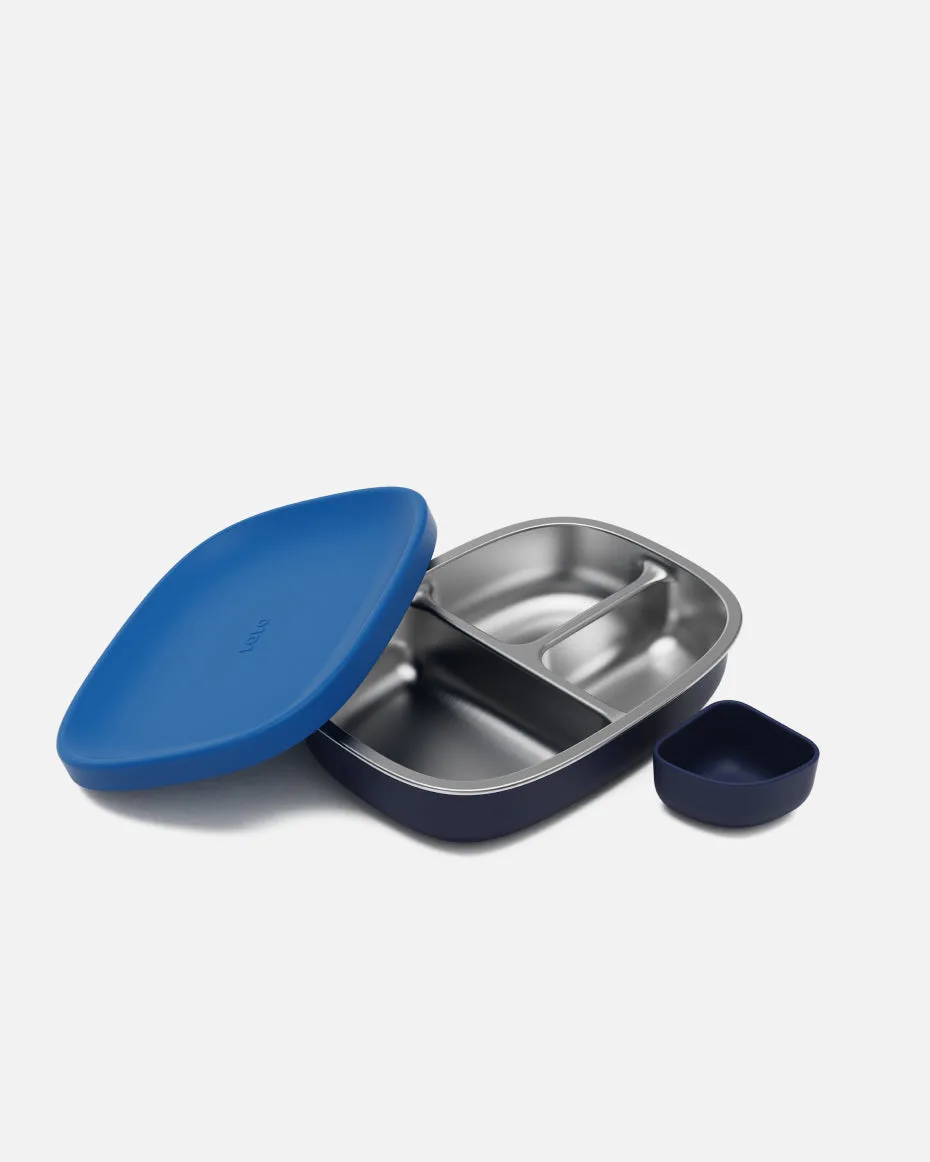
Bento Box
-
Stainless Suction Bowl: The Lalo Stainless Suction Bowl is 100% plastic-free, non-toxic, and has a strong silicone suction base that stays put on any surface. For younger toddlers still learning to eat independently, the suction base prevents spills and messes, making mealtime less stressful for parents.
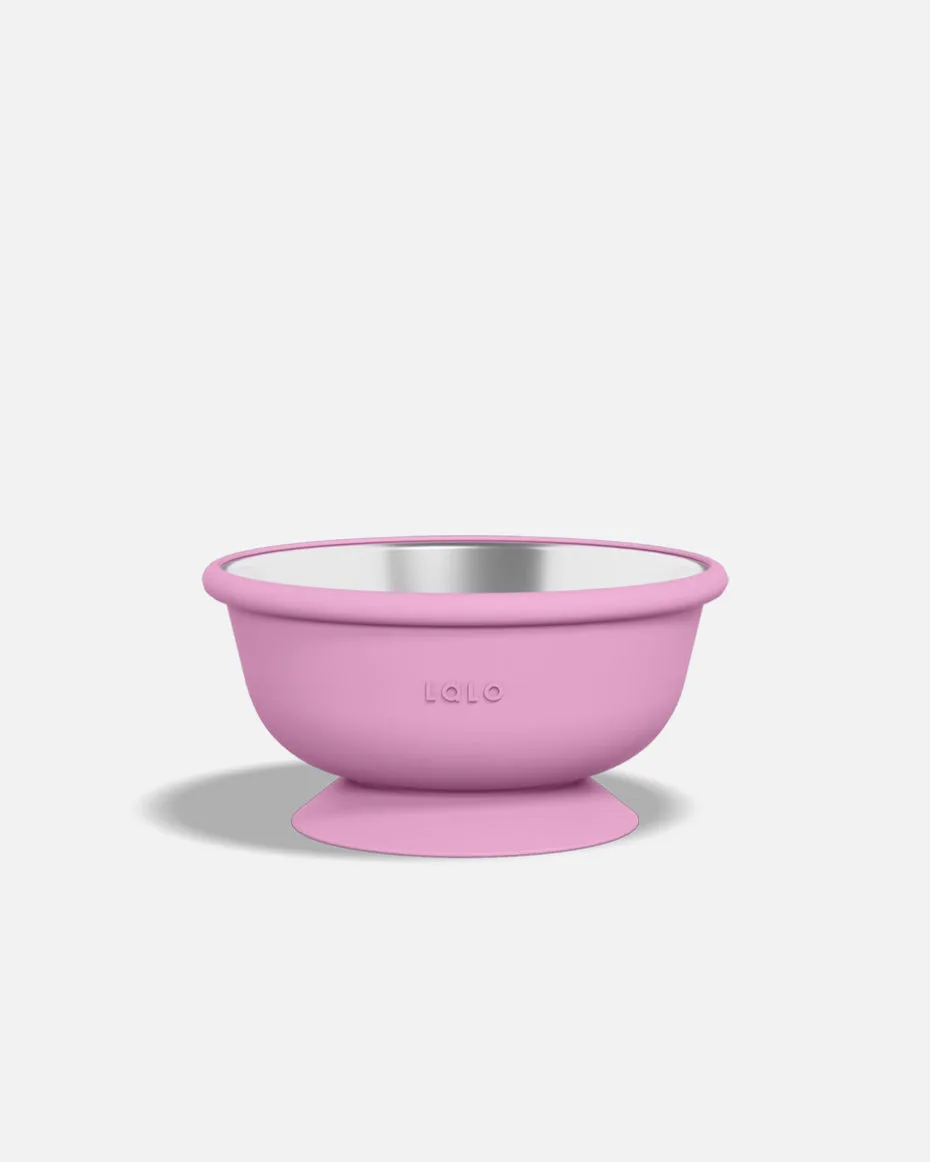
Stainless Suction Bowl
Which Should You Choose?
Best For
- Toddlers who prefer foods not to touch and enjoy visual variety at meals
- Parents looking for a durable, plastic-free, and eco-friendly lunch solution
Not For
- Parents who frequently pack liquid foods like soups or yogurt that require a leakproof seal
- Toddlers who need an ultra-light container that is easy for them to carry independently