The serving is three capsules, not one
Before you plan a routine, get the arithmetic right. LIVS Berberine delivers 1,500 mg of berberine HCl per 3-capsule serving. The bottle holds 120 vegetarian capsules, which works out to 40 full servings.
That matters because many people assume one capsule equals one dose. Here it does not. If you take a single capsule, you are taking one-third of the labeled serving, not the full 1,500 mg. The label also warns not to exceed the recommended serving, so the three-capsule serving is the ceiling as well as the target.
What one serving actually delivers
-
Berberine 1,500mg: Berberine HCl: 1,500 mg per serving; serving size is 3 capsules; 120 vegetarian capsules per bottle (40 servings). This is the number you need to plan around: three capsules per serving, 40 servings per bottle.
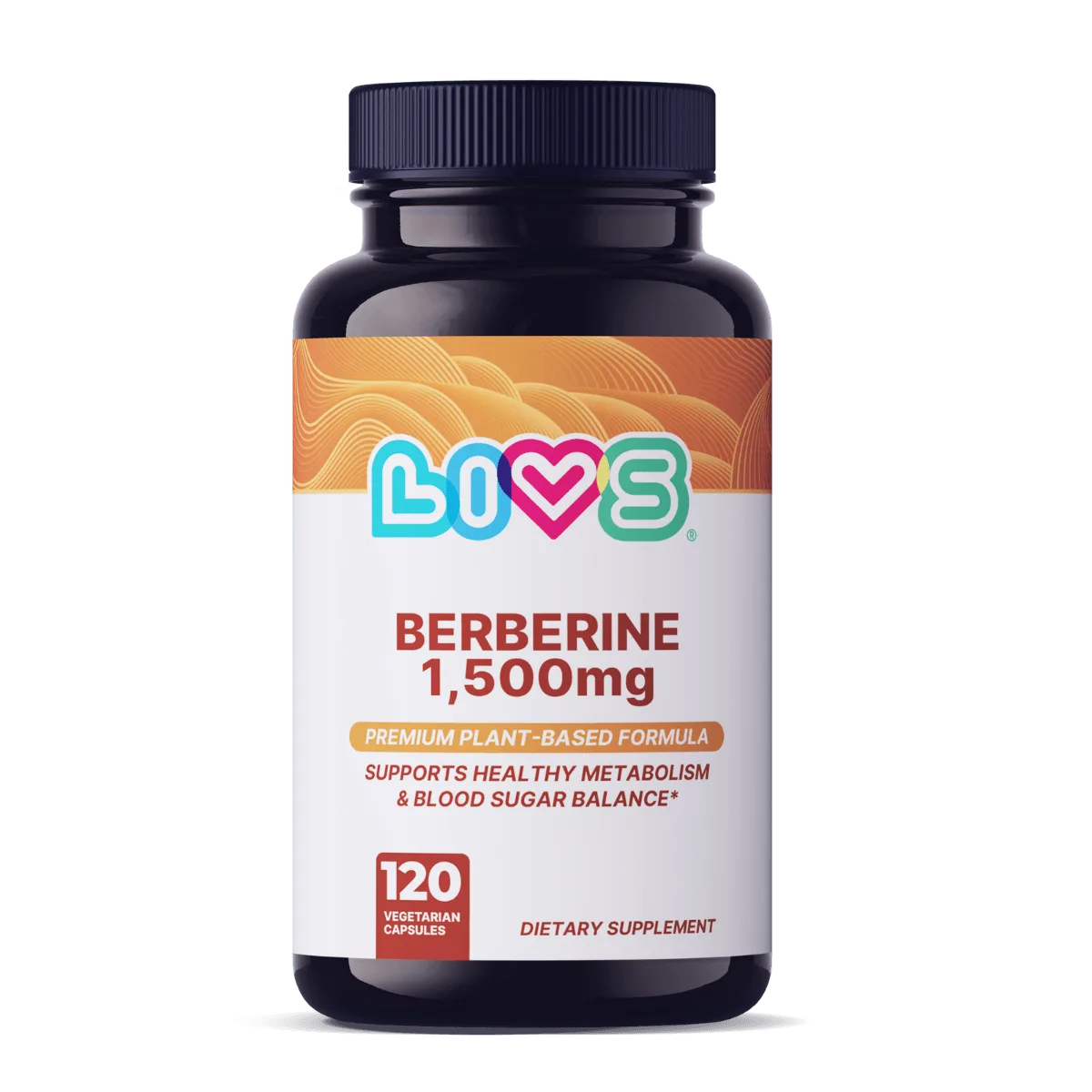
Berberine 1,500mg
-
Berberine 1,500mg: Pure berberine HCl rather than a low-dose herbal blend, with vegetarian capsules and no artificial colors or synthetic fillers. The label discloses the actual berberine content, so the 1,500 mg figure refers to berberine HCl rather than a blend total.
Fitting three capsules around meals
The supplied product information does not include a manufacturer-stated schedule for when to take the capsules or whether to take them with food. That absence is a real limitation, not something to paper over with invented timing rules. If timing matters to you, the most reliable source is the label on your bottle or your pharmacist.
What you can do is make the three-capsule serving easy to remember. Splitting them across meals is a common way to avoid swallowing three capsules at once, but treat that as a practical habit rather than a manufacturer instruction. Keep the total at three capsules per day unless a healthcare professional tells you otherwise.
If you already take medication for blood sugar, do not start berberine on your own schedule. The supplied information is explicit that berberine taken alongside metformin, insulin, or other glucose-lowering medication can add up and push blood sugar too low. That conversation comes before any routine planning.
A simple way to build the routine
- Clear it first if it applies to you: If you take blood-sugar medication, are pregnant, may become pregnant, or are breastfeeding, speak to your doctor before starting. Berberine also inhibits the CYP3A4 enzyme, which affects how the body clears a number of common prescriptions, so your doctor needs the full picture.
- Decide how to divide three capsules: The supplied information gives no official split. Choose a pattern you will actually follow, such as one capsule with each of three meals, and keep the daily total at the labeled serving.
- Anchor it to something that already happens: Meals are the obvious anchor. Pairing each capsule with a meal makes the routine repeatable without relying on memory alone.
- Track what you notice for a few weeks: The product is positioned to help maintain blood sugar levels already within a normal range and to support the body's conversion of food into energy. It is a supporting role alongside diet and activity, not a substitute for either, so judge it in that context rather than expecting a dramatic shift.
- Keep the bottle out of reach of children: The label states this directly, and it is not a formality: berberine is not for infants or young children.
Who should not take it
The supplied information is unusually direct about this, and it deserves to be repeated plainly. These are hard stops, not cautions to weigh against a hoped-for benefit.
- Pregnant, trying to conceive, or breastfeeding: Do not take berberine. It crosses the placenta and passes into breast milk, and it can displace bilirubin in newborns, a recognized risk of jaundice and kernicterus in infants.
- Infants and children: Never give berberine to an infant or young child.
- On blood-sugar medication without medical clearance: Speak to your doctor first. The combined effect with metformin, insulin, or other glucose-lowering drugs can push blood sugar too low.
What to expect, and what not to
Berberine is not a quick fix, and the supplied information does not promise one. It describes a supporting role: helping maintain blood sugar levels already within a normal range and supporting metabolism. Those are maintenance-oriented claims, not treatment claims, and the product is not intended to diagnose, treat, cure, or prevent any disease.
The mechanism described is activation of AMPK, an enzyme often called the cell's metabolic master switch, the same pathway that responds to exercise and fasting. That explains the interest in berberine, but it does not tell you what you will feel or when. The supplied information includes no timeline, no expected sensations, and no side-effect profile. Anyone who tells you otherwise is going beyond the label.
What you can reasonably do is give it a fair trial alongside the diet and activity it is meant to support, and stop if something feels wrong. Because berberine interacts with prescriptions through CYP3A4 and can compound the effect of glucose-lowering medication, new or unusual symptoms are a reason to call your doctor, not to adjust the dose yourself.
Quality details worth knowing before you commit
- Berberine 1,500mg: Third-party lab tested for purity and potency, made in the USA at a cGMP-certified facility. With a single-ingredient product, testing and manufacturing standards are most of what separates one bottle from another.
- Berberine 1,500mg: The label warns not to exceed the recommended serving. More is not better here; the three-capsule serving is the labeled amount, and the safety cautions above are the reason to respect it.