Quick answer
For blood sugar support, choose a berberine supplement with 500 mg of berberine per serving and a formula that adds chromium or cinnamon bark extract for broader metabolic support. Start with one serving per day and increase only after you see how your body responds.
Why berberine is studied for blood sugar support
Berberine is a plant-based compound that has been studied for its effects on glucose metabolism. Research interest centers on its ability to support healthy blood sugar levels already within the normal range, which is why it shows up in so many metabolic support formulas. The practical point for shoppers is that not all berberine products are equal: the form, the dose, and the supporting ingredients determine how useful a supplement will be for your routine.
Trade-offs to weigh before you buy
Berberine has a strong reputation, but it is not a substitute for diet or medication. If you take prescription glucose-lowering medication, talk to your doctor before adding berberine, because combining them can amplify effects. Also, berberine can cause mild digestive upset in some people, so starting with a lower serving and taking it with food is a practical way to test tolerance.
The form matters. Capsules with 500 mg per serving are the most common standard, but the addition of ingredients like chromium or cinnamon changes what the product is doing. Decide whether you want a straight berberine product or one with complementary support before comparing prices.
Decision rules for choosing a berberine supplement
- Check the berberine dose per serving: Look for 500 mg of berberine per serving, which is the amount most often used in glucose-metabolism research. Lower doses can still work, but you may need more servings per day. Compare the per-serving amount, not the capsule count, when scanning labels.
- Confirm the form and extract: Choose a standard berberine HCL supplement unless you have a specific reason to try a different form. Look for a third-party tested product so the label matches what is actually in the bottle.
- Check the supporting ingredients: Look for ingredients with their own evidence, such as chromium or cinnamon bark extract, and confirm the amounts on the label instead of assuming a blend is dosed correctly. Chromax® chromium supports nutrient metabolism, which can complement berberine's glucose support.
- Match the dose to your routine: A common studied range is 500 mg per serving. Pick a product whose serving size fits how often you can take it consistently, and follow the label's serving instructions. Consistency matters more than a higher dose; choose a schedule you can maintain daily.
- Check for third-party testing: Look for brands that test for purity and potency and publish the results. This matters because berberine supplements are not all manufactured to the same standard. Review the label for serving size, ingredient amounts, and any added chromium or cinnamon before buying.
Product facts to weigh
-
Ultra Berberine: Ultra Berberine delivers 500 mg berberine per serving and includes patented Chromax® chromium plus cinnamon bark extract. The 500 mg serving aligns with the dose most often studied for glucose support, while the chromium and cinnamon additions target nutrient metabolism in one capsule.
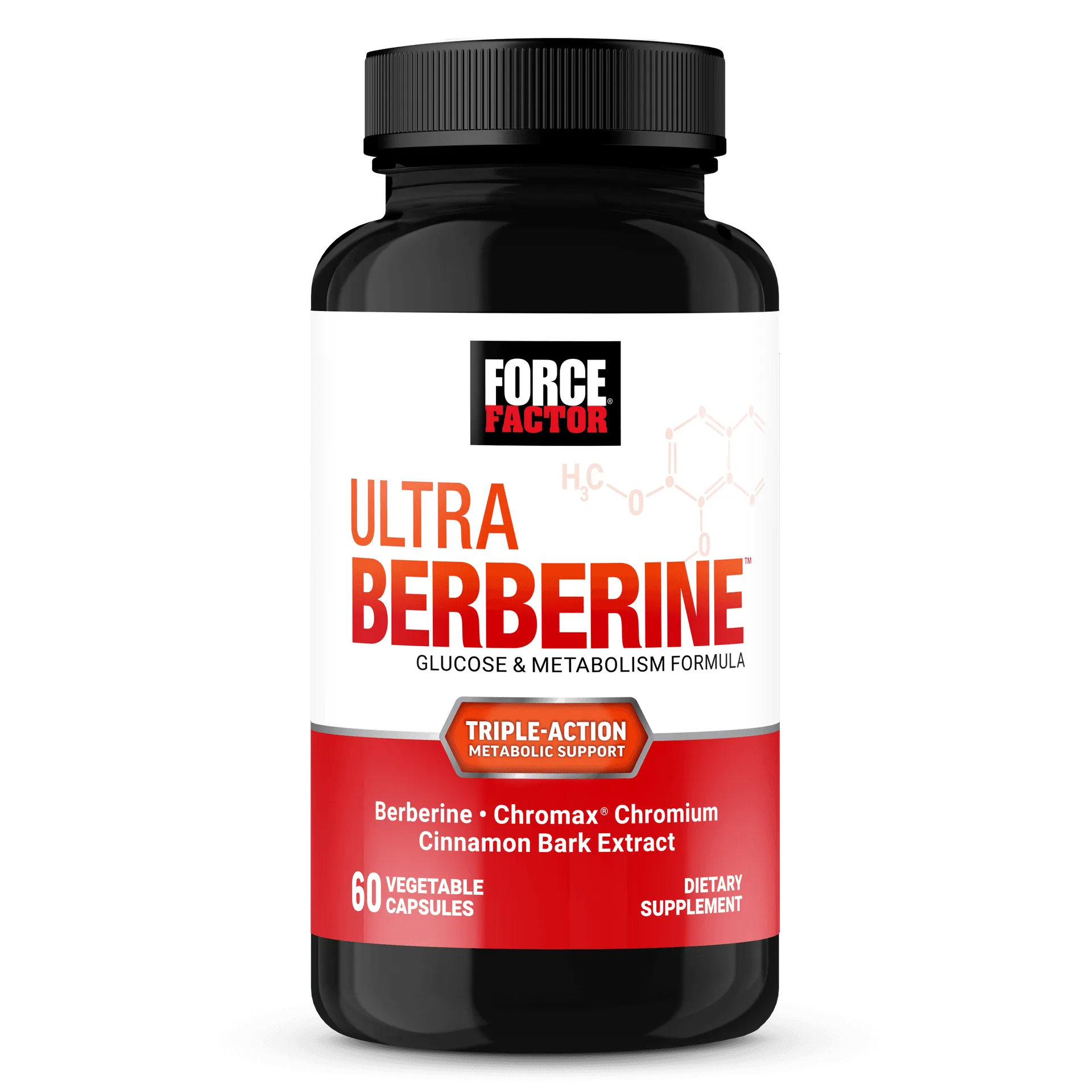
Ultra Berberine
localized decision heading
localized label
- specific audience or use case
- specific audience or use case
localized label
- specific audience or use case that should choose something else