The one rule that shapes both hot and iced cups
Bergamot Fasting Black Tea is built around a simple hot-drink method: add the crystals to your cup, pour in 8 oz of warm water, and stir. The ideal water temperature is 180°F, and the record specifically says to avoid boiling water. That single temperature checkpoint matters whether you drink it hot or use the brewed tea as a base for an iced version.
Because the product is made with organic black tea and whole ground bergamot from Calabria, Italy, the brewed liquid carries fine plant sediment. The instructions say to allow the whole ground plants to settle before drinking and to discard the sediment at the bottom of the cup. Plan for that settling step in both hot and iced preparations.
How to brew a hot cup of Bergamot Fasting Black Tea
Follow the product record’s sequence. The steps below keep the water temperature in check and give the sediment time to settle.
- Add the crystals first: Put the Bergamot Fasting Black Tea crystals into your cup before the water. This matches the supplied instruction to add crystals to the cup first.
- Heat water to about 180°F: Warm 8 oz of water to the ideal 180°F. Avoid boiling water, as the record explicitly warns against it.
- Pour and stir: Add the 8 oz of warm water to the cup and stir to dissolve the crystals.
- Let the sediment settle: Allow the whole ground plants to settle before drinking. Sip carefully and discard the sediment at the bottom of the cup.
How to make iced bergamot fasting tea from the same crystals
The supplied record describes a hot drink only. It does not include a cold-brew or iced preparation method, so there is no official iced ratio or chilling step to copy. What you can do is brew a hot cup exactly as above, then let it cool and pour it over ice. Keep the 180°F water and the 8 oz measurement unchanged, because those are the only preparation figures the record confirms.
If you chill the brewed tea, the ground bergamot will continue to settle. Stir before pouring over ice if you want the flavor distributed, then leave the last bit of sediment behind. For a stronger chill without dilution, cool the cup in the refrigerator first and add ice just before drinking.
Hot vs iced: what changes and what stays the same
The core brewing numbers do not change. Only the serving temperature and the settling time differ.
- Water temperature: Both methods start with 8 oz of water at 180°F. Avoid boiling water in either case.
- Sediment handling: Hot: let it settle in the cup, then discard the bottom sediment. Iced: let it settle after brewing, pour the clearer tea over ice, and discard the sediment left behind.
- Timing: Hot is ready as soon as the crystals dissolve and the sediment settles. Iced needs extra time to cool the brewed tea before pouring over ice.
- Flavor concentration: Ice can dilute the drink as it melts. Brewing the full 8 oz first and adding ice at the end keeps the bergamot black tea flavor closer to the hot version.
Product facts behind the brewing method
-
Bergamot Fasting Black Tea: Organic black tea, whole bergamot (made using whole ground bergamot from Calabria, Italy). Explains the fine sediment you need to let settle and discard.
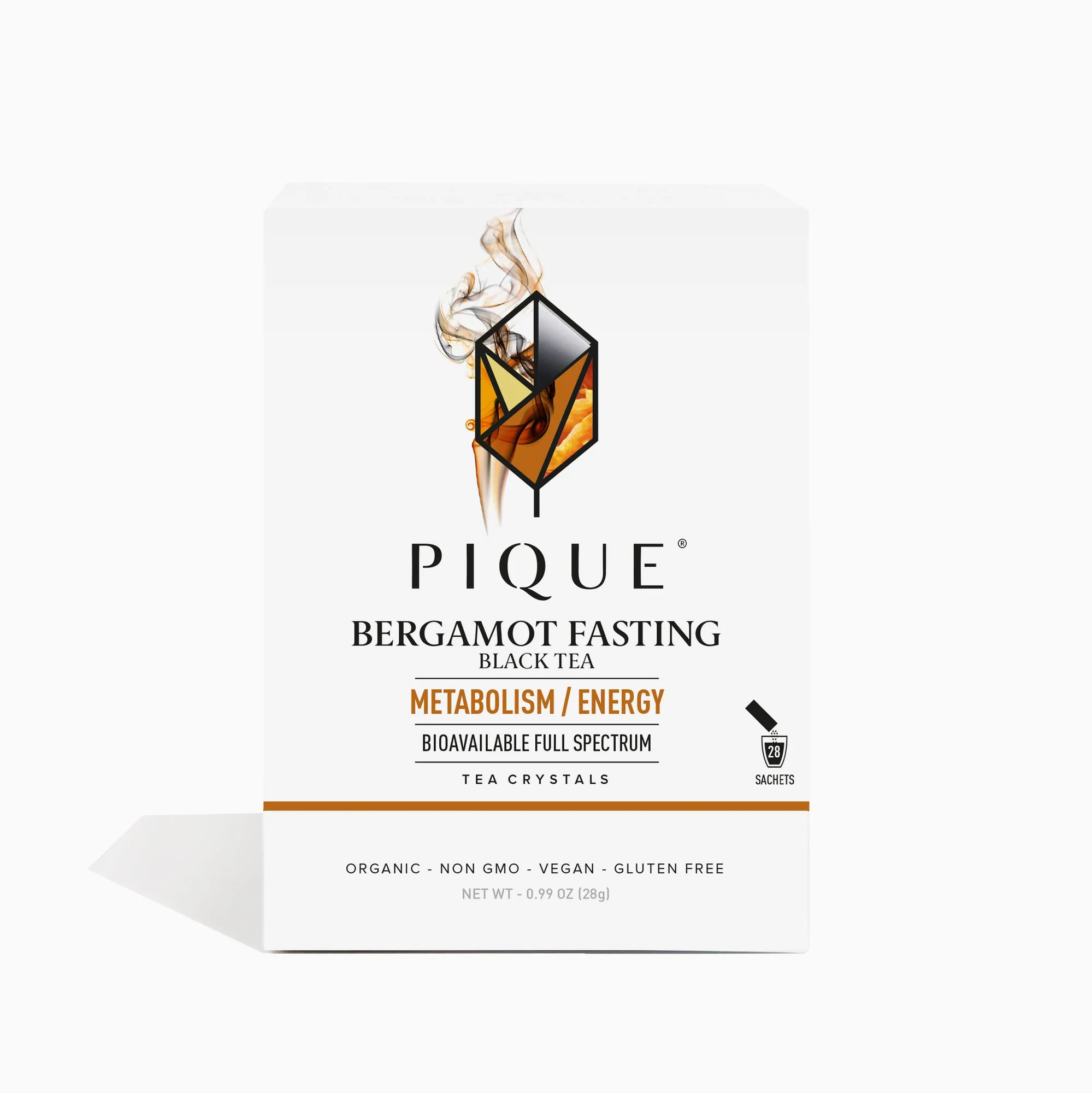
Bergamot Fasting Black Tea
-
Bergamot Fasting Black Tea: First add crystals to cup, then add 8 oz warm water and stir. Gives the exact order and water amount for both hot and iced bases.
-
Bergamot Fasting Black Tea: Ideal water temperature is 180°F. Avoid boiling water. The key temperature checkpoint that protects the cup from harshness.
-
Bergamot Fasting Black Tea: Allow whole ground plants to settle before drinking and discard sediment at the bottom of cup. Applies to hot tea and to the brewed base you chill for iced tea.
What the record does not settle for iced preparation
The supplied information covers a hot drink and does not confirm an official iced ratio, chilling time, or whether the crystals dissolve differently in cold water. Treat the hot-brew-then-chill method as a practical workaround rather than a manufacturer instruction. If you want the most predictable cup, start with the hot method exactly as written and adjust only the serving temperature.
The record also does not list allergen or dietary suitability details beyond the ingredients above. If you are managing a specific dietary need, check the full product label rather than relying on the brewing guide alone.